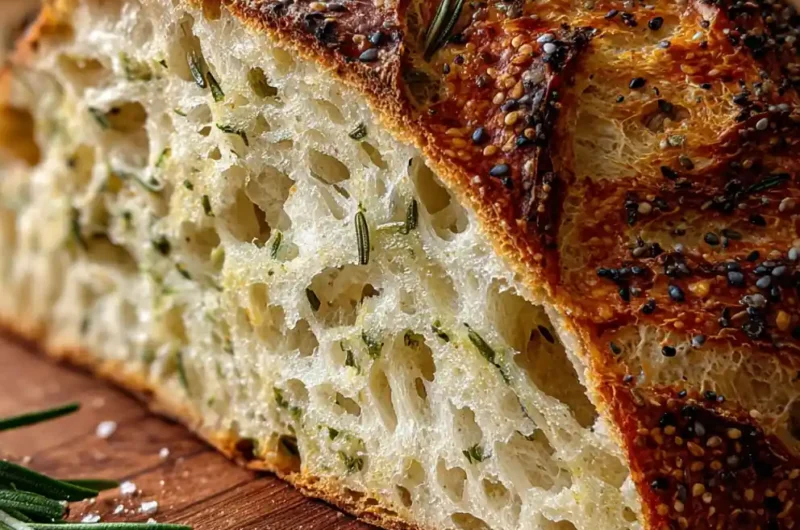
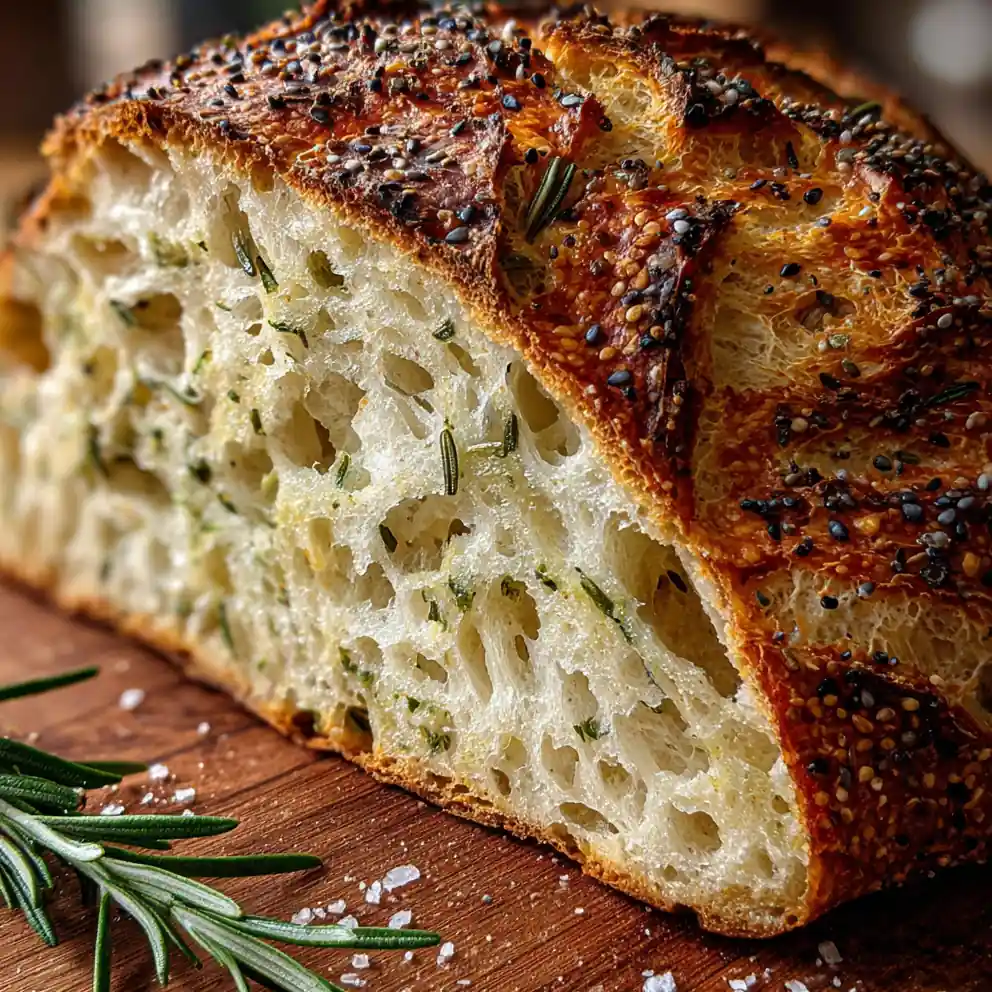
I’ve always found something deeply satisfying about baking bread from scratch, especially a beautiful sourdough boule recipe. Imagine pulling out a warm, crusty loaf, baked by your own hands, filling your kitchen with that incredible aroma. Our easy sourdough boule recipe makes it possible for anyone to bake a perfect loaf, whether you’re a busy parent wanting wholesome food or a beginner baker seeking comfort in a challenge. This method is truly a family-friendly favorite, transforming simple flour and water into a staple that will impress everyone.
What You’ll Need (Ingredients & Why They Matter)
- Strong Bread Flour (400 g / 3 1/4 cups): Provides high protein content, essential for developing a strong gluten structure and a chewy crumb.
- Whole Wheat Flour (100 g / 3/4 cup): Adds nutty flavor, fiber, and nutritional depth, contributing to a more complex crumb texture.
- Warm Water (350 g / 1 1/2 cups, 30-32°C / 86-90°F): Hydrates the flours to activate gluten and creates the perfect environment for your starter to thrive.
- Active Sourdough Starter (100 g / 1/2 cup, 100% hydration): The leavening agent that gives your sourdough boule’s distinctive tang and open, airy crumb.
- Fine Sea Salt (10 g / 1 3/4 teaspoons): Enhances the natural flavors of the bread and helps regulate the fermentation process. (Table salt can be used, but fine sea salt dissolves beautifully.)
- Fresh Rosemary, finely chopped (15 g / 3 tablespoons): Infuses the bread with aromatic, piney notes, elevating the flavor profile. (Dried rosemary can be used, about 1 tablespoon, though fresh is superior.)
- Lemon Zest (Zest of 1 medium lemon / about 2 teaspoons): Brightens the flavor, adding a subtle citrusy counterpoint to the rich sourdough and rosemary.
- Black Sesame Seeds (15 g / 1 tablespoon, plus extra for garnish): Adds a delightful visual contrast, a subtle nutty flavor, and a satisfying crunch to the crust.
- Flaky Sea Salt (2 g / 1/2 teaspoon, for garnish): A finishing touch for a burst of briny flavor and appealing texture on the baked crust.
Alternative: All-purpose flour can work in a pinch for a softer texture.
If you don’t have bread flour, a good quality all-purpose flour can still yield a delightful, albeit slightly softer, loaf.
Tip: Filtered water is best for your starter’s health.
Chlorine in tap water can hinder your sourdough starter’s activity. Using filtered or bottled water helps keep your starter robust and happy.
Alternative: A bowl lined with a floured kitchen towel works great.
No banneton? No problem! A regular bowl lined with a generously floured kitchen towel works perfectly to hold your dough’s shape during proofing.
How to Make Sourdough Boule Step by Step
1. Feeding Your Starter (8-12 hours before)
I always feed my sourdough starter the night before, ensuring it’s vibrant and active, ideally doubled in size and very bubbly. This critical step sets the stage for a successful sourdough boule recipe.
2. Autolyse (30-60 minutes)
In a large mixing bowl, combine the 400 g (3 1/4 cups) strong bread flour, 100 g (3/4 cup) whole wheat flour, and 330 g (1 1/2 cups minus 1 tablespoon) of the warm water. Mix until no dry flour remains, forming a shaggy dough that feels barely combined. Cover the bowl and let it rest for 30 minutes; this allows the flour to fully hydrate.
3. Mixing the Dough
Add the 100 g (1/2 cup) active sourdough starter, the remaining 20 g (1 1/3 tablespoons) warm water, 10 g (1 3/4 teaspoons) fine sea salt, 15 g (3 tablespoons) finely chopped fresh rosemary, and 2 teaspoons lemon zest to your dough. Using your hands, mix thoroughly for 5-7 minutes, squeezing and folding until all ingredients are well incorporated and the dough feels cohesive and slightly sticky. If the dough feels too stiff, add a tiny splash more water, about 1 teaspoon at a time, until it loosens slightly.
Quick Swap: For a whole wheat sourdough boule, substitute 50g of bread flour with whole wheat flour.
If you prefer an even bolder whole wheat flavor or a healthier loaf for family dinners, increase the whole wheat flour to 150g (1 1/8 cups) and reduce bread flour by 50g. This yields a more robust, nutritious whole wheat sourdough boule.
4. Bulk Fermentation & Folds (4-6 hours)
Cover the bowl and begin bulk fermentation for 4-5 hours at room temperature (22-24°C / 72-75°F). During the first 2-3 hours, perform a series of 4-5 sets of stretch and folds every 30-45 minutes. Gently stretch one side of the dough up and over itself, rotate the bowl a quarter turn, and repeat three more times. The dough will become smoother and more elastic with each set.
Troubleshooting: If your dough feels too sticky, lightly wet your hands instead of adding more flour.
When performing stretch and folds, if the dough clings excessively to your hands, simply moisten them with a little water. This prevents sticking without altering the dough’s hydration.
5. Pre-Shaping (20 minutes)
After bulk fermentation, the dough should be visibly aerated and slightly puffy. Gently turn the dough out onto a lightly floured surface. Preshape the dough into a loose round, creating gentle tension on the surface, then let it rest, uncovered, for 20 minutes to relax before the final shape.
6. Final Shaping
Lightly dust your work surface with flour. Gently reshape the dough into a tight boule, building significant surface tension for a good rise. Lightly moisten the top surface with a spray of water or a damp hand. Sprinkle the 15 g (1 tablespoon) black sesame seeds evenly over the top, gently pressing them in to adhere, creating a beautiful pattern for your finished sourdough boule.
7. Cold Proof (12-16 hours)
Transfer the dough, seam-side up and sesame-seed side down, into a floured banneton or a bowl lined with a floured kitchen towel. Cover with a plastic bag or shower cap and refrigerate for 12-16 hours. This cold proofing develops complex flavors and makes the dough much easier to handle and score when cold.
8. Preheat & Bake
Preheat your oven to 240°C (475°F) with a Dutch oven inside for at least 45-60 minutes; it needs to be very hot. Carefully remove the hot Dutch oven. Gently invert the cold dough from the banneton into the preheated Dutch oven, sesame-seed side up. Score the top of the dough with a sharp razor blade or lame, making a single deep slash or a decorative pattern. Immediately cover the Dutch oven with its lid and bake for 20 minutes.
Remove the lid from the Dutch oven and reduce the oven temperature to 230°C (450°F). Continue baking for another 25-30 minutes, or until the crust is a deep golden brown and the internal temperature reaches 96-99°C (205-210°F). You’ll love the way your home smells.
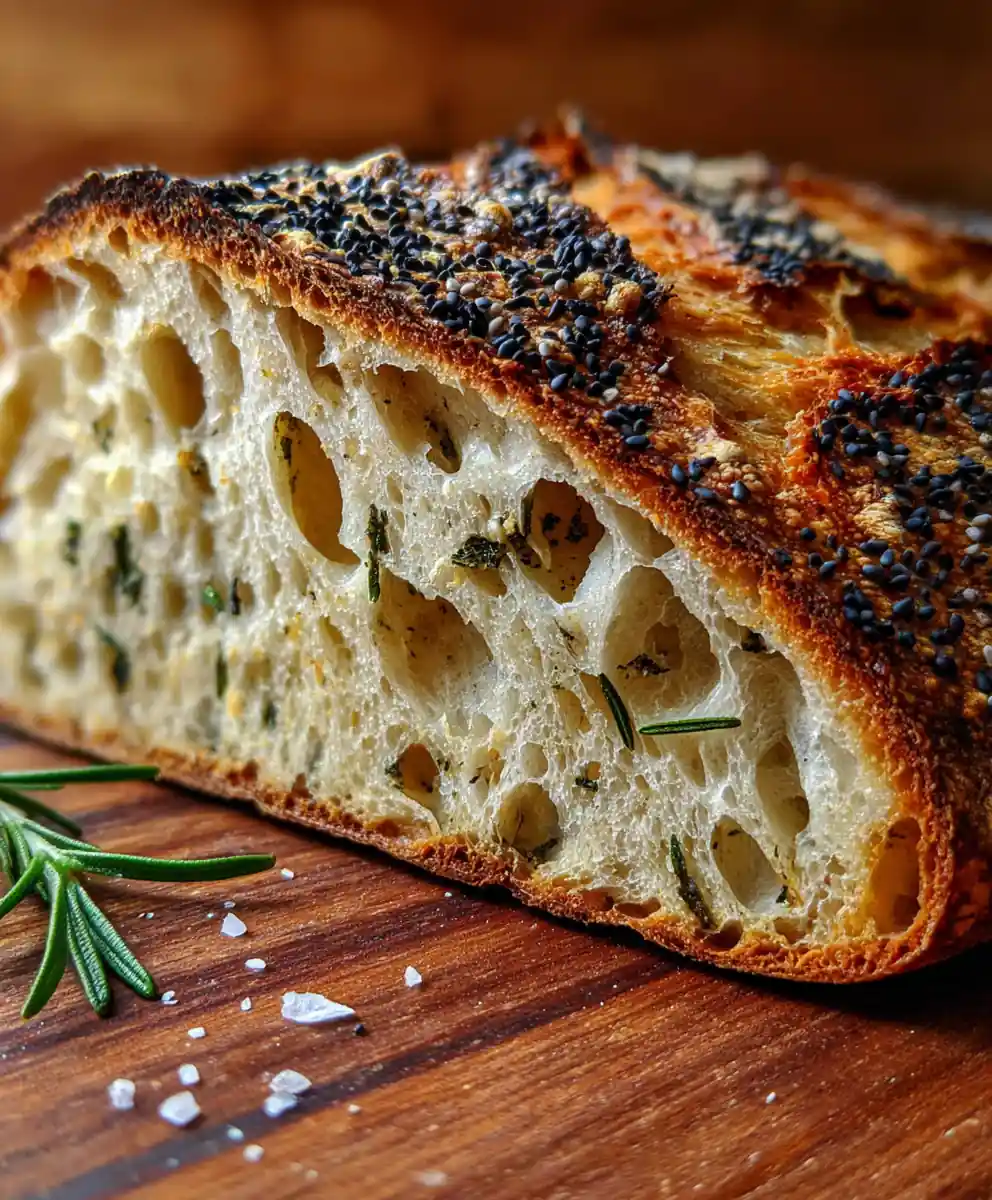
Visual Cue: The crust should be dark and caramelized for optimal flavor.
A deep, rich golden-brown, almost caramelized crust on your sourdough boule indicates maximum flavor development and a satisfying crunch. Don’t be afraid of a dark bake!
9. Cool Completely (2-3 hours)
Carefully remove the boule from the Dutch oven and transfer it to a wire rack to cool completely for at least 2-3 hours before slicing. Resist the urge to slice early; this crucial cooling time allows the internal crumb to set properly and prevents a gummy interior, ensuring the perfect texture for your family-friendly bread.
Best Ways to Enjoy Your Sourdough Boule
Once you’ve baked that beautiful loaf, the real fun begins: enjoying it! This versatile bread fits seamlessly into daily meals and shines on special occasions.
- Everyday Uses: The ultimate bread for daily toast, hearty sandwiches, or served alongside warming soups and stews. It’s perfect for family meal prep ideas by slicing and freezing your freshly baked sourdough boule.
- Special Occasions: Your homemade loaf makes a stunning centerpiece for brunch, holiday gatherings, or as a thoughtful, wholesome gift from your kitchen.
- Pairings:
- Classic: Good quality olive oil, flaky sea salt, fresh butter.
- Savory: Avocado toast, elegant cheese boards, bruschetta with garden tomatoes.
- Sweet: Your favorite jam, honey, or a smear of chocolate hazelnut spread.
- Drinks: Coffee or tea for a cozy start to your day.
Nutrition & Everyday Wellness with Sourdough Boule
Beyond its delicious taste, baking your own sourdough offers excellent benefits for your health and family’s well-being.
- Gut-Friendly Fermentation: The long fermentation process breaks down starches and gluten, potentially making sourdough easier to digest than regular bread. It’s a great choice for those seeking healthy eating options.
- Wholesome Ingredients: Made simply from flour, water, salt, and starter – you control every element. This means no preservatives or additives, making it ideal for healthy recipes for dinner.
- Sustained Energy: Sourdough’s complex carbohydrates provide a slow, steady release of energy. This helps you feel fuller longer, supporting a balanced and active lifestyle.
- Balanced Meals: It provides a fantastic base for protein-rich toppings, turning a simple slice into an easy high-protein meal or a satisfying snack.
How This Recipe Solves Common Needs
Making bread from scratch can feel daunting, but this sourdough boule recipe addresses everyday family challenges head-on, delivering convenience and quality.
- Budget-Friendly Meals: Baking your own sourdough boule is far cheaper than buying artisanal loaves, saving money on wholesome family meals without sacrificing taste.
- Convenience & Make-Ahead: With its cold proofing, you can bake your sourdough boule when it fits your schedule, making it a perfect family meal prep idea for busy weeknights.
- Healthier Eating: You control the ingredients, ensuring a wholesome, nutritious bread for your family’s table. It supports a healthy lifestyle by avoiding commercial additives.
Expert Pointers and Smart Variations
Elevate your baking with these tried-and-true tips and explore easy ways to customize your loaf.
Cooking Tricks
- Scoring: Use a sharp lame or razor blade for beautiful “ears” and controlled oven spring. A clean, quick cut makes all the difference.
- Steam: For extra crispiness without a Dutch oven, place a tray of hot water at the bottom of the oven during baking. This creates a steamy environment.
- Faster Prep: Use warmer water (80-85°F / 27-29°C) during bulk fermentation to speed things up. Alternatively, proof at room temperature for a shorter period, but watch it closely.
Adjustments for Family/Kid Preferences
- Softer Crust: Reduce the covered bake time slightly if your family prefers a less crusty loaf.
- Flavor Boost: Add herbs like rosemary or cheese like cheddar for a savory loaf. My kids, for instance, love it when I sprinkle a little shredded cheddar cheese right before the final shaping; it creates a delicious cheesy crust they devour for quick meals.
Allergy-Friendly Tweaks
- Gluten-Free Sourdough: Substitute bread flour with a 1:1 gluten-free bread flour blend (e.g., replace 450g bread flour with 450g GF blend). Results may vary, adjust water as needed to reach desired consistency. Note: Ensure your starter is also fed with gluten-free flour.
Common Questions About Sourdough Boule
“Can I freeze sourdough boule for later?”
Yes! Once completely cooled, slice or keep whole, wrap tightly in plastic and foil, and freeze for up to 3 months. Thaw slices at room temperature or toast directly from frozen for a convenient breakfast. Reheat whole loaves in a 350°F (175°C) oven for 10-15 minutes.
“What’s the healthiest way to make sourdough boule?”
For a healthier loaf, use whole grain flours like whole wheat, maintain an active, well-fed starter, and avoid adding unnecessary sugars or fats. This yields a more nutritious and wholesome bread for your family.
“Which ingredients are best for meal prepping this recipe?”
High-quality bread flour for structure and an active, well-fed starter for consistent results are key when planning this recipe for meal prep. Using filtered water also contributes to a happier starter and better final product.
“My dough isn’t rising, what went wrong?”
This often indicates an inactive starter or insufficient bulk fermentation time. Ensure your starter is very active and bubbly before using it. I find that placing it in a slightly warm spot can help wake it up for a stronger rise.
“How do I get a super crispy crust on my homemade bread?”
A hot Dutch oven and adequate steam during the first part of baking are crucial for a deep, crunchy crust. Preheat your Dutch oven thoroughly and consider spraying the dough with water before baking for an extra crisp layer.
“Can I make a smaller sourdough boule?”
Absolutely, just scale all ingredients proportionally. A smaller loaf might need slightly less baking time. Adjust by checking for a deep golden-brown crust and an internal temperature of 200-210°F (93-99°C).
“What’s the difference between a boule and a batard?”
A boule is a classic round loaf, while a batard is an oval shape. Both use similar dough for a versatile sourdough bread. The choice often comes down to personal preference or what best fits your serving needs.
Conclusion
Baking your own sourdough boule is a rewarding journey that fills my home with incredible aromas and your table with wholesome goodness. It’s simpler than you think to achieve that perfect crust and chewy interior for healthy eating. Go ahead, give this easy sourdough boule recipe a try tonight! Save this recipe to Pinterest for quick access to delicious, family-friendly meals anytime.
Print
sourdough boule recipe
- Total Time: 1060 minutes
- Yield: 1 large loaf (approx 8 servings) 1x
- Diet: Vegan
Description
This recipe guides you through baking a perfect, crusty sourdough boule from scratch, emphasizing its deeply satisfying process and delicious results. It’s designed to be approachable for both beginners and experienced bakers, yielding a wholesome, family-friendly loaf infused with rosemary and lemon.
Ingredients
- 400 g strong bread flour
- 100 g whole wheat flour
- 350 g warm water (86-90F)
- 100 g active sourdough starter (100% hydration)
- 10 g fine sea salt
- 15 g fresh rosemary, finely chopped
- Zest of 1 medium lemon (approx 2 teaspoons)
- 15 g black sesame seeds, plus extra for garnish
- 2 g flaky sea salt, for garnish
Instructions
- Feed Sourdough Starter: Feed your sourdough starter 8-12 hours before beginning, ensuring it is vibrant, active, doubled in size, and very bubbly.
- Prepare Autolyse: In a large mixing bowl, combine 400 g strong bread flour, 100 g whole wheat flour, and 330 g of the warm water. Mix until no dry flour remains and a shaggy dough forms. Cover and let rest for 30-60 minutes for hydration.
- Mix Dough Ingredients: Add 100 g active sourdough starter, the remaining 20 g warm water, 10 g fine sea salt, 15 g finely chopped fresh rosemary, and 2 teaspoons lemon zest to the dough. Mix thoroughly by hand for 5-7 minutes, squeezing and folding until all ingredients are well incorporated and the dough feels cohesive and slightly sticky.
- Perform Bulk Fermentation: Cover the bowl and allow the dough to bulk ferment for 4-6 hours at room temperature (72-75F). During the first 2-3 hours, perform 4-5 sets of stretch and folds every 30-45 minutes; gently stretch one side of the dough up and over itself, rotate the bowl, and repeat three more times.
- Pre-Shape Dough: After bulk fermentation, gently turn the aerated, puffy dough onto a lightly floured surface. Preshapethe dough into a loose round, creating gentle surface tension. Let it rest, uncovered, for 20 minutes to relax.
- Shape Boule: Lightly dust your work surface with flour. Gently reshape the dough into a tight boule, building significant surface tension for a good rise. Lightly moisten the top surface with water and sprinkle 15 g black sesame seeds evenly over it, gently pressing them in to adhere.
- Cold Proof Dough: Transfer the dough, seam-side up and sesame-seed side down, into a floured banneton or a bowl lined with a floured kitchen towel. Cover with a plastic bag or shower cap and refrigerate for 12-16 hours for cold proofing.
- Preheat Oven And Bake: Preheat your oven to 475F (240C) with a Dutch oven inside for 45-60 minutes until very hot. Carefully remove the hot Dutch oven, invert the cold dough (sesame-seed side up) into it, and score the top with a sharp razor blade. Cover and bake for 20 minutes. Remove the lid, reduce oven temperature to 450F (230C), and continue baking for another 25-30 minutes, or until the crust is deep golden brown and the internal temperature is 205-210F (96-99C).
- Cool Baked Boule: Carefully remove the boule from the Dutch oven and transfer it to a wire rack. Cool completely for at least 2-3 hours before slicing to allow the internal crumb to set properly and prevent a gummy interior.
Notes
Filtered water is recommended for healthy starter activity. If you don’t have a banneton, a generously floured kitchen towel-lined bowl works well for proofing. All-purpose flour can be used instead of bread flour for a softer loaf. For a bolder flavor, you can increase whole wheat flour to 150g (reducing bread flour by 50g). When performing stretch and folds, moisten your hands with water if the dough is too sticky. Aim for a deep golden-brown, caramelized crust for optimal flavor and crunch. Allow the bread to cool completely for 2-3 hours on a wire rack to ensure the crumb sets properly and avoid a gummy interior.
- Prep Time: 40 minutes
- Cook Time: 50 minutes
- Category: Bread
- Method: Baking
- Cuisine: General
Nutrition
- Serving Size: 1 slice (approx 110 g)
- Calories: 250 calories
- Sugar: 1 g
- Sodium: 600 mg
- Fat: 2 g
- Saturated Fat: 0.5 g
- Unsaturated Fat: 1.5 g
- Trans Fat: 0 g
- Carbohydrates: 50 g
- Fiber: 3 g
- Protein: 9 g
- Cholesterol: 0 mg
Keywords: sourdough, boule, bread, baking, homemade, crusty, rosemary, lemon, sesame, easy
FREE PRINTABLE RECIPE
Get the Printable Recipe PDF (Free)
Enter your email and we’ll send you the ingredients + step-by-step instructions as a clean PDF you can save to your phone.
- ✅ Printable PDF (ingredients + steps)
- ✅ Save it to your phone (no long scrolling)
- ✅ Includes cook time + servings
- ✅ Easy to follow
FAQ
Where’s the full recipe?
It’s delivered as a printable PDF so you can save it and cook without scrolling.
I didn’t get the email.
Check Spam/Promotions and search your inbox for your site name. Then click Confirm to receive the PDF.