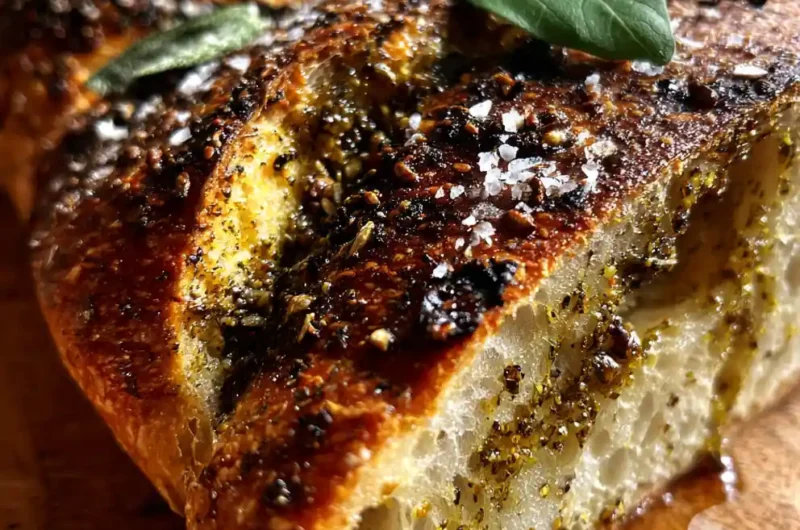
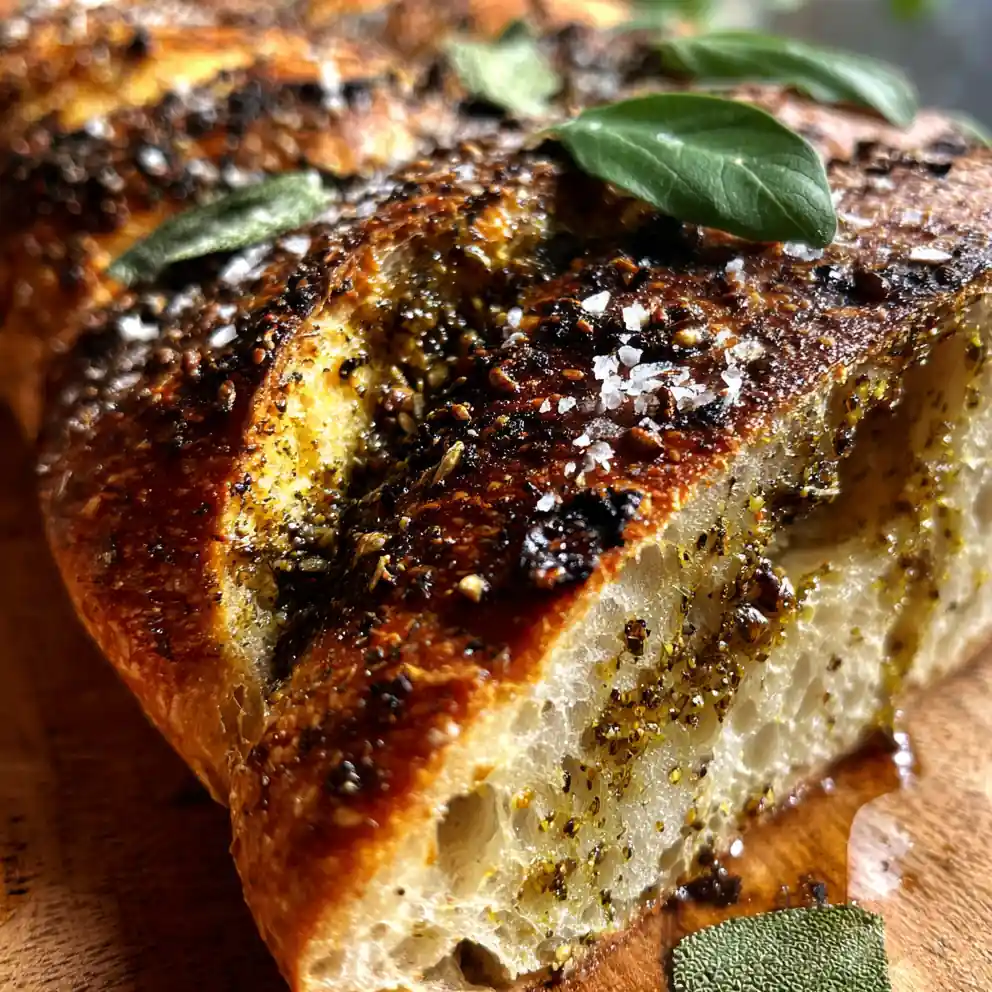
I’ve always found such immense satisfaction in baking a warm, crusty loaf of bread from scratch. That unmistakable aroma of a golden, deeply browned crust and a soft, airy interior filling my kitchen is pure joy. This easy french loaf recipe transforms simple ingredients into a bakery-worthy masterpiece, even on your busiest days. It’s the ultimate family-friendly bread that will make every meal feel special. My favorite go-to is this easy french loaf recipe, especially with the Za’atar swirl. With years of perfecting simple, delicious breads, I’m excited to share a foolproof method that brings the joy of homemade bread to your table. On busy weeknights, a fresh french loaf with dinner just elevates everything.
What You’ll Need (Ingredients & Their Roles)
Crafting a delicious french loaf recipe starts with understanding your ingredients. Whether you’re making a classic french loaf recipe or this unique Za’atar version, using quality components makes all the difference for healthy, homemade meals.
- 400 g (3 ¼ cups) bread flour, plus more for dusting: Provides the strong gluten structure needed for that characteristic chewy crumb and crisp crust.
- 100 g (¾ cup + 2 tablespoons) whole wheat flour: Adds a wonderful, nutty flavor and a boost of fiber. You can swap this for all bread flour if you prefer a lighter loaf, but I love the depth it adds.
- 350 ml (1 ½ cups) warm water (38-43°C / 100-110°F): Essential for activating the yeast and creating a workable dough; aim for lukewarm water, not hot, to keep the yeast happy.
- 7 g (2 ¼ teaspoons) active dry yeast: The leavening agent that gives our french loaf its airy texture and rise. If you only have instant yeast, you can use it directly without initial proofing.
- 10 g (1 ¾ teaspoons) fine sea salt: Crucial for flavor development, enhancing all the other ingredients, and strengthening the gluten structure. Consider organic flour for fewer additives, and you can reduce salt slightly if watching intake.
- 2 tablespoons extra virgin olive oil, divided, plus more for drizzle: Adds a lovely richness, helps with dough elasticity, and is key for creating the internal Za’atar swirl. I always keep a high-quality extra virgin olive oil on hand.
- 2 tablespoons Za’atar spice blend: For an incredible aromatic, tangy, and earthy flavor swirl throughout the bread; it’s a game-changer for this french loaf recipe.
- 1 teaspoon flaky sea salt, for garnish: Provides a beautiful, textural finish and a burst of savory flavor on top.
- Fresh oregano leaves, for garnish: A simple yet vibrant garnish for a pop of color and a fresh herbaceous aroma.
Most of these ingredients are pantry staples, available year-round for your convenience. Remember to store flours in airtight containers to maintain freshness.
Cooking Method, Simplified
Baking this delicious french loaf is simpler than you might think, making it a perfect addition to your family-friendly meal prep. Starting this french loaf recipe with proper hydration and careful shaping sets the stage for success.
- Combine Initial Ingredients (30 minutes): In a large bowl, mix the bread flour, whole wheat flour, and warm water until just combined, ensuring no dry spots remain. Cover with a clean kitchen towel and let the shaggy dough rest for 30 minutes; this allows the flours to fully hydrate in an important step called autolyse.
- Add Yeast & Knead (5-7 minutes): Sprinkle the active dry yeast and fine sea salt over the rested dough. Knead by hand in the bowl for 5-7 minutes until the dough feels smooth and elastic. Using a stand mixer with a dough hook for 5 minutes on medium-low speed is a great shortcut for busy cooks, watching for the dough to pull cleanly away from the sides of the bowl.
- First Rise (1.5-2 hours): Lightly oil a clean bowl with 1 tablespoon of olive oil. Transfer the dough to the oiled bowl, turning it to coat. Cover with plastic wrap or a damp towel and let it proof in a warm spot until it has visibly doubled in size and feels airy. If your kitchen is cool, place the bowl in a slightly warm (turned off) oven with the light on to encourage rising.
- Shape & Swirl (10-15 minutes): Gently turn the dough out onto a lightly floured surface and deflate it slightly. Shape it into a rough rectangle, then drizzle with the remaining 1 tablespoon of olive oil and sprinkle evenly with 1 tablespoon of Za’atar spice blend. Tightly roll the dough into a log from one of the long edges, pinching the seam closed and gently rolling to about 35-40 cm (14-16 inches) long, tapering the ends to form your french loaf. This step is key for shaping your ideal french loaf recipe.
- Second Rise & Preheat Oven (45-60 minutes): Carefully transfer the shaped french loaf to a baking sheet lined with parchment paper. Cover loosely with a damp towel and let it proof for 45-60 minutes, until it has increased by about 50% and feels puffy to the touch for this specific french loaf recipe. During this time, preheat your oven to 230°C (450°F) with a baking stone or heavy baking sheet inside, and place an empty oven-safe pan on the bottom rack for steam.
- Score & Garnish (Quick): Carefully transfer the proofed loaf to the preheated baking stone. Using a sharp knife or a lame, make 3-4 diagonal slashes across the top of the loaf; this allows for beautiful expansion during baking. Sprinkle the remaining 1 tablespoon of Za’atar evenly over the top.
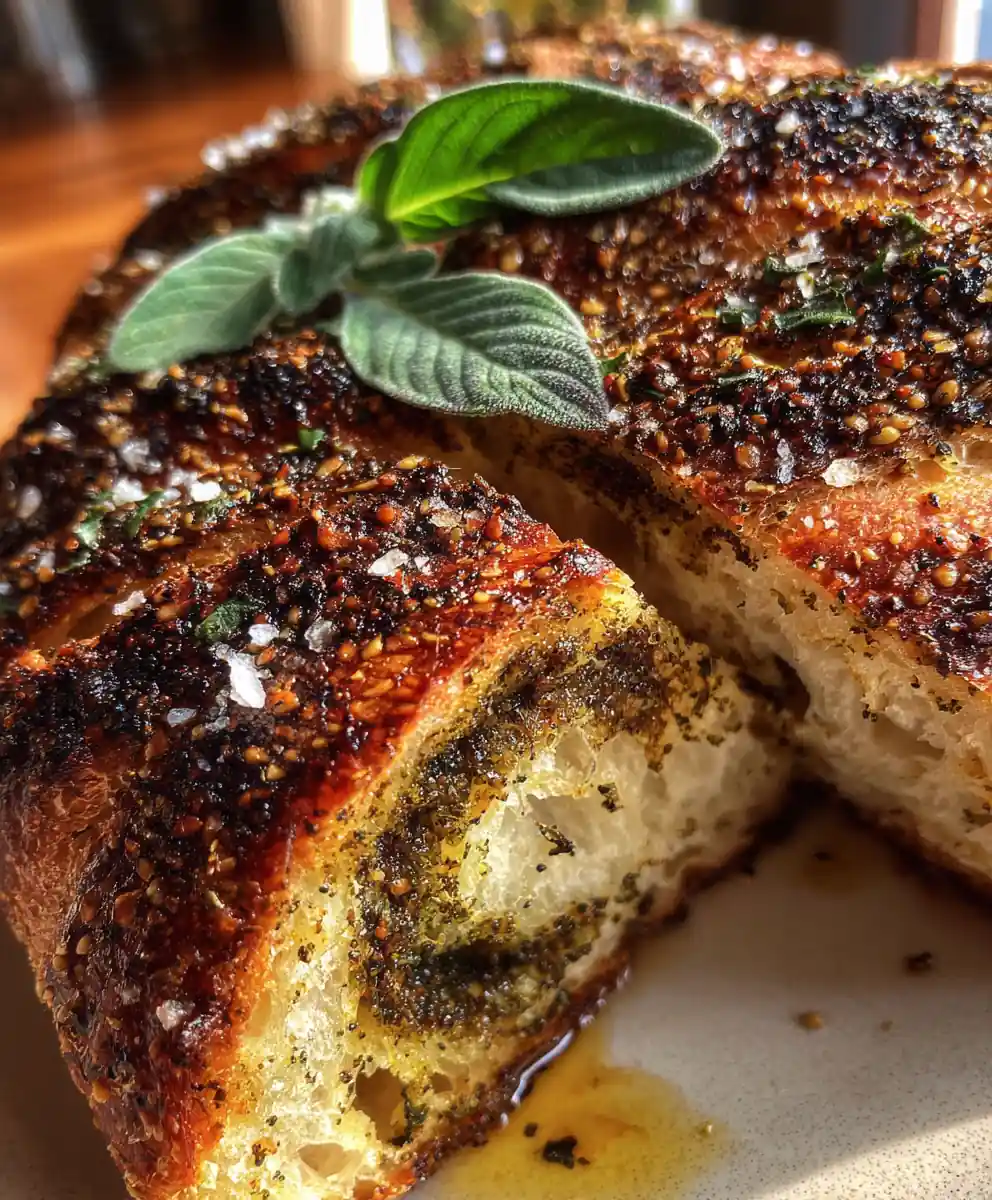
- Bake to Perfection (35-40 minutes): Pour 1 cup (240ml) of hot water into the empty pan on the bottom rack to create crucial steam for a crispy crust; quickly close the oven door. Bake for 20 minutes at 230°C (450°F), then reduce the oven temperature to 200°C (390°F), remove the steam pan, and continue baking for another 15-20 minutes until the crust is deeply golden brown and sounds hollow when tapped for your perfect french loaf recipe.
Common mistakes can easily be avoided when making homemade bread:
- Over-kneading: Dough becomes tough; stop when it is smooth and elastic.
- Not enough steam: Results in a soft crust instead of a crispy one; use a spray bottle or ice cubes for steam in the oven.
- Incorrect water temperature: Too hot kills the yeast, too cold won’t activate it effectively.
Perfect Moments to Serve Your Homemade French Loaf
This easy homemade bread is incredibly versatile for any meal. It’s ideal for a cozy Sunday dinner alongside soup or pasta, making family meals feel extra special. It also shines for holiday entertaining, perfect with a charcuterie or cheese board.
Occasion-specific tweaks
For a simple change, transform your loaf into flavorful garlic bread: just slice, spread with garlic butter, and bake for 10-15 minutes until golden. It’s also an excellent base for hearty subs or open-faced sandwiches, and stale bread cubes make delicious croutons.
Pairing ideas: sides, sauces, drinks
- Soups and stews (lentil soup, beef stew)
- Pasta dishes with rich sauces (marinara, alfredo)
- Dips and spreads (hummus, olive tapenade)
Nutrition and Wellness Benefits of Homemade Bread
Tie your homemade French loaf to balanced eating
Baking your own bread offers great control over ingredients, making it perfect for healthy eating. It provides complex carbohydrates for sustained energy and helps you avoid unwanted preservatives often found in store-bought options.
Link to popular diets and healthy eating
This French bread is naturally vegan-friendly, requiring no dairy or eggs. It fits well into healthy family meals and can be customized for dietary needs, like opting for lower sodium.
Everyday Practical Benefits
How this french loaf recipe helps with time savings, affordability, or convenience
Making your own bread is far more cost-effective than buying artisanal loaves from a bakery, saving you money and trips. The active prep time for this french loaf recipe is surprisingly minimal, with much of the process being hands-off.
Points showing how it fits modern lifestyles
This recipe is great for quick meals with its active prep under 30 minutes. It stores well for several days, or you can freeze it beautifully for future convenience, making it ideal for meal prep recipes.
Expert Tips and Flavor Upgrades
Techniques to improve taste, texture, or presentation
For an extra crispy crust, use steam baking by spraying water into your oven during the first few minutes. Score the top deeply with a sharp knife to allow for beautiful expansion.
Add seasoning or spice profiles for variety
You can easily elevate your homemade French bread with herbs; try adding dried rosemary or thyme to the dough for an aromatic twist. Sometimes, when my kids are helping, we’ll press a few olives into the top of the dough right before baking for a savory surprise.
Dietary or allergy adjustments for safety and inclusivity
For gluten-free options, use a trusted gluten-free bread flour blend, though texture may vary. Always ensure all ingredients are certified allergen-free if you are catering to specific sensitivities.
Common Questions Answered
Is this french loaf recipe suitable for a low-carb diet?
Traditional French bread is inherently higher in carbohydrates. While experimenting with low-carb flour substitutes is possible, the texture and rise will differ significantly from a classic loaf. For those following low-carb lifestyles, it’s best enjoyed as an occasional treat in controlled portions.
What’s the best way to store this french loaf recipe for meal prep?
Once your loaf has cooled, store it in a paper bag at room temperature for 1-2 days. For longer meal prep, wrap tightly and freeze for up to 3 months. Thaw at room temperature or re-crisp in a 350°F (175°C) oven.
Can I make this french loaf recipe without a stand mixer?
Absolutely! This recipe is very rewarding when kneaded by hand. It requires a bit more physical effort, taking about 10-15 minutes to develop the gluten properly. I often find the tactile process of hand-kneading quite therapeutic and enjoy the connection to the dough.
How do I get a super crispy crust with this french loaf recipe?
The secret to a truly crispy crust for homemade French bread is creating steam in your oven. You can achieve this by spraying water into the oven cavity during the initial baking, or by placing a metal pan with hot water on the bottom rack.
What are some good dipping oils for this french loaf recipe?
This recipe pairs wonderfully with a high-quality extra virgin olive oil. Enhance it further by infusing with minced garlic, a splash of balsamic vinegar, or fresh herbs like basil and oregano for a simple, elegant starter.
My french loaf recipe didn’t rise, what went wrong?
Several factors can prevent your homemade French bread from rising. Common issues include expired yeast, water that was either too hot or too cold, or insufficient kneading to develop gluten. Always check your yeast freshness and water temperature before baking.
Ready to fill your home with the incredible aroma of freshly baked bread? This easy french loaf recipe delivers bakery-quality deliciousness, perfect for quick meals and healthy eating. Save this family-friendly recipe to your Pinterest board and enjoy your perfect French loaf tonight!
Print
french loaf recipe
- Total Time: 272 minutes
- Yield: 1 loaf (12 slices) 1x
- Diet: General
Description
This easy French loaf recipe transforms simple ingredients into a bakery-worthy masterpiece, offering a warm, crusty loaf with a soft, airy interior. It’s a family-friendly bread that can elevate any meal, especially with the unique addition of a Za’atar swirl.
Ingredients
- 400 g (3.25 cups) bread flour, plus more for dusting
- 100 g (0.875 cups) whole wheat flour
- 350 ml (1.5 cups) warm water (38-43C / 100-110F)
- 7 g (2.25 teaspoons) active dry yeast
- 10 g (1.75 teaspoons) fine sea salt
- 2 tablespoons extra virgin olive oil, divided, plus more for drizzle
- 2 tablespoons Za’atar spice blend
- 1 teaspoon flaky sea salt, for garnish
- Fresh oregano leaves, for garnish
- 1 cup hot water, for steam
Instructions
- Combine Initial Ingredients: In a large bowl, mix the bread flour, whole wheat flour, and warm water until just combined with no dry spots. Cover and let the shaggy dough rest for 30 minutes to hydrate the flours (autolyse).
- Add Yeast and Knead: Sprinkle the active dry yeast and fine sea salt over the rested dough. Knead by hand in the bowl for 5-7 minutes until the dough feels smooth and elastic. (Alternatively, use a stand mixer with a dough hook for 5 minutes on medium-low speed.)
- First Rise: Lightly oil a clean bowl with 1 tablespoon of olive oil. Transfer the dough, turning to coat, then cover with plastic wrap or a damp towel. Let it proof in a warm spot for 1.5-2 hours until visibly doubled and airy. (A slightly warm, turned off oven with the light on can encourage rising.)
- Shape and Swirl: Gently turn the dough onto a lightly floured surface and deflate slightly. Shape into a rough rectangle. Drizzle with the remaining 1 tablespoon of olive oil and sprinkle evenly with 1 tablespoon of Za’atar spice blend. Tightly roll the dough into a log from one long edge, pinching the seam closed, and gently roll to about 35-40 cm (14-16 inches) long, tapering the ends.
- Second Rise and Preheat Oven: Carefully transfer the shaped loaf to a baking sheet lined with parchment paper. Cover loosely with a damp towel and let it proof for 45-60 minutes, until it has increased by about 50 percent and feels puffy. During this time, preheat your oven to 230C (450F) with a baking stone or heavy baking sheet inside, and place an empty oven-safe pan on the bottom rack for steam.
- Score and Garnish: Carefully transfer the proofed loaf to the preheated baking stone. Using a sharp knife or lame, make 3-4 diagonal slashes across the top. Sprinkle the remaining 1 tablespoon of Za’atar evenly over the top.
- Bake to Perfection: Pour 1 cup of hot water into the empty pan on the bottom rack to create steam, then quickly close the oven door. Bake for 20 minutes at 230C (450F). Reduce the oven temperature to 200C (390F), remove the steam pan, and continue baking for another 15-20 minutes until the crust is deeply golden brown and sounds hollow when tapped.
Notes
Store the cooled loaf at room temperature, tightly wrapped, for up to 3 days or freeze for longer storage. Avoid common mistakes like over-kneading (stop when dough is smooth and elastic), insufficient steam (essential for a crispy crust), and incorrect water temperature (too hot kills yeast, too cold won’t activate it).
- Prep Time: 25 minutes
- Cook Time: 40 minutes
- Category: Bread
- Method: Baking
- Cuisine: French
Nutrition
- Serving Size: 1 slice (70 g)
- Calories: 200 calories
- Sugar: 1 g
- Sodium: 350 mg
- Fat: 7 g
- Saturated Fat: 1 g
- Unsaturated Fat: 6 g
- Trans Fat: 0 g
- Carbohydrates: 30 g
- Fiber: 3 g
- Protein: 6 g
- Cholesterol: 0 mg
Keywords: French loaf, Za’atar, homemade bread, easy bread, baking, family-friendly, crusty, savory, whole wheat
FREE PRINTABLE RECIPE
Get the Printable Recipe PDF (Free)
Enter your email and we’ll send you the ingredients + step-by-step instructions as a clean PDF you can save to your phone.
- ✅ Printable PDF (ingredients + steps)
- ✅ Save it to your phone (no long scrolling)
- ✅ Includes cook time + servings
- ✅ Easy to follow
FAQ
Where’s the full recipe?
It’s delivered as a printable PDF so you can save it and cook without scrolling.
I didn’t get the email.
Check Spam/Promotions and search your inbox for your site name. Then click Confirm to receive the PDF.