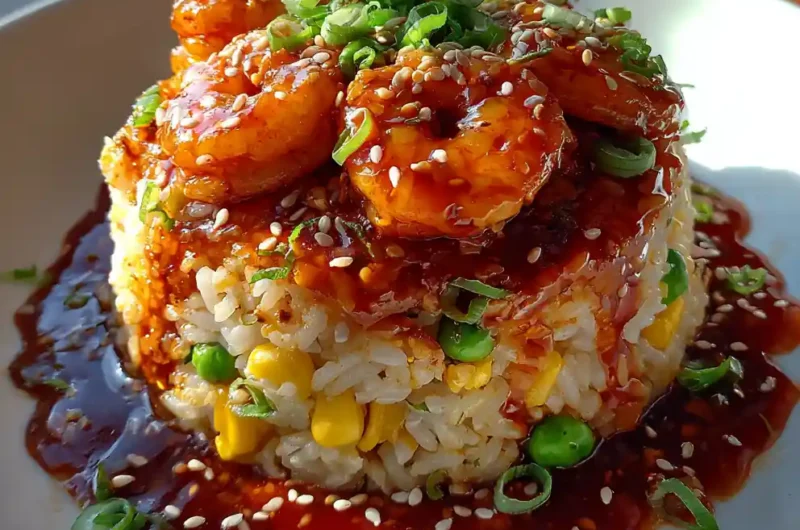
I’ve found that a truly satisfying homemade meal doesn’t have to be complicated, especially when it involves this incredible shrimp fried rice recipe. The savory aromas, perfectly tender shrimp, and vibrant colors of this dish come together for a quick, hearty meal that beats any takeout. This easy shrimp fried rice is my go-to for busy weeknights when my family craves something delicious, fast, and packed with flavor.
Ingredient Highlights and Smart Substitutions
Crafting the perfect shrimp fried rice recipe starts with understanding your ingredients. Each component plays a vital role in achieving that sought-after texture and rich flavor profile.
- Shrimp: 450 g (1 lb) large shrimp, peeled, deveined, tails on or off (I usually keep them on for presentation). The star protein, quick-cooking and delicious, delivering a lean, high-protein punch.
- Day-old cooked jasmine rice: 450 g (3 cups), cold. This is essential for the best texture; it prevents a mushy mess by ensuring the grains are separate and slightly firm.
- Eggs: 2 large, lightly beaten. Scrambled in for extra protein and richness, breaking into tender, golden pieces.
- Neutral cooking oil: 60 ml (4 tablespoons), divided. For a crisp texture and even cooking without overpowering other flavors.
- Yellow onion & Carrots: 60 g (1/2 cup) finely diced each. These add natural sweetness and a tender crunch.
- Frozen peas & corn: 60 g (1/2 cup) each, thawed. They provide bursts of sweetness and contrasting color. (Or whatever veggies you have on hand like finely chopped bell peppers if that’s what’s in the fridge).
- Minced garlic & Grated fresh ginger: 15 g (1 tablespoon) each. The aromatic foundation for a vibrant, fresh flavor punch.
- Gochujang (Korean chili paste): 45 ml (3 tablespoons). This paste offers a unique spicy-sweet Korean kick that defines our Gochujang-glazed shrimp.
- Maple syrup: 30 ml (2 tablespoons). Balances the Gochujang with a touch of sweetness.
- Rice vinegar: 15 ml (1 tablespoon). Adds a subtle tang to the glaze.
- Alcohol-free soy sauce: 15 ml (1 tablespoon) for glaze, plus 30 ml (2 tablespoons) for fried rice. The backbone of flavor, providing savory depth. (Use tamari or coconut aminos for a gluten-free option).
- Water: 30 ml (2 tablespoons). Thins the Gochujang glaze to the right consistency.
- Toasted sesame oil: 5 ml (1 teaspoon) for fried rice. Adds an irresistible nutty aroma and finish.
- White pepper: 2.5 ml (1/2 teaspoon). A classic touch for authentic fried rice flavor.
- Scallions & Toasted sesame seeds: For garnish. They provide freshness, visual appeal, and a delightful textural contrast.
Rice Types
- White rice: Classic choice for its light texture and mild flavor, allowing other ingredients to shine.
- Brown rice: A healthy whole-grain upgrade for extra fiber and nutrients, offering a chewier texture.
Veggie Options
- Frozen stir-fry mix: A fantastic time-saver, pre-chopped and ready to go for quick meals.
- Fresh bell peppers, broccoli, or mushrooms: These add extra freshness and allow you to customize the flavor and nutrient profile.
Smart Swaps
- Low-sodium soy sauce: For a healthier option that manages sodium intake without sacrificing taste.
- Tamari or coconut aminos: Great gluten-free alternatives that maintain the savory depth of soy sauce.
Easy Cooking Instructions Step by Step
Follow these clear steps to create a truly delicious shrimp fried rice recipe, perfect for any family dinner.
- Prep Your Ingredients (5 minutes): Ensure your day-old jasmine rice is cold and separated to prevent stickiness. Chop any fresh veggies, including yellow onion, carrots, and scallions. Thoroughly thaw your shrimp if frozen and pat them very dry with paper towels; this helps them sear beautifully. In a small bowl, whisk together the Gochchujang, maple syrup, rice vinegar, 15 ml (1 tablespoon) alcohol-free soy sauce, and water to make your vibrant Gochujang glaze.
- Scramble the Eggs (2 minutes): Heat 15 ml (1 tablespoon) of neutral cooking oil in a large wok or 12-inch skillet over medium-high heat until it shimmers. Add the beaten eggs and scramble them until just set and still tender, breaking them into small pieces. Remove the cooked egg from the pan and set it aside.
- Cook the Gochujang-Glazed Shrimp (2-3 minutes): Add another 15 ml (1 tablespoon) of neutral cooking oil to the same wok. Add the dried shrimp and cook for 1-2 minutes per side, until they turn pink and are just cooked through. Pour about half of the prepared Gochujang glaze over the shrimp, tossing to coat. Continue cooking for another 30 seconds until the glaze thickens slightly and coats the shrimp beautifully. Remove the glazed shrimp from the pan and set aside, reserving any remaining glaze for drizzling later. This method gives our shrimp fried rice its unique character.
- Sauté Veggies (3-5 minutes): Add the remaining 30 ml (2 tablespoons) of neutral cooking oil to the wok. Add the finely diced yellow onion and carrots, stir-fry for 2-3 minutes until they begin to soften and become fragrant. Next, add the minced garlic and grated ginger, stir-frying for just 1 minute until their aroma fills your kitchen.
- Introduce the Rice (3-5 minutes): Add the cold day-old jasmine rice to the wok, using your spatula to break up any clumps. Stir-fry for 3-5 minutes, pressing the rice against the hot surface occasionally to encourage browning and ensure it heats through evenly. If your rice seems to stick too much, add a tiny splash more oil to keep it moving. For a shortcut on a busy night, I sometimes use pre-cooked, refrigerated rice pouches, which work wonderfully for this shrimp fried rice recipe.
- Combine and Season (2 minutes): Add the thawed peas and corn, the scrambled egg, and the Gochujang-glazed shrimp back into the wok. Pour in the 30 ml (2 tablespoons) alcohol-free soy sauce and 5 ml (1 teaspoon) toasted sesame oil, then sprinkle with 2.5 ml (1/2 teaspoon) white pepper. Toss everything together vigorously until all ingredients are well combined and thoroughly heated, ensuring a glossy finish. For a low-carb alternative, use riced cauliflower instead of traditional rice, adjusting cooking time slightly until tender-crisp.
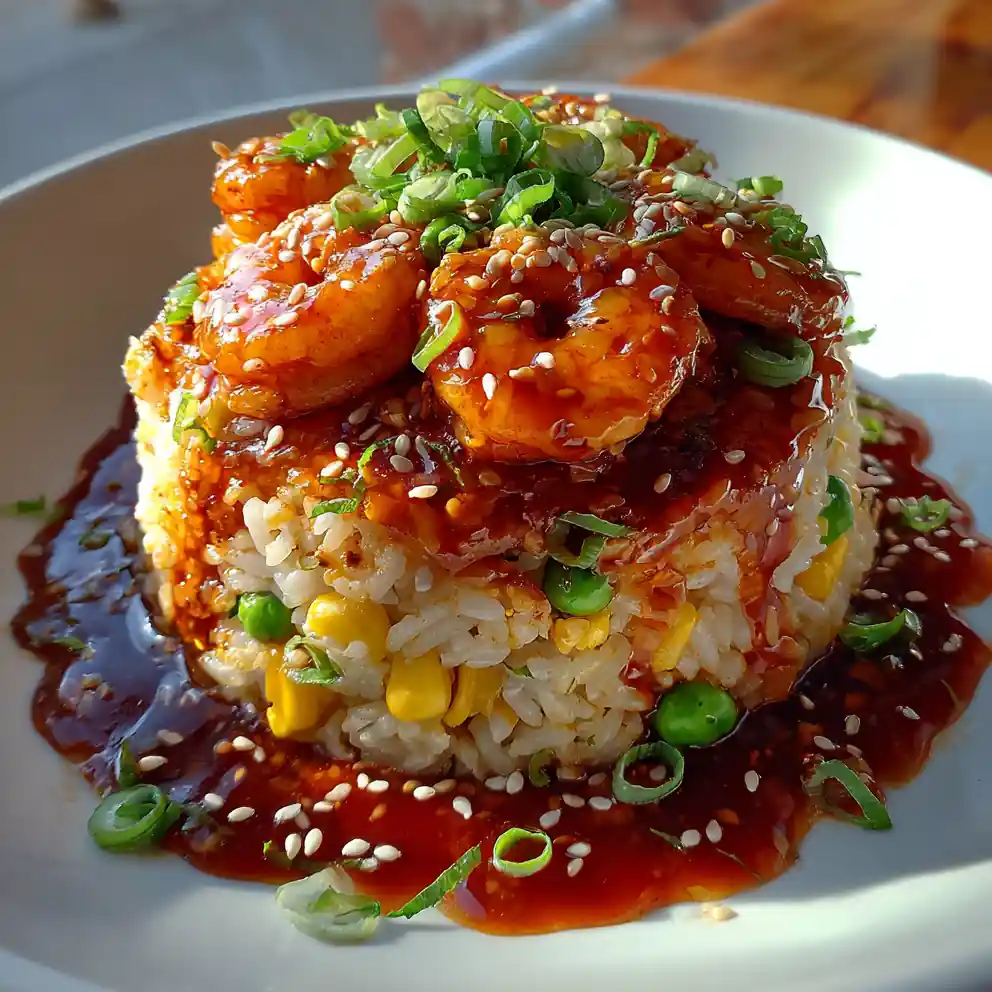
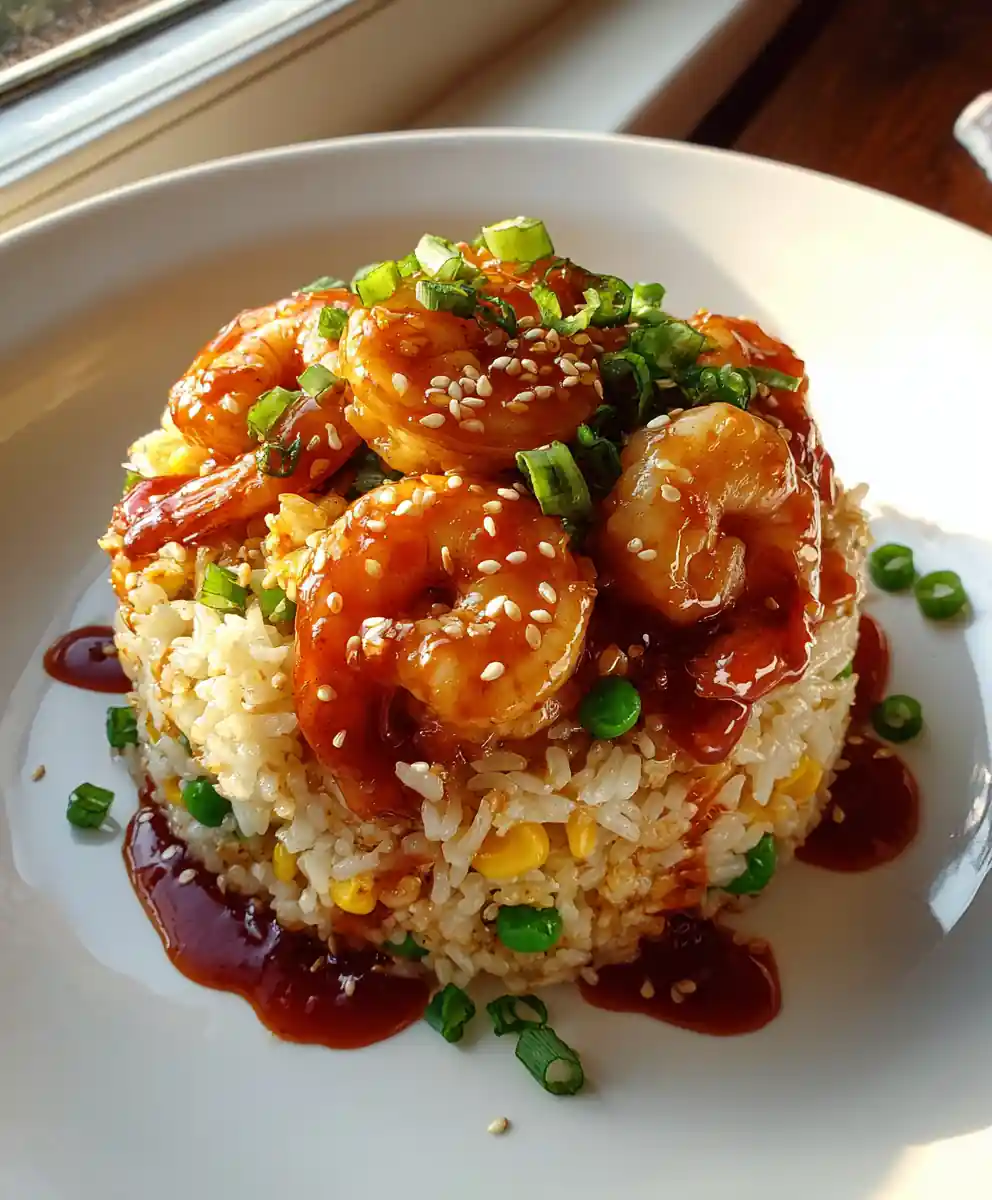
- Garnish and Serve: Spoon the shrimp fried rice into a shallow, wide ceramic bowl or onto a clean white plate. Gently mound the rice in the center, prominently displaying those glossy, reddish Gochujang-glazed shrimp on top. Drizzle the reserved Gochujang glaze in a visually appealing zigzag pattern over the entire dish. Garnish generously with thinly sliced fresh scallions and a sprinkle of toasted sesame seeds for contrasting color and texture before serving. This is truly a family-friendly dish!
Everyday Uses and Storage Advice
This easy shrimp fried rice recipe shines for a variety of occasions, making it a true kitchen hero. It’s perfect for quick weeknight dinners when time is short, and it scales beautifully for meal prep lunches, providing healthy, satisfying options all week long.
- Best moments to serve: Ideal for busy weeknights, preparing ahead for work or school lunches, a reliable dish for an easy potluck contribution, or a satisfying weekend meal without much fuss.
- Creative serving suggestions and pairings: Serve your shrimp fried rice with a side of crispy spring rolls, a bowl of steamed edamame, or a simple cucumber salad. A dash of sriracha adds a nice kick, and extra green onions bring a fresh finish.
- Storage and reheating guidance: For leftovers, store in an airtight container in the fridge for up to 3-4 days. For longer storage, portion into freezer-safe containers and freeze for up to 1 month. Reheat gently in a skillet over medium heat or in the microwave until heated through, adding a splash of water if it seems dry.
Wellness & Lifestyle Benefits of Shrimp Fried Rice
Our homemade shrimp fried rice recipe offers fantastic benefits for a healthier lifestyle. It’s a balanced dish packed with good-for-you ingredients that support your daily goals, proving that takeout flavors can be wholesome and easy.
- Healthy recipes for families: Packed with lean protein from shrimp and eggs, fiber, and essential vitamins from a generous mix of veggies, it’s a truly balanced meal for all ages.
- Quick meal prep ideas: This is an excellent choice for meal prep recipes; easily scale up the shrimp fried rice recipe for multiple servings, perfect for prepping lunches for the week ahead, saving precious time.
- Nutritious snacks: A small portion of this hearty dish can also be a satisfying and energizing high-protein snack, keeping you full until your next meal.
- Easy dinner solutions: With minimal cleanup and a quick cooking time, it’s an ideal solution for busy evenings, allowing you more time with your family.
Recipe Value for Your Daily Goals
Embracing this homemade shrimp fried rice recipe can significantly impact your daily routines, offering tangible benefits that extend beyond the plate. It helps you stay on track with both time and wellness goals.
- Saving time: This dish is faster than ordering takeout, often ready in under 30 minutes, freeing up your evenings.
- Saving money: Making your own shrimp fried rice is significantly cheaper than ordering delivery for the whole family, helping your budget.
- Eating healthier: You control the ingredients, meaning less sodium, better quality oils, and more fresh vegetables compared to restaurant versions, making it a truly healthy meal.
- Versatility: Easily adapt the shrimp fried rice recipe with different proteins or seasonal vegetables, keeping meals exciting and preventing food waste.
Expert Tips, Variations, and Safety Notes
Achieving restaurant-quality results with your homemade shrimp fried rice recipe is simpler than you think. A few expert tips and thoughtful adjustments can elevate your cooking and cater to various dietary needs.
- Cooking tips to perfect taste and texture: Always use a very hot wok or a large 10-inch skillet to get that desirable ‘wok hei’ (breath of the wok) and prevent steaming. Don’t overcrowd the pan; cook ingredients in batches if necessary. I’ve learned from experience that a truly hot pan is the secret to achieving those coveted crispy bits on the rice, so don’t be afraid to crank up the heat!
- Flavor variations and regional twists: Add a pinch of white pepper or chili flakes for a subtle heat. Try pineapple chunks for a sweet and savory Hawaiian-inspired twist. Experiment with different proteins like chicken or tofu for variety, or add some fresh basil for an aromatic twist.
- Allergy or diet adjustments where relevant: For a shellfish allergy, simply swap the shrimp for cooked chicken breast or firm tofu, cut into small cubes. If you have a soy allergy, use coconut aminos instead of soy sauce for a similar umami depth.
FAQs About Shrimp Fried Rice
Can I prepare shrimp fried rice ahead of time?
You can definitely prep ingredients like chopping veggies and cooking your rice a day or two in advance. For the best flavor and texture, I recommend cooking the full shrimp fried rice recipe just before serving.
Is shrimp fried rice suitable for a high-protein diet?
Absolutely! The shrimp fried rice recipe is naturally high in protein from shrimp and eggs. You can easily boost the protein further by increasing the amount of shrimp and eggs, or by adding extra protein-rich ingredients like edamame.
What are the best sides to serve with shrimp fried rice?
Crispy egg rolls, a refreshing cucumber salad, steamed bok choy with garlic, or even a light hot and sour soup are all wonderful complements. These options round out the meal beautifully.
Can I use fresh rice instead of day-old?
While day-old, chilled rice is definitely preferred for its drier texture, if fresh rice is all you have, spread it thinly on a baking sheet and chill it in the fridge for an hour to help dry it out.
How do I make shrimp fried rice less salty?
Use low-sodium soy sauce as a starting point, and always taste as you go, adding more only if truly needed. I always taste my soy sauce blend before adding it to ensure the perfect balance, adjusting with a dash of water if it seems too strong.
What kind of shrimp works best for fried rice?
Medium-sized (26/30 count), peeled, and deveined shrimp are ideal for this shrimp fried rice recipe. They cook quickly and are easy to eat, integrating perfectly into the dish without being too overwhelming.
This easy shrimp fried rice recipe proves that homemade can be healthier, faster, and more delicious than any takeout option. It’s a versatile, budget-friendly meal that your family will ask for again and again, making busy weeknights a breeze. Pin this recipe for later or, better yet, try it tonight and savor those amazing flavors!
Print
shrimp fried rice recipe
- Total Time: 25 minutes
- Yield: 4 servings 1x
- Diet: General
Description
This easy shrimp fried rice recipe combines savory shrimp, day-old rice, and vibrant vegetables with a unique spicy-sweet Gochujang glaze for a quick, hearty, and flavorful weeknight meal that surpasses takeout.
Ingredients
- 450 g (1 lb) large shrimp, peeled, deveined, tails on or off
- 450 g (3 cups) day-old cooked jasmine rice, cold
- 2 large eggs, lightly beaten
- 60 ml (4 tablespoons) neutral cooking oil, divided
- 60 g (0.5 cup) finely diced yellow onion
- 60 g (0.5 cup) finely diced carrots
- 60 g (0.5 cup) frozen peas, thawed
- 60 g (0.5 cup) frozen corn, thawed
- 15 g (1 tablespoon) minced garlic
- 15 g (1 tablespoon) grated fresh ginger
- 45 ml (3 tablespoons) Gochujang (Korean chili paste)
- 30 ml (2 tablespoons) maple syrup
- 15 ml (1 tablespoon) rice vinegar
- 45 ml (3 tablespoons) alcohol-free soy sauce, divided
- 30 ml (2 tablespoons) water
- 5 ml (1 teaspoon) toasted sesame oil
- 2.5 ml (0.5 teaspoon) white pepper
- Scallions, for garnish
- Toasted sesame seeds, for garnish
Instructions
- Prep Ingredients: Ensure day-old jasmine rice is cold and separated. Chop any fresh veggies. Thoroughly thaw and pat shrimp very dry. In a small bowl, whisk together the Gochujang, maple syrup, rice vinegar, 15 ml (1 tablespoon) alcohol-free soy sauce, and water to make your Gochujang glaze.
- Scramble Eggs: Heat 15 ml (1 tablespoon) of neutral cooking oil in a large wok or 12-inch skillet over medium-high heat. Add the beaten eggs and scramble until just set and still tender, breaking them into small pieces. Remove cooked egg from the pan and set aside.
- Cook Glazed Shrimp: Add another 15 ml (1 tablespoon) of neutral cooking oil to the same wok. Add the dried shrimp and cook for 1-2 minutes per side, until pink and just cooked through. Pour about half of the prepared Gochujang glaze over the shrimp, tossing to coat. Continue cooking for another 30 seconds until the glaze thickens slightly. Remove glazed shrimp from the pan and set aside, reserving any remaining glaze for drizzling.
- Sauté Veggies: Add the remaining 30 ml (2 tablespoons) of neutral cooking oil to the wok. Add the finely diced yellow onion and carrots, stir-fry for 2-3 minutes until they begin to soften. Next, add the minced garlic and grated ginger, stir-frying for just 1 minute until aromatic.
- Introduce Rice: Add the cold day-old jasmine rice to the wok, using your spatula to break up any clumps. Stir-fry for 3-5 minutes, pressing the rice against the hot surface occasionally to encourage browning and ensure it heats through evenly.
- Combine and Season: Add the thawed peas and corn, the scrambled egg, and the Gochujang-glazed shrimp back into the wok. Pour in the 30 ml (2 tablespoons) alcohol-free soy sauce and 5 ml (1 teaspoon) toasted sesame oil, then sprinkle with 2.5 ml (0.5 teaspoon) white pepper. Toss vigorously until all ingredients are well combined and thoroughly heated, ensuring a glossy finish.
- Garnish and Serve: Spoon the shrimp fried rice into a shallow bowl or onto a plate, mounding it in the center. Drizzle the reserved Gochujang glaze in a zigzag pattern over the dish. Garnish generously with thinly sliced fresh scallions and a sprinkle of toasted sesame seeds before serving.
Notes
Day-old cold jasmine rice is essential for the best texture, preventing a mushy mess. Pat shrimp very dry to ensure a beautiful sear. For a low-carb alternative, use riced cauliflower instead of traditional rice, adjusting cooking time slightly until tender-crisp.
- Prep Time: 5 minutes
- Cook Time: 20 minutes
- Category: Main Course
- Method: Stir-frying
- Cuisine: Korean
Nutrition
- Serving Size: 1.5 cups (approx 250 g)
- Calories: 500 calories
- Sugar: 12 g
- Sodium: 850 mg
- Fat: 18 g
- Saturated Fat: 4 g
- Unsaturated Fat: 14 g
- Trans Fat: 0 g
- Carbohydrates: 50 g
- Fiber: 3 g
- Protein: 30 g
- Cholesterol: 240 mg
Keywords: shrimp fried rice, easy, weeknight, Korean, Gochujang, stir-fry, family-friendly, quick, savory, takeout style
FREE PRINTABLE RECIPE
Get the Printable Recipe PDF (Free)
Enter your email and we’ll send you the ingredients + step-by-step instructions as a clean PDF you can save to your phone.
- ✅ Printable PDF (ingredients + steps)
- ✅ Save it to your phone (no long scrolling)
- ✅ Includes cook time + servings
- ✅ Easy to follow
FAQ
Where’s the full recipe?
It’s delivered as a printable PDF so you can save it and cook without scrolling.
I didn’t get the email.
Check Spam/Promotions and search your inbox for your site name. Then click Confirm to receive the PDF.