I’m always looking for easy dinner ideas that feel like a treat without taking hours in the kitchen.
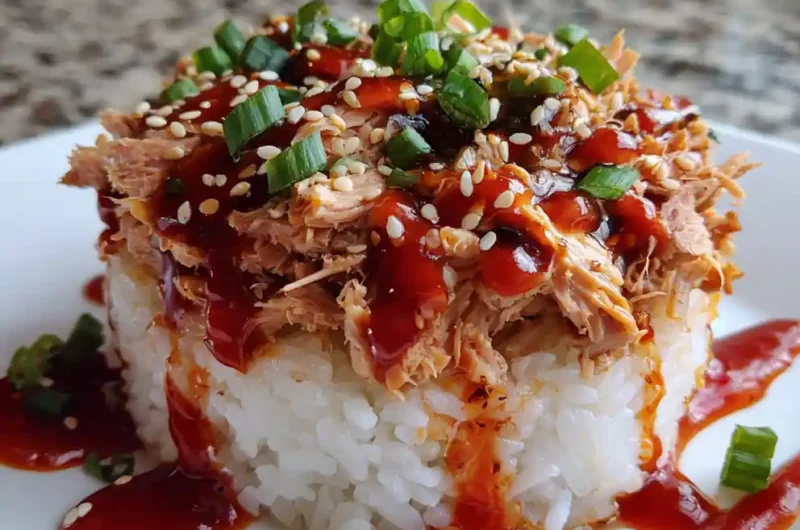
This spicy tuna rice bowl recipe is my go-to when I need a healthy, high-protein snack or a quick family dinner. The creamy gochujang drizzle delivers a vibrant red pop of color and a flavor punch that transforms basic canned tuna into something truly special.
We’re taking basic pantry staples—canned tuna and white rice—and turning them into a satisfying, flavor-packed meal that rivals restaurant takeout. This recipe is designed for maximum flavor impact with minimal effort, featuring a creamy gochujang sauce that adds a delicious kick for family-friendly weeknights.
Ingredients
- Short-Grain White Rice: 200 g (1 cup) of short-grain white rice provides a sticky, slightly chewy texture that holds up well in a rice bowl format. Rinse the rice thoroughly under cold water before cooking to remove excess starch, which prevents clumping. If short-grain rice isn’t available, medium-grain rice (like Calrose) works as a good substitute.
- Water for Cooking Rice: 360 ml (1 ½ cups) of water is precisely measured for the 1 cup of short-grain rice to ensure a perfect steamed result. Using the correct water-to-rice ratio is crucial for achieving fluffy, separate grains without being too dry or mushy for this tuna rice bowl.
- Canned Skipjack Tuna: 2 x 140 g cans (5 oz each) of skipjack tuna in water, thoroughly drained to avoid excess liquid in the tuna mixture. Skipjack tuna offers a clean flavor profile that blends well with the spicy sauce, and tuna packed in olive oil can be used for a richer flavor (though draining will be different).
- Mayonnaise: 60 g (4 tablespoons) of mayonnaise, divided between the tuna mixture and the gochujang drizzle. The mayonnaise adds a creamy richness to both components, binding the tuna flakes and tempering the heat of the gochujang in the sauce. For a lighter option, use light mayonnaise, or for a non-dairy option, a high-quality vegan mayonnaise.
- Green Onions: 2 green onions, thinly sliced, divided for both the tuna mix and the garnish. Green onions add a fresh, slightly pungent flavor that cuts through the richness of the tuna and mayonnaise. Use both the white and light green parts in the tuna mix for full flavor, reserving the dark green parts for garnish.
- Rice Vinegar: 15 ml (1 tablespoon) of alcohol-free rice vinegar, divided between the tuna mix and the spicy drizzle. Rice vinegar adds a light acidity that balances the richness of the mayonnaise and the savory notes of the soy sauce in this tuna rice bowl recipe.
- Soy Sauce or Tamari: 5 ml (1 teaspoon) provides savory, umami flavor to the tuna mixture. Tamari can be used as a gluten-free alternative to soy sauce, offering a similar depth of flavor. Adjust according to preference; start with a small amount as canned tuna already has some salinity.
- Granulated Sugar: 2.5 ml (½ teaspoon) of sugar for the tuna mixture. The sugar balances the acidity of the vinegar and the saltiness of the soy sauce, creating a well-rounded flavor profile for this family dinner.
- Gochujang: 30 g (2 tablespoons) of gochujang (Korean chili paste), which forms the base of the spicy drizzle. Gochujang provides a sweet, spicy, and savory flavor profile that is distinct from other chili pastes; adjust the amount based on desired heat level for this tuna rice bowl.
- Toasted Sesame Oil: 5 ml (1 teaspoon) of toasted sesame oil for the spicy drizzle. Toasted sesame oil adds a strong, nutty aroma and flavor; do not use non-toasted sesame oil, as the flavor profile is different.
- Honey or Maple Syrup: 5 ml (1 teaspoon) provides a slight sweetness to balance the heat of the gochujang in the drizzle. Maple syrup provides a vegan option to honey and works as an excellent substitute without altering the flavor significantly.
- Water for Drizzle: 15 ml (1 tablespoon) of water for thinning the drizzle to a pourable consistency. The water helps create a smooth sauce texture and prevents the gochujang from being too thick.
- Toasted Sesame Seeds: 15 g (1 tablespoon) for garnish, adding a nutty flavor and crunchy texture. Toasting the sesame seeds first intensifies their flavor, but you can use untoasted seeds in a pinch.
- Nori Strips: 1 sheet of nori (seaweed), cut into thin strips for garnish (optional). Nori adds a savory, ocean-like flavor that complements the tuna perfectly. Use kitchen scissors to easily cut the nori sheet into thin strips or small pieces.
Instructions
- Cook the Rice: Start by rinsing 200 g (1 cup) of short-grain rice under cold water until the water runs completely clear to remove excess starch. Combine the rinsed rice and 360 ml (1 ½ cups) water in a medium saucepan with a tight-fitting lid. Bring the water to a boil, then immediately reduce the heat to the lowest setting, cover the pot tightly, and simmer for 15-18 minutes, or until all water has been absorbed by the rice. Remove from heat and let stand, covered, for 10 minutes to finish steaming before fluffing with a fork.
- Prepare the Tuna Mix: While the rice is cooking or resting, prepare the tuna mixture in a medium bowl. Combine the thoroughly drained tuna, 30 g (2 tablespoons) mayonnaise, half of the thinly sliced green onions, 7.5 ml (½ tablespoon) rice vinegar, 5 ml (1 teaspoon) soy sauce (or tamari), and 2.5 ml (½ teaspoon) granulated sugar. Mix gently until all ingredients are just combined; avoid over-mixing, as this can make the tuna mushy and diminish its flaky texture. I always make sure the tuna isn’t totally mashed here; keeping some texture makes the bowl feel more substantial.
- Create the Spicy Gochujang Drizzle: In a separate small bowl, whisk together the gochujang, remaining 30 g (2 tablespoons) mayonnaise, 5 ml (1 teaspoon) toasted sesame oil, 5 ml (1 teaspoon) honey (or maple syrup), remaining 7.5 ml (½ tablespoon) rice vinegar, and 15 ml (1 tablespoon) water. Continue whisking vigorously until the sauce is completely smooth and creamy with no lumps. Adjust consistency by adding a few more drops of water if necessary for a thick, pourable sauce. If the sauce seems too thick, add a few extra drops of water until it easily coats a spoon.
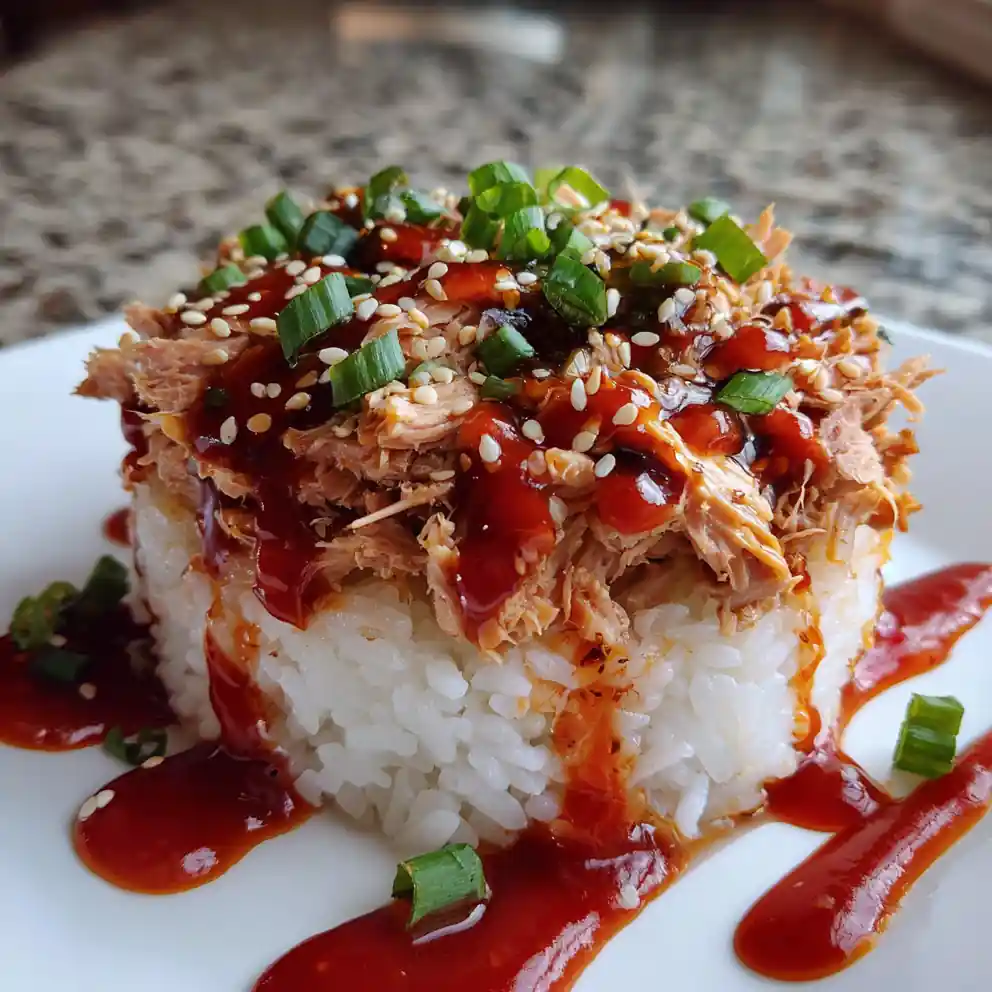
- Assemble the Bowls: Divide the hot, fluffy rice evenly between two wide, shallow bowls, creating a slight mound in the center for a beautiful presentation of the tuna rice bowl. Spoon an equal portion of the prepared tuna mix over the rice in each bowl, arranging it attractively on top of the rice. Using a spoon or squeeze bottle, generously drizzle the vibrant red Spicy Gochujang Drizzle over the tuna and rice in a zigzag pattern, allowing it to pool and streak across the components for visual impact.
- Garnish and Serve: Finish by sprinkling the toasted sesame seeds and the remaining thinly sliced green onions over each bowl. If desired, arrange a few strips of nori alongside the tuna for an extra layer of flavor and texture. Serve immediately in wide ceramic bowls to highlight the color and texture of the sauce and maximize visual appeal for this simple tuna rice bowl recipe.
Gochujang Sauce Variations and Swaps
This spicy gochujang sauce can be easily customized to fit specific dietary needs or flavor preferences. The combination of sweet, savory, and spicy elements makes it versatile for a range of uses beyond just this recipe.
Adjusting the heat level
To make the sauce milder, reduce the gochujang to 1 tablespoon and add extra mayonnaise to maintain creaminess. For a spicier kick, add a pinch of gochugaru (Korean chili flakes) or a dash of sriracha; this increases the heat without altering the sauce texture. You can also add a small amount of kimchi liquid for a fermented, spicy kick.
Vegan or non-mayonnaise options
For a non-dairy option, use a quality vegan mayonnaise. If you want to use less mayonnaise, plain Greek yogurt or sour cream provide a similar creamy texture with a tangy twist. I find that using Greek yogurt instead of mayonnaise adds a pleasant tanginess, a common tweak for a healthier tuna rice bowl.
Adding extra flavor
To add an aromatic layer to the sauce, stir in 1 teaspoon of grated fresh ginger or garlic. These additions complement the sweet heat of the gochujang without overpowering the delicate flavor of the tuna.
Make-Ahead Tips and Meal Prep Ideas
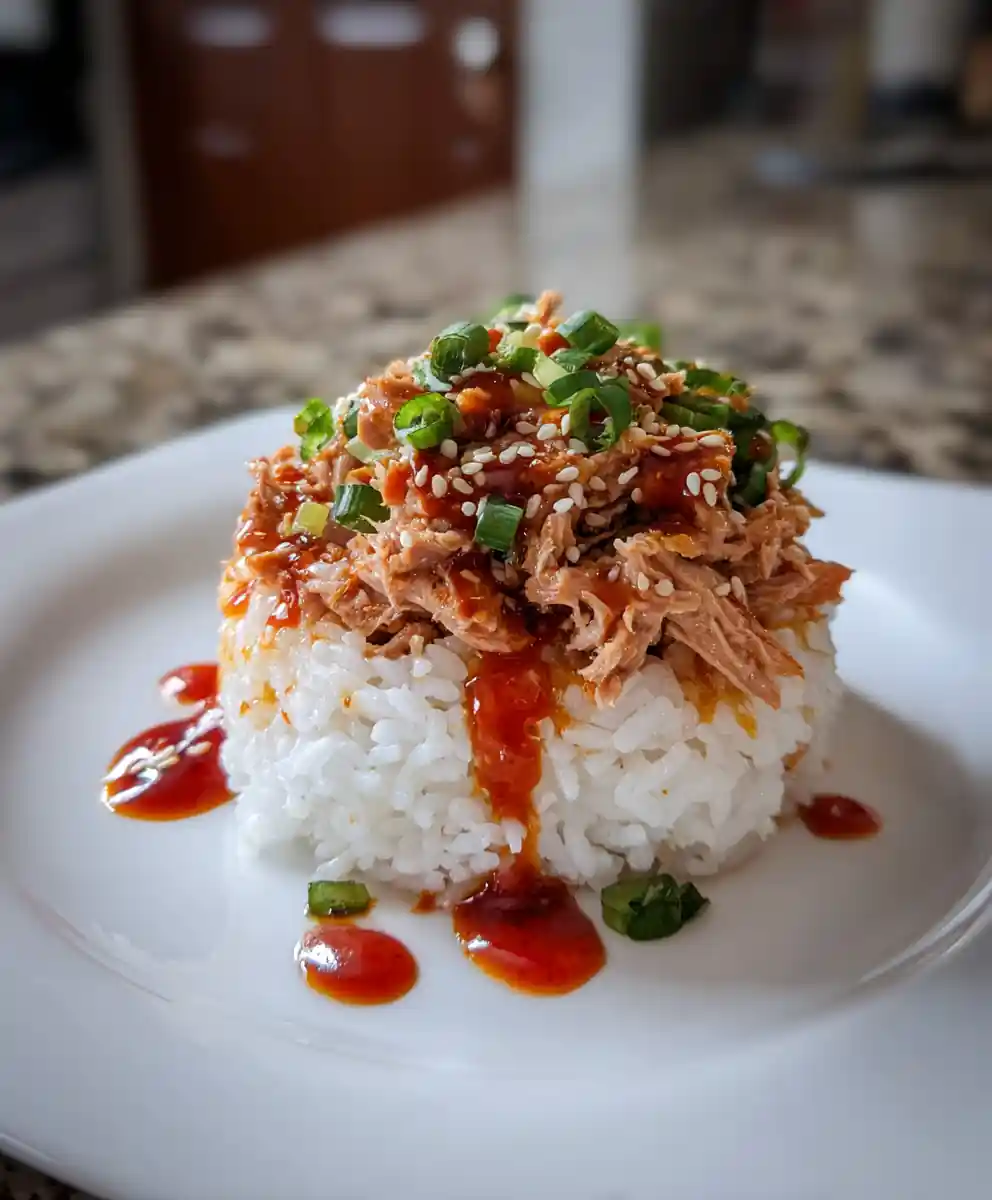
One of the best features of this recipe is how easily it adapts to meal preparation for a busy week. You can prepare most of the components on Sunday, store them separately, and assemble the spicy tuna rice bowl recipe in minutes during the week.
Store components separately
The cooked rice can be prepared ahead and stored in an airtight container for up to 3 days in the refrigerator. The spicy gochujang drizzle and the tuna mix can also be stored separately in airtight containers in the refrigerator for up to 2 days. For best results, mix the tuna just before serving to maintain its fresh texture.
Reheating rice
Reheat the pre-cooked rice in the microwave by sprinkling it with a few drops of water and covering it with a damp paper towel to maintain moisture. Alternatively, heat it on the stovetop with a little water until warm. Avoid reheating the full assembled bowl, as it can make the tuna rubbery and change the texture of the sauce.
Assembly for quick lunches
Prepare the rice and sauce on Sunday and portion them into individual meal prep containers. Add the fresh tuna mix just before eating to ensure maximum freshness and texture. This makes it easy to enjoy a fresh, healthy lunch in minutes during a busy day.
FAQs about Tuna Rice Bowls
What kind of rice is best for a rice bowl?
Short-grain sushi rice provides the ideal sticky texture to hold the toppings together, which is essential for a Japanese-style bowl. Medium-grain rice like Calrose also works well. Long-grain varieties (like Basmati or Jasmine) can be used, but they result in a drier, less cohesive bowl experience for this specific tuna rice bowl recipe.
Can I use other types of canned fish instead of tuna?
Yes, canned salmon is an excellent substitute for tuna, offering a richer flavor and similar texture. Canned sardines or mackerel can also be used for a stronger flavor profile, but ensure they are thoroughly drained and mashed. This variation of a tuna rice bowl recipe with salmon is a popular family-friendly alternative.
How do I reheat a rice bowl without drying out the ingredients?
For the best experience, reheat only the rice component in the microwave or on the stovetop. Reheating the tuna mix and sauce can change their texture and flavor. Assemble the bowl with fresh or room temperature components right before serving, or if reheating the entire bowl, do so gently in 30-second intervals in the microwave.
How spicy is gochujang?
Gochujang offers a moderate, palatable heat level, typically less intense than sriracha. The heat is balanced by distinct sweet and savory notes. In this recipe, the mayonnaise and honey further temper the heat level, making this tuna rice bowl recipe suitable for most families.
Can I make this with fresh tuna instead of canned?
Yes, you can quickly sear fresh tuna steaks (or use raw, sushi-grade tuna) for an elevated version. For seared tuna, season and quickly cook for 1-2 minutes per side, then slice and place over the rice. For raw tuna, cut into cubes and marinate lightly in soy sauce before placing on the rice.
What other toppings can I add to a tuna rice bowl?
Toppings like sliced avocado (for creaminess), pickled ginger or cucumber (for tanginess), or a fried egg (for extra protein) all complement this recipe. I often add quick-pickled cucumbers and sliced avocado to balance the creaminess of my spicy tuna rice bowl. Adding kimchi enhances the overall Korean flavor profile.
Conclusion
This spicy tuna rice bowl recipe proves that a quick pantry meal can be incredibly flavorful and satisfying. With a simple preparation process and a homemade sauce that packs a punch, it’s the perfect solution for busy weeknights when you need something delicious on the table fast. Pin this recipe and try it next time you need a new take on canned tuna, and watch it become a family favorite.
Print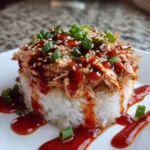
tuna rice bowl recipe
- Total Time: 35 minutes
- Yield: 2 bowls 1x
- Diet: general
Description
A healthy, high-protein tuna rice bowl featuring basic pantry staples and a creamy gochujang drizzle. This quick and easy recipe transforms canned tuna into a flavorful, satisfying meal perfect for weeknights.
Ingredients
- 1 cup short-grain white rice
- 1.5 cups water (for cooking rice)
- 2 cans (5 oz each) skipjack tuna in water, drained
- 4 tablespoons mayonnaise, divided
- 2 green onions, thinly sliced and divided
- 1 tablespoon rice vinegar, divided
- 1 teaspoon soy sauce or tamari
- 0.5 teaspoon granulated sugar
- 2 tablespoons gochujang (Korean chili paste)
- 1 teaspoon toasted sesame oil
- 1 teaspoon honey or maple syrup
- 1 tablespoon water (for drizzle)
- 1 tablespoon toasted sesame seeds, for garnish
- 1 nori sheet, cut into strips for garnish (optional)
Instructions
- Prepare the Rice: Rinse the short-grain rice under cold water until clear. Combine rice and water in a saucepan, bring to a boil, then reduce heat to low. Cover tightly and simmer for 15-18 minutes until absorbed. Let stand, covered, for 10 minutes before fluffing.
- Make the Tuna Mixture: While the rice cooks, combine drained tuna, 2 tablespoons of mayonnaise, half of the green onions, half of the rice vinegar, soy sauce, and sugar in a bowl. Mix gently until ingredients are just combined, ensuring not to over-mix the tuna.
- Prepare Spicy Drizzle: In a separate small bowl, whisk together the gochujang, remaining 2 tablespoons mayonnaise, toasted sesame oil, honey (or maple syrup), remaining rice vinegar, and 1 tablespoon water. Whisk until smooth and creamy; adjust thickness with extra water if needed.
- Assemble Rice Bowls: Divide the hot rice between two bowls. Top each portion with an equal amount of the prepared tuna mixture. Drizzle generously with the spicy gochujang sauce.
- Garnish and Serve: Finish with toasted sesame seeds, the remaining green onions, and optional nori strips. Serve immediately.
Notes
To avoid over-mixing the tuna and preserve its texture, gently fold the ingredients together. If the gochujang drizzle is too thick, add a few extra drops of water until it reaches a pourable consistency.
- Prep Time: 10 minutes
- Cook Time: 25 minutes
- Category: main dish
- Method: stovetop
- Cuisine: korean
Nutrition
- Serving Size: 1 bowl
- Calories: 480 kcal
- Sugar: 10 g
- Sodium: 700 mg
- Fat: 24 g
- Saturated Fat: 3 g
- Unsaturated Fat: 21 g
- Trans Fat: 0 g
- Carbohydrates: 35 g
- Fiber: 1 g
- Protein: 32 g
- Cholesterol: 15 mg
Keywords: Spicy Tuna Rice Bowl, Gochujang, Korean, Easy Dinner, High Protein, Quick Meal, Weeknight Dinner, Canned Tuna
FREE PRINTABLE RECIPE
Get the Printable Recipe PDF (Free)
Enter your email and we’ll send you the ingredients + step-by-step instructions as a clean PDF you can save to your phone.
- ✅ Printable PDF (ingredients + steps)
- ✅ Save it to your phone (no long scrolling)
- ✅ Includes cook time + servings
- ✅ Easy to follow
FAQ
Where’s the full recipe?
It’s delivered as a printable PDF so you can save it and cook without scrolling.
I didn’t get the email.
Check Spam/Promotions and search your inbox for your site name. Then click Confirm to receive the PDF.