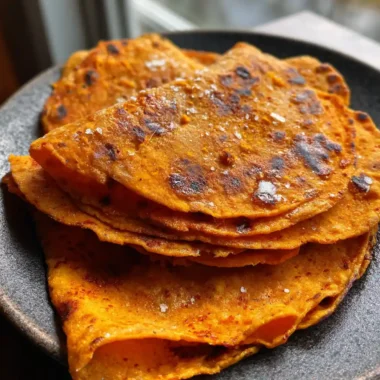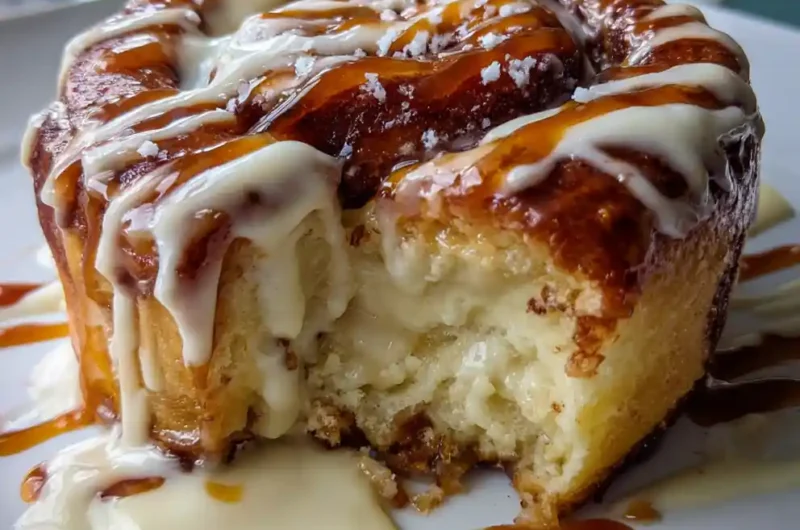
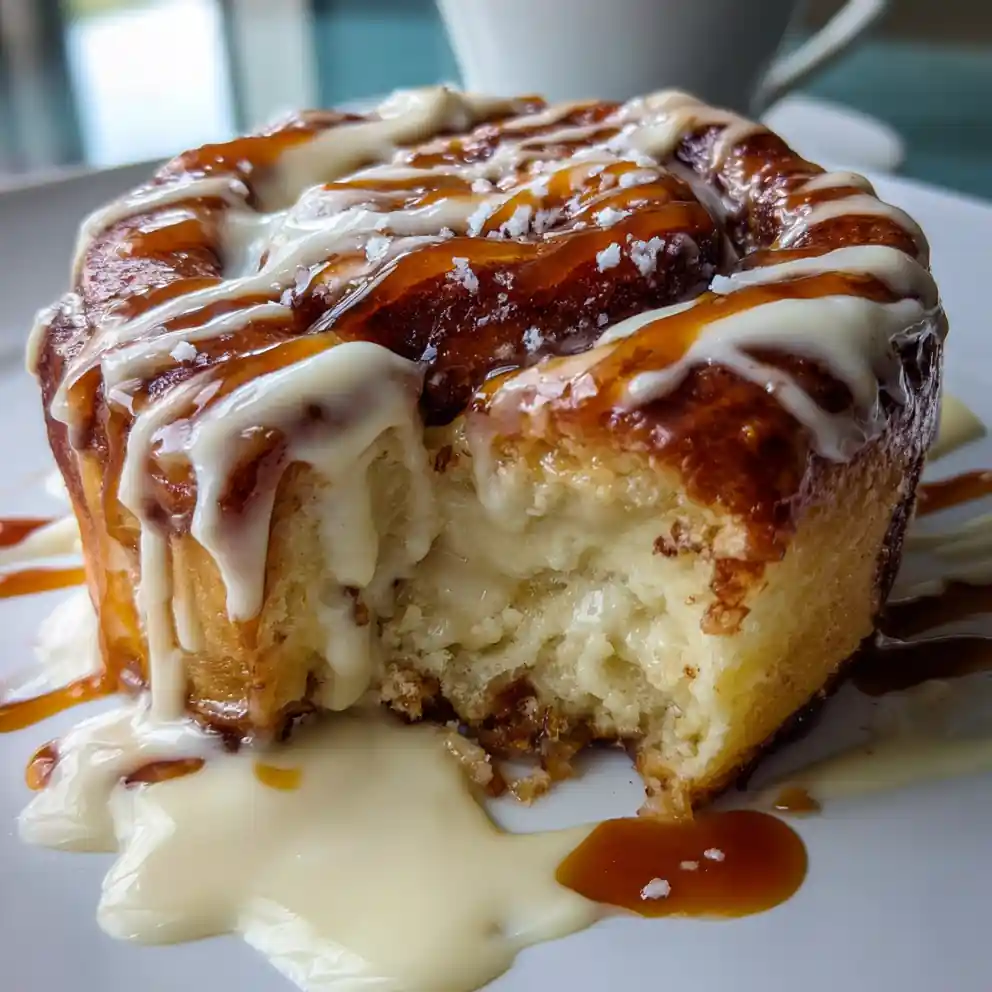
I don’t think anything compares to the cozy feeling of cinnamon rolls baking on a weekend morning. This cinnamon roll recipe with active dry yeast delivers that classic, warm aroma, but with a luscious dulce de leche twist. Forget complicated processes; this recipe creates a soft, fluffy dough that’s easy for even first-time bakers to handle. We’re elevating the classic flavor by incorporating a rich dulce de leche swirl and a tangy cream cheese glaze. You’ll learn exactly how to activate the active dry yeast properly and achieve that perfect, gooey center every single time for a family-friendly treat.
Ingredients
For the Dough:
- 240 ml (1 cup) whole milk, warmed to 40-45°C (105-115°F): The warm temperature is vital for activating the yeast. Use whole milk for a richer dough, or 2% if that’s what’s available in your fridge.
- 7 g (2 ¼ teaspoons) active dry yeast: Ensure it’s fresh and active for the best rise; check the expiration date on the package before starting.
- 60 g (¼ cup) granulated sugar, divided: Provides necessary food for the yeast and sweetness for the dough.
- 60 g (¼ cup) unsalted butter, melted and cooled slightly: Adds richness; ensure it’s not too hot when added to the yeast mixture.
- 1 large egg, at room temperature: Room temperature eggs incorporate better into the dough and prevent chilling the yeast.
- 5 g (1 teaspoon) alcohol-free vanilla extract: Adds warmth and flavor complexity that enhances the cinnamon.
- 400-450 g (3 ¼ – 3 ½ cups) all-purpose flour, plus extra for kneading: Start with 400g and add slowly during kneading; different flours absorb moisture differently.
- 5 g (1 teaspoon) fine sea salt: Essential for balancing the sweetness and controlling the yeast’s activity.
For the Filling and Swirl:
- 115 g (½ cup) unsalted butter, softened: Must be truly softened for easy spreading over the dough without tearing it.
- 100 g (½ cup) packed light brown sugar: Gives a deep molasses flavor to the filling.
- 10 g (1 tablespoon) ground cinnamon: High-quality cinnamon is best for maximum aroma and flavor.
- 120 g (½ cup) dulce de leche, warmed slightly: Make sure it’s spreadable but not runny; divided for filling and garnish.
For the Dulce de Leche Cream Cheese Glaze:
- 115 g (½ cup) full-fat cream cheese, softened: Provides the essential tang for the glaze; make sure it’s fully softened before mixing.
- 60 g (¼ cup) unsalted butter, softened: Adds richness and a smooth texture to the glaze.
- 200 g (1 ½ cups) powdered sugar, sifted: Sifting ensures a smooth, lump-free glaze consistency.
- 60 g (¼ cup) dulce de leche: For mixing into the glaze, intensifying the caramel flavor.
- 2.5 g (½ teaspoon) alcohol-free vanilla extract: Complements the sweet and tangy notes.
- 30-45 ml (2-3 tablespoons) whole milk: Added gradually to achieve the desired pourable, yet thick consistency.
- 2 g (¼ teaspoon) flaky sea salt (optional garnish): A pinch adds a nice textural and flavor contrast.
Instructions
- Activate the Yeast: In a large mixing bowl, combine the warm whole milk and 5g (1 teaspoon) of the granulated sugar. Sprinkle the active dry yeast over the top and let it sit for 5-10 minutes. The mixture should become foamy, which proves the active dry yeast is active and ready to use.
- Form the Dough: Add the remaining 55g (1/4 cup – 1 teaspoon) granulated sugar, melted butter, egg, and 5g (1 teaspoon) vanilla extract to the yeast mixture; whisk until well combined. Gradually add 400g (3 1/4 cups) of the all-purpose flour and the fine sea salt; mix until a shaggy dough forms. Knead the dough for 8-10 minutes by hand (or 5-7 minutes with a stand mixer) until it’s smooth, elastic, and no longer sticky, adding remaining flour as needed. If the dough looks dry and isn’t coming together after adding the initial flour, add a tablespoon of milk at a time during kneading.
- First Rise: Lightly grease a clean large bowl with butter or cooking spray; place the dough in the bowl, turning once to coat. Cover the bowl tightly with plastic wrap or a damp tea towel and let it rise in a warm spot for 1-1.5 hours. The dough should double in size, indicating it’s ready for the next step.
- Prepare Filling and Assembly Prep: While the dough rises, prepare the filling by combining the softened unsalted butter, brown sugar, and ground cinnamon in a small bowl; set aside. Roll the risen dough into a large rectangle (approximately 30 cm x 40 cm or 12 x 16 inches) and about 0.5 cm (¼ inch) thick on a lightly floured surface. Warm the dulce de leche slightly to make it easy to spread over the dough.
- Fill and Roll: Spread the prepared butter-cinnamon-brown sugar mixture evenly over the entire dough surface, leaving a 1 cm (½ inch) border on one of the long edges. Drizzle half of the warmed dulce de leche evenly over the cinnamon-sugar mixture. Starting from the long edge opposite the border, tightly roll the dough into a log; pinch the seam gently to seal.
- Slice and Second Rise: Trim off any uneven ends and slice the log into 12 equal pieces, approximately 3-4 cm (1.5 inches) thick. Arrange the rolls, cut-side up, in a lightly greased 23 cm x 33 cm (9 inch x 13 inch) baking dish, leaving a small gap between each roll. Cover the dish and let the rolls rise again in a warm place for 30-45 minutes, or until noticeably puffy.
- Bake: Preheat the oven to 190°C (375°F) while the rolls finish their second rise. I usually place the pan on top of the preheating oven to keep it warm for the last few minutes. Bake the rolls for 20-25 minutes, or until golden brown on top and cooked through; tent with foil if browning too quickly. Allow the rolls to cool in the dish for about 5-10 minutes before adding the glaze.
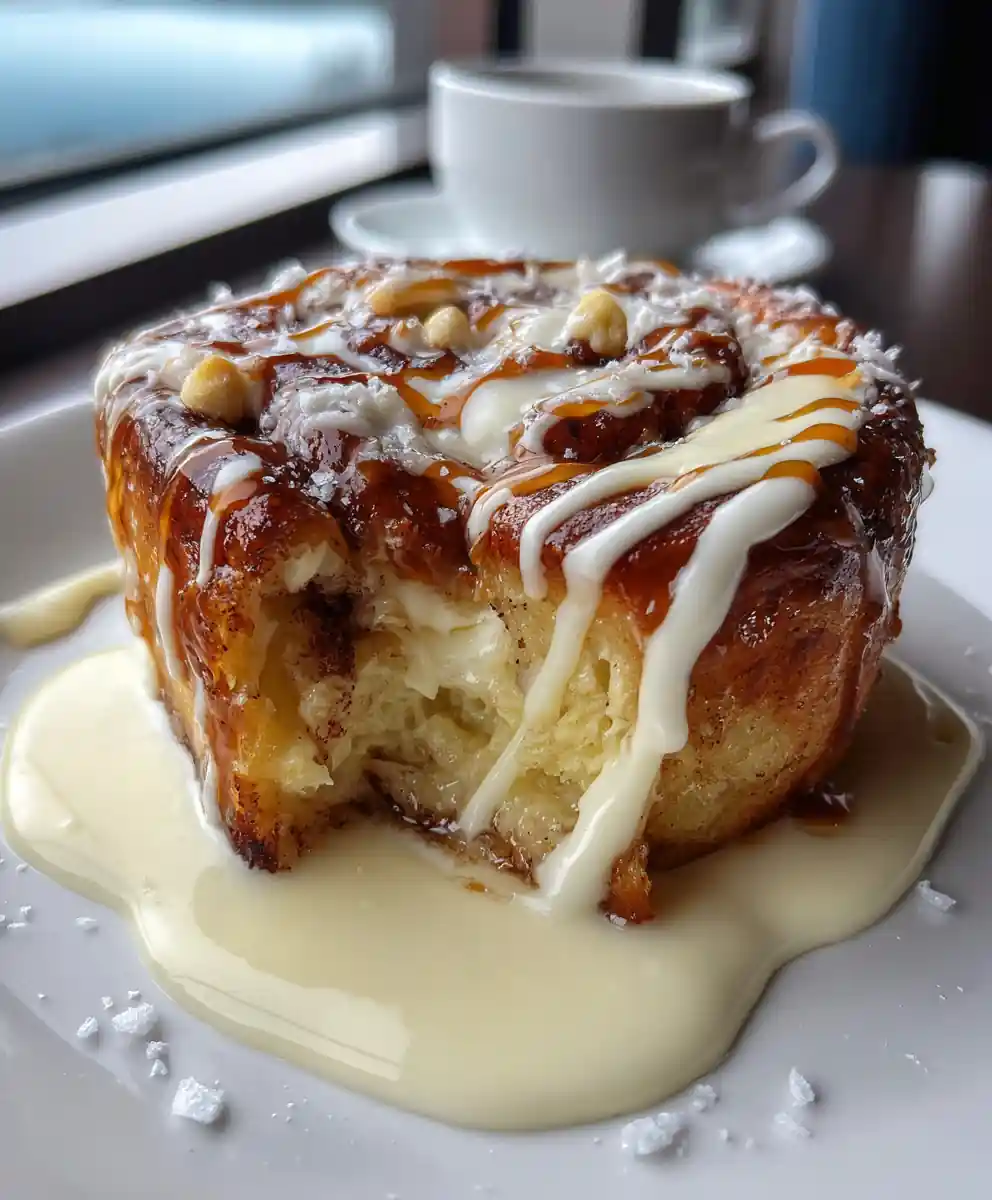
- Glaze and Serve: Prepare the glaze by combining all glaze ingredients (cream cheese, butter, powdered sugar, vanilla, dulce de leche, milk) until smooth and creamy. Generously spread the glaze over the warm rolls. Re-warm the remaining dulce de leche and drizzle artfully over the glazed rolls; garnish with flaky sea salt if desired.
Troubleshooting Common Cinnamon Roll Problems
My dough didn’t rise
The most common issue when making a cinnamon roll recipe with active dry yeast is using inactive or expired yeast. Ensure your warm milk is between 105-115°F (40-45°C) for activation; hotter liquid will kill the yeast, while colder liquid won’t activate it properly. If your yeast doesn’t become foamy after 5-10 minutes in the milk/sugar mixture, it is likely expired and needs replacement.
My rolls came out dry
Overbaking is the main culprit for dry rolls. To avoid this, bake only until golden brown on top and a thermometer reads 195-200°F (90-93°C) internally. For extra insurance, try pouring ¼ cup of heavy cream or milk evenly over the rolls five minutes before they finish baking; this keeps them extra moist and gooey on the inside.
My filling leaked out
This happens when the filling is too soft or the dough isn’t rolled tightly enough during assembly. Ensure your butter for the filling is softened but not melted. When rolling the dough, make sure it’s tight from one edge to the other to seal the filling inside. Chilling the prepared log for 15 minutes before slicing can also help firm up the filling.
Make-Ahead and Freezing Tips for Cinnamon Rolls
Overnight Make-Ahead Method
This cinnamon roll recipe with active dry yeast is perfect for making ahead for weekend breakfast. Follow all steps up to the end of the second rise (Step 6). Cover the unbaked rolls tightly in the baking dish with plastic wrap and refrigerate for up to 12 hours. On baking day, remove from the fridge and let them sit at room temperature for at least 1-1.5 hours before baking as directed.
Freezing Unbaked Rolls
Place sliced unbaked rolls on a parchment-lined sheet pan and freeze until solid (about 1 hour). Transfer the frozen rolls to a freezer-safe bag or container and freeze for up to 1 month. To bake, thaw overnight in the fridge and complete the second rise at room temperature before baking.
Freezing Baked Rolls
Bake rolls according to instructions, but omit the glaze. Once cooled completely, freeze in an airtight container for up to 2 months. Thaw overnight in the fridge and warm in the oven before applying fresh glaze.
Dulce de Leche Swaps and Variations
Dulce de Leche Substitute
If you can’t find store-bought dulce de leche, you can substitute it with a rich caramel sauce or make your own from a can of sweetened condensed milk. Alternatively, for a slightly less decadent option, you can increase the amount of brown sugar and cinnamon in the filling for a traditional swirl.
Glaze Variation
The cream cheese glaze is essential for balancing the richness, but you can create a simple caramel glaze by mixing powdered sugar with a tablespoon of dulce de leche and milk. For a different flavor profile, try adding espresso powder or a touch of cardamom to the cinnamon filling; I love how the cardamom adds a subtle spice that complements the dulce de leche.
FAQs
What’s the difference between active dry yeast and instant yeast?
Active dry yeast requires hydration in warm liquid (proofing) before use, while instant yeast can be mixed directly into the dry ingredients. If substituting instant yeast for this cinnamon roll recipe with active dry yeast, use 25% less instant yeast (about 1 ½ tsp instant yeast for this recipe) and skip the activation step, adding it directly to the flour mixture instead.
Can I make these without a stand mixer?
Yes, absolutely; kneading by hand for 8-10 minutes helps develop strength in the dough. The dough should feel smooth and elastic when properly kneaded by hand; use the windowpane test to check for readiness (a small piece should stretch thin enough to see light through it without tearing).
How do I know when the rolls are done baking?
They should be light golden brown on top, but not dark brown, to keep them soft and gooey in the center. If a baking thermometer is inserted, the internal temperature should read between 195°F and 200°F (90-93°C).
Why add salt to sweet dough?
Salt balances the sweetness and enhances the overall flavor of the finished rolls. It also helps to control the yeast activity, ensuring a steady, strong rise rather than a runaway process. This control is vital when working with active dry yeast to achieve the right texture.
My rolls are hard to roll and slice evenly; what can I do?
Make sure you roll the dough into a consistent rectangle shape, and roll it tightly into a log. Use unscented dental floss to slice the log cleanly and accurately without compressing the dough. When I make this cinnamon roll recipe with active dry yeast, I find chilling the dough in the fridge for 15 minutes before slicing helps achieve neater results.
Conclusion
Mastering this cinnamon roll recipe with active dry yeast means you can easily create these decadent treats at home. The combination of the dulce de leche swirl and the tangy cream cheese glaze transforms this classic into an irresistible, family-friendly treat. Pin this recipe and try it out this weekend for a guaranteed win with your family!
Print
cinnamon roll recipe with active dry yeast
- Total Time: 180 minutes
- Yield: 12 rolls 1x
- Diet: General
Description
This cinnamon roll recipe creates soft, fluffy dough with a luscious dulce de leche swirl, topped with a tangy cream cheese glaze for a decadent, family-friendly treat.
Ingredients
- For the Dough:
- 1 cup whole milk, warmed (105-115°F)
- 2 1/4 teaspoons active dry yeast
- 1/4 cup granulated sugar, divided
- 1/4 cup unsalted butter, melted
- 1 large egg, at room temperature
- 1 teaspoon vanilla extract
- 3 1/4 – 3 1/2 cups all-purpose flour
- 1 teaspoon fine sea salt
- For the Filling and Swirl:
- 1/2 cup unsalted butter, softened
- 1/2 cup packed light brown sugar
- 1 tablespoon ground cinnamon
- 1/2 cup dulce de leche, warmed
- For the Dulce de Leche Cream Cheese Glaze:
- 1/2 cup full-fat cream cheese, softened
- 1/4 cup unsalted butter, softened
- 1 1/2 cups powdered sugar, sifted
- 1/4 cup dulce de leche
- 1/2 teaspoon vanilla extract
- 2–3 tablespoons whole milk
- 1/4 teaspoon flaky sea salt (optional garnish)
Instructions
- Activate Yeast: Combine warm milk and 1 teaspoon sugar in a mixing bowl. Sprinkle yeast over the top and let sit for 5-10 minutes until foamy.
- Prepare Dough: Add remaining sugar, melted butter, egg, and vanilla to the yeast mixture. Gradually add 3 1/4 cups flour and salt; mix until a shaggy dough forms. Knead by hand for 8-10 minutes (or with a stand mixer for 5-7 minutes) until smooth and elastic, adding more flour if necessary.
- First Rise: Place dough in a lightly greased bowl, cover, and let rise in a warm spot for 1 to 1.5 hours, or until doubled in size.
- Roll and Fill: On a floured surface, roll the dough into a 12×16 inch rectangle. Spread softened butter mixture (brown sugar and cinnamon) evenly over the surface, leaving a small border on one long edge. Drizzle half of the warmed dulce de leche over the filling.
- Slice Rolls: Tightly roll the dough into a log starting from the long edge opposite the border. Pinch the seam to seal. Trim ends and slice into 12 equal pieces (approximately 1.5 inches thick).
- Second Rise: Arrange rolls cut-side up in a lightly greased 9×13 inch baking dish. Cover and let rise for 30-45 minutes until noticeably puffy.
- Bake Rolls: Preheat oven to 375°F (190°C). Bake for 20-25 minutes, or until golden brown. Cool for 5-10 minutes before adding the glaze.
- Glaze and Serve: Combine all glaze ingredients until smooth and creamy. Spread generously over the warm rolls. Drizzle with remaining dulce de leche and add optional flaky salt.
Notes
To ensure soft rolls, avoid overbaking (internal temperature should be 195-200°F). For make-ahead options, refrigerate unbaked rolls overnight after the second rise, then let them come to room temperature for 1-1.5 hours before baking.
- Prep Time: 30 minutes
- Cook Time: 25 minutes
- Category: Dessert
- Method: Baking
- Cuisine: American
Nutrition
- Serving Size: 1 roll
- Calories: 450 kcal
- Sugar: 45 g
- Sodium: 350 mg
- Fat: 22 g
- Saturated Fat: 14 g
- Unsaturated Fat: 8 g
- Trans Fat: 0 g
- Carbohydrates: 65 g
- Fiber: 1 g
- Protein: 6 g
- Cholesterol: 60 mg
Keywords: Cinnamon Roll, Dulce de Leche, Cream Cheese Glaze, Dessert, Baking, Sweet Roll, Breakfast, Homemade, Pastry
FREE PRINTABLE RECIPE
Get the Printable Recipe PDF (Free)
Enter your email and we’ll send you the ingredients + step-by-step instructions as a clean PDF you can save to your phone.
- ✅ Printable PDF (ingredients + steps)
- ✅ Save it to your phone (no long scrolling)
- ✅ Includes cook time + servings
- ✅ Easy to follow
FAQ
Where’s the full recipe?
It’s delivered as a printable PDF so you can save it and cook without scrolling.
I didn’t get the email.
Check Spam/Promotions and search your inbox for your site name. Then click Confirm to receive the PDF.