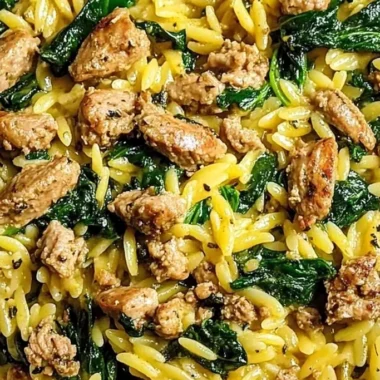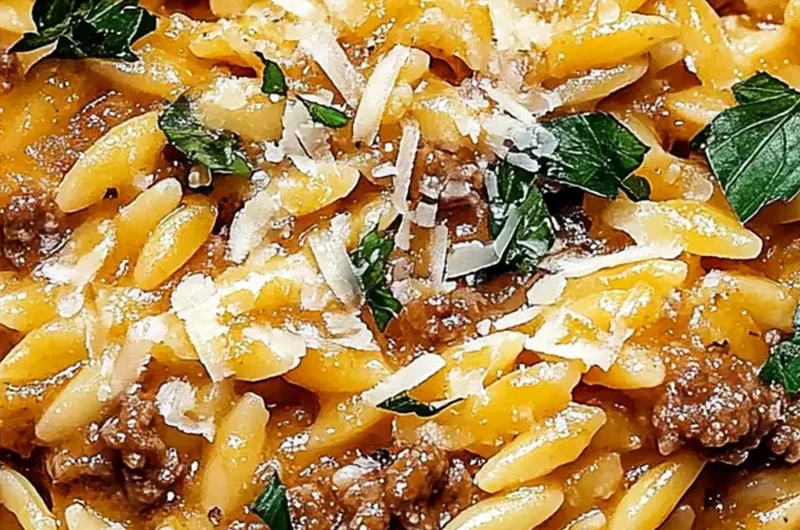
This hearty one-pot meal combines lean ground beef and tender orzo pasta for a satisfying weeknight dinner. It is designed for maximum efficiency, requiring only one skillet and approximately 30 minutes from start to finish.
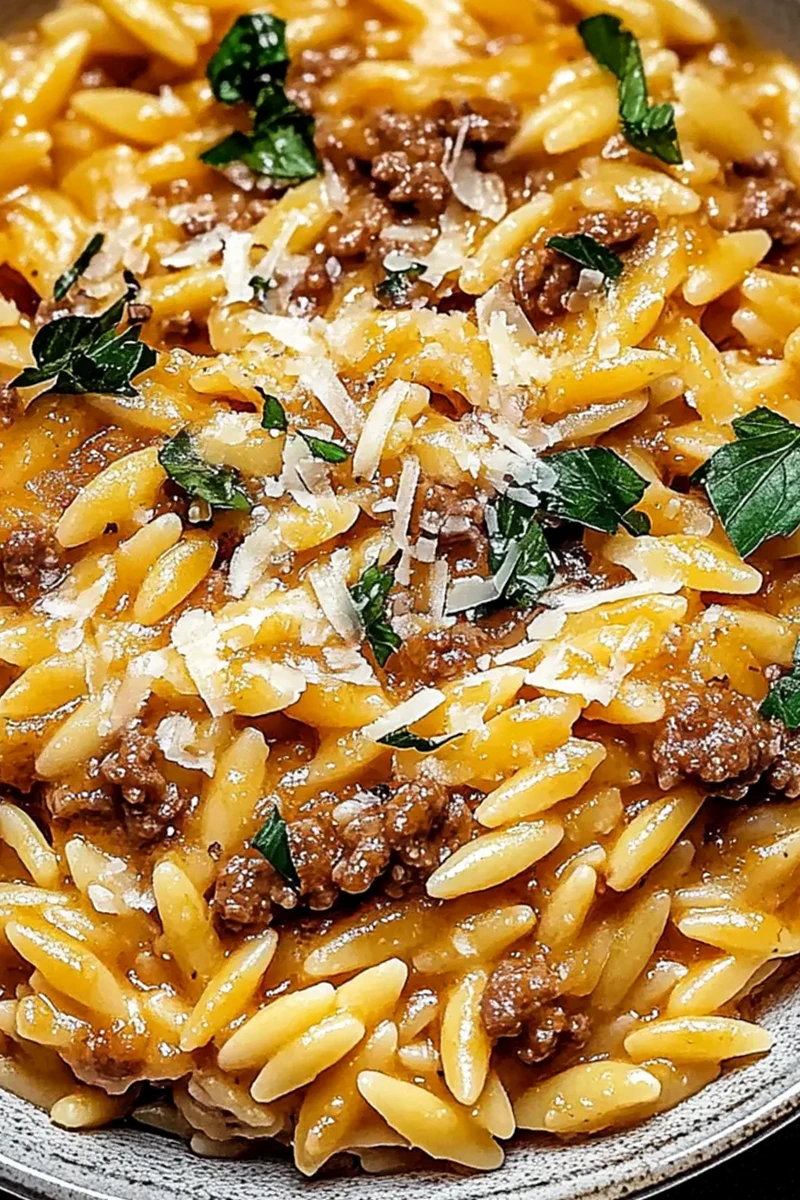
List of ingredients
- 1 lb lean ground beef – use 80% to 90% lean for optimal flavor.
- 1 cup uncooked orzo pasta – this small, rice-shaped pasta absorbs broth efficiently.
- 1 medium onion, finely chopped – adds a necessary sweetness and aromatic base.
- 3 cloves garlic, minced – provides a pungent, savory depth.
- 4 cups low-sodium beef broth – forms the cooking liquid and flavor foundation.
- 1 tsp dried oregano – adds a distinct earthy and herbal note.
- Salt and pepper to taste – essential for seasoning the beef and balancing the broth.
step-by-step instructions
- Sauté the Aromatics: Heat a splash of olive oil in a large skillet over medium heat. Add the finely chopped onion and sauté until translucent, about 5 minutes, then stir in the minced garlic and cook for another minute until fragrant.
- Brown the Meat: Add the lean ground beef to the skillet, breaking it up with a spatula. Cook until the beef is fully browned, roughly 7-10 minutes, and drain any excess fat from the pan.
- Combine Base Ingredients: Stir the uncooked orzo pasta, dried oregano, salt, and pepper into the beef mixture. Stir well to ensure the pasta is evenly coated in the meat and seasonings.
- Simmer with Broth: Pour in the low-sodium beef broth and bring the liquid to a gentle boil. Immediately reduce the heat to low, cover the skillet with a lid, and simmer for 10-12 minutes or until the orzo is tender.
- Final Stir: Remove the skillet from the heat and stir the mixture thoroughly to combine all components. You may garnish the dish with fresh parsley or a sprinkle of microbial-rennet cheese if desired.
- Serve: Portion the beef and orzo into bowls and serve immediately while hot.
Ingredient Selection Guide
Choosing the Right Ground Beef
Select a lean ground beef with a fat content of around 80% to 90%. This ensures you get a rich beefy flavor without having to drain excessive amounts of grease from the pan. Higher lean percentages work well, but avoid extra-lean beef as it can become dry during the simmering process.
Understanding Orzo Pasta
Orzo is a small pasta shaped like large grains of rice, which makes it ideal for one-pot recipes. Because of its size, it cooks quickly and releases starches that naturally thicken the beef broth into a creamy sauce. Ensure you use uncooked orzo to allow it to absorb the flavors of the meat and broth as it hydrates.
Selecting Low-Sodium Beef Broth
Using a low-sodium beef broth allows you to maintain total control over the salt level of the final dish. Since the beef and seasonings already contribute salt, a standard broth can often make the meal too salty. You can always add more salt at the end, but you cannot remove it once it is simmered in.
Fresh versus Dried Oregano
Dried oregano is recommended for this recipe as it provides a concentrated, earthy flavor that stands up well to the beef. If you prefer using fresh oregano, increase the quantity to three times the amount of dried herbs. Fresh herbs are best added toward the end of the cooking process to preserve their bright flavor.
Essential Cooking Techniques
Proper Sautéing of Aromatics
Start by cooking the onions slowly until they become translucent rather than browned. This process, known as sweating, releases the natural sugars and creates a mellow flavor base. Adding the garlic only after the onions are ready prevents the garlic from burning, which would otherwise make the dish taste bitter.
Achieving a Proper Brown on Beef
Allow the ground beef to sear in the pan without stirring constantly for the first few minutes. This creates a brown crust through the Maillard reaction, which significantly enhances the depth of flavor. Once browned, breaking the meat into small crumbles ensures every piece of orzo is evenly distributed.
Managing Liquid Absorption
The ratio of broth to orzo is critical for the final texture of the dish. Keeping the skillet covered during the simmering stage traps the steam and ensures the pasta cooks evenly. If the lid is left off, the broth may evaporate too quickly, leaving the orzo hard or undercooked.
Controlling the Simmer
Maintain a low heat setting once the broth has reached a boil. A hard boil can cause the orzo to break apart or stick to the bottom of the skillet. A gentle simmer allows the pasta to absorb the liquid slowly, resulting in a tender consistency and a cohesive sauce.
Flavor Enhancements and Variations
Incorporating Root Vegetables
Finely diced carrots or parsnips can be added along with the onions for extra nutrition and sweetness. Sauté them for an additional 3-4 minutes before adding the garlic. These vegetables blend in well with the texture of the orzo and add a colorful touch to the meal.
Adding Leafy Greens
Stir in two cups of fresh baby spinach or chopped kale during the final minute of cooking. The residual heat from the pasta will wilt the greens without overcooking them. This adds a fresh, nutrient-dense element to the savory beef base.
Using Alternative Ground Proteins
Ground turkey or ground chicken can be substituted for beef for a lighter version of this recipe. If using poultry, you may want to add a pinch of paprika or Worcestershire sauce to compensate for the milder flavor. Ensure you use beef broth regardless of the meat to maintain the signature savory profile.
Creating a Creamier Texture
For a richer finish, stir in a tablespoon of butter or a splash of heavy cream after the pasta has finished simmering. This emulsifies the remaining broth and creates a velvety sauce that clings to the orzo. A small amount of cream cheese also works well to add tanginess and thickness.
Adding Spicy Elements
To introduce heat, add half a teaspoon of red pepper flakes when sautéing the garlic. Alternatively, stir in a small amount of diced canned chipotle peppers for a smoky, spicy kick. These additions contrast well with the savory beef and herbal oregano.
Serving and Presentation
Pairing with Fresh Greens
Serve this beef and orzo dish alongside a crisp garden salad with a light vinaigrette. The acidity of a lemon or balsamic dressing cuts through the richness of the beef and pasta. A simple mix of arugula, cucumber, and cherry tomatoes provides a refreshing balance.
Choosing the Right Garnishes
Freshly chopped parsley or chives added just before serving provide a burst of color and a clean, peppery flavor. A sprinkle of freshly grated Parmesan or another microbial-rennet hard cheese adds a salty, nutty finish that complements the beef broth.
Plating for Family Style
This meal is best served in shallow bowls to keep the heat contained. For a family-style presentation, transfer the entire batch to a large ceramic platter and garnish the top with a concentrated line of herbs. This makes the dish look more inviting and allows guests to serve themselves easily.
Storage and Preservation
Proper Refrigeration
Store any remaining beef and orzo in an airtight container and place it in the refrigerator immediately after it cools. The dish will remain fresh and safe to eat for up to three days. Ensure the container is sealed tightly to prevent the pasta from absorbing odors from other foods in the fridge.
Freezing and Thawing
While orzo can be frozen, the texture may soften slightly upon thawing. If you choose to freeze the dish, do so in portion-controlled containers for up to two months. Thaw the meal in the refrigerator overnight before reheating to maintain the best possible consistency.
Maintaining Moisture During Storage
Because pasta continues to absorb liquid even after cooking, the dish may become thick or dry in the refrigerator. To prevent this, you can stir in an extra half-cup of broth before storing. This ensures there is enough moisture available to keep the pasta tender when it is reheated.
Reheating Methods
Stovetop Reheating
Place the leftovers in a small skillet over medium-low heat. Add two to three tablespoons of beef broth or water to loosen the pasta and restore the sauce. Stir frequently until the dish is heated through to avoid scorching the bottom.
Microwave Instructions
Transfer the desired portion to a microwave-safe bowl and add a splash of water or broth. Cover the bowl with a damp paper towel to trap steam, which prevents the orzo from drying out. Heat in 30-second intervals, stirring in between, until the center is hot.
Oven Warming
Place the leftovers in an oven-safe dish and add a small amount of extra broth. Cover the dish tightly with foil to prevent evaporation and heat at 325 degrees Fahrenheit for about 15-20 minutes. This method is ideal for reheating larger quantities for a group.
Common Troubleshooting
Fixing Mushy Orzo
Mushy pasta usually occurs if the orzo is simmered for too long or if the heat was too high. To prevent this, check the pasta texture at the 10-minute mark. If the dish is already too soft, avoid stirring too vigorously, as this can break the pasta further.
Fixing Underdone Pasta
If the liquid has evaporated but the orzo is still firm, add another half-cup of beef broth. Replace the lid and simmer for an additional 2-3 minutes. Always ensure the liquid is simmering gently to allow the pasta to hydrate without burning.
Balancing Salt Levels
If the dish tastes too salty, stir in a small amount of unsalted butter or a splash of heavy cream. The fats help neutralize the perception of salt on the palate. Adding a squeeze of fresh lemon juice can also brighten the flavor and distract from excess saltiness.
Resolving Greasiness
If the final dish feels too oily, it is likely because not enough fat was drained after browning the beef. You can carefully skim the oil from the surface with a spoon before serving. For future batches, ensure the beef is well-browned and thoroughly drained.
Frequently Asked Questions
Can I use a different type of pasta?
While orzo is traditional for this one-pot style, you can use small pasta shapes like ditalini or acini di pepe. However, you may need to adjust the broth quantity and simmering time depending on the size and thickness of the pasta used.
Is beef broth mandatory?
Beef broth is essential for the savory depth and for cooking the pasta. If you do not have beef broth, you can use vegetable broth or a mixture of water and beef bouillon cubes. Avoid using plain water, as the dish will lack the necessary flavor profile.
How do I make it lower calorie?
To reduce the calorie count, use 95% lean ground beef or ground turkey breast. You can also replace half of the orzo with riced cauliflower, which maintains the texture while significantly lowering the carbohydrate content.
Can I add spinach to this recipe?
Yes, adding fresh spinach is a great way to include more nutrients. Simply stir in a few handfuls of baby spinach during the final minute of simmering. The heat from the beef and orzo will cook the spinach perfectly without making it mushy.
Can this be made in a slow cooker?
This recipe is designed for a skillet to achieve the necessary browning of the meat. If using a slow cooker, brown the beef and sauté the aromatics in a pan first, then combine everything in the slow cooker on low for 3-4 hours, though the orzo may become softer than in the skillet version.
Print
Savory One-Pot Ground Beef and Orzo
- Total Time: 30 minutes
- Yield: 4 servings 1x
- Diet: General
Description
This Easy Ground Beef Orzo combines savory beef and tender pasta in a quick, comforting dish perfect for any weeknight.
Ingredients
- 1 lb lean ground beef
- 1 cup uncooked orzo pasta
- 1 medium onion, finely chopped
- 3 cloves garlic, minced
- 4 cups low-sodium beef broth
- 1 tsp dried oregano
- Salt and pepper to taste
- 1 splash olive oil
Instructions
- Sauté the Aromatics: Heat a splash of olive oil in a large skillet over medium heat. Add the finely chopped onion and sauté until translucent, about 5 minutes. Stir in the minced garlic and cook until fragrant, about 1 minute.
- Brown the Meat: Add the lean ground beef to the skillet. Break it up with a spatula and cook until browned and fully cooked, around 7-10 minutes. Drain any excess fat.
- Combine Ingredients: Stir in the uncooked orzo, dried oregano, salt, and pepper until well combined.
- Add the Broth: Pour in the low-sodium beef broth and bring the mixture to a gentle boil. Reduce heat to low, cover the skillet, and simmer for about 10-12 minutes or until the orzo is tender.
- Finishing Touches: Stir everything together and serve hot. Garnish with fresh parsley or cheese if desired.
Notes
Feel free to customize by adding vegetables or using different proteins like turkey or plant-based options.
- Prep Time: 10 minutes
- Cook Time: 20 minutes
- Category: Dinner
- Method: Stove-top
- Cuisine: American
Nutrition
- Serving Size: 1 serving
- Calories: 380 kcal
- Sugar: 4 g
- Sodium: 880 mg
- Fat: 16 g
- Saturated Fat: 6 g
- Unsaturated Fat: 10 g
- Trans Fat: 0 g
- Carbohydrates: 39 g
- Fiber: 3 g
- Protein: 24 g
- Cholesterol: 75 mg
Keywords: ground beef orzo, one pot meal, quick dinner, easy pasta recipe