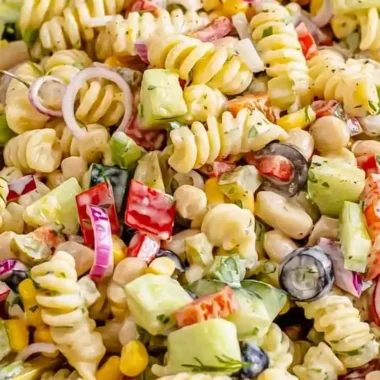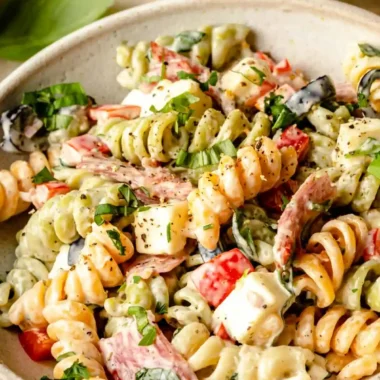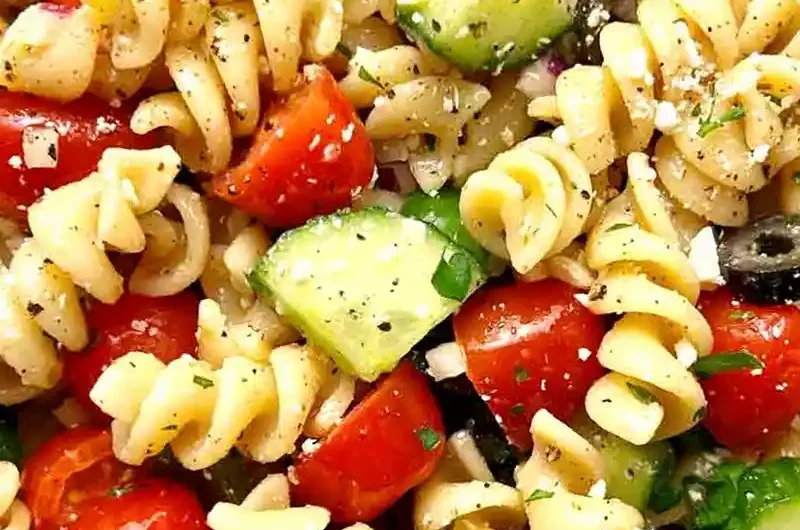
This refreshing cold pasta salad is a versatile side dish that combines crisp vegetables with a bold Italian flavor profile. It is an ideal choice for meal prep or large gatherings due to its stability and crowd-pleasing taste.
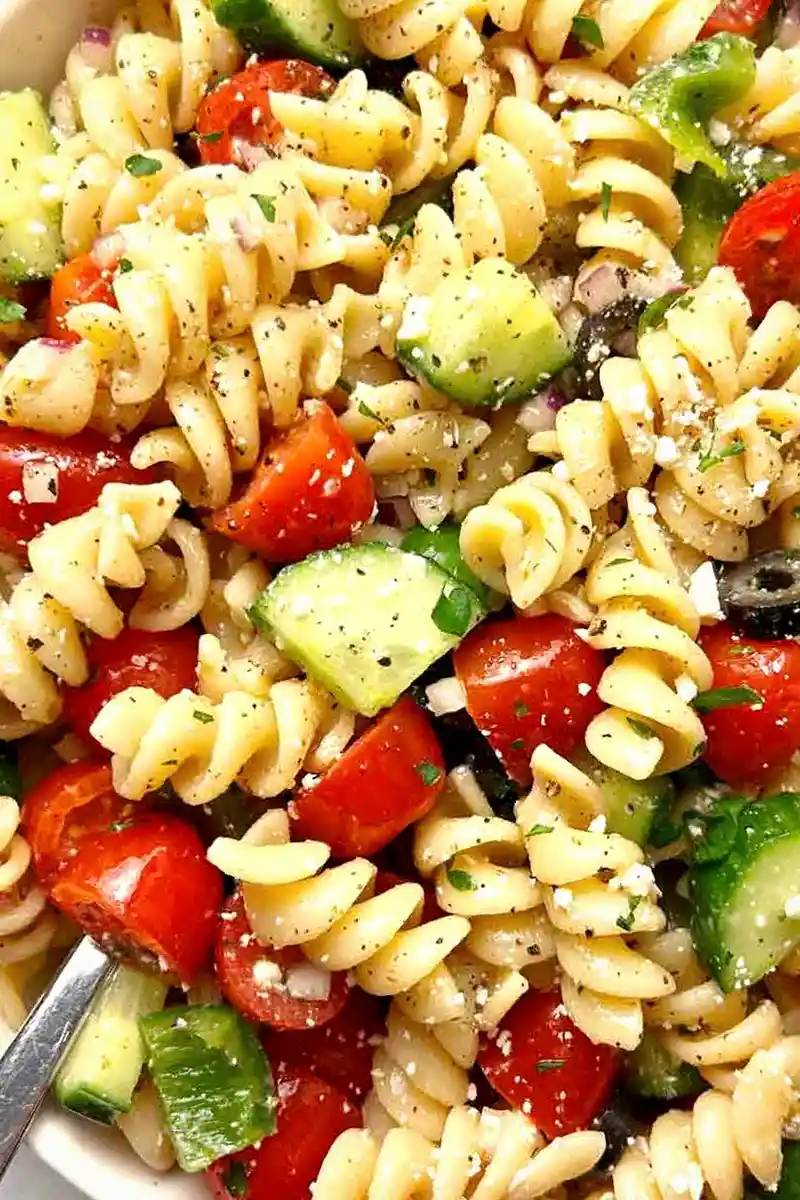
List of ingredients
- 16 ounces rotini (or any other pasta shape) – ridges help the dressing cling to the noodle.
- 1 medium cucumber (chopped) – adds a refreshing crunch.
- 1 pint grape tomatoes (halved) – provides bursts of sweetness.
- 1 small bell pepper (chopped) – adds color and a mild sweetness.
- 1/4 cup finely diced red onion – provides a sharp, savory contrast.
- 1 cup Italian dressing – the primary flavor agent; see notes for homemade.
- 2/3 cup feta cheese (crumbled) – use a microbial-rennet variety for a tangy, salty finish.
- 1/4 cup sliced black olives – adds a briny depth.
- 3 tablespoons chopped fresh parsley – adds a fresh, herbal note.
- salt and black pepper (to taste) – used for final seasoning adjustment.
step-by-step instructions
- Boil the Pasta: Bring a large pot of water to a boil. Add a big pinch of salt and the pasta. Cook it according to the package directions.
- Cool the Pasta: Drain the pasta in a colander and rinse it under cold water to cool down. Let the pasta sit in the colander while you prepare the vegetables.
- Prepare Vegetables: Cut the cucumber, grape tomatoes, bell pepper, and red onion into small pieces.
- Combine Ingredients: In a big bowl, add the cooled pasta, chopped vegetables, Italian dressing, feta cheese, olives, and fresh parsley.
- Season and Toss: Season with salt and black pepper to taste then toss everything together.
- Chill or Serve: At this point, the pasta salad is ready to eat, or you can chill it in the fridge for an hour.
Pasta Selection and Preparation
Choosing the Best Pasta Shape
Rotini and fusilli are the best choices for this recipe because their spiral shapes create ridges. These grooves trap the dressing and small bits of herbs, ensuring every bite is flavorful. If you prefer a different texture, penne or bowtie pasta also work well.
The Advantage of Slightly Overcooking
For cold pasta dishes, cooking the pasta for 1-2 minutes past the al dente stage is often beneficial. Cold temperatures firm up the starches in the pasta, which can make undercooked noodles feel too hard. Slightly overcooking ensures the texture remains tender after refrigeration.
The Importance of Rinsing
Unlike hot pasta dishes where starch helps the sauce adhere, cold pasta should be rinsed under cold water. This process stops the cooking immediately and removes excess surface starch. This prevents the noodles from sticking together in a clump as they cool.
Vegetable Preparation Guide
Achieving Uniform Dice
Cut your cucumbers, bell peppers, and onions into pieces of similar size. This ensures that you get a variety of flavors and textures in every spoonful. Using a small, consistent dice makes the salad easier to toss and serve.
Selecting the Right Bell Pepper
Red, orange, or yellow bell peppers are preferred over green for this recipe. The sweeter profile of the colored peppers complements the tangy feta and Italian dressing. Green peppers can sometimes be too bitter for a cold salad.
Reducing Red Onion Intensity
If you find raw red onion too pungent, soak the diced pieces in cold water for 10 minutes before adding them. Drain them well before mixing into the salad. This removes the harsh sulfur compounds while keeping the crunch.
Halving Grape Tomatoes for Flavor
Cutting grape tomatoes in half increases the surface area exposed to the dressing. This allows the vinegar and oil to penetrate the tomato, enhancing the overall flavor. It also prevents the tomatoes from rolling off the fork.
Dressing Customization and Tips
Creating a Homemade Italian Dressing
Whisk together 1/2 cup olive oil, 1/4 cup red wine vinegar, 1 teaspoon honey, 1 teaspoon Dijon mustard, 1 teaspoon Italian seasoning, 1 minced garlic clove, and salt and pepper. This homemade version allows you to control the sweetness and acidity levels.
Balancing Acidity and Sweetness
If the dressing feels too sharp, add an extra pinch of honey or maple syrup. If it tastes flat, a small splash of additional red wine vinegar or lemon juice can brighten the flavor. Always taste the dressing separately before adding it to the pasta.
Emulsifying the Dressing
To ensure the oil and vinegar do not separate, whisk them vigorously or shake them in a sealed jar. The Dijon mustard in the homemade version acts as an emulsifier, helping the dressing stay creamy and consistent throughout the salad.
Cheese and Olive Variations
Selecting Microbial-Rennet Feta
When choosing feta, look for varieties made with microbial rennet to ensure they meet dietary standards. Feta provides a salty, creamy contrast to the crisp vegetables. Ensure the cheese is crumbled into small pieces for even distribution.
Swapping Black Olives for Kalamata
While black olives provide a mild brine, Kalamata olives offer a more intense, fruity, and salty flavor. If you switch to Kalamata, you may want to reduce the added salt in the final seasoning step to avoid over-salting the dish.
Adding Briny Accents with Capers
For an extra layer of saltiness, add a tablespoon of drained capers to the mix. Capers provide small bursts of acidity that complement the Italian dressing and feta cheese. They pair particularly well with the red onion and parsley.
Serving and Presentation
Using Fresh Parsley as a Garnish
Add most of the parsley to the mix, but save a small handful to sprinkle on top before serving. Freshly chopped parsley provides a bright green contrast against the red tomatoes and white feta. This makes the dish look professionally prepared.
Managing Potluck Portions
Serve the salad in a wide, shallow bowl rather than a deep one. This prevents the ingredients at the bottom from being crushed and makes it easier for guests to scoop out a balanced portion of pasta and vegetables.
Serving at the Correct Temperature
While this salad can be eaten immediately, it is best served chilled. Cold temperatures allow the flavors of the dressing to penetrate the pasta and vegetables. If serving outdoors, place the bowl inside a larger bowl filled with ice.
Storage and Food Safety
Refrigeration Lifespan
This pasta salad can be stored in the refrigerator for 3 to 5 days. The flavors often improve after the first 24 hours as the vegetables marinate in the dressing. Ensure the container is airtight to prevent the salad from absorbing other fridge odors.
Using Airtight Glass Containers
Store the salad in glass containers rather than plastic if possible. Glass does not absorb odors and provides a better seal, which keeps the vegetables crispier for longer. It also makes the salad easier to reheat or refresh.
Outdoor Temperature Guidelines
Do not leave the pasta salad at room temperature for more than two hours. Because it contains cheese and oil-based dressing, it can spoil in direct heat. Keep it covered and chilled until the moment of serving.
Refreshing and Reheating
Avoiding Heat Sources
Do not reheat this salad in a microwave or oven. Heating the pasta and vegetables will cause the cucumber and bell peppers to lose their crunch and the feta to melt. This dish is designed to be consumed cold or at room temperature.
Adding Fresh Dressing Before Serving
Pasta absorbs liquid over time, which can make the salad seem dry after a day in the fridge. Stir in an extra tablespoon of Italian dressing just before serving to restore the glossy coating and zestiness.
Releasing Flavors at Room Temperature
If the salad has been very cold, let it sit on the counter for 15-20 minutes before eating. Bringing the salad closer to room temperature helps the fats in the olive oil and feta release more flavor, enhancing the taste experience.
Common Troubleshooting
Fixing a Bland Flavor Profile
If the salad tastes bland, add a small squeeze of fresh lemon juice or a pinch more salt. Often, a lack of acidity is what makes a pasta salad taste dull. The lemon juice cuts through the starch of the pasta and wakes up the vegetables.
Preventing Soggy Vegetables
If you are making the salad far in advance, consider adding the cucumber and tomatoes just before serving. These high-water vegetables can release moisture into the salad, which may dilute the dressing over several days.
Stopping Pasta Clumping
If the pasta clumps together, it usually means it wasn’t rinsed sufficiently or didn’t have enough dressing. Gently toss the salad with a small amount of olive oil to separate the noodles before adding the rest of the ingredients.
Frequently Asked Questions
Can I use whole wheat pasta?
Yes, whole wheat rotini works well and adds a nuttier flavor and more fiber. Note that whole wheat pasta may require a slightly longer cooking time and absorbs more dressing than white pasta.
Which cucumber is best for pasta salad?
English cucumbers or Persian cucumbers are ideal because they have thinner skins and fewer seeds. This results in a crunchier texture and prevents the salad from becoming too watery.
Can this be made a day in advance?
Yes, making it a day in advance is actually recommended. This gives the pasta more time to absorb the Italian dressing, resulting in a more cohesive and flavorful dish.
How do I store leftover feta?
Store unused feta in a small container covered with a bit of brine or olive oil. This prevents the cheese from drying out and keeps it creamy for future use.
Can I add proteins to this salad?
Adding grilled chicken breast or chickpeas is a great way to turn this side dish into a main course. Ensure the protein is completely cooled before mixing it into the cold salad.
Print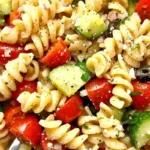
Zesty Italian Pasta Salad
- Total Time: 30 minutes
- Yield: 12 servings 1x
- Diet: Vegetarian
Description
This quick and easy pasta salad is a refreshing side dish you can make in 30 minutes.
Ingredients
- 16 ounces rotini
- 1 medium cucumber, chopped
- 1 pint grape tomatoes, halved
- 1 small bell pepper, chopped
- ¼ cup finely diced red onion
- 1 cup Italian dressing
- ⅔ cup microbial-rennet feta cheese, crumbled
- ¼ cup sliced black olives
- 3 tablespoons chopped fresh parsley
- salt and black pepper, to taste
Instructions
- Step: Bring a large pot of water to a boil. Add a big pinch of salt and the pasta. Cook it according to the package directions. Drain the pasta in a colander and rinse it under cold water to cool down. Let the pasta sit in the colander while you prepare the vegetables.
- Step: Cut the cucumber, grape tomatoes, bell pepper, and red onion into small pieces.
- Step: In a big bowl, add the cooled pasta, chopped vegetables, Italian dressing, feta cheese, olives, and fresh parsley. Season with salt and black pepper to taste then toss everything together.
- Step: At this point, the pasta salad is ready to eat, or you can chill it in the fridge for an hour.
Notes
For homemade Italian dressing, whisk together: ½ cup olive oil, ¼ cup apple cider vinegar, 1 teaspoon honey, 1 teaspoon Dijon mustard, 1 teaspoon Italian seasoning, 1 clove garlic (minced), and salt & pepper to taste.
- Prep Time: 20 minutes
- Cook Time: 10 minutes
- Category: Side Dish
- Method: Mixing
- Cuisine: American
Nutrition
- Serving Size: 1 serving
- Calories: 340 kcal
- Sugar: 4 g
- Sodium: 780 mg
- Fat: 22 g
- Saturated Fat: 6 g
- Unsaturated Fat: 16 g
- Trans Fat: 0 g
- Carbohydrates: 31 g
- Fiber: 3 g
- Protein: 9 g
- Cholesterol: 25 mg
Keywords: pasta salad, rotini, summer side dish, vegetarian pasta salad, easy side dish