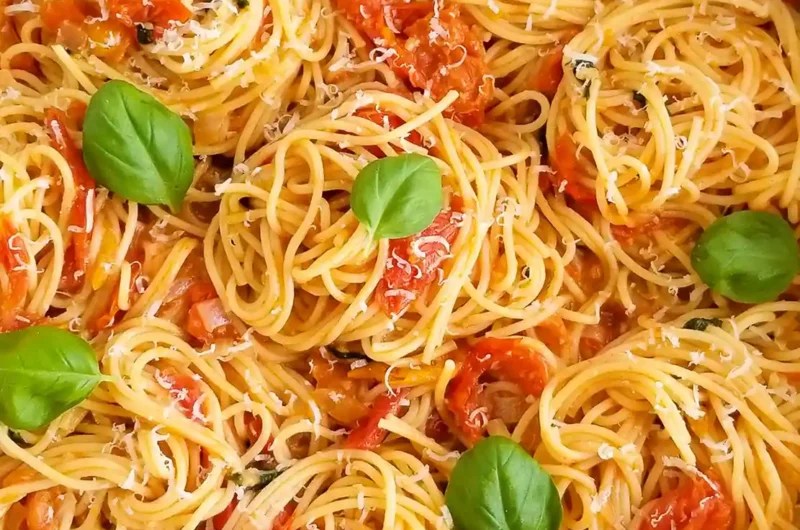
This fresh spaghetti pomodoro features a bright, light sauce made from bursting cherry tomatoes and fragrant basil. It is a straightforward Italian-style meal that brings high-quality flavors to the table in under an hour.
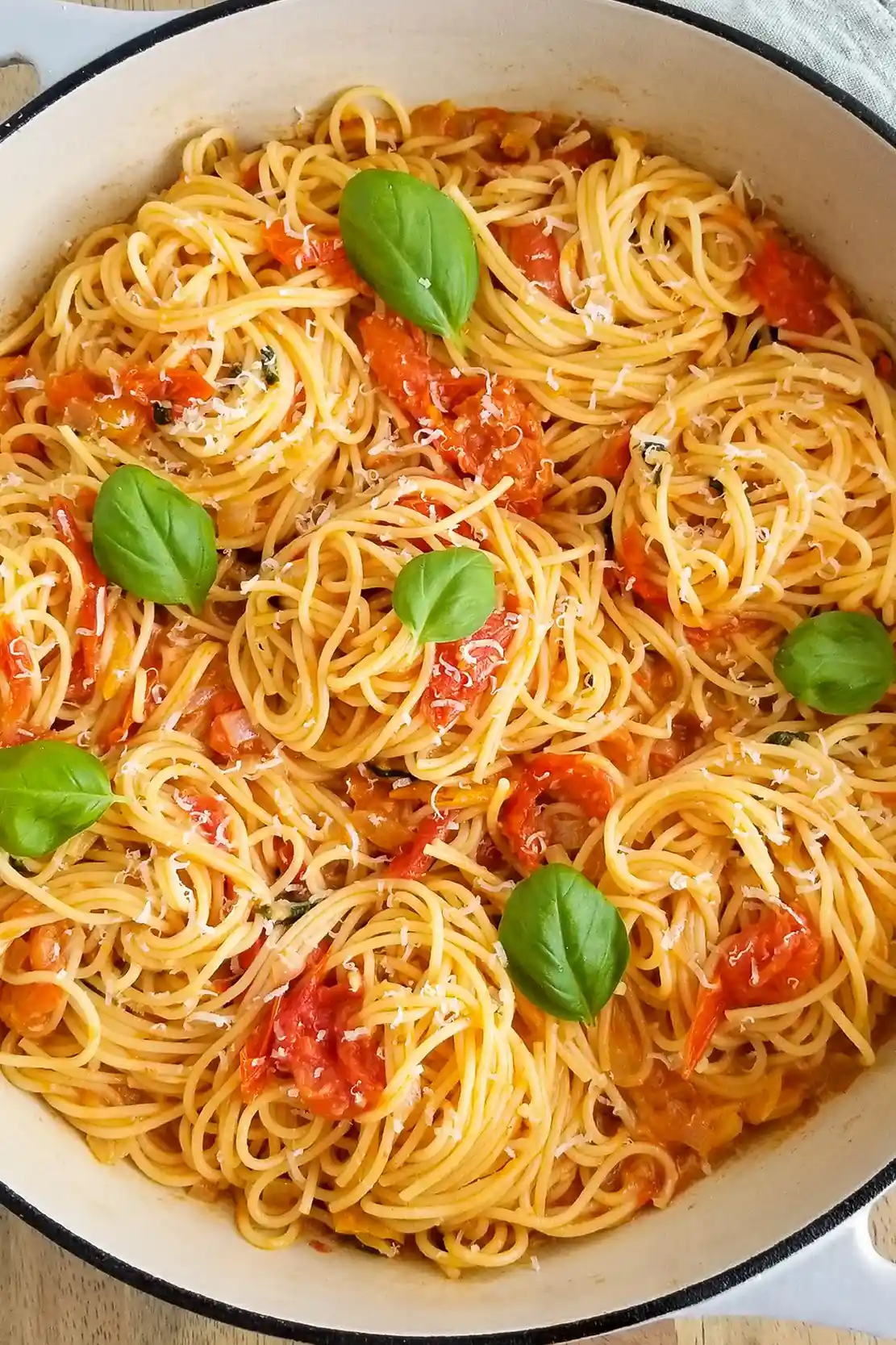
List of ingredients
- 1/2 lb Thin Spaghetti – provides a delicate base for the light sauce.
- 1 lb Grape or Cherry Tomatoes – cut in half to help them break down quickly.
- 4 Garlic Cloves – minced finely for an aromatic base.
- 1 cup Onion – diced small to blend into the sauce.
- 1 tsp Salt – enhances the natural sweetness of the tomatoes.
- 3 tbsp Olive Oil – extra virgin quality recommended for flavor.
- 3 tbsp Butter – adds richness and a velvety texture.
- 8-10 Fresh Basil Leaves – chopped for a peppery, fresh finish.
- 1/4 cup Parmesan Cheese – grated microbial-rennet cheese for savory depth.
- 3/4 cup Hot Pasta Water – reserved from the pot to emulsify the sauce.
step-by-step instructions
- Boil the Pasta: Cook spaghetti according to package instructions until al dente. Ensure you reserve 3/4 cup of the hot pasta water before draining the noodles.
- Sauté Aromatics: Place a large saucepan over medium-low heat and add the olive oil, butter, and diced onions. Cook the mixture until the onions become soft and translucent.
- Simmer Tomatoes: Stir in the minced garlic, halved tomatoes, and salt. Cover the pan and cook over medium-low heat for approximately 25 minutes, stirring occasionally, until the tomatoes are very soft.
- Finish the Sauce: Use a cooking spoon or spatula to gently break up the softened tomatoes. Stir in the reserved pasta water, grated parmesan cheese, and chopped fresh basil, then cook for another 5 minutes until the sauce thickens slightly.
- Combine and Serve: Toss the cooked spaghetti directly into the pomodoro sauce until well coated. Serve immediately with additional grated parmesan and optional red pepper flakes for heat.
Essential Ingredient Selection
Use Cherry Tomatoes for Higher Acidity
Cherry and grape tomatoes are preferred because they contain a higher concentration of natural sugars and acids. This creates a more balanced flavor profile compared to larger tomatoes. They also break down into a chunky sauce more efficiently.
Opt for Fresh Basil to Preserve Aroma
Fresh basil provides a bright, peppery note that cannot be replicated by dried versions. Adding it at the end of the cooking process prevents the leaves from turning brown. If you must use dried basil, use only one teaspoon.
Select Thin Spaghetti for Better Sauce Adherence
Thin spaghetti has a higher surface-area-to-volume ratio than thicker noodles. This allows the light pomodoro sauce to cling to the pasta more effectively. You can also use angel hair for an even lighter result.
Mince Garlic Finely to Distribute Flavor
Finely mincing the garlic ensures that the flavor is evenly distributed throughout the sauce. This prevents large, pungent pieces of garlic from dominating a single bite. Use a garlic press or a sharp chef’s knife for the best results.
Advanced Cooking Techniques
Maintain Low Heat to Avoid Burning Garlic
Garlic burns quickly at high temperatures, which can introduce a bitter taste to the sauce. Keep the burner on medium-low when adding the garlic to the onions. This allows the garlic to soften and release oils without scorching.
Use Pasta Water to Create an Emulsion
The starchy water reserved from the boiling pasta acts as a binder. When stirred into the oil and butter, it creates a smooth, cohesive emulsion. This prevents the sauce from separating or appearing oily on the plate.
Crush Tomatoes Gently for Chunky Texture
Using a spatula to break the tomatoes allows you to control the consistency of the sauce. Some prefer a completely smooth sauce, while others enjoy the rustic feel of softened chunks. Break only as many tomatoes as you desire for your preferred texture.
Add Basil Late to Prevent Browning
Basil is a delicate herb that loses its vibrancy when exposed to prolonged heat. Stirring it in during the final five minutes of simmering preserves its bright green color. This ensures the final dish looks as fresh as it tastes.
Sauce Customizations and Variations
Increase Red Pepper Flakes for Extra Heat
Adding red pepper flakes during the final toss introduces a spicy contrast to the sweet tomatoes. Start with a pinch and increase according to your heat preference. This variation is often referred to as Pomodoro Arrabiata.
Incorporate Baby Spinach for Added Nutrition
Stirring in two cups of fresh baby spinach during the final heating phase adds color and nutrients. The spinach wilts quickly in the residual heat of the sauce. This keeps the meal light while increasing the vegetable content.
Add Sautéed Shrimp for Protein
Sauté large shrimp in a separate pan with olive oil and garlic before tossing them with the pasta. This turns the light pomodoro into a hearty seafood meal. Ensure the shrimp are just cooked through to keep them tender.
Mix in Ricotta for a Creamier Finish
Adding a dollop of ricotta cheese to the finished sauce creates a creamy, pink-hued pomodoro. This softens the acidity of the tomatoes and adds a rich mouthfeel. Stir it in gently just before serving.
Ingredient Substitutions
Replace Butter with Olive Oil for Vegan Options
To make this recipe plant-based, replace the butter with an equal amount of high-quality extra virgin olive oil. You can also substitute the parmesan with nutritional yeast or a plant-based parmesan alternative. This maintains the savory profile without dairy.
Swap Cherry Tomatoes for Diced Roma Tomatoes
If cherry tomatoes are unavailable, Roma tomatoes are the best substitute due to their low water content. Dice them into small pieces to mimic the size of cherry tomatoes. You may need to simmer them for a few extra minutes to achieve the same softness.
Use Yellow Onions for a Balanced Sweetness
While red or white onions work, yellow onions provide a classic, mild sweetness that complements the tomatoes. Sweet onions are also an excellent choice for those who prefer a less pungent base. Ensure they are diced uniformly for even cooking.
Substitute Thin Spaghetti with Penne or Fusilli
Any short-cut pasta like penne, fusilli, or farfalle works well with this sauce. The ridges in these pasta shapes help trap the small pieces of tomato. Adjust the cooking time based on the specific pasta package instructions.
Serving and Pairing Suggestions
Pair with Toasted Garlic Bread
Warm, crusty garlic bread is the perfect accompaniment to mop up the remaining sauce. Use a baguette sliced lengthwise, spread with garlic butter, and toasted until golden. This adds a crunchy texture to the soft pasta.
Serve with a Crisp Caesar Salad
A fresh romaine salad with a tangy dressing balances the richness of the butter and cheese. Use croutons and shaved parmesan to echo the flavors in the main dish. This provides a refreshing contrast to the cooked tomatoes.
Complement with Chilled Sparkling Water
A glass of chilled sparkling water with a squeeze of fresh lemon cleanses the palate between bites. The carbonation cuts through the richness of the olive oil and butter. This keeps the meal feeling light and refreshing.
Garnish with Extra Parmesan and Parsley
Freshly grated parmesan added at the table allows guests to customize the saltiness. A sprinkle of chopped flat-leaf parsley adds a pop of color and a mild herbaceous note. This professional touch enhances the visual appeal of the dish.
Storage and Reheating Guide
Store in Airtight Containers for Two Days
Place leftover pasta in a sealed airtight container once it has cooled to room temperature. Store it in the refrigerator for up to 48 hours. Keep the pasta and sauce combined to prevent the noodles from drying out.
Reheat with Water on the Stovetop
The best way to revive the pasta is in a pan over low heat. Add two to three tablespoons of water to loosen the sauce as it warms. Stir frequently to ensure the heat is distributed evenly without overcooking the noodles.
Use Microwave Increments to Avoid Drying
If using a microwave, heat the pasta in 30-second intervals. Stir the pasta between each interval to prevent hot spots and ensure the sauce is evenly heated. Adding a teaspoon of water before heating helps maintain the moisture.
Avoid Freezing Pasta to Prevent Mushiness
It is not recommended to freeze cooked spaghetti as the texture becomes mushy upon thawing. However, you can freeze the pomodoro sauce alone. Thaw the sauce in the fridge and then toss with freshly cooked pasta.
Troubleshooting Common Issues
Fix Watery Sauce by Simmering Longer
If the sauce appears too thin, remove the lid and increase the heat slightly. Simmer for an additional 5 to 10 minutes to allow the excess liquid to evaporate. This concentrates the tomato flavor and thickens the consistency.
Thicken Too-Thin Sauce with Extra Cheese
Adding an extra tablespoon of grated parmesan can quickly thicken a runny sauce. The cheese melts into the liquid, acting as a thickening agent. Stir in small amounts until the desired consistency is reached.
Correct Overcooked Pasta by Rinsing Quickly
If the spaghetti has gone past al dente, rinse it briefly with cold water to stop the cooking process. Drain it well before tossing it into the sauce. Be aware that this may remove some surface starch, making the sauce cling less.
Eliminate Bitter Garlic by Reducing Heat
If you notice a bitter taste, it is likely that the garlic was scorched. To prevent this in the future, lower the heat before adding the minced garlic. If it has already happened, adding a pinch of sugar can help neutralize the bitterness.
Frequently Asked Questions
Can I use canned tomatoes?
Yes, you can use a can of crushed or diced tomatoes if fresh ones are not available. Reduce the simmering time by about 10 minutes since canned tomatoes are already processed. You may need to add a pinch of sugar to balance the acidity.
Is this recipe suitable for gluten-free diets?
This recipe is easily adaptable for gluten-free diets by substituting the wheat spaghetti with a gluten-free alternative. Corn, brown rice, or chickpea pastas work well. Ensure you follow the specific boiling instructions for your gluten-free brand.
How do I prevent the sauce from separating?
The key to a stable sauce is the reserved pasta water and constant stirring. Add the water and cheese slowly while stirring vigorously. This ensures the fats and liquids bond together into a creamy sauce.
Can I use dried basil?
You can use dried basil if fresh leaves are unavailable, but use much less. The general ratio is one teaspoon of dried basil for every tablespoon of fresh basil. Stir it in earlier in the process to allow the dried herbs to rehydrate.
Print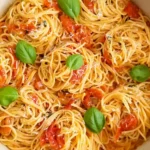
Fresh Spaghetti Pomodoro
- Total Time: 45 minutes
- Yield: 4 servings 1x
- Diet: General
Description
Best easy homemade pomodoro sauce made with fresh tomatoes, basil, onions, and garlic. Tossed in spaghetti and finished with fresh grated parmesan cheese.
Ingredients
- 1/2 lb thin spaghetti
- 1 lb grape or cherry tomatoes, cut in half
- 4 garlic cloves, minced
- 1 cup onion, diced
- 1 tsp salt
- 3 tbsp olive oil
- 3 tbsp butter
- 8–10 fresh basil leaves, chopped
- 1/4 cup microbial-rennet parmesan cheese, grated
- 3/4 cup hot pasta water
Instructions
- Step: Cook spaghetti according to package instructions for al dente. RESERVE 3/4 CUP PASTA WATER for pomodoro sauce. When done, drain pasta and set aside.
- Step: In a large saucepan over medium-low heat, add olive oil, butter and onions. Cook until onions are tender.
- Step: Add minced garlic, tomatoes and salt to the onions. Cover and cook over medium-low heat for about 25 minutes until tomatoes are very soft. Stir occasionally.
- Step: Break up tomatoes using your cooking spoon or spatula. Add hot pasta water to the sauce and stir to combine. Sprinkle in parmesan cheese and fresh chopped basil. Cook for another 5 minutes or so until sauce lightly thickens.
- Step: Toss spaghetti into the pomodoro sauce and serve with more fresh grated parmesan cheese and red pepper flakes(optional).
Notes
Use fresh basil, tomatoes, and garlic for the best flavor. Store leftover pasta in an airtight container in the fridge for up to two days.
- Prep Time: 5 minutes
- Cook Time: 40 minutes
- Category: Main Course
- Method: Stovetop
- Cuisine: Italian
Nutrition
- Serving Size: 1 serving
- Calories: 444 kcal
- Sugar: 6 g
- Sodium: 763 mg
- Fat: 22 g
- Saturated Fat: 8 g
- Unsaturated Fat: 12 g
- Trans Fat: 0.3 g
- Carbohydrates: 52 g
- Fiber: 4 g
- Protein: 11 g
- Cholesterol: 27 mg
Keywords: fresh spaghetti pomodoro, pomodoro pasta, pomodoro sauce, pomodoro sauce with fresh tomatoes, spaghetti pomodoro