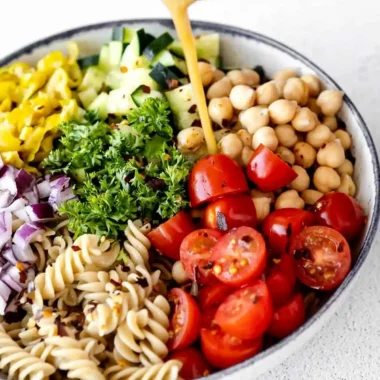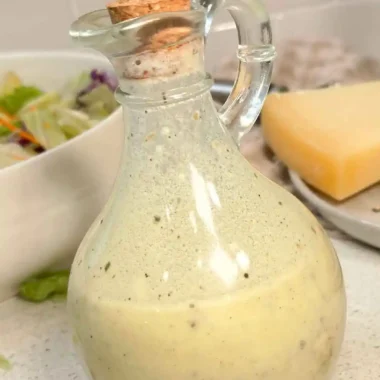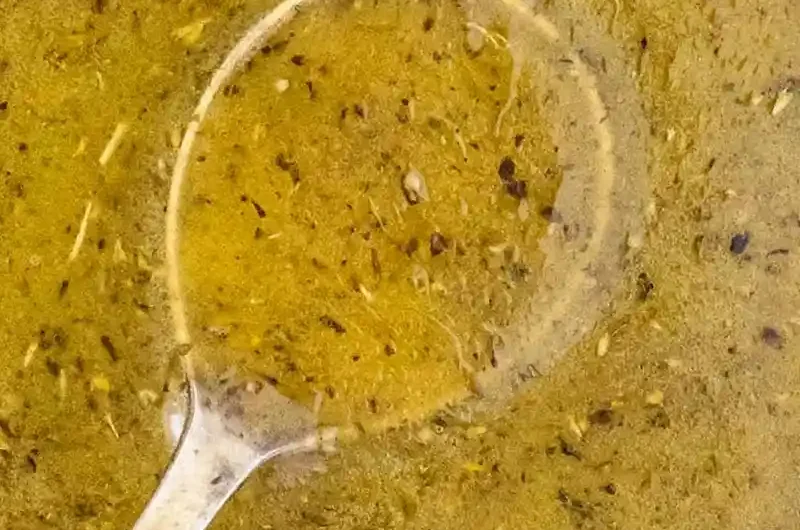
This quick homemade Italian dressing is a versatile vinaigrette that enhances salads, pasta, and grilled vegetables. It takes only five minutes to prepare using simple pantry staples and requires no special equipment.
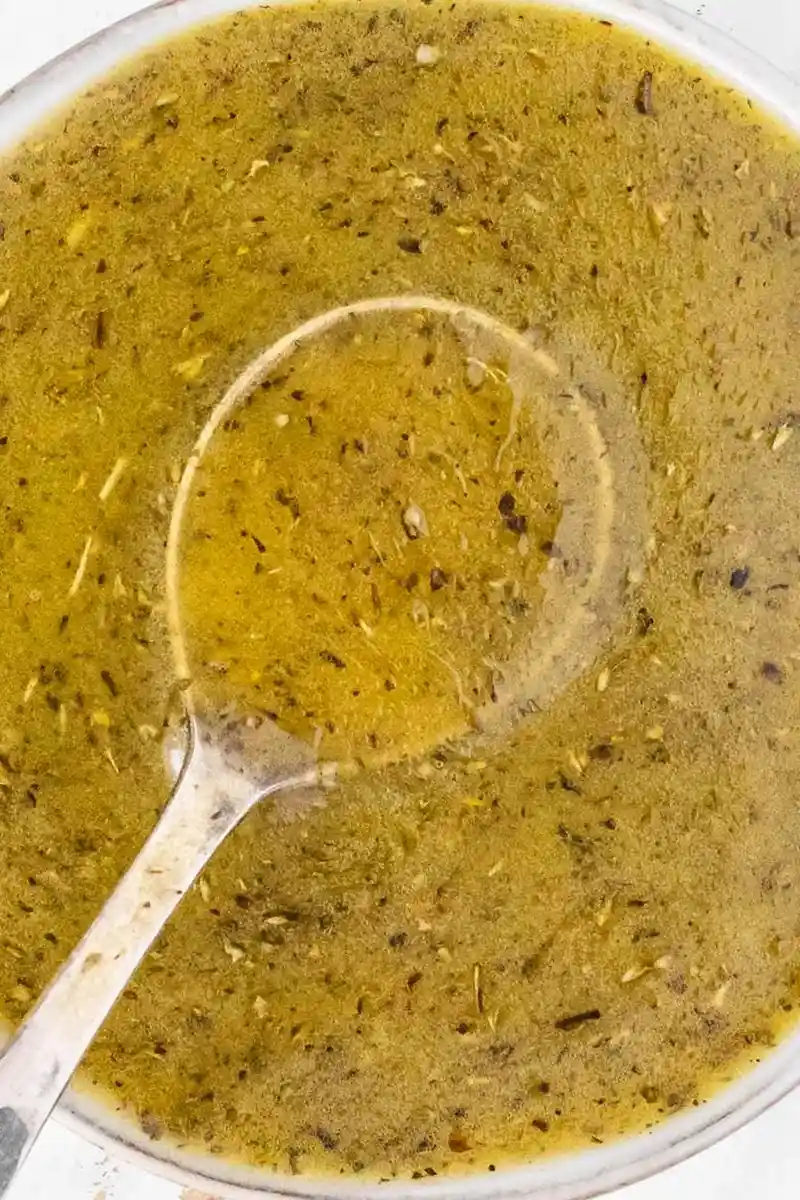
List of ingredients
- 1/4 cup extra virgin olive oil – provides a rich, fruity base and healthy fats.
- 2 tablespoons vinegar (any) – adds the essential acidic tanginess.
- 1 tablespoon lemon juice – contributes bright, citrusy freshness.
- 1 tablespoon maple syrup – balances the acidity with natural sweetness.
- 1/2 teaspoon dried oregano – gives a classic Mediterranean herbal aroma.
- 1/2 teaspoon dried basil – adds subtle sweet and peppery notes.
- 1/2 teaspoon garlic powder – provides a concentrated savory depth.
- 1/2 teaspoon salt – enhances the overall flavor profile of the dressing.
- 1/4 teaspoon black pepper – adds a light, spicy kick to the finish.
step-by-step instructions
- Combine components: Pour the extra virgin olive oil, vinegar, lemon juice, maple syrup, salt, pepper, garlic powder, dried oregano, and dried basil into a small mason jar.
- Emulsify the mixture: Secure the lid tightly and shake the jar vigorously until the oil and vinegar are well combined and the liquid thickens.
- Alternative mixing method: If a jar is unavailable, place all ingredients in a small mixing bowl and whisk briskly until the ingredients are fully integrated.
Selecting the Best Base Ingredients
Choose High-Quality Extra Virgin Olive Oil
Using extra virgin olive oil ensures a richer and fruitier flavor compared to refined oils. It contains a high concentration of antioxidants and heart-healthy monounsaturated fats. If you prefer a more neutral taste, you can substitute this with canola oil or sunflower oil.
Choose the Right Type of Vinegar
White wine vinegar and red wine vinegar are traditional choices that offer a sharp, clean acidity. Apple cider vinegar provides a slightly fruitier profile, while balsamic vinegar results in a darker, sweeter dressing. The choice of vinegar significantly alters the final taste and color of the vinaigrette.
Use Freshly Squeezed Lemon Juice
Fresh lemon juice adds a bright, zesty dimension that dried ingredients cannot replicate. It cuts through the richness of the olive oil and balances the sweetness of the syrup. If lemons are unavailable, you can replace this amount with an equal measure of your chosen vinegar.
Opt for Natural Sweeteners
Pure maple syrup is an excellent choice because it is a natural sweetener with a distinct depth of flavor. It replaces the need for processed corn syrup, refined sugar, or honey. Agave syrup is another suitable alternative if you prefer a more neutral sweetness.
Customizing Herbs and Spices
Incorporate Additional Dried Herbs
While oregano and basil are the core flavors, you can expand the profile by adding dried dill, parsley, or fennel. Mint can be added for a refreshing twist, especially when pairing the dressing with summer fruits or grains. Stick to dried herbs for this specific recipe to maintain the correct consistency.
Increase the Heat with Spicy Additions
For those who prefer a piquant dressing, adding a pinch of red pepper flakes provides a visible and tasty heat. Cayenne powder is another option for a more integrated, sharp spice. Start with a small amount and adjust to your personal heat tolerance.
Enhance the Savory Profile
Garlic powder provides a consistent flavor, but you can add onion powder for a more complex, aromatic depth. These powders blend more easily into the emulsion than fresh aromatics. They ensure that every bite of the salad has a uniform taste.
Versatile Application and Serving Ideas
Dressing Various Types of Salads
This vinaigrette is ideal for classic green salads, grain-based bowls, and legume salads. It pairs exceptionally well with pasta salads containing rotini or penne, where the dressing can cling to the ridges. Use it on sliced tomatoes and cucumbers for a simple, fresh side dish.
Using the Mixture as a Vegetable Marinade
Brush the dressing onto tofu or vegetables before roasting or air-frying. It works particularly well on eggplant, asparagus, and artichokes to add a savory, herbal crust. The acidity in the vinegar helps tenderize the vegetables during the cooking process.
Pairing with Plant-Based Proteins
Tofu and chickpeas absorb the flavors of this dressing readily. Try tossing chickpeas in the dressing and roasting them for a zesty snack. For tofu, marinate the cubes for 30 minutes before grilling to lock in the flavor.
Storage and Preservation Guidelines
Refrigeration Requirements
Store the dressing in an airtight glass jar in the refrigerator for up to one week. Because it contains no dairy or fresh aromatics like raw garlic, it remains stable for several days. Keep the container tightly sealed to prevent the oil from absorbing other fridge odors.
Managing Ingredient Separation
Since this recipe contains no artificial emulsifiers, it is normal for the oil and vinegar to separate over time. This process is a natural result of the different densities of the ingredients. Simply shake the jar or whisk the bowl immediately before serving to re-emulsify the mixture.
Optimal Serving Temperature
The dressing is best served at room temperature to allow the flavors of the olive oil and herbs to fully open up. When stored in the fridge, the olive oil may thicken or solidify slightly. Let the jar sit on the counter for a few minutes or run it under warm water before shaking.
Troubleshooting and Refinement
Creating a More Stable Emulsion
If you prefer a dressing that does not separate as quickly, add one teaspoon of Dijon mustard. Mustard acts as a natural emulsifier, binding the oil and vinegar more effectively. This will also add a slight tang and a creamier texture to the vinaigrette.
Balancing Excess Acidity
If the dressing tastes too sour, gradually whisk in an additional teaspoon of maple syrup or olive oil. The sweetness of the syrup neutralizes the sharp edges of the vinegar. The oil mellows the overall intensity of the acid.
Adjusting Salt Levels
The amount of salt in the recipe is designed to season the vegetables in the salad as well. If you are adding salty toppings like olives or capers to your salad, reduce the salt in the dressing. Taste the final mixture and adjust according to the other ingredients in your dish.
Frequently Asked Questions
Is Italian dressing the same as oil and vinegar?
No, while oil and vinegar are the base, Italian dressing is a specific American vinaigrette. It incorporates additional sweeteners, garlic, and a blend of dried herbs to create a more complex flavor profile.
What is the flavor profile of Italian dressing?
It tastes a combination of fresh, herby, sweet, and sour. The garlic powder adds a savory undertone that complements the acidity of the vinegar and lemon juice.
Why is it called Italian dressing if it originated in the US?
The dressing was created in the United States around the 1940s by Italian immigrants. They combined traditional Mediterranean ingredients like olive oil and herbs into a pre-mixed vinaigrette style common in American cuisine.
Do people in Italy use this type of dressing?
Traditional Italian salads are typically dressed simply with extra virgin olive oil, vinegar or lemon, and salt. They generally do not use pre-mixed, sweetened vinaigrettes like the American version of Italian dressing.
Can I use fresh herbs instead of dried?
This recipe is designed for dried herbs to ensure a long shelf life and a specific concentrated flavor. If you use fresh herbs, you will need to increase the quantity significantly and shake the dressing more thoroughly, though it may separate faster.
What is the best container for storing this dressing?
A glass mason jar is the ideal container because it allows for easy shaking and does not react with the acidic vinegar. Glass also preserves the flavor better than plastic containers over the course of a week.
Print
Easy Homemade Italian Dressing
- Total Time: 5 minutes
- Yield: 4 servings 1x
- Diet: Vegan
Description
Homemade Italian dressing is a simple vinaigrette recipe to add flavor, freshness, and aroma to many salads, such as Italian pasta salads, big Italian salads, or simple side salads.
Ingredients
- ¼ cup extra virgin olive oil
- 2 tablespoons vinegar (any)
- 1 tablespoon lemon juice
- 1 tablespoon maple syrup
- ½ teaspoon dried oregano
- ½ teaspoon dried basil
- ½ teaspoon garlic powder
- ½ teaspoon salt
- ¼ teaspoon black pepper
Instructions
- Step 1: To a small mason jar, add extra virgin olive oil, vinegar, lemon juice, maple syrup, salt, pepper, garlic powder, dried oregano, and dried basil.
- Step 2: Close the lid off, and shake the jar vigorously until the ingredients emulsify.
- Step 3: If you don’t have a jar, you can whisk the ingredients in a small bowl.
Notes
Store in the refrigerator for up to a week in a jar. Shake or whisk shortly before serving as the ingredients may separate naturally.
- Prep Time: 5 minutes
- Cook Time: 0 minutes
- Category: Dressing & Sauces
- Method: Shaking
- Cuisine: American Italian
Nutrition
- Serving Size: 2 tablespoons
- Calories: 140 kcal
- Sugar: 3 g
- Sodium: 287 mg
- Fat: 14 g
- Saturated Fat: 2 g
- Unsaturated Fat: 11 g
- Trans Fat: 0 g
- Carbohydrates: 4 g
- Fiber: 0.2 g
- Protein: 0.1 g
- Cholesterol: 0 mg
Keywords: Italian dressing, vinaigrette, homemade salad dressing, vegan dressing, American Italian