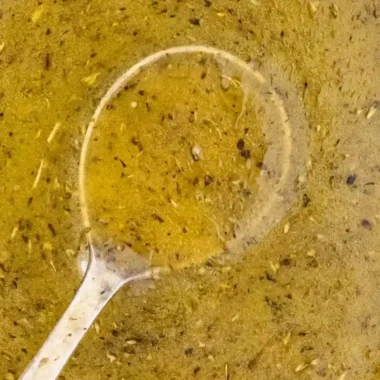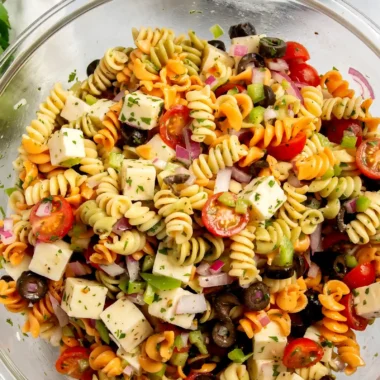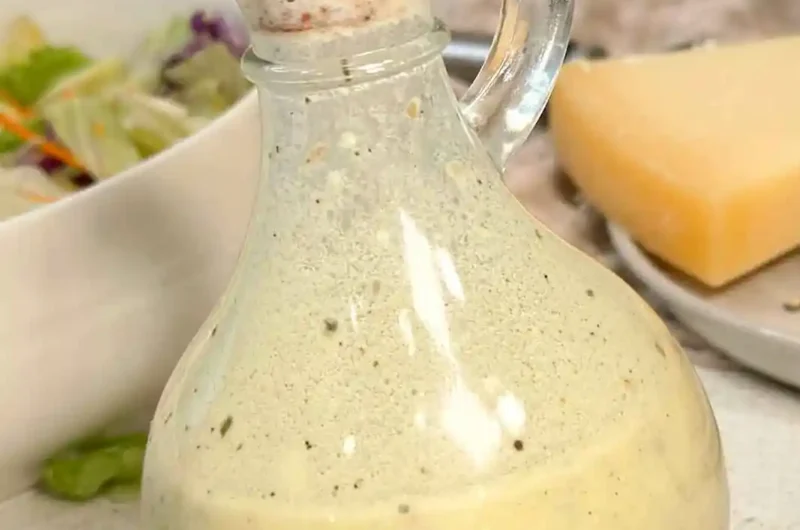
This homemade Italian dressing recreates the creamy and zesty flavor of the restaurant favorite. It takes only five minutes to prepare and works perfectly on fresh greens or pasta dishes.
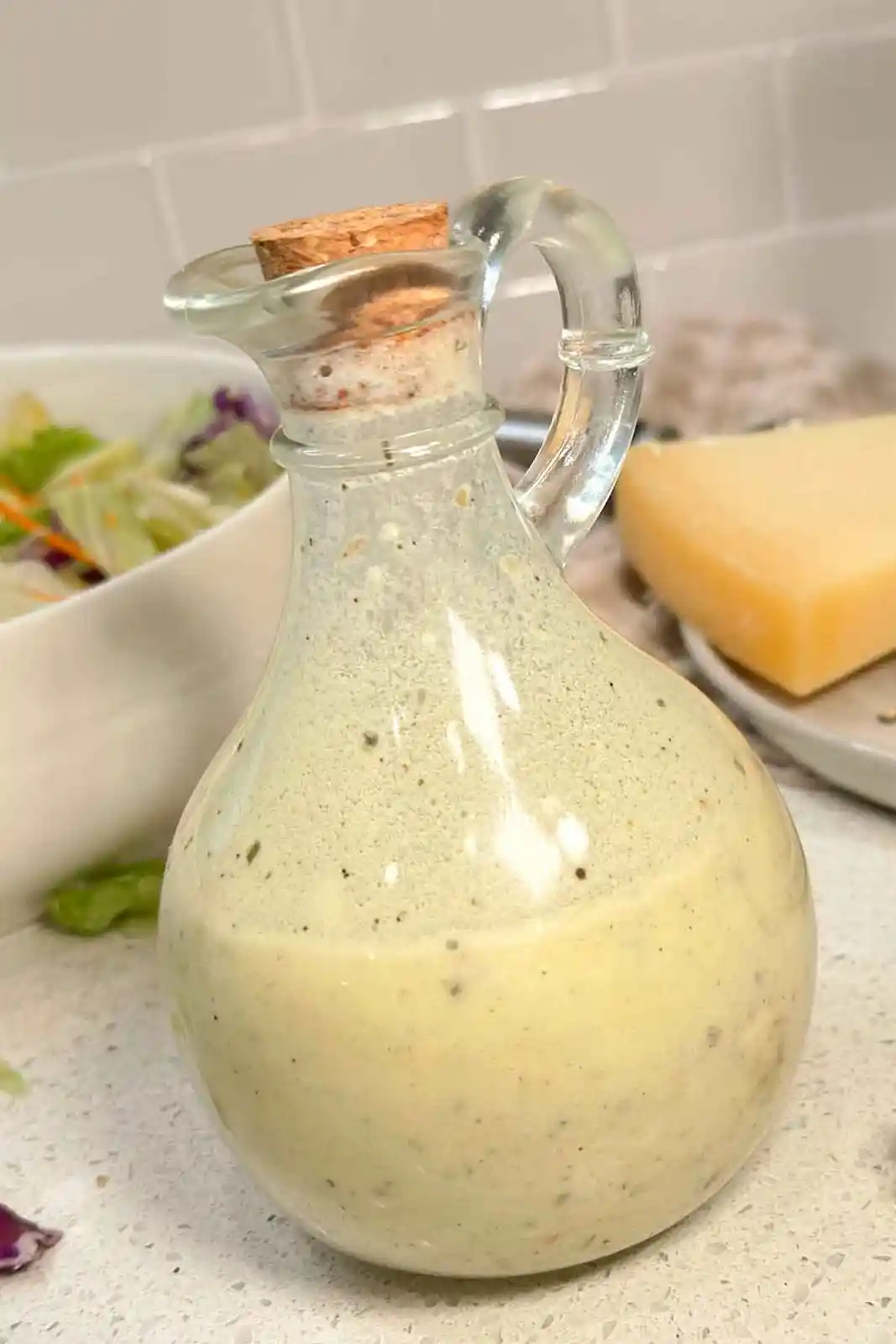
List of ingredients
- 1/2 cup olive oil – provides a smooth, rich base.
- 1/4 cup white vinegar – adds a sharp, tangy acidity.
- 3 Tbsp mayonnaise – creates a creamy emulsion.
- 1/2 Tbsp granulated sugar – balances the vinegar’s tartness.
- 3 fresh garlic cloves, minced – provides a pungent, aromatic kick.
- 1 Tbsp lemon juice – adds a bright, citrusy zest.
- 1/4 cup Parmesan cheese, grated (microbial-rennet) – adds a salty, nutty depth.
- 1/2 tsp salt – enhances all the existing flavors.
- 1/4 tsp ground black pepper – adds a subtle warmth.
- 1 tsp Italian seasoning – provides the classic herb profile.
step-by-step instructions
- Combine Ingredients: In a bowl or a glass jar, add the olive oil, white vinegar, mayonnaise, sugar, minced garlic, lemon juice, grated Parmesan, salt, black pepper, and Italian seasoning.
- Mix Thoroughly: Whisk the mixture or shake the jar vigorously until all components are well combined and the dressing is smooth.
- Serve and Store: Pour the dressing immediately over your favorite salad or transfer it to an airtight container for refrigeration.
Effective Mixing Techniques
Using a Mason Jar for Emulsion
Using a glass jar with a tight-fitting lid is one of the most efficient ways to combine these ingredients. Shaking the jar vigorously for 30 to 60 seconds helps the oil and vinegar emulsify more effectively than whisking. This method also makes the transition to storage seamless since the jar serves as the container.
Utilizing a Small Blender or Food Processor
For those who prefer a completely smooth texture, a small blender or food processor is ideal. This process breaks down the minced garlic into smaller particles, distributing the flavor more evenly throughout the dressing. It also creates a thicker, more stable emulsion that is less likely to separate over time.
The Traditional Whisking Method
If you prefer using a bowl, use a stainless steel balloon whisk for the best results. Slowly stream in the olive oil while whisking constantly to ensure the mayonnaise and vinegar bond. This manual process allows you to monitor the consistency and adjust the thickness as you go.
Ingredient Substitutions
Using Avocado Oil for a Neutral Taste
If you find the flavor of extra virgin olive oil too strong, avocado oil is a great alternative. It has a very neutral taste and a high smoke point, making the dressing taste lighter. It maintains the same creamy consistency while letting the garlic and herbs stand out more.
Substituting White Vinegar with Apple Cider Vinegar
Apple cider vinegar can be used as a replacement for white vinegar to introduce a slightly fruitier note. This substitution makes the dressing a bit milder and less sharp. It pairs particularly well with salads that contain apple slices or dried cranberries.
Replacing Mayonnaise with Plain Greek Yogurt
For a version with more protein and a tangier profile, swap the mayonnaise for plain Greek yogurt. This keeps the dressing creamy but reduces the fat content significantly. Be aware that the yogurt version may have a slightly thicker consistency.
Using Maple Syrup Instead of Sugar
If you prefer a liquid sweetener, maple syrup or honey can replace granulated sugar. These options blend more easily into cold dressings without the risk of sugar granules remaining. Maple syrup adds a very subtle depth of flavor that complements the Parmesan cheese.
Plant-Based Cheese Alternatives
To make the dressing without traditional cheese, use nutritional yeast in equal proportions to the Parmesan. Nutritional yeast provides a similar nutty and savory flavor profile. This is an excellent way to maintain the zesty character of the dressing while using plant-based ingredients.
Flavor Variations
Adding a Spicy Element
To introduce some heat, add a pinch of crushed red pepper flakes or a teaspoon of sriracha to the mix. The spice cuts through the richness of the mayonnaise and oil. This variation is excellent when served over a salad with grilled shrimp or chicken.
Incorporating Fresh Herbs
While Italian seasoning is convenient, adding finely chopped fresh parsley, basil, or oregano elevates the taste. Fresh herbs provide a brighter, more garden-fresh aroma. Start with one tablespoon of mixed chopped herbs for the best balance.
Intensifying the Citrus Notes
For a more vibrant flavor, add the grated zest of one lemon along with the lemon juice. The zest contains essential oils that provide a more concentrated citrus aroma. This makes the dressing feel lighter and more refreshing during summer months.
Increasing the Creaminess
If you prefer a dressing that is more like a sauce, increase the mayonnaise by an additional tablespoon. This results in a thicker coating that clings better to large leaf lettuces like Romaine. It also helps the dressing stay on the greens longer without pooling at the bottom of the bowl.
Serving Suggestions
Traditional Garden Salad Pairing
This dressing is designed for a classic garden salad featuring romaine lettuce, sliced cucumbers, cherry tomatoes, and black olives. The tanginess of the dressing balances the freshness of the vegetables. Adding some sliced red onions adds an extra layer of sharpness that complements the zesty profile.
Cold Pasta Salad Application
Toss the dressing with cooked rotini or fusilli pasta, diced bell peppers, and cubed microbial-rennet mozzarella. Because the dressing is creamy, it coats the pasta evenly and absorbs into the noodles. This makes it a hearty side dish for picnics or barbecues.
Using as a Vegetable Dip
Instead of pouring it over greens, use the dressing as a dip for raw vegetable sticks. Carrots, celery, and broccoli florets pair well with the garlic and Parmesan flavors. It serves as a more flavorful and savory alternative to traditional ranch dressing.
Marinating Grilled Proteins
A small amount of this dressing can be used as a glaze for grilled chicken breast or shrimp. The acidity from the vinegar and lemon juice helps tenderize the meat. Brush it on during the last few minutes of cooking for a zesty finish.
Storage and Preservation
Choosing the Right Container
Always store the dressing in a glass jar or an airtight glass container. Glass is non-reactive and does not absorb smells from the garlic and vinegar. A tight seal prevents oxidation, which keeps the olive oil from tasting rancid over time.
Optimal Refrigeration Time
Keep the dressing in the coldest part of your refrigerator, away from the door. It will remain fresh and flavorful for 4 to 5 days. Beyond this window, the fresh garlic can develop a very strong, fermented taste that may overpower the other ingredients.
Preventing Cross-Contamination
Use a clean, dry spoon every time you scoop the dressing from the jar. Introducing food particles or saliva into the container can lead to bacterial growth. This simple habit ensures the dressing lasts for the full five-day shelf life.
Managing Temperature and Texture
Since olive oil and mayonnaise can thicken in the cold, the dressing may seem too solid upon removal from the fridge. Let it sit at room temperature for 10 to 15 minutes before serving. This softens the fats and restores the ideal pouring consistency.
Refreshing and Fixing the Dressing
Re-emulsifying Separated Oil
It is normal for the oil to separate from the vinegar and mayo after sitting in the fridge. To fix this, simply shake the jar vigorously or whisk it for 15 seconds. This reconnects the fat and acid components into a smooth, uniform sauce.
Adjusting a Too-Thick Consistency
If the dressing becomes overly thick due to the Parmesan cheese or cold temperatures, whisk in a teaspoon of water or extra lemon juice. Add the liquid one teaspoon at a time until the desired pourable consistency is reached. This restores the balance without diluting the flavor.
Troubleshooting Common Issues
Reducing Excessive Tanginess
If the white vinegar makes the dressing too sharp for your taste, add another tablespoon of olive oil. The fat in the oil helps neutralize the acidity of the vinegar. Stir in a small pinch of extra sugar if the sharpness persists.
Fixing an Overly Salty Flavor
Too much salt can occur if the Parmesan cheese is particularly salty. To fix this, stir in an extra tablespoon of mayonnaise or unsalted Greek yogurt. This increases the volume of the dressing, which dilutes the salt concentration.
Balancing Pungent Garlic
Fresh garlic varies in strength, and sometimes it can overpower the dressing. If the garlic is too intense, add a small amount of granulated sugar or more lemon juice. These ingredients help mask the sulfurous notes of the raw garlic.
Correcting a Watery Texture
If the dressing feels too thin or watery, stir in an extra tablespoon of finely grated Parmesan cheese. The cheese acts as a natural thickening agent. Alternatively, adding a small amount of extra mayonnaise will stabilize the emulsion.
Frequently Asked Questions
Is this dressing gluten-free?
Yes, this recipe is naturally gluten-free as it uses oil, vinegar, and cheese. Always check the label on your store-bought mayonnaise to ensure no gluten-containing thickeners are added.
Can I use garlic powder instead of fresh cloves?
Yes, you can replace the 3 minced garlic cloves with 1 teaspoon of garlic powder. The flavor will be slightly more muted and less pungent than fresh garlic, but the texture will be smoother.
How do I make this version vegan?
To make this vegan, use a plant-based mayonnaise and replace the Parmesan cheese with nutritional yeast or a vegan parmesan alternative. The rest of the ingredients are already plant-based.
Can I use rice vinegar instead of white vinegar?
You can use rice vinegar, but be aware that it is milder and slightly sweeter than white vinegar. You may need to add a small amount of extra lemon juice to maintain the same zesty level.
Print
Homemade Zesty Italian Salad Dressing
- Total Time: 5 minutes
- Yield: 1 cup dressing 1x
- Diet: General
Description
Make the best copycat Olive Garden dressing recipe! Zesty and tangy dressing that is loaded with flavors, so delicious.
Ingredients
- 1/2 cup olive oil
- 1/4 cup white vinegar
- 3 Tbsp mayonnaise
- ½ Tbsp granulated sugar
- 3 fresh garlic cloves (minced)
- 1 Tbsp lemon juice
- 1/4 cup Parmesan cheese (grated)
- ½ tsp salt
- ¼ tsp ground black pepper
- 1 tsp Italian seasoning
Instructions
- Mix: In a bowl or jar, mix together the olive oil, vinegar, mayo, sugar, minced garlic, lemon juice, parmesan cheese, salt, pepper, and Italian seasoning until well combined.
- Serve: Serve over salad and store until ready to enjoy.
Notes
Store the salad dressing in an airtight container or dressing jar in the fridge for up to 4-5 days.
- Prep Time: 5 minutes
- Cook Time: 0 minutes
- Category: Salad
- Method: Whisking
- Cuisine: Italian
Nutrition
- Serving Size: 2 Tbsp
- Calories: 175 kcal
- Sugar: 1 g
- Sodium: 180 mg
- Fat: 18.5 g
- Saturated Fat: 4 g
- Unsaturated Fat: 14.5 g
- Trans Fat: 0 g
- Carbohydrates: 1.5 g
- Fiber: 0.2 g
- Protein: 1.1 g
- Cholesterol: 3 mg
Keywords: olive garden dressing, copycat, salad dressing