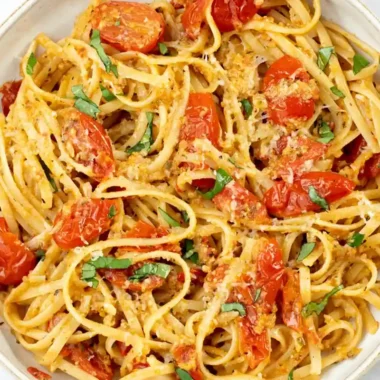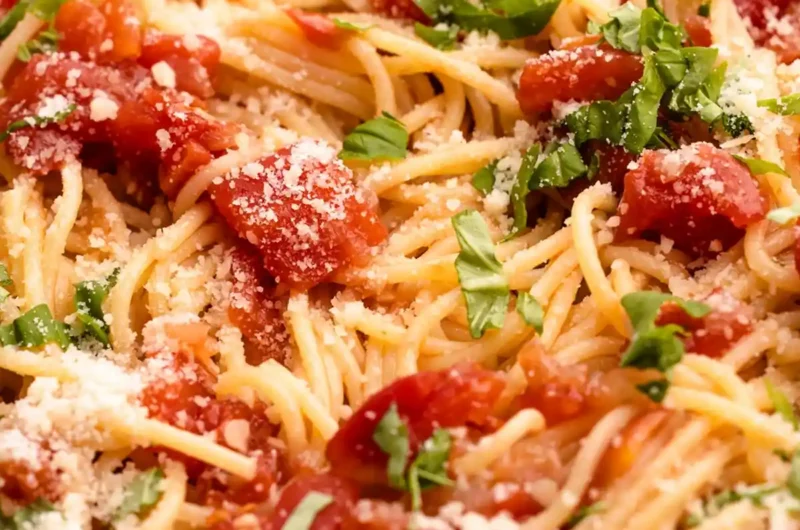
This quick tomato basil pasta is a reliable weeknight meal that relies on simple pantry staples for a classic flavor profile. It is an efficient dish that brings together fresh herbs and tangy tomatoes in under twenty minutes.
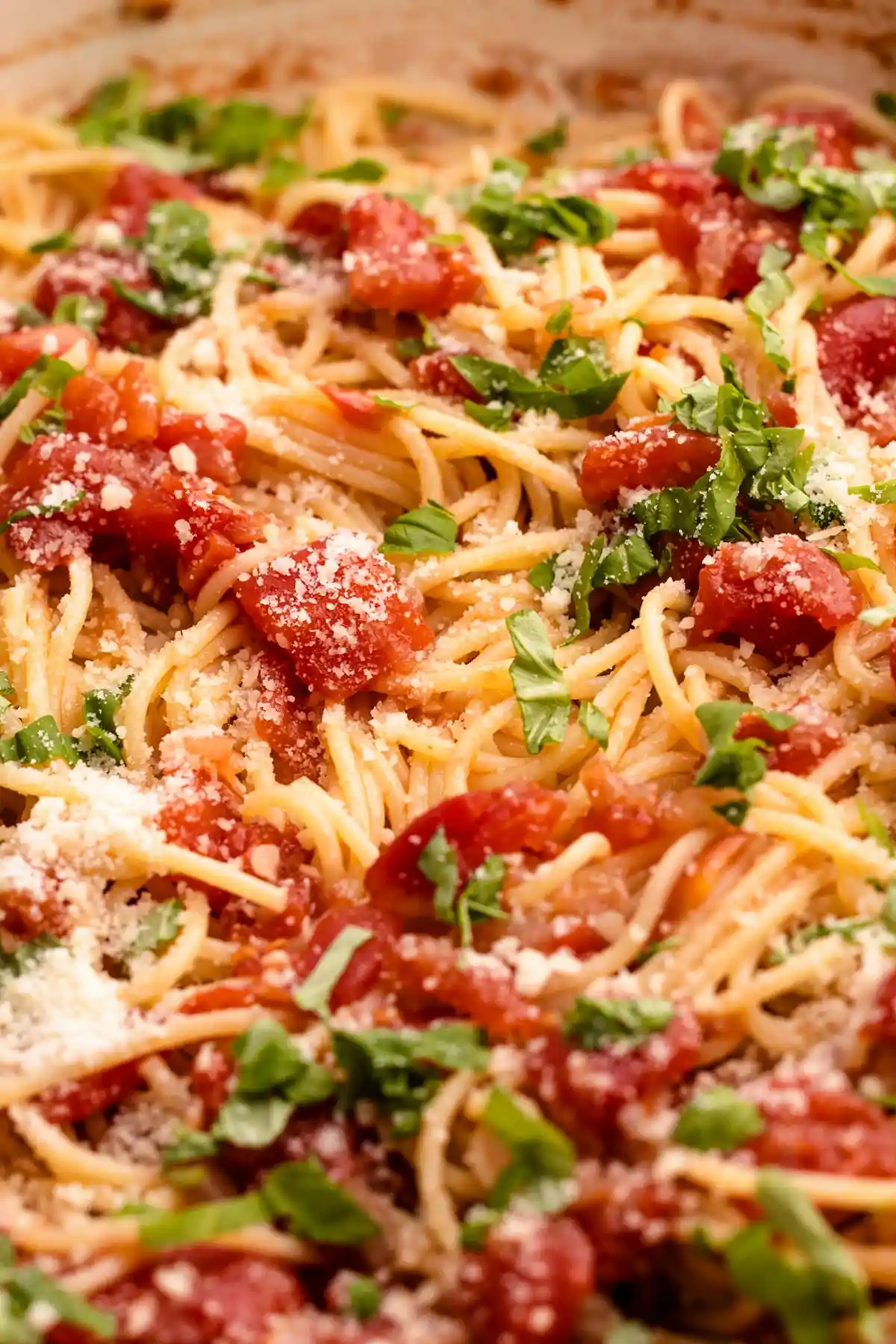
List of ingredients
- 2 tablespoon olive oil – used for sautéing the aromatic base.
- 1 small yellow onion, diced – provides a subtle sweetness.
- 4 garlic cloves, minced – adds depth and a savory punch.
- Salt and pepper – essential for seasoning throughout the process.
- 1 (28-ounce) can diced tomato, drained – the primary base of the sauce.
- 1-2 tablespoons balsamic vinegar – introduces acidity and a hint of sweetness.
- ½-1 cup pasta water – reserved from the pot to emulsify the sauce.
- 16 ounces thin spaghetti or angel hair – the preferred pasta for this light sauce.
- ½ cup basil, chopped – fresh leaves for a bright, herbal finish.
- ½ cup parmesan cheese, grated (microbial rennet) – for a salty, nutty flavor.
step-by-step instructions
- Cook Pasta: Boil a large pot of salted water and cook the thin spaghetti or angel hair according to the package instructions.
- Sauté Aromatics: Heat the olive oil in a large pan over medium-low heat. Once hot, add the diced onions, minced garlic, and a generous pinch of salt and pepper, cooking until the vegetables are softened, which takes about 5 minutes.
- Simmer Tomatoes: Stir in the drained diced tomatoes and the balsamic vinegar. Allow the mixture to cook and reduce slightly for approximately 5-8 minutes.
- Emulsify and Combine: When the pasta is nearly finished, stir ½ cup of the reserved pasta cooking water into the tomato mixture. Drain the pasta and add it directly to the pan with the sauce, along with the chopped basil and grated parmesan cheese. Toss everything together until well combined.
- Final Seasoning: Taste the pasta and add more fresh basil or salt if necessary. Serve the dish immediately while hot.
Tomato Selection Guide
Using Canned San Marzano Tomatoes
For the best results with canned tomatoes, seek out the San Marzano variety. These tomatoes are grown in volcanic soil, which gives them a lower acidity level and a thicker flesh. They create a more balanced sauce that doesn’t require as much sugar or balancing agents to taste sweet.
Fresh Tomato Alternatives
If you prefer fresh tomatoes over canned, you will need approximately 2.5 cups of diced fresh produce. Roma or cherry tomatoes are ideal because they have a lower water content and a higher flavor concentration. Ensure the tomatoes are fully ripe to maximize the natural sweetness of the dish.
Blanching Fresh Tomatoes for Texture
To prevent tough skins from appearing in your pasta, blanch your fresh tomatoes before dicing. Score a small X into the bottom of each tomato, boil them for 30-60 seconds, and then plunge them into ice water. The skins will slip off easily, leaving you with a smooth, professional-grade sauce texture.
Pasta Preparation and Variety
Choosing Between Angel Hair and Thin Spaghetti
Angel hair pasta is extremely thin and cooks in just a few minutes, making it the fastest option for a quick meal. Thin spaghetti offers a bit more bite and structure, which can be preferable if you plan to add heavier vegetables or proteins to the dish.
Cooking Pasta Al Dente
Always aim to cook your pasta al dente, meaning it still has a slight firmness in the center. Since the pasta will continue to cook for a minute or two while being tossed in the pan with the sauce, undercooking it slightly in the water prevents it from becoming mushy.
The Importance of Salting the Water
Salt the pasta water generously until it tastes like the sea. This is the only opportunity to season the pasta noodles themselves, which enhances the overall flavor of the final dish. Without salted water, the pasta may taste bland regardless of how well the sauce is seasoned.
Flavor Optimization Techniques
The Role of Balsamic Vinegar
Balsamic vinegar is a critical component of this recipe because it adds a complex acidity that cuts through the richness of the olive oil. It provides a subtle sweetness that mimics the flavor of slow-cooked tomato sauces, allowing you to achieve a deep taste in a fraction of the time.
Preventing Garlic from Burning
Garlic burns quickly over high heat, which can introduce a bitter taste to the entire pan. By keeping the heat on medium-low and sautéing the garlic alongside the onions, you ensure the garlic softens and releases its oils without scorching.
Adding Basil at the Final Stage
Fresh basil is delicate and loses its vibrant color and aromatic oils if cooked for too long. Stirring the chopped leaves into the pasta at the very end preserves the bright green hue and the fresh, peppery scent of the herb.
Dietary Substitutions
Vegan Cheese Alternatives
To make this recipe plant-based, replace the parmesan cheese with nutritional yeast or a vegan parmesan alternative. Nutritional yeast provides a similar nutty, cheesy flavor while remaining entirely dairy-free. You can also use a sprinkle of toasted breadcrumbs for added texture.
Gluten-Free Pasta Options
This sauce pairs well with gluten-free pasta made from brown rice, chickpeas, or lentils. Be cautious when cooking gluten-free noodles, as they often have a narrower window between being undercooked and overcooked compared to wheat pasta.
Avoiding Alliums
If you cannot use onion or garlic, replace them with a small amount of asafoetida powder or a handful of chopped chives added at the end. While the flavor profile will change, the balsamic vinegar and basil will still provide a satisfyingly tangy base.
Serving and Presentation
Complementary Side Dishes
Pair this pasta with a crisp green salad tossed in a simple lemon vinaigrette to balance the richness. Toasted garlic bread made with olive oil and parsley is another excellent addition that helps soak up any remaining sauce on the plate.
Adding Fresh Garnishes
Beyond the basil and parmesan already in the recipe, consider garnishing with a few whole basil leaves and a drizzle of high-quality extra virgin olive oil. A pinch of red pepper flakes can be added on top for those who prefer a slight spicy kick.
Non-Alcoholic Beverage Pairings
A chilled sparkling water with a squeeze of fresh lemon or lime complements the acidity of the tomato sauce. For a more complex flavor, a chilled iced tea with a hint of mint provides a refreshing contrast to the savory pasta.
Storage and Reheating Guide
Refrigerator Storage
Store any leftovers in an airtight container in the refrigerator for up to three days. Because the pasta continues to absorb moisture from the sauce over time, you may notice that the dish becomes thicker and drier as it sits.
Preventing Pasta from Drying Out
To prevent the noodles from becoming a solid mass, toss the leftovers with a teaspoon of olive oil before refrigerating. This creates a light barrier that keeps the strands separate and preserves the texture for the next day.
Optimal Reheating Methods
When reheating on the stovetop, add a splash of water or the reserved tomato juice to the pan. This re-emulsifies the sauce and restores the creamy consistency. If using a microwave, cover the dish with a damp paper towel to trap steam and keep the pasta moist.
Troubleshooting Common Issues
Fixing a Thin or Watery Sauce
If the sauce feels too thin, allow the tomato and vinegar mixture to simmer for an additional 3-5 minutes before adding the pasta. This further reduces the liquid and concentrates the flavors, resulting in a thicker coating for the noodles.
Balancing Excessive Acidity
If the tomatoes or vinegar make the sauce too tart, add a tiny pinch of granulated sugar or a small pat of unsalted butter. These additions neutralize the sharp acidic notes without making the sauce taste sweet.
Preventing Sticky Pasta
To avoid clumping, never rinse your pasta after draining it. The surface starch is necessary for the sauce to adhere to the noodles; rinsing removes this starch and prevents the sauce from sticking, leaving the pasta tasting bland.
Frequently Asked Questions
Can I use cherry tomatoes instead of canned?
Yes, you can use halved cherry tomatoes. Sauté them until they burst and release their juices to create a fresh, chunky sauce that is slightly sweeter than the canned version.
Is dried basil a suitable replacement for fresh?
Dried basil can be used if fresh is unavailable, but use only one-third of the amount called for in the recipe. Stir the dried basil in with the tomatoes rather than at the end, as it needs heat and moisture to rehydrate.
Can I add protein to this recipe?
This pasta works well with grilled shrimp, chickpeas, or sliced sautéed mushrooms. Add these proteins to the pan just before tossing in the pasta to ensure they are heated through.
Why should I drain the canned tomatoes?
Draining the tomatoes prevents the dish from becoming too watery, turning it into a light pasta with tomatoes rather than a heavy soup-like sauce. This keeps the texture refined and allows the balsamic vinegar to shine.
Print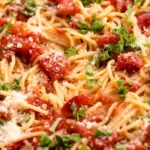
Quick Tomato Basil Pasta
- Total Time: 17 minutes
- Yield: 4–6 servings 1x
- Diet: Vegetarian
Description
With classic flavors we all know and love, this Tomato Basil Pasta uses pantry staples and can be made with either canned tomatoes or fresh! This recipe is one you’ll come back to over and over.
Ingredients
- 2 tablespoon olive oil
- 1 small yellow onion, diced
- 4 garlic cloves, minced
- Salt and pepper
- 1 (28-ounce) can diced tomato, drained
- 1–2 tablespoons balsamic vinegar
- ½–1 cup pasta water
- 16 ounces thin spaghetti or angel hair
- ½ cup basil, chopped
- ½ cup parmesan cheese, grated
Instructions
- Step: Cook pasta according to package instructions.
- Step: Heat olive oil in a large pan over medium-low heat. Once hot, add onions, garlic and a big pinch of salt, pepper and cook until softened, about 5 minutes.
- Step: Add tomatoes and balsamic vinegar and cook until slightly reduced about 5-8 minutes.
- Step: When pasta is done, add ½ cup of the pasta cooking water to the tomatoes. Drain pasta and add it to the tomato sauce along with the basil, and parmesan cheese. Toss to combine.
- Step: Taste and add more basil and salt as needed. Serve immediately.
Notes
Draining the tomatoes help distinguish this dish from feeling more like a tomato sauce pasta instead of a pasta with tomatoes. Set aside the strained juice for another purpose.
- Prep Time: 2 minutes
- Cook Time: 15 minutes
- Category: Pasta
- Method: Stovetop
- Cuisine: Italian
Nutrition
- Serving Size: 1 serving
- Calories: 410 kcal
- Sugar: 7 g
- Sodium: 620 mg
- Fat: 11 g
- Saturated Fat: 3 g
- Unsaturated Fat: 8 g
- Trans Fat: 0 g
- Carbohydrates: 62 g
- Fiber: 5 g
- Protein: 14 g
- Cholesterol: 12 mg
Keywords: tomato basil pasta, quick pasta, 15-minute meal, vegetarian pasta