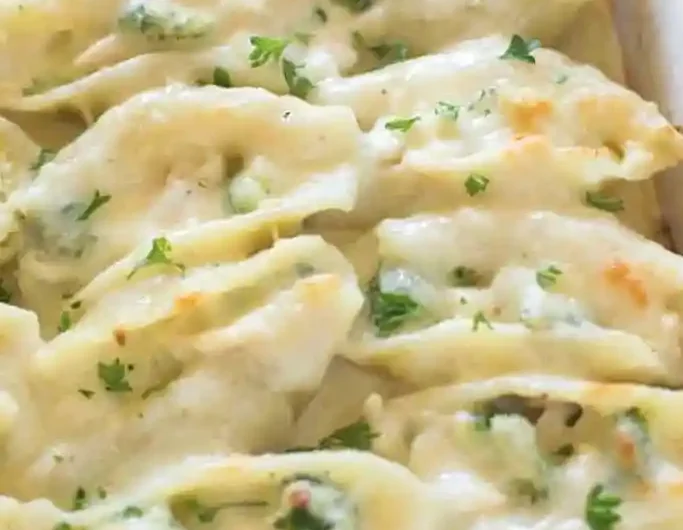
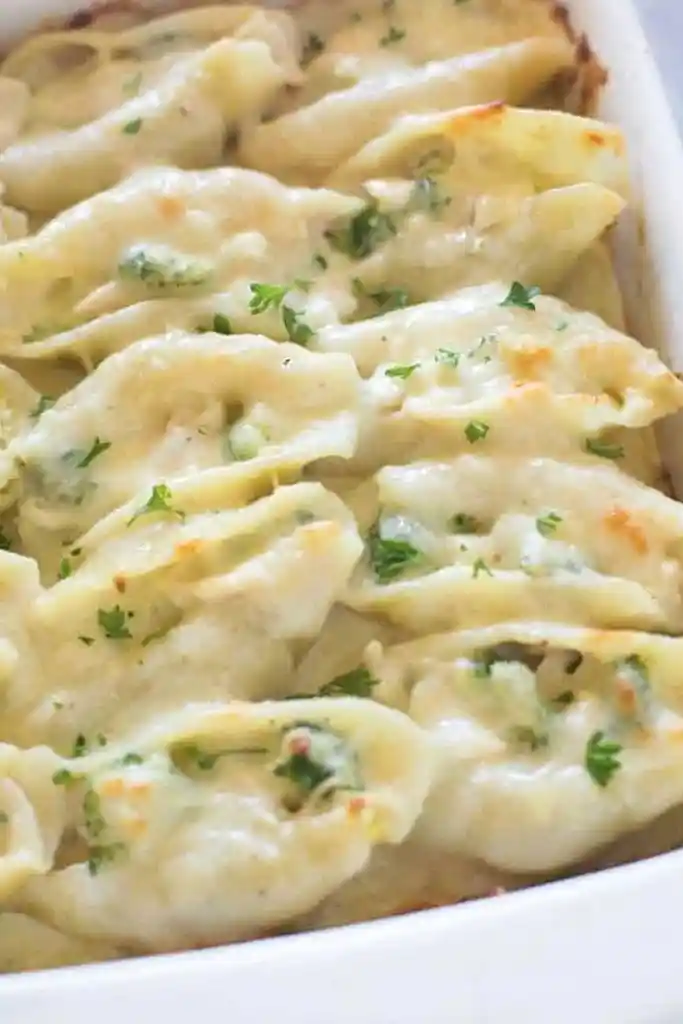
This creamy dish combines tender pasta shells with a rich chicken and broccoli filling. It is a satisfying meal that can be prepared in advance for easy entertaining.
List of ingredients
- 12 ounce box Jumbo pasta shells – cooked until al dente.
- 2 1/2 cups cooked chicken, shredded – rotisserie chicken works well.
- 1 1/2 cups fresh broccoli, steamed and chopped – ensure it is tender.
- 3 Tablespoons unsalted butter – for the base of the sauce.
- 3 cloves garlic, minced – provides a pungent aromatic base.
- 1 cup heavy whipping cream – adds richness and thickness.
- 1 1/4 cups whole milk – balances the cream.
- 2/3 cup freshly grated parmesan cheese – for a salty, nutty flavor.
- 3/4 cup shredded mozzarella cheese, divided – used in the sauce and as a topping.
- 2 large egg yolks, beaten – used to thicken and enrich the sauce.
- salt and freshly ground black pepper, to taste – for seasoning.
step-by-step instructions
- Prepare the pasta: Cook the jumbo shells according to the package directions until they are just al dente. Drain them and spread them out on a large dish or sheet pan to cool so they do not stick together.
- Simmer the sauce base: In a saucepan over medium heat, combine the unsalted butter, minced garlic, heavy whipping cream, and whole milk. Bring the mixture to a gentle simmer.
- Temper the eggs: Beat the egg yolks in a small bowl. Slowly add a spoonful of the hot milk mixture to the eggs, stirring constantly to temper them. Repeat this with several more spoonfuls before slowly stirring the egg mixture back into the saucepan.
- Finish the sauce: Remove the pan from the heat. Stir in the freshly grated parmesan cheese and 1/4 cup of the shredded mozzarella cheese. Season the sauce with salt and black pepper to taste.
- Combine the filling: In a large mixing bowl, toss together the shredded cooked chicken, steamed chopped broccoli, and 1/2 cup of the prepared alfredo sauce until well combined.
- Assemble the dish: Spread a spoonful of alfredo sauce on the bottom of a 9×13 inch baking pan. Fill each cooked shell with a generous spoonful of the chicken and broccoli mixture and place them in the pan.
- Top and Bake: Pour the remaining alfredo sauce evenly over the stuffed shells. Sprinkle the remaining 1/2 cup of mozzarella cheese over the top.
- Final Cook: Bake in a preheated oven at 350 degrees F for 25 to 30 minutes, or until the sauce is warm and bubbly.
Mastering the Alfredo Sauce
Tempering Eggs to Prevent Curdling
Adding raw egg yolks directly into boiling liquid can cause them to scramble. By slowly adding a small amount of hot liquid to the yolks first, you raise their temperature gradually. This ensures a smooth, creamy emulsion once the eggs are incorporated into the main pot.
Using High-Fat Dairy for Stability
Using heavy whipping cream and whole milk provides the necessary fat content to keep the sauce stable. Low-fat alternatives can sometimes cause the sauce to break or become too thin during the baking process. The fat helps encapsulate the flavors and creates a velvety texture.
Choosing Freshly Grated Parmesan
Pre-shredded cheeses are often coated in potato starch or cellulose to prevent clumping in the bag. This coating can interfere with the melting process, resulting in a grainy sauce. Freshly grating your parmesan ensures a completely smooth melt.
Controlling the Simmer
It is important to keep the dairy mixture at a simmer rather than a rolling boil. Excessive heat can cause the cream to separate or the milk to scorch at the bottom of the pan. A gentle bubble is sufficient to infuse the garlic and thicken the liquid.
Preparing the Filling Components
Utilizing Rotisserie Chicken for Efficiency
Using a pre-cooked rotisserie chicken saves significant time and adds a deep, savory flavor to the shells. Ensure the chicken is shredded finely so it mixes evenly with the broccoli and sauce. Avoid using overly large chunks to make filling the shells easier.
Achieving the Right Broccoli Texture
Steaming broccoli keeps the vegetable vibrant and prevents it from becoming waterlogged, which can happen with boiling. Chop the florets into small, bite-sized pieces so they distribute evenly throughout the chicken mixture. Overcooking the broccoli at this stage can lead to mushiness after baking.
Preventing Filling Moisture Leakage
If the broccoli is too wet, it can release water into the shells during baking, making the sauce runny. Pat the steamed broccoli dry with a paper towel before mixing it with the chicken and sauce. This maintains the integrity of the filling.
Balancing Seasoning in the Mix
Taste the chicken and broccoli mixture before stuffing the shells. Since the alfredo sauce is rich, a pinch of extra black pepper can cut through the creaminess. Ensure the salt level is balanced, considering the saltiness of the parmesan cheese.
Pasta Handling and Assembly
Cooking Shells to Al Dente
Pasta continues to cook while in the oven, so it is crucial to undercook the shells slightly on the stovetop. If they are fully cooked before baking, they may become too soft or collapse. Aim for a firm bite to ensure they hold their shape.
Cooling Shells to Prevent Sticking
Freshly drained pasta is sticky due to the surface starch. Laying the shells out on a large baking sheet or platter allows them to cool quickly and separately. This makes the stuffing process much faster and prevents the shells from tearing.
Efficient Stuffing Techniques
Use a sturdy spoon or a piping bag to fill the shells. Start with a small amount of sauce at the bottom of the pan to prevent the pasta from sticking to the glass or metal. Ensure each shell is filled completely but not overstuffed to avoid bursting.
Even Sauce Distribution
Pour the remaining sauce in a zig-zag motion across the pan to ensure every shell is covered. This protects the pasta from drying out in the oven. The sauce acts as a moisture barrier, keeping the interiors juicy.
Customizing Your Recipe
Adding Spinach for Extra Nutrients
Fresh baby spinach can be stirred into the filling along with the broccoli. Sauté the spinach briefly until wilted and squeeze out any excess liquid before adding. This adds a pop of color and additional vitamins to the dish.
Incorporating Mushrooms for Earthiness
Sautéed mushrooms provide a savory depth that complements the chicken and cream. Brown the sliced mushrooms in butter until the moisture has evaporated. Mix them into the filling for a more complex flavor profile.
Substituting Protein Options
While chicken is traditional, this recipe works well with shredded turkey or grilled shrimp. If using shrimp, chop them into small pieces and ensure they are only partially cooked before stuffing. This prevents the seafood from becoming rubbery during the bake.
Using Different Cheese Blends
While mozzarella provides the best stretch, you can substitute it with provolone or fontina for a sharper taste. Mixing in a small amount of Pecorino Romano can increase the saltiness and tang of the overall dish.
Storage and Preservation
Refrigerating Leftovers Properly
Store leftover stuffed shells in an airtight container in the refrigerator for up to three days. Because the dish is dairy-heavy, ensure the container is sealed tightly to prevent the pasta from absorbing fridge odors. Allow the dish to cool slightly before sealing to avoid condensation.
Freezing Unbaked Shells
To freeze for later, assemble the shells in a disposable aluminum pan without baking them. Cover the pan tightly with plastic wrap, followed by a double layer of heavy-duty aluminum foil to prevent freezer burn. These can be stored in the freezer for up to two months.
Thawing Frozen Pasta Dishes
For the best results, thaw the frozen pan in the refrigerator overnight. This ensures the center of the dish reaches the correct temperature during baking without overcooking the edges. Avoid thawing in the microwave as it can create uneven hot spots.
Baking from Frozen
If you must bake from frozen, cover the pan with foil and bake at 350 degrees F for 45 minutes. Remove the foil and bake for an additional 15 to 20 minutes until bubbly. This longer process ensures the filling is heated through safely.
Reheating for Quality
Oven Reheating for Consistency
To maintain the creamy texture, reheat individual portions in the oven at 325 degrees F. Cover the dish with foil to trap the steam and prevent the sauce from drying out. Heat until the center is warm and the cheese is melted.
Microwave Tips for Single Servings
When using a microwave, add a teaspoon of milk or water to the plate before heating. This creates a small amount of steam that helps loosen the alfredo sauce. Heat in short 30-second intervals, stirring gently if possible.
Preventing Sauce Separation
Avoid overheating the dish, as this can cause the fats in the cream and cheese to separate. If the sauce looks oily after reheating, stir in a tiny splash of warm milk to re-emulsify the mixture. Keep the heat moderate to preserve the emulsion.
Troubleshooting Common Issues
Fixing a Broken or Curdled Sauce
If the sauce separates during the simmering stage, whisk in a tablespoon of cornstarch slurry (cornstarch mixed with cold water). Heat gently while whisking constantly to bring the sauce back together. This helps stabilize the fats and liquids.
Preventing Mushy Pasta
If your shells are consistently too soft, reduce the boiling time by two minutes. The pasta will absorb moisture from the sauce and finish cooking in the oven. This results in a better structure and a more professional texture.
Correcting Overly Thick Filling
If the chicken and broccoli mixture feels too dry before stuffing, add an extra tablespoon of the alfredo sauce. The filling should be moist but not liquid. A creamy consistency ensures the shells are flavorful throughout.
Managing Sauce Thickness
If the final sauce is too thick after adding the cheese, stir in a small amount of the pasta cooking water. The starchy water helps thin the sauce while maintaining a glossy appearance. Do this while the sauce is still warm.
Frequently Asked Questions
Can I use ricotta cheese in the filling?
While this recipe uses alfredo sauce as a binder, you can add a half-cup of ricotta cheese to the chicken mixture for a creamier, more traditional stuffed shell texture. Just ensure you balance the salt since ricotta is mild.
How long do these last in the fridge?
Once baked, the stuffed shells will stay fresh for 3 to 4 days when stored in an airtight container. Always reheat them thoroughly to ensure food safety.
Can I use frozen broccoli?
Yes, frozen broccoli can be used if it is thawed and squeezed completely dry. If it remains too wet, it will dilute the alfredo sauce and make the shells watery.
Can I make this dish without egg yolks?
You can omit the egg yolks, but the sauce will be thinner and less rich. To compensate for the loss of thickness, you can simmer the cream and milk longer to reduce the liquid or add a small amount of a roux.
Print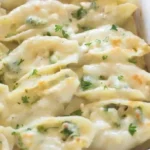
Chicken Alfredo Stuffed Shells
- Total Time: 60 minutes
- Yield: 6 servings 1x
- Diet: General
Description
Jumbo pasta shells filled with shredded chicken and broccoli, smothered in a rich and creamy homemade Alfredo sauce.
Ingredients
- 12 ounce box Jumbo pasta shells
- 2 1/2 cups cooked chicken, shredded
- 1 1/2 cups fresh broccoli, steamed and chopped
- 3 Tablespoons unsalted butter
- 3 cloves garlic, minced
- 1 cup heavy whipping cream
- 1 1/4 cups whole milk
- 2/3 cup freshly grated parmesan cheese
- 3/4 cup shredded mozzarella cheese, divided
- 2 large egg yolks, beaten
- salt and freshly ground black pepper, to taste
Instructions
- Step 1: Cook pasta according to package instructions until al dente, drain, and lay out on a large dish to cool.
- Step 2: Simmer butter, garlic, heavy cream, and milk in a saucepan over medium heat.
- Step 3: Temper beaten egg yolks by stirring in a few spoonfuls of the hot milk mixture, then stir the eggs into the saucepan and remove from heat.
- Step 4: Stir in Parmesan cheese and mozzarella, and season with salt and pepper to taste.
- Step 5: In a large bowl, toss together chicken, broccoli, and 1/2 cup of the prepared alfredo sauce.
- Step 6: Spread a spoonful of alfredo sauce in a 9×13 inch pan, fill shells with the chicken and broccoli mixture, and place in the pan.
- Step 7: Pour remaining sauce over the shells and sprinkle with the remaining 1/2 cup of mozzarella cheese.
- Step 8: Bake at 350 degrees F for 25-30 minutes or until warm and bubbly.
Notes
To make ahead, assemble the dish and refrigerate for up to 1 day before baking. For freezing, cook noodles 2-3 minutes less than al dente, assemble without baking, and freeze for up to 2 months. Thaw overnight in the fridge, bake covered with foil for 45 minutes, then uncovered for 15-20 minutes.
- Prep Time: 15 minutes
- Cook Time: 45 minutes
- Category: Main Course
- Method: Baking
- Cuisine: American, Italian
Nutrition
- Serving Size: 1 serving
- Calories: 769 kcal
- Sugar: 5 g
- Sodium: 409 mg
- Fat: 44 g
- Saturated Fat: 23 g
- Unsaturated Fat: 21 g
- Trans Fat: 0 g
- Carbohydrates: 58 g
- Fiber: 2 g
- Protein: 33 g
- Cholesterol: 228 mg
Keywords: chicken alfredo, stuffed shells, pasta, broccoli, dinner