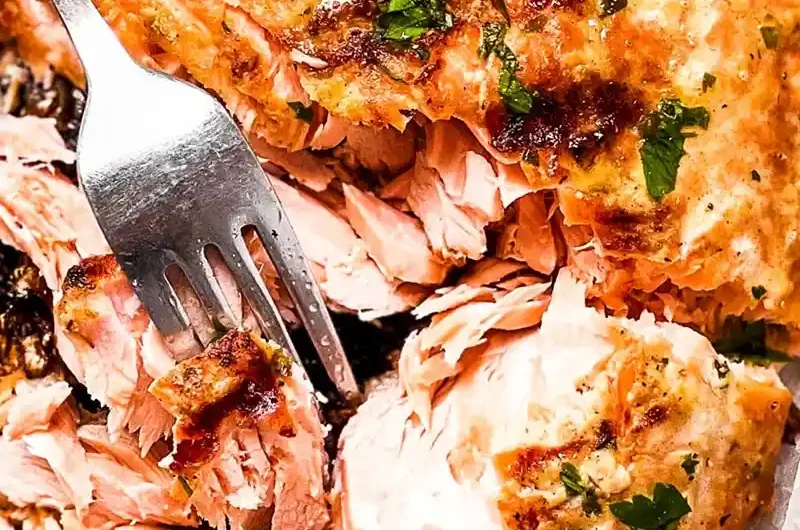
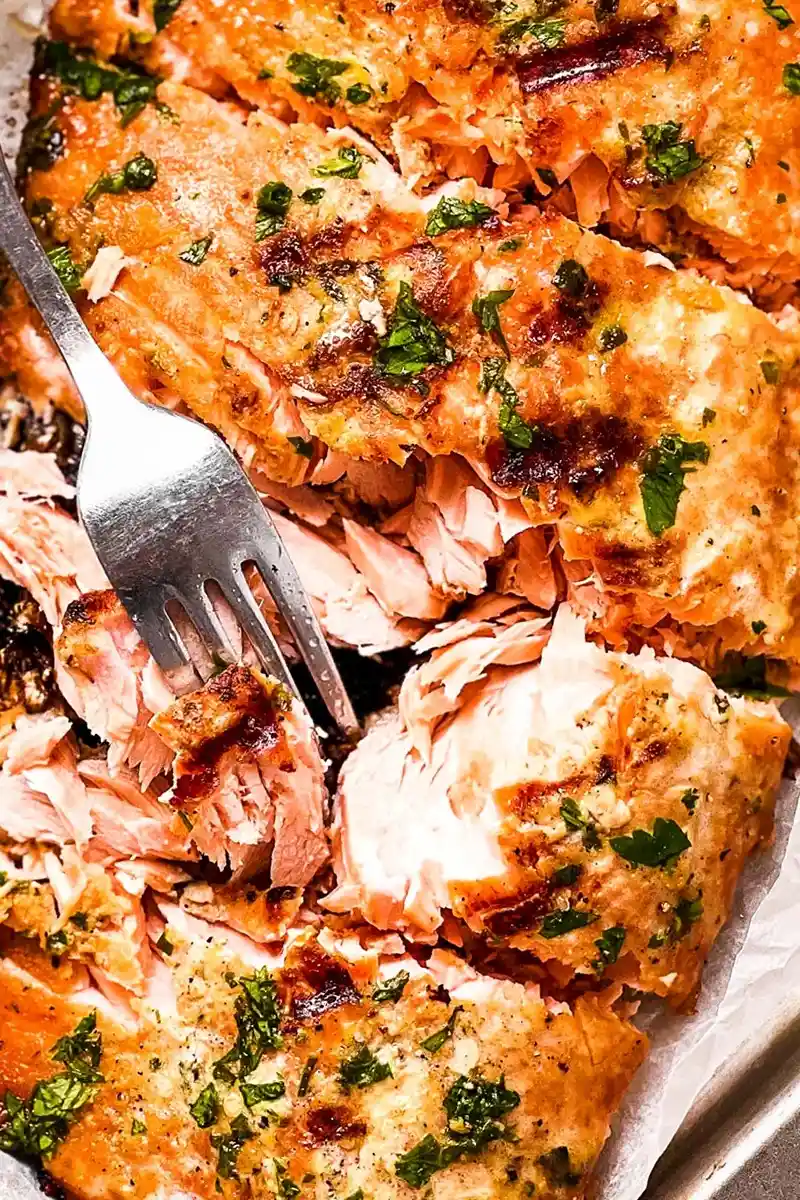
This savory salmon marinade uses a blend of citrus and umami elements to enhance the natural flavor of the fish. It is designed for versatility, working equally well for outdoor grilling or indoor oven baking.
List of ingredients
- 2 pounds salmon fillet – use a whole side or cut into 6-oz individual portions.
- 1/4 cup olive oil – provides a base for the marinade and prevents sticking.
- 1/3 cup soy sauce – use regular or reduced sodium based on your dietary preference.
- 3 tablespoons lemon juice – adds brightness and acidity.
- 1 tablespoon mild honey – helps with caramelization and balances the salt.
- 1 tablespoon brown sugar – optional, adds a deeper sweetness.
- 1 tablespoon chopped parsley – adds a fresh herbal note.
- 4 cloves garlic – minced finely, or adjust quantity to your taste.
- 1 teaspoon finely grated lemon zest – sourced from approximately one medium lemon.
- salt and pepper – add to taste after sampling the marinade.
step-by-step instructions
- Prepare the fish: Pat the salmon fillets dry with paper towels. Carefully feel the flesh for any remaining pin bones and remove them with tweezers.
- Mix the marinade: Combine the olive oil, soy sauce, lemon juice, honey, brown sugar, parsley, minced garlic, and lemon zest in a medium measuring jug. Whisk the mixture thoroughly until the honey and sugar are fully dissolved.
- Marinate the salmon: Place the salmon in a large zip-top bag, ideally at least 3 quarts in size. Pour the prepared marinade over the fish, remove as much air as possible from the bag, and seal it. Place the bag in a shallow dish to prevent leaks and refrigerate for 30 to 60 minutes.
- Initial cooking prep: Remove the fish from the bag and discard both the bag and the excess marinade. Do not reuse the marinade that has touched raw fish.
- Grilling method: Heat your grill to 400-450°F. Thoroughly oil the grates to prevent sticking. Grill the salmon skin-side down. For a whole fillet, cook for 10-12 minutes per inch of thickness (e.g., a 2-inch fillet takes about 20 minutes). Individual fillets typically take 8-10 minutes.
- Oven method: Preheat the oven to 375°F. Place the salmon in an oiled, shallow baking dish. Bake for 15-22 minutes depending on the size and thickness. Individual fillets usually require 12-15 minutes.
- Final resting: Transfer the cooked salmon to a plate and let it rest for 5 minutes before serving to allow the juices to redistribute.
Internal Temperature Guidelines
USDA Food Safety Standard
The US government’s food safety guidelines recommend cooking salmon to an internal temperature of at least 145°F (63°C). This ensures that any potential pathogens are destroyed, making it the safest choice for children, elderly guests, or immunocompromised individuals.
Chef Preferred Temperature
Many professional chefs prefer a lower internal temperature of 125°F to 130°F. At this range, the salmon remains more succulent and moist while still being flaky. If you choose this method, you accept a higher risk compared to the USDA standard.
Managing Carry-Over Cooking
Salmon continues to cook after being removed from the heat source. If you aim for a final temperature of 130°F, remove the fish from the grill or oven when the thermometer reads 120°F to 125°F. The 5-minute resting period will bring the internal temperature up to the desired level.
Marination Timing and Science
Ideal Marinating Window
The ideal window for marinating salmon is between 30 and 60 minutes. This provides enough time for the soy sauce and garlic to penetrate the surface without compromising the texture of the fish.
The Effect of Acid on Fish
Salmon is a delicate protein that reacts quickly to acid. The lemon juice in this recipe can begin to break down the muscle fibers if left too long, which may lead to a mushy texture. Because this marinade is oil-based, it is more forgiving than a pure citrus marinade.
Maximum Marination Limits
If necessary, you can leave the salmon in this specific marinade for 4 to 6 hours. However, exceeding this timeframe is not recommended as the fish will lose its structural integrity and may become overly salty.
Refrigeration Requirements
Always keep the salmon refrigerated during the marination process. Never marinate fish at room temperature, as this creates a danger zone where bacteria can multiply rapidly.
Ingredient Substitutions and Customizations
Using Orange instead of Lemon
You can replace the lemon juice and zest with orange juice and zest for a sweeter, more floral profile. When using orange, reduce the amount of honey and brown sugar by half, as orange juice contains more natural sugars than lemon juice.
Garlic Powder Alternative
If fresh garlic is unavailable, you can use dried garlic powder. Replace the 4 minced cloves with 1/2 to 1 teaspoon of garlic powder, whisking it thoroughly into the liquid base.
Adding Heat and Spice
To add a spicy kick, whisk in a pinch of red pepper flakes or a teaspoon of freshly minced ginger. This is particularly effective when paired with the soy sauce and honey for an Asian-inspired flavor profile.
Soy Sauce Alternatives
For those avoiding gluten, replace the soy sauce with tamari or coconut aminos. Tamari provides a similar salty, umami depth, while coconut aminos offer a slightly sweeter taste with lower sodium levels.
Storage and Make-Ahead Advice
Freezing Marinated Salmon
You can freeze marinated salmon for future meals. Marinate the fish for 30-60 minutes in the refrigerator, then drain the excess marinade before freezing. Remove all air from the zip-top bag to prevent freezer burn and label with the date.
Freezer Longevity
Marinated salmon can be stored in the freezer for up to 3 months. Ensure the bag is airtight and stored in the coldest part of the freezer to maintain quality.
Safe Defrosting Process
Defrost the salmon in the refrigerator for 6 to 8 hours before cooking. Avoid defrosting at room temperature or in warm water, as this can compromise the safety and texture of the fish.
Alternative Cooking Variations
Salmon Kabobs
This marinade works well for kabobs. Cut the salmon into 2-inch cubes and marinate them for 30 minutes. Thread the cubes onto soaked wooden skewers, alternating each piece of fish with a thinly sliced lemon round.
Grilling Kabobs
Grill the kabobs over medium-high heat, turning occasionally. Because the cubes are small, they cook much faster than fillets, so monitor them closely to prevent overcooking.
Air Fryer Method
For a faster alternative, place marinated fillets in an air fryer basket. Cook at 400°F for 7 to 10 minutes, depending on thickness, until the edges are caramelized and the center is opaque.
Serving Suggestions and Pairings
Fresh Summer Salads
Pair grilled salmon with a Greek Orzo Salad or a Mediterranean Couscous Salad. The acidity of the feta and vinaigrettes in these salads complements the savory soy notes of the marinade.
Corn-Based Sides
Grilled corn on the cob or a summer corn salad provides a sweet contrast to the salty marinade. You can also use an air fryer to cook the corn for a quicker preparation.
Leafy Green Pairings
A strawberry spinach salad or an avocado mango black bean salsa adds a fruity element that cuts through the richness of the salmon. These options provide a refreshing balance to the meal.
Vegetable Accompaniments
Air fryer asparagus or steamed broccoli are excellent low-carb options. The charred tips of grilled asparagus mirror the caramelized exterior of the marinated salmon.
Troubleshooting Common Issues
Preventing Fish from Sticking
Salmon skin can easily stick to grill grates. To prevent this, ensure the grill is fully preheated and generously oil the grates immediately before placing the fish down. Do not try to flip the fish too early; it will naturally release from the grate once a sear has formed.
Dealing with Mushy Texture
If the salmon turns out mushy, it is likely due to over-marinating in acid or overcooking. Stick to the 60-minute marination window and use a meat thermometer to avoid cooking the fish past 145°F.
Adjusting Saltiness
If the marinade tastes too salty, you can balance it by adding an extra teaspoon of honey or a squeeze of fresh lemon juice. Always taste the marinade before adding additional salt to the fish fillets.
Fixing Dry Salmon
Dryness usually occurs from overcooking. If your salmon is consistently dry, reduce your cooking time by 2 minutes or lower your oven temperature to 350°F and cook for a slightly longer duration.
Frequently Asked Questions
Can I use frozen salmon for this recipe?
Yes, but you must thaw the salmon completely in the refrigerator before marinating. Patting the fish dry after thawing is critical to ensure the marinade adheres to the surface and the fish sears properly.
Do I have to keep the skin on?
Keeping the skin on is recommended as it protects the flesh from direct heat and keeps the fillet juicier. However, if you prefer skinless fillets, the marinade and cooking times remain the same.
Can I use a different oil?
You can use any neutral oil with a high smoke point, such as avocado oil or canola oil. Olive oil is preferred for flavor, but avocado oil is better for very high-heat grilling.
Is the brown sugar necessary?
The brown sugar is optional and primarily used to enhance the caramelization on the grill. If you are monitoring sugar intake or prefer a less sweet glaze, you can omit it without affecting the overall structure of the recipe.
How do I remove pin bones safely?
Use your finger to feel along the center line of the fillet. When you feel a bone, use clean kitchen tweezers or a pair of small pliers to pull the bone out in the direction it is pointing.
Print
Savory Citrus and Soy Salmon Marinade
- Total Time: 60 minutes
- Yield: 6 servings 1x
- Diet: General
Description
This easy Salmon Marinade is made with simple ingredients to add so much flavor to your fish. It’s a family favorite for summer grilling!
Ingredients
- 2 pounds salmon fillet
- ¼ cup olive oil
- ⅓ cup soy sauce
- 3 tablespoons lemon juice
- 1 tablespoon mild honey
- 1 tablespoon brown sugar (optional)
- 1 tablespoon chopped parsley
- 4 cloves garlic, minced
- 1 teaspoon finely grated lemon zest
- salt and pepper to taste
Instructions
- Prep fish: Pat salmon dry. Feel for any remaining bones and remove.
- Make marinade: Combine remaining ingredients in a medium measuring jug. Whisk well.
- Marinate fish: Place salmon in large zip-top bag. Pour marinade over fish. Remove excess air from bag, place bag in a shallow dish and refrigerate for 30-60 minutes.
- Cook: Remove fish from marinade, discarding bag and excess marinade. Cook or grill fish until fish is opaque and flakes easily.
- Grill: Heat grill to 400-450°F. Oil grates well, then grill skin-side down for 10-12 minutes per inch of thickness. Rest salmon for 5 minutes on a plate before serving.
- Oven: Bake salmon in an oiled, shallow dish at 375°F for 15-22 minutes, depending on thickness and size. Rest salmon for 5 minutes on a plate before serving.
Notes
Use ½ – 1 teaspoon dried garlic powder if fresh garlic is unavailable. For a variation, use orange juice and zest instead of lemon, reducing honey and sugar by half. Marinate for 30-60 minutes; maximum 4-6 hours to avoid mushiness. USDA recommends internal temperature of 145°F (63°C), though some prefer 125-130°F.
- Prep Time: 10 minutes
- Cook Time: 20 minutes
- Category: Main Course
- Method: Grilling or Baking
- Cuisine: American
Nutrition
- Serving Size: 1 serving
- Calories: 380 kcal
- Sugar: 7 g
- Sodium: 920 mg
- Fat: 18 g
- Saturated Fat: 3 g
- Unsaturated Fat: 15 g
- Trans Fat: 0 g
- Carbohydrates: 11 g
- Fiber: 1 g
- Protein: 36 g
- Cholesterol: 75 mg
Keywords: salmon marinade, grilled salmon, baked salmon, easy fish marinade, summer grilling