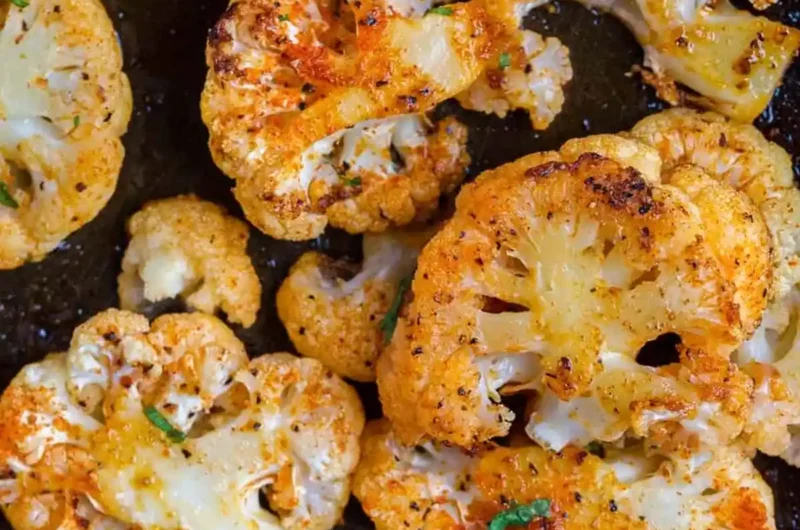
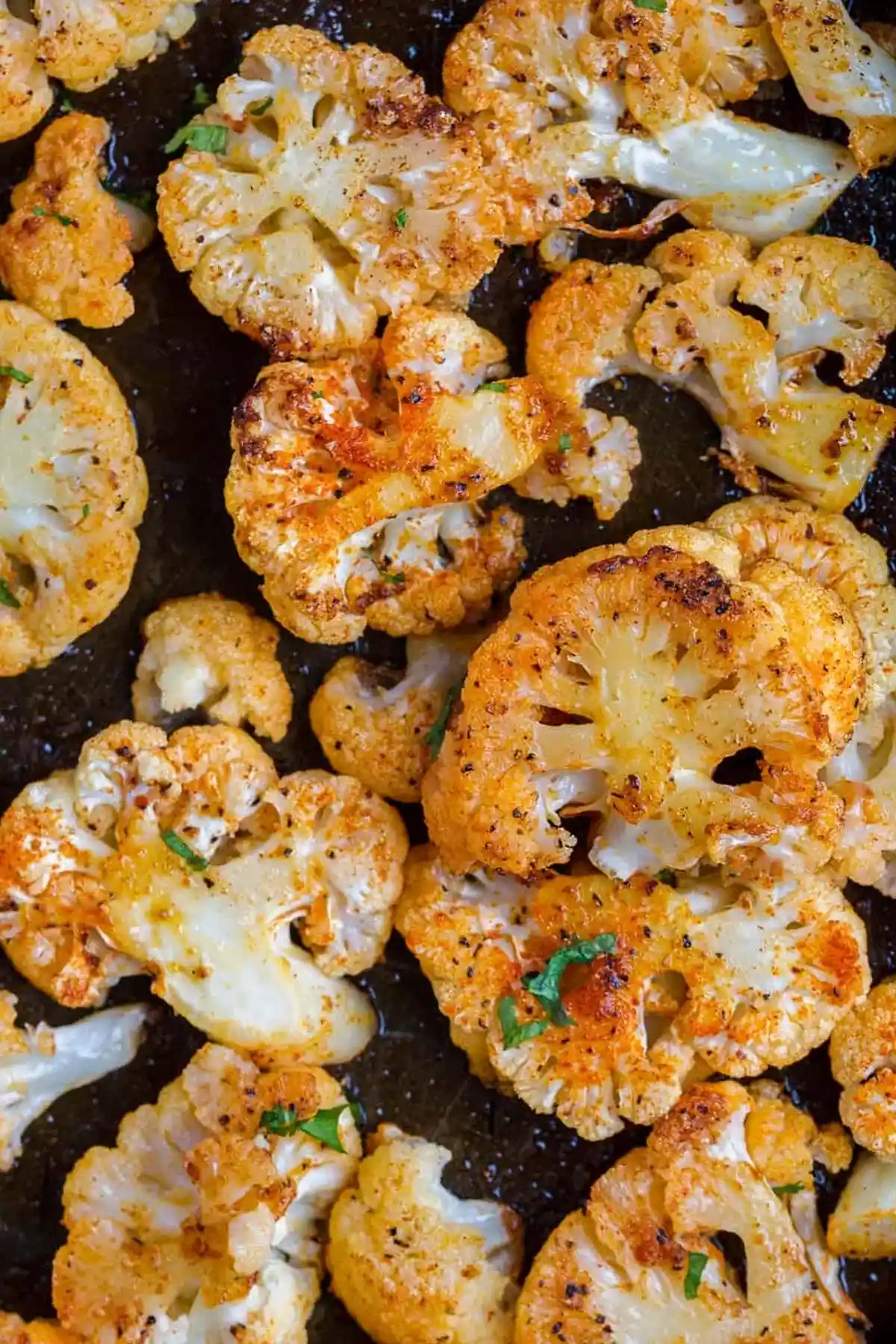
This oven-roasted cauliflower is a versatile side dish that pairs perfectly with roasted meats or serves as a light appetizer. It utilizes simple pantry staples to create a caramelized texture and deep savory flavor. This method ensures the vegetable remains tender on the inside while developing crisp, golden edges.
List of ingredients
- 1 medium cauliflower – sliced into small florets or 1/2″ thick steaks
- 2 Tbsp olive oil – for high-heat roasting
- 2 Tbsp unsalted butter – melted for richness and caramelization
- ½ tsp garlic powder – for a consistent savory base
- ½ tsp salt – or adjust to your taste preference
- ¼ tsp ground paprika – adds a subtle earthiness and golden color
- ¼ tsp ground black pepper – or adjust to your taste preference
step-by-step instructions
- Prepare Oven: Preheat your oven to 425°F and line a rimmed baking sheet with parchment paper to prevent sticking.
- Cut Vegetable: Slice the head of cauliflower into 1/2″ thick steaks, then break any larger wedges into even, bite-sized pieces.
- Add Fats: Place the cauliflower pieces in the center of the baking sheet. Drizzle the olive oil and melted butter over the pieces and toss them thoroughly to combine.
- Season: In a small bowl, mix together the garlic powder, salt, paprika, and black pepper. Sprinkle this seasoning mixture onto the cauliflower and toss again to ensure an even coat on all sides.
- Roast: Spread the cauliflower in a single even layer on the baking sheet. Bake at 425°F for 15-20 minutes, or until the pieces reach your desired level of crispiness.
Cauliflower Preparation Techniques
Cutting Uniform Florets
To achieve consistent cooking, cut the cauliflower into florets of similar size. Start by cutting the head into quarters and then slicing smaller pieces away from the central stem. Uniform pieces ensure that some florets do not burn while others remain raw.
Slicing Cauliflower Steaks
For a more visual presentation, slice the cauliflower vertically through the core into 1/2″ thick slabs. These steaks provide a larger surface area for caramelization against the baking sheet. Break any loose edges to keep the steaks intact during the roasting process.
Managing the Stem Pieces
Do not discard the stem, as it is edible and flavorful. Peel away the tough outer skin with a vegetable peeler and slice the inner core into rounds or dice. Roast them alongside the florets for a variety of textures in the final dish.
Optimal Roasting Tips
Using Parchment Paper
Lining your baking sheet with parchment paper is essential for easy cleanup and prevents the butter from scorching. It creates a non-stick barrier that allows you to flip the cauliflower without it tearing. Alternatively, a silicone mat can be used for the same effect.
Avoiding Overcrowding the Pan
Spread the cauliflower in a single layer with space between the pieces. If the pan is too crowded, the vegetables will release steam and boil rather than roast. This results in a mushy texture instead of the desired crisp, golden edges.
Controlling Oven Temperature
Maintaining a high temperature of 425°F is critical for the Maillard reaction. This chemical reaction between amino acids and reducing sugars creates the brown color and nutty flavor. If your oven runs cool, you may need to extend the cooking time by 5 minutes.
Assessing Doneness
The cauliflower is finished when the edges are deeply golden brown and the center is tender when pierced with a fork. Depending on the size of your cuts, this usually happens between 15 and 20 minutes. Avoid overcooking to prevent the vegetables from becoming too soft.
Flavor Variations and Customizations
Adding Parmesan Cheese
To create a cheesy crust, sprinkle 1/2 cup of shredded parmesan cheese over the cauliflower during the last 5 minutes of roasting. The cheese melts and browns quickly under the high heat. This adds a salty, umami depth to the dish.
Incorporating Lemon Zest
For a bright, citrusy finish, toss the roasted cauliflower with fresh lemon zest immediately after removing it from the oven. The acidity cuts through the richness of the butter. You can also add a squeeze of fresh lemon juice for extra tang.
Using Smoked Paprika
Substitute the standard ground paprika with smoked paprika for a wood-fired flavor. This gives the cauliflower a deeper red hue and a bold, smoky aroma. It is particularly effective if you are serving the dish as a vegan-style main.
Adding Fresh Garlic Cloves
If you prefer fresh garlic over powder, add minced cloves during the last 10 minutes of roasting. Adding fresh garlic too early can cause it to burn and become bitter at 425°F. Toss the florets gently to distribute the garlic evenly.
Cumin and Coriander Twist
For an earthy, aromatic profile, replace the paprika with a mix of ground cumin and coriander. These spices pair exceptionally well with the natural sweetness of roasted cauliflower. This variation works great as a side for grilled chicken or lamb.
Alternative Cooking Methods
Air Fryer Instructions
Air frying is a faster alternative that produces very crisp results. Skip the butter and use 2-3 Tbsp of olive oil for better heat stability. Air fry at 375°F for 10-15 minutes, flipping the pieces every 5 minutes to ensure even browning.
Conventional Stovetop Searing
For a different texture, sear the cauliflower steaks in a cast-iron skillet over medium-high heat. Use a combination of oil and butter to prevent sticking and add flavor. Sear for 3-5 minutes per side until browned, then finish in the oven if the centers are still firm.
Storage and Reheating
Proper Refrigeration
Allow the roasted cauliflower to cool completely to room temperature before storing. Place it in an airtight container and keep it in the refrigerator for up to 3 days. Proper sealing prevents the cauliflower from absorbing other odors in the fridge.
Reheating in the Oven
To regain the original crispness, reheat the cauliflower in the oven at 350°F. Spread the pieces on a baking sheet and heat for 5-10 minutes. This method is superior to microwaving, which often makes the vegetable soggy.
Reheating in an Air Fryer
The air fryer is the fastest way to restore texture to leftovers. Heat the cauliflower at 375°F for 3-5 minutes. This quickly evaporates surface moisture and crisps the edges without overcooking the interior.
Reheating on the Stove
Use a wide sauté pan over medium heat with a teaspoon of oil or butter. Add the cauliflower and toss frequently for 3-4 minutes until heated through. This method allows you to add fresh herbs or a splash of lemon juice during the process.
Make-Ahead Strategies
Pre-Cutting Florets
You can chop the cauliflower several days in advance to save time on cooking day. Store the raw florets in a sealed plastic bag or airtight container in the refrigerator. Ensure they are dry before seasoning to prevent steaming in the oven.
Pre-Mixing Seasonings
Create a bulk batch of the spice blend (garlic powder, salt, paprika, and pepper) and store it in a jar. This makes the recipe even faster as you only need to measure out the desired amount. Keep the spice mix in a cool, dry place to maintain potency.
Troubleshooting Common Issues
Preventing Mushy Cauliflower
Mushiness occurs when moisture is trapped on the pan or the temperature is too low. Always pat the cauliflower dry after washing and ensure the oven is fully preheated. Using a wire rack on top of the baking sheet can also increase airflow.
Fixing Burnt Edges
If the edges brown too quickly while the center remains hard, lower the oven temperature to 400°F. You can also cover the pan loosely with aluminum foil to slow down the browning. Ensure the pieces are cut into uniform sizes to avoid uneven cooking.
Dealing with Under-seasoned Veggies
If the dish tastes bland after roasting, sprinkle a pinch of fine sea salt over the hot vegetables. The heat helps the salt adhere to the surface. A drizzle of balsamic glaze or a squeeze of lime can also enhance the existing flavors.
Frequently Asked Questions
Can I use frozen cauliflower?
Yes, but you must thaw it completely and pat it very dry with paper towels. Frozen cauliflower holds more moisture than fresh, which can lead to steaming. You may need to increase the roasting time by 5-10 minutes.
What is the best type of cauliflower to buy?
Choose a head that is heavy for its size and has a bright white color. The florets should be tightly packed together without any brown spots or soft areas. A firm head will roast better and maintain its structure.
Can I make this vegan?
Yes, simply replace the unsalted butter with an equal amount of olive oil or a plant-based butter alternative. The flavor remains very similar, and the texture will still be crisp. Ensure the plant-based butter is melted before tossing.
How do I keep the cauliflower crisp?
Avoid covering the baking sheet with foil while roasting, as this traps steam. Once removed from the oven, transfer the cauliflower to a serving plate immediately rather than leaving it on the hot pan. This stops the carry-over cooking process.
Why is my cauliflower steaming instead of roasting?
This is usually caused by overcrowding the baking sheet or using too much oil. When pieces touch, they release moisture that cannot evaporate, creating a steam effect. Use two separate trays if you are cooking a large amount.
Can I add other vegetables to the pan?
Yes, you can add carrots, broccoli, or Brussels sprouts to the same pan. However, since different vegetables have different cook times, add denser vegetables like carrots a few minutes earlier. Keep the seasoning consistent across all vegetables for a cohesive dish.
Print
Savory Oven Roasted Cauliflower
- Total Time: 30 minutes
- Yield: 6 servings 1x
- Diet: Gluten Free
Description
The most delicious oven-roasted cauliflower recipe that will become your go-to side dish. Cauliflower florets drizzled in oil and butter and seasoned to perfection.
Ingredients
- 1 medium cauliflower (sliced in small florets, or 1/2″ thick steaks)
- 2 Tbsp olive oil
- 2 Tbsp unsalted butter (melted)
- ½ tsp garlic powder
- ½ tsp salt
- ¼ tsp ground paprika
- ¼ tsp ground black pepper
Instructions
- Step 1: Preheat the oven to 425˚F and line a baking sheet with parchment paper.
- Step 2: Slice the head of cauliflower into 1/2″ thick steaks, breaking up wedges into even, bite-sized pieces.
- Step 3: Add the cauliflower to the center of the baking sheet. Drizzle with the oil and melted butter and toss to combine.
- Step 4: In a small bowl, combine garlic powder, salt, paprika, and pepper for the seasoning. Sprinkle onto cauliflower and toss to evenly coat.
- Step 5: Spread the cauliflower evenly on the baking sheet and bake at 425˚F for 15-20 minutes, until cauliflower reaches desired crispiness.
Notes
Bake time will slightly vary depending on the size of your florets or slices. You may substitute oil instead of butter if you don’t want to use any butter.
- Prep Time: 10 minutes
- Cook Time: 20 minutes
- Category: Side Dish
- Method: Baking
- Cuisine: American
Nutrition
- Serving Size: 1 serving
- Calories: 100 kcal
- Sugar: 2 g
- Sodium: 223 mg
- Fat: 9 g
- Saturated Fat: 3 g
- Unsaturated Fat: 6 g
- Trans Fat: 1 g
- Carbohydrates: 5 g
- Fiber: 2 g
- Protein: 2 g
- Cholesterol: 10 mg
Keywords: baked cauliflower, roasted cauliflower