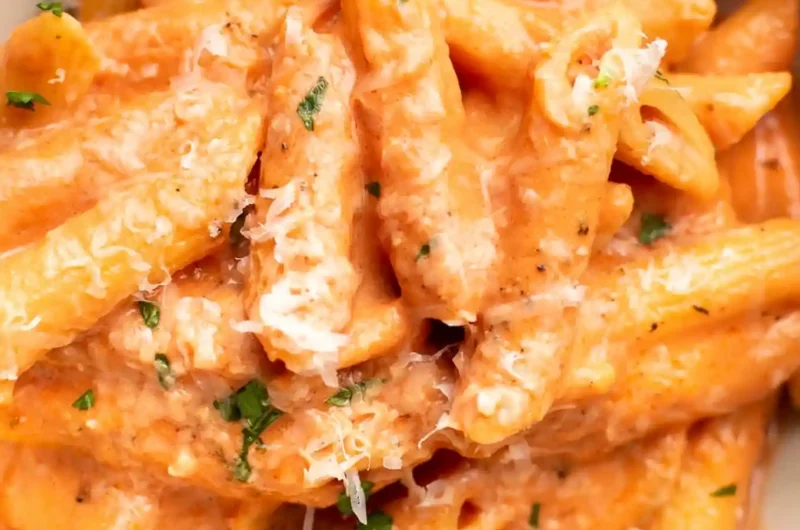
This creamy tomato pasta is a fast, reliable meal that utilizes common pantry ingredients to create a rich, velvety sauce. It is an ideal choice for busy weeknights when you need a filling dinner in under 30 minutes.
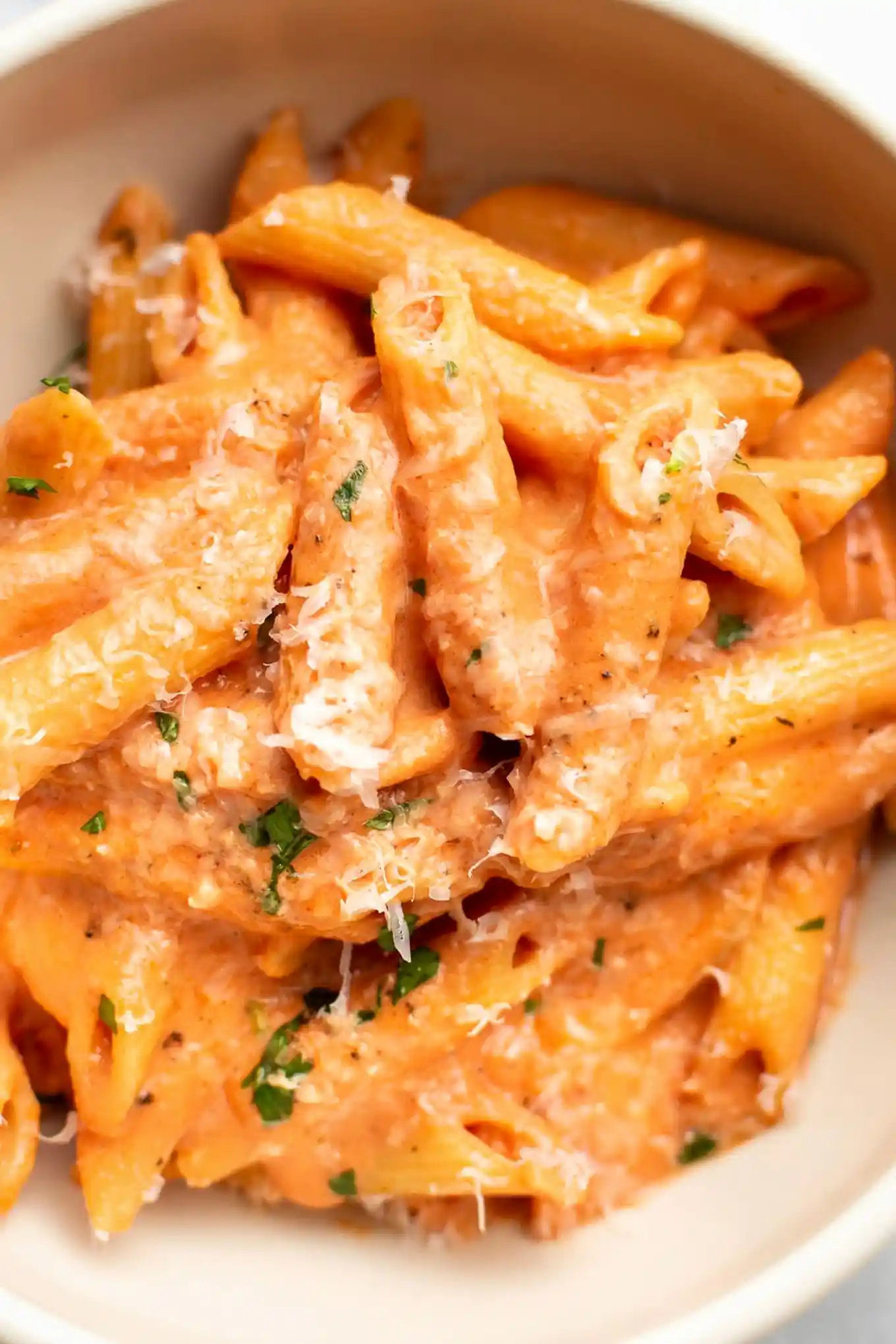
List of ingredients
- 8 ounces uncooked pasta – penne or rigatoni work best to hold the sauce.
- 2 tablespoons butter – used for sautéing and adding richness.
- 2-3 cloves garlic, minced – provides a savory, aromatic base.
- 2 tablespoons tomato paste – concentrates the tomato flavor for a deeper taste.
- 1 (14 ounce) can tomato sauce – serves as the primary liquid base for the sauce.
- 3/4 cup heavy or whipping cream – creates the characteristic silky, creamy texture.
- 1/4 teaspoon Italian seasoning – a convenient blend of dried herbs for authentic flavor.
- Salt and pepper to taste – used to balance and enhance all other flavors.
- Freshly grated parmesan cheese – used for serving to add a salty, nutty finish.
step-by-step instructions
- Boil the pasta: Bring a large pot of salted water to a boil. Cook the pasta until it is al dente according to the package instructions, then drain.
- Sauté the aromatics: While the pasta is cooking, place butter in a skillet over medium-high heat. Once melted, add the minced garlic and sauté for approximately one minute, stirring constantly to prevent the garlic from browning too quickly.
- Simmer the sauce: Stir in the tomato paste, tomato sauce, heavy cream, and Italian seasoning. Mix until the sauce is smooth and let it simmer gently for about 5 minutes, or until it thickens to your preference.
- Balance the flavor: Season the sauce with salt and pepper. If the tomatoes are too acidic or tangy, stir in a small pinch of sugar to neutralize the tartness.
- Combine and serve: Toss the drained pasta into the skillet with the sauce. If the consistency is too thick, stir in a small amount of the hot pasta water. Serve immediately topped with grated parmesan cheese.
Expert Preparation Tips
Cooking Pasta to Al Dente Perfection
Cook your pasta for one minute less than the package suggests for al dente. This prevents the noodles from becoming mushy when they are tossed in the simmering sauce. The pasta will finish cooking in the sauce, absorbing the flavors directly.
Using Pasta Water for Emulsification
Always reserve a small cup of the starchy pasta water before draining. Adding a splash of this water to the sauce helps it adhere better to the pasta. The starch acts as an emulsifier, creating a smoother and more cohesive texture.
Preventing Garlic from Burning
Keep the heat at a consistent medium-high and stir the garlic constantly. Garlic burns quickly and becomes bitter if left untouched for too long. Only sauté it until it becomes fragrant, which usually takes about 60 seconds.
Managing Sauce Thickness
The sauce thickens as it simmers due to the evaporation of water. Keep a close eye on the bubbles; a gentle simmer is better than a rolling boil to avoid separating the cream. Stop the heat as soon as the sauce coats the back of a spoon.
Ingredient Alternatives
Selecting High-Fat Cream to Prevent Curdling
Use heavy cream or whipping cream rather than half-and-half or milk. The higher fat content in heavy cream stabilizes the sauce against the acidity of the tomatoes. Lower-fat dairy is more likely to curdle when heated with acidic ingredients.
Substituting Tomato Sauce with Passata
If you cannot find canned tomato sauce, use tomato passata. Passata is a strained tomato puree that provides a very similar smooth consistency and flavor profile. It is often found in glass jars or cartons in the international aisle.
Adjusting the Herb Blend
If you do not have an Italian seasoning blend, use a combination of dried oregano and basil. Dried thyme or a pinch of red pepper flakes can also be added for more complexity. Freshly chopped parsley added at the end provides a bright contrast to the rich sauce.
Dairy-Free Cream Substitutions
For a plant-based version, use a thick cashew cream or a full-fat coconut cream. Ensure the substitute is unsweetened to avoid altering the savory profile of the dish. Plant-based butter can be used for sautéing the garlic.
Recipe Customizations
Integrating Fresh Vegetables
Stir in a handful of fresh baby spinach during the last minute of simmering until wilted. Sautéed mushrooms, zucchini, or peas can also be added to increase the nutritional value. Add these vegetables after the garlic is sautéed but before the liquid ingredients.
Adding Lean Proteins
Grilled chicken breast or sautéed shrimp are excellent additions to this dish. Cook the protein separately in the same skillet before starting the sauce to maintain the correct sear. Stir the cooked protein back into the pasta just before serving.
Increasing the Heat Level
Add a half-teaspoon of crushed red pepper flakes during the garlic sauté phase. This infuses the butter with heat, spreading the spice evenly throughout the sauce. Adjust the amount based on your preference for a mild or spicy kick.
Enhancing the Umami Depth
Add a teaspoon of Worcestershire sauce or a small amount of soy sauce to deepen the savory notes. This enhances the natural glutamates found in the tomato paste. Be careful with additional salt if you use these flavor enhancers.
Pairing and Serving Suggestions
Matching with Acidic Salads
Pair this rich pasta with a crisp green salad featuring a lemon-based vinaigrette or Caesar dressing. The acidity of the salad cuts through the creaminess of the pasta sauce. This creates a balanced meal that doesn’t feel overly heavy.
Choosing the Right Side Bread
Serve the dish with toasted garlic bread or a warm focaccia. The crusty bread is perfect for scooping up any excess sauce left on the plate. Brush the bread with olive oil and a sprinkle of sea salt before baking.
Fresh Garnish Options
Top the finished pasta with freshly torn basil leaves or chopped Italian parsley. A drizzle of high-quality extra virgin olive oil can also add a peppery finish. These fresh elements brighten the appearance and taste of the cooked sauce.
Preservation and Reheating
Refrigerating the Pasta and Sauce
Store leftover pasta and sauce in an airtight container in the refrigerator for up to three days. Keep the sauce and pasta separate if you plan to store them for the full duration. This prevents the pasta from absorbing all the sauce and becoming soggy.
Freezing Guidelines for the Sauce
The sauce can be frozen for up to three months in a freezer-safe container. Avoid freezing the pasta itself, as the texture degrades significantly upon thawing. Thaw the sauce in the refrigerator overnight before reheating.
Optimal Reheating Methods
Reheat the pasta and sauce in a saucepan over low heat. Add a tablespoon of water, milk, or cream to loosen the sauce as it warms. Avoid high heat or long microwave times, which can cause the cream to separate.
Troubleshooting Common Issues
Correcting a Separated Sauce
If the sauce separates, it is usually due to excessive heat or low fat content. Lower the temperature and whisk vigorously to reintegrate the fats. Adding a tiny bit of cold butter while whisking can often help stabilize the emulsion.
Balancing High Acidity
Some brands of canned tomatoes are more acidic than others, leading to a sharp taste. Stir in a pinch of granulated sugar or a small amount of honey to neutralize the acid. This doesn’t make the sauce sweet but makes the tomato flavor more rounded.
Fixing a Sauce That Is Too Thin
If the sauce is too watery, let it simmer for an additional 3 to 5 minutes without a lid. This allows more moisture to evaporate and concentrates the sauce. Avoid adding flour as it can change the silky texture of the cream.
Frequently Asked Questions
Can I use a different type of pasta?
Yes, any pasta shape will work, but shapes with ridges or holes like penne, rigatoni, or fusilli are ideal. These shapes capture and hold the thick creamy sauce more effectively than smooth noodles like spaghetti.
Why did my sauce curdle during cooking?
Curdling typically happens when the sauce is boiled too vigorously or when using a low-fat dairy alternative. To prevent this, keep the sauce at a gentle simmer and ensure you are using heavy cream.
How can I make the sauce thicker without simmering?
If you are short on time, you can stir in an extra tablespoon of tomato paste or a small amount of grated parmesan cheese. The cheese melts into the sauce and adds immediate thickness and body.
Can I use fresh tomatoes instead of canned?
Fresh tomatoes can be used, but they require longer cooking times and the addition of more tomato paste to achieve the same depth. You will also need to peel and seed the tomatoes to maintain the smooth consistency of this specific sauce.
Print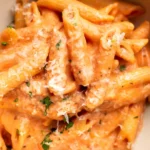
Simple Creamy Tomato Pasta
- Total Time: 25 minutes
- Yield: 4 servings 1x
- Diet: General
Description
This creamy tomato pasta recipe comes together quickly and uses everyday ingredients. You’ll love the silky tomato sauce!
Ingredients
- 8 ounces uncooked pasta
- 2 tablespoons butter
- 2–3 cloves garlic (minced)
- 2 tablespoons tomato paste
- 1 (14 ounce) can tomato sauce
- 3/4 cup heavy/whipping cream
- 1/4 teaspoon Italian seasoning
- Salt & pepper to taste
- Freshly grated parmesan cheese (microbial-rennet, for serving, to taste)
Instructions
- Step 1: Boil a large, salted pot of water for your pasta and cook it al dente according to package instructions.
- Step 2: Meanwhile (once the pasta starts to cook), add the butter to a skillet over medium-high heat. Once it melts, add the garlic and sauté for about a minute, stirring constantly.
- Step 3: Add in the tomato paste, tomato sauce, cream, and Italian seasoning. Stir until it’s nice and smooth. Let the sauce cook for about 5 minutes or until it’s thickened to your liking (it should be very gently bubbling, so you may need to turn down the heat).
- Step 4: Season the sauce with salt & pepper as needed (I’m pretty generous with both). If the sauce is a little too acidic/tangy for your liking, add in a pinch of sugar.
- Step 5: Drain the pasta and toss with the sauce (add a splash of hot pasta water if the sauce gets too thick). Serve immediately with plenty of parmesan cheese over top.
Notes
I don’t recommend subbing the cream with something that has a lower fat content as it’s likely to curdle due to the acid in the tomatoes.
- Prep Time: 5 minutes
- Cook Time: 20 minutes
- Category: Main Course
- Method: Stovetop
- Cuisine: American
Nutrition
- Serving Size: 1 serving
- Calories: 447 kcal
- Sugar: 7 g
- Sodium: 654 mg
- Fat: 23 g
- Saturated Fat: 14 g
- Unsaturated Fat: 9 g
- Trans Fat: 0 g
- Carbohydrates: 51 g
- Fiber: 4 g
- Protein: 10 g
- Cholesterol: 76 mg
Keywords: creamy tomato pasta, quick pasta, easy tomato sauce, dinner recipes