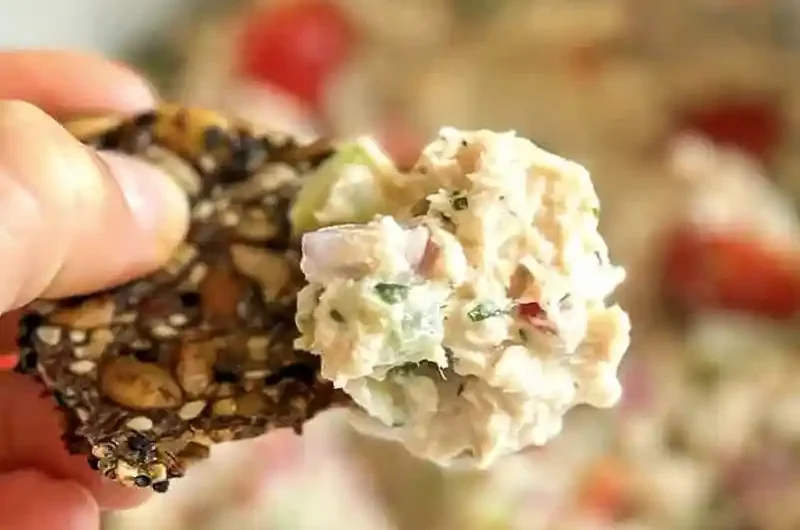
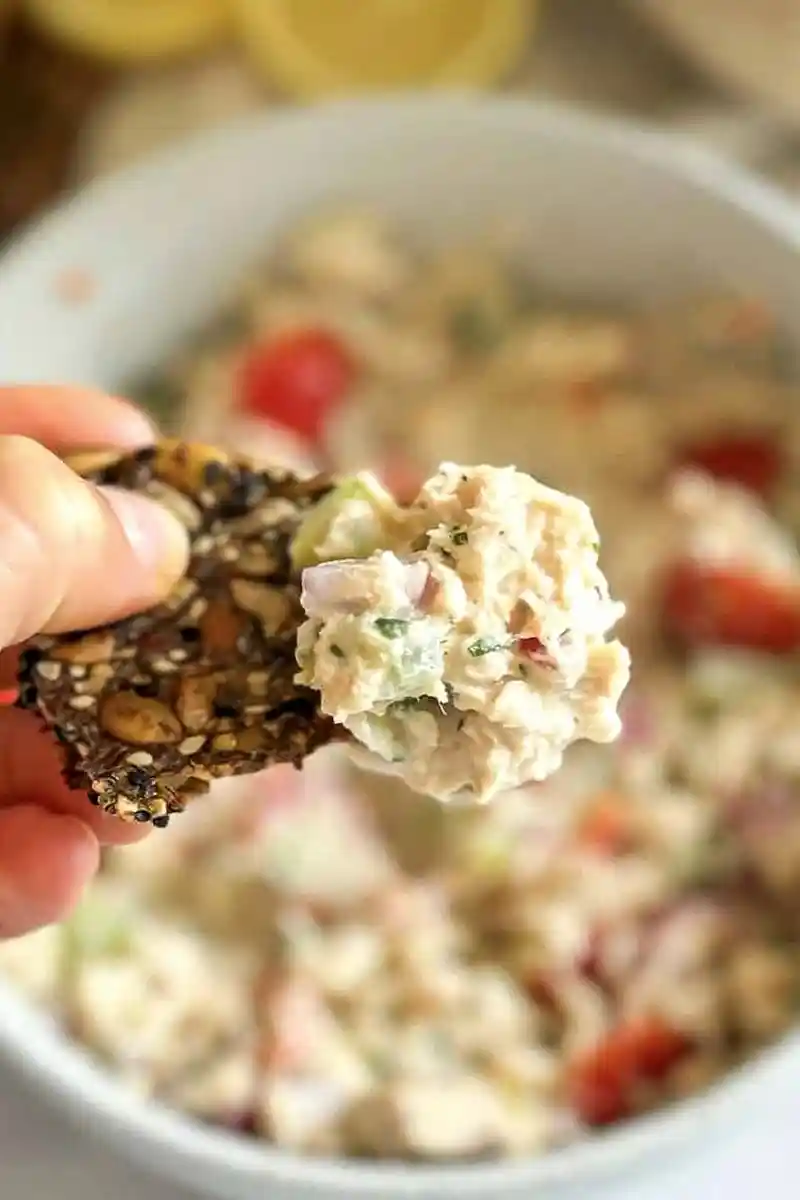
This refreshing Mediterranean tuna salad is a nutrient-dense alternative to traditional mayo-based recipes. It combines lean protein with crisp vegetables and a zesty lemon-yogurt dressing for a fast, high-protein meal.
List of ingredients
- 2 cans tuna, 5 ounces each – use solid white albacore or chunk light.
- 1/4 English cucumber, chopped (approximately 1/2 cup) – provides a crisp texture.
- 10 cherry tomatoes, quartered (approximately 1/4 cup) – adds a juicy, sweet contrast.
- 1/4 red onion, chopped (approximately 1/4 cup) – adds a sharp, piquant flavor.
- 1 stalk celery, chopped (approximately 1/4 cup) – increases the crunch.
- 10 kalamata or green manzanilla olives, chopped (approximately 1/4 cup) – adds a salty, briny depth.
- 1/2 cup fresh parsley, chopped – adds a clean, herbal brightness.
- 1/4 cup fresh dill, loosely packed and chopped – provides a classic Mediterranean aroma.
- 1 large lemon, juiced (approximately 1/4 cup) – adds essential acidity and vitamin C.
- 1/2 cup plain Greek yogurt – creates a creamy texture and adds extra protein.
- 1/2 tsp garlic powder – enhances the savory profile of the dressing.
- 1/4 tsp kosher salt – adjust to taste based on the saltiness of the olives.
- 1/4 tsp black pepper – adds a subtle heat.
- 1 Tbsp extra-virgin olive oil – optional, recommended for tuna packed in water for added moisture.
step-by-step instructions
- Prepare the base: Chop the English cucumber, cherry tomatoes, celery, red onion, fresh parsley, dill, and olives into small, uniform pieces. Flake the canned tuna into the bottom of a medium-sized mixing bowl, ensuring there are no large clumps. If using brands like Wild Planet or Safe Catch, draining is optional; otherwise, drain the liquid according to preference.
- Combine and mix: Add the chopped vegetables, fresh herbs, and olives to the bowl with the flaked tuna. Incorporate the plain Greek yogurt, fresh lemon juice, garlic powder, kosher salt, and black pepper. If using tuna packed in water, stir in the extra-virgin olive oil now. Mix everything thoroughly until the tuna and vegetables are evenly coated in the creamy lemon dressing.
Customizing the Flavor Profile
Integrating Creamy Avocado
To add a richer texture and a boost of potassium, mix in half of a mashed ripe avocado. The avocado blends with the Greek yogurt to create a thicker, velvet-like consistency that clings better to the vegetables. This substitution also increases the amount of heart-healthy monounsaturated fats in the salad.
Using Zesty Vinegars and Mustard
For a more pungent and complex flavor, stir in one to two tablespoons of apple cider vinegar or red wine vinegar. Adding a teaspoon of Dijon mustard provides a sharp, tangy note that complements the briny olives. To further brighten the dish, grate in a teaspoon of fresh lemon zest for an aromatic citrus punch.
Adding a Spicy Element
If you prefer a bit of heat, incorporate a pinch of red chili pepper flakes or a teaspoon of sriracha. The spice cuts through the creaminess of the Greek yogurt and enhances the freshness of the dill and parsley. You can also add finely diced jalapeños for a crisp, spicy bite.
Adding Mediterranean Pantry Staples
Elevate the salad by folding in a cup of quartered marinated artichoke hearts and crumbled Greek feta cheese. The artichokes add a unique tang and tenderness, while the feta provides a salty, creamy contrast. These additions make the salad feel more like a substantial meal than a light side dish.
Best Ways to Serve Your Tuna Salad
Pairing with Seed Crackers
Serving this tuna salad with seed-based crackers or rye crispbread provides a satisfying crunch and adds dietary fiber. The nuttiness of seed crackers balances the acidity of the lemon dressing. This method is ideal for a quick, hand-held lunch or an appetizer platter.
Creating a Hearty Sandwich
Scoop the mixture between two slices of toasted sourdough or inside a whole-grain bread. To add more layers, include slices of fresh avocado or a leaf of romaine lettuce for extra crunch. The robust flavor of the Mediterranean ingredients holds up well against denser breads.
Making a Fresh Tuna Wrap
Spread the tuna salad inside a whole-wheat tortilla or a soft pita pocket. To prevent the wrap from becoming soggy, place a large piece of lettuce between the wrap and the tuna. Pitas are particularly effective as they create a pocket that keeps the chunky vegetables contained.
Low-Carb Lettuce Boat Option
For a grain-free or low-carb meal, spoon the salad into large Romaine lettuce leaves or butter lettuce cups. This preserves the freshness of the dish and allows the flavors of the herbs and lemon to stand out. It is an excellent option for those monitoring their carbohydrate intake.
Transforming into a Pasta Salad
Cook a cup of rotini, farfalle, or orzo pasta, let it cool, and toss it with the tuna mixture. This transforms the dish into a more filling pasta salad suitable for potlucks or meal-prepped lunches. Ensure the pasta is cooled completely before mixing to avoid melting the Greek yogurt.
Adding Beans for Extra Protein
Stir in a half cup of rinsed chickpeas (garbanzo beans) or cannellini beans to increase the fiber and plant-based protein. The creamy texture of the white beans complements the tuna and adds a hearty element. This is a great way to make the salad more satiating for active individuals.
Storing and Keeping it Fresh
Optimal Refrigeration Methods
Store any leftover tuna salad in a glass, airtight container to prevent the salad from absorbing other odors in the refrigerator. Press a piece of parchment paper or plastic wrap directly onto the surface of the salad before sealing the lid. This minimizes air exposure and helps preserve the vibrant color of the parsley and dill.
Maximum Shelf Life
This salad is best consumed within 3 to 5 days when kept at a constant refrigerated temperature. Because it contains fresh cucumbers and tomatoes, the vegetables will eventually release water, which can thin the dressing. For the best texture, aim to eat it within the first 48 hours.
Preventing the Salad from Getting Soggy
If you are meal prepping for the week, store the chopped vegetables and the dressing separately. Combine the tuna and dressing in one container and the chopped vegetables in another. Mix them together just before serving to ensure the cucumbers and celery maintain their maximum crunch.
Expert Preparation Tips
Choosing the Right Type of Canned Tuna
Albacore tuna is preferred for those who like a firmer texture and a more delicate, mild flavor. Chunk light tuna, usually made from skipjack, has a stronger fish flavor and a softer, flakier consistency. Always check if the tuna is packed in water or olive oil, as this affects the moisture level of the final salad.
Ensuring Consistent Vegetable Dice
Aim to dice all vegetables, including the celery and red onion, into pieces roughly the size of a pea. Uniform chopping ensures that you get a bit of every ingredient in every spoonful. It also prevents any one ingredient, like the onion, from overpowering the other flavors.
Managing Moisture Levels
If your cucumbers are particularly watery, slice them and let them sit on a paper towel for five minutes before adding them to the bowl. This prevents the Greek yogurt dressing from becoming too runny over time. Similarly, ensure the tuna is well-flaked so the dressing penetrates every part of the fish.
Common Ingredient Substitutions
Dairy-Free Alternatives for Greek Yogurt
To make this recipe dairy-free, replace the Greek yogurt with half of a mashed ripe avocado. Alternatively, you can use a thick, unsweetened plain almond yogurt or a vegan cashew-based cream. Avocado is the most recommended choice as it mimics the creaminess while adding healthy fats.
Substituting Red Onion for Milder Flavors
If red onion is too sharp for your taste, use finely chopped shallots or green onions (scallions). Shallots provide a more subtle, sophisticated sweetness, while green onions offer a milder onion flavor with a fresh, grassy note. Both alternatives work seamlessly with the Mediterranean theme.
Alternative Herb Combinations
While dill and parsley are traditional, you can substitute them with fresh basil or mint for a different flavor profile. Fresh basil adds a sweet, peppery note that pairs beautifully with the cherry tomatoes. Mint provides a cooling sensation that is particularly refreshing during hot summer months.
Replacing Olives with Capers
If you do not enjoy olives, use a tablespoon of drained capers to achieve a similar briny, salty effect. Capers provide small bursts of saltiness that complement the lemon juice perfectly. You can also omit both olives and capers if you prefer a milder, less salty salad.
Frequently Asked Questions
Is this tuna salad healthy?
Yes, this recipe is nutrient-dense. It uses tuna for lean protein and omega-3 fatty acids, Greek yogurt for probiotics and protein, and a variety of vegetables for essential fiber, vitamins, and antioxidants.
Is canned tuna already cooked?
Yes, the tuna found in cans is pre-cooked during the canning process. It is safe to eat straight from the can after draining and mixing with your other ingredients.
Which tuna has the lowest mercury?
Skipjack tuna, often labeled as ‘chunk light,’ generally contains lower levels of mercury than albacore or yellowfin tuna. It is often recommended for more frequent consumption.
What can replace Greek yogurt?
You can use blended cottage cheese for a similar protein boost, or sour cream for a richer taste. For a plant-based option, mashed avocado or a vegan mayonnaise substitute works well.
What is the best tuna for texture?
For a firmer, steak-like texture that holds its shape in a salad, solid white albacore is the best choice. For a softer, more integrated mix, chunk light tuna is preferred.
Print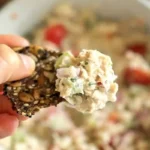
Healthy Mediterranean Tuna Salad with Greek Yogurt
- Total Time: 10 minutes
- Yield: 2 servings 1x
- Diet: Gluten-free
Description
This healthy Mediterranean Tuna Salad is a unique twist on classic tuna salad and an easy and nutritious lunch ready in 10 minutes! Canned tuna, crunchy vegetables and fresh herbs all mixed with a simple lemon dressing & Greek yogurt to make it extra creamy.
Ingredients
- 2 cans tuna, 5 ounces each
- ¼ English cucumber, chopped
- 10 cherry tomatoes, quartered
- ¼ red onion, chopped
- 1 stalk celery, chopped
- 10 olives (kalamata or green manzanilla), chopped
- ½ cup fresh parsley, chopped
- ¼ cup fresh dill, loosely packed, chopped
- 1 large lemon, juiced
- ½ cup plain Greek yogurt
- ½ tsp garlic powder
- ¼ tsp kosher salt
- ¼ tsp black pepper
- 1 Tbsp extra-virgin olive oil
Instructions
- Step 1: Chop the vegetables and fresh herbs including the English cucumbers, fresh tomatoes, celery, red onion, fresh parsley, dill, and olives. Flake the tuna in the bottom of a bowl.
- Step 2: Add the tuna, vegetables, herbs, and olives in a medium bowl. Add Greek yogurt, fresh lemon juice, garlic powder, salt, black pepper. Give it all a good stir.
Notes
Store leftover tuna salad in an airtight container in the fridge for 3-5 days. To make this recipe dairy-free, use half an avocado in place of Greek yogurt.
- Prep Time: 10 minutes
- Cook Time: 0 minutes
- Category: Lunch
- Method: Mixing
- Cuisine: Mediterranean
Nutrition
- Serving Size: 1 serving
- Calories: 310 kcal
- Sugar: 5 g
- Sodium: 720 mg
- Fat: 14 g
- Saturated Fat: 2 g
- Unsaturated Fat: 12 g
- Trans Fat: 0 g
- Carbohydrates: 12 g
- Fiber: 3 g
- Protein: 38 g
- Cholesterol: 3 mg
Keywords: 10 minutes or less, gluten free, high-protein, healthy lunch, no mayo