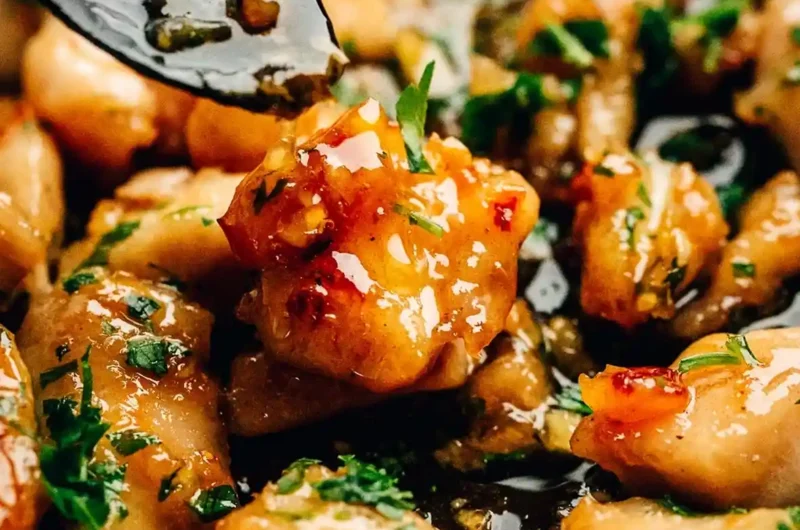
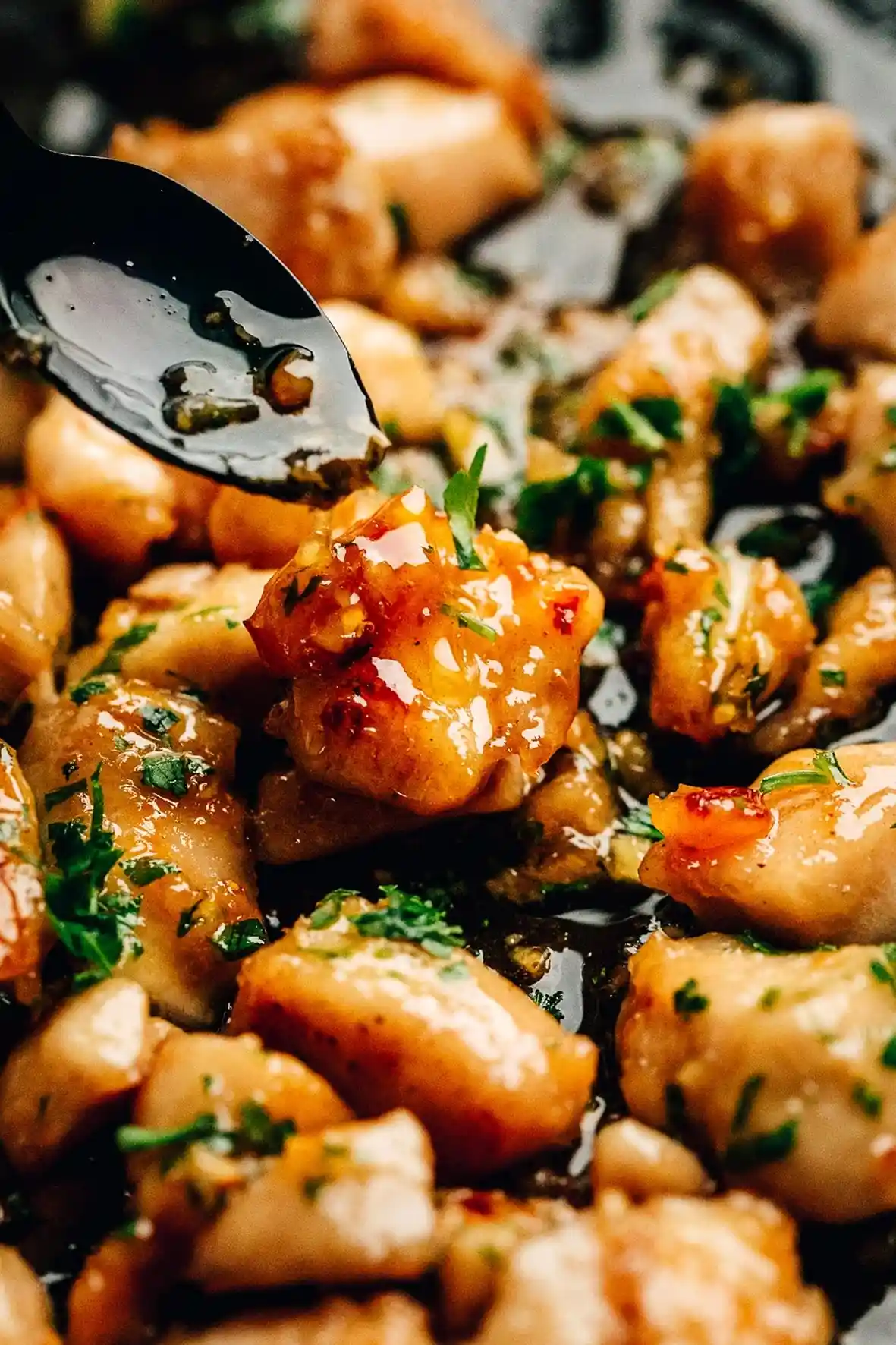
This fast-acting chicken dish combines a sweet honey glaze with pungent garlic for a balanced flavor profile. It is an efficient option for weeknight meals that require minimal preparation time.
List of ingredients
- 4-6 boneless skinless chicken thighs, cut into bite size pieces (or 2-4 chicken breasts) – the main protein.
- 2 teaspoons corn starch or flour – used to coat the meat and thicken the sauce.
- 2 tablespoons butter – adds richness and helps with browning.
- 2 tablespoons extra virgin olive oil or avocado oil – prevents the butter from burning at high heat.
- 5 cloves garlic, finely chopped or minced – provides the primary aromatic flavor.
- 3 tablespoons raw honey – creates the sweet, sticky glaze.
- 1 1/2 tablespoons apple cider vinegar – adds acidity to cut through the sweetness.
- Salt and pepper to taste – for fundamental seasoning.
- 1 tablespoon parsley, finely chopped – used as a fresh garnish.
step-by-step instructions
- Coat the chicken: In a mixing bowl, combine the chicken pieces with 2 teaspoons of cornstarch, salt, and pepper. Mix well until all pieces are evenly coated.
- Brown the meat: Melt 2 tablespoons of butter and 2 tablespoons of oil in a skillet over medium heat. Add the coated chicken and cook for 3-4 minutes, stirring occasionally until browned.
- Sauté the garlic: Add 5 minced garlic cloves to the pan and sauté for about 1 minute until fragrant.
- Apply the glaze: Pour in 3 tablespoons of honey and 1 1/2 tablespoons of apple cider vinegar. Stir and cook for 2-3 minutes until the sauce thickens and coats the chicken.
- Finish and serve: Remove from heat and garnish with freshly chopped parsley. Perform a final taste test and add salt or pepper if needed.
Cooking Techniques for Better Results
Optimizing Sauce Adhesion with Cornstarch
Tossing the chicken in cornstarch before searing creates a light crust that locks in moisture. This powder also acts as a thickening agent when the liquid ingredients are added. This ensures the honey garlic glaze clings to the meat rather than pooling at the bottom of the pan.
Managing Fat Stability with Oil and Butter
Using a combination of butter and oil prevents the butter from burning too quickly at medium-high temperatures. The oil raises the smoke point, while the butter provides a nutty flavor and golden color. This balance is essential for achieving a professional sear without scorching the pan.
Preventing Garlic from Burning
Garlic has a lower burning point than chicken and can become bitter if added too early. By introducing the minced garlic only after the chicken has browned, you ensure it releases its aromatics without charring. A one-minute sauté is sufficient to cook the garlic through.
Controlling the Glaze Reduction
The honey and vinegar mixture reduces quickly due to the sugar content in the honey. Stir the sauce continuously during the final 2-3 minutes of cooking to prevent the sugars from crystallizing or burning. The sauce is ready when it reaches a syrupy consistency and looks glossy.
Ingredient Alternatives and Customizations
Substituting Apple Cider Vinegar
If apple cider vinegar is unavailable, you can use fresh lemon juice or lime juice for a similar acidic effect. These citrus alternatives provide a brighter, zesty flavor that complements the honey. Use the same measurement of 1 1/2 tablespoons to maintain the flavor balance.
Using Different Protein Cuts
Chicken thighs are preferred for their higher fat content and juiciness, which prevents them from drying out during the searing process. If using chicken breasts, cut them into uniform pieces to ensure even cooking. Be careful not to overcook breast meat, as it can become tough quickly.
Adding Depth with Fresh Ginger
For a more complex flavor profile, add a teaspoon of freshly grated ginger along with the minced garlic. Ginger adds a warm, spicy note that enhances the Asian-inspired elements of the dish. Sauté it for the same amount of time as the garlic.
Incorporating Heat with Red Pepper Flakes
To introduce a spicy element, stir in a pinch of crushed red pepper flakes when adding the honey and vinegar. This creates a sweet-and-spicy contrast that cuts through the richness of the butter. Adjust the amount based on your personal heat tolerance.
Using Soy Sauce for Umami
You can replace the salt with a tablespoon of soy sauce to add a deep, savory umami flavor. This change shifts the profile slightly toward a traditional teriyaki style. If using soy sauce, reduce any additional salt to avoid over-seasoning.
Switching the Garnish to Sesame Seeds
While parsley adds a fresh, herbal finish, toasted sesame seeds provide a nutty flavor and a professional aesthetic. Sprinkle them over the dish immediately after removing it from the heat. This is particularly effective when serving the chicken over rice.
Increasing the Sauce Volume
If you prefer a dish with more liquid for mixing into grains, double the amounts of honey and apple cider vinegar. Ensure you cook the sauce for an additional minute to allow the increased volume to reduce and thicken. This extra sauce is excellent for drizzling over side vegetables.
Serving Suggestions and Pairings
Pairing with Golden Rice
Serving this chicken over steamed white or brown rice allows the grains to absorb the excess honey garlic glaze. For extra flavor, prepare a golden rice by sautéing the grains in a bit of butter before boiling. This creates a cohesive and filling meal.
Complementing with Fresh Cucumber Salad
A crisp cucumber salad with a light vinegar dressing provides a refreshing contrast to the sticky, sweet chicken. The coolness of the cucumbers cleanses the palate between bites of the rich glaze. Slice the cucumbers thinly and toss them with a pinch of salt and rice vinegar.
Adding Steamed Green Vegetables
Blanched broccoli, snap peas, or bok choy add essential nutrients and a pop of color to the plate. The slight bitterness of steamed greens balances the sweetness of the honey glaze. Serve the vegetables on the side or toss them directly into the pan at the very end.
Using Quinoa for a Healthier Base
For a higher-protein alternative to rice, serve the chicken over a bed of fluffy quinoa. Quinoa’s nutty flavor pairs well with the garlic and honey elements. Ensure the quinoa is well-drained so it doesn’t dilute the sauce.
Pairing with Peppery Arugula
A simple arugula salad with a lemon vinaigrette offers a sharp, peppery contrast to the dish. The bitterness of the arugula cuts through the sweetness of the honey and the richness of the butter. This makes the meal feel lighter and more balanced.
Storage and Reheating Instructions
Airtight Refrigeration Methods
Store leftover chicken in a sealed airtight container to prevent the meat from drying out. The dish will remain fresh in the refrigerator for up to four days. Keeping the chicken submerged in its own sauce helps preserve the moisture during storage.
Microwave Reheating Tips
When reheating in the microwave, add a splash of water or chicken broth to the container. The sauce thickens significantly as it cools, and a small amount of liquid helps restore the original consistency. Heat in short intervals, stirring in between to ensure even warmth.
Stovetop Reheating for Texture
For the best texture, reheat the chicken in a skillet over medium-low heat. Add a teaspoon of water or butter to loosen the sauce as it warms up. This method prevents the chicken from becoming rubbery and maintains the glaze’s gloss.
Repurposing Leftover Sauce
If you have extra sauce remaining in the pan, store it in a small glass jar in the fridge. It can be used as a dipping sauce for spring rolls or as a glaze for roasted carrots. The sauce stays viable for several days if kept sealed.
Troubleshooting Common Issues
Fixing a Sauce That Is Too Thin
If the glaze has not thickened sufficiently, simmer it for another minute over medium heat. If it remains too thin, mix a tiny pinch of cornstarch with water to create a slurry and stir it in. Boil for 30 seconds until the desired thickness is achieved.
Preventing Overcooked Chicken Breasts
Chicken breasts cook faster than thighs and can easily become dry. To prevent this, remove the breast pieces from the pan as soon as they reach an internal temperature of 165 degrees Fahrenheit. Let them rest for a few minutes before adding them back into the sauce.
Managing Honey Crystallization
If your honey has crystallized, gently warm it in the microwave for 10 seconds before adding it to the pan. This ensures it integrates smoothly with the vinegar and garlic. Crystallized honey can create lumps in the sauce if not liquefied first.
Frequently Asked Questions
Can I use frozen chicken for this recipe?
Yes, but the chicken must be completely thawed and patted dry with paper towels before coating. Excess moisture from frozen meat can prevent the cornstarch from adhering and stop the chicken from browning properly.
Is this recipe gluten-free?
This recipe is gluten-free if you use cornstarch instead of all-purpose flour. Ensure your honey and vinegar are certified gluten-free to avoid cross-contamination. Most standard brands of these ingredients are naturally gluten-free.
Can I use a different sweetener instead of honey?
Maple syrup is a suitable substitute for honey and provides a similar viscosity and sweetness. However, maple syrup has a distinct woody flavor that will change the overall taste profile. Use the same measurement of 3 tablespoons.
How do I store the leftovers safely?
Cool the chicken to room temperature before placing it in an airtight container. Store it in the coldest part of your refrigerator. Avoid freezing the dish, as the honey-based sauce may separate and the chicken texture may degrade upon thawing.
Print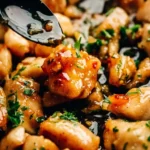
Quick Honey Garlic Chicken Recipe
- Total Time: 25 minutes
- Yield: 4 servings 1x
- Diet: General
Description
Chicken with garlic sauce – it’s one of the most delicious honey garlic chicken recipes.
Ingredients
- 4–6 boneless skinless chicken thighs, cut into bite size pieces
- 2 teaspoons corn starch
- 2 tablespoons butter
- 2 tablespoons extra virgin olive oil
- 5 cloves garlic, finely chopped
- 3 tablespoons raw honey
- 1 1/2 tablespoons apple cider vinegar
- salt & pepper to taste
- 1 tablespoon parsley, finely chopped
Instructions
- Step: In a mixing bowl combine chicken pieces with 2 teaspoon of corn starch, salt & pepper to taste and mix well.
- Step: Using a skillet, melt 2 tablespoons of butter and 2 tablespoons of oil over medium heat. Add chicken pieces mixed with cornstarch and cook for about 3-4 minutes, stirring few times.
- Step: Next, add 5 cloves of minced garlic and saute for 1 minute. After pour in 3 tablespoons of honey and 1 1/2 tablespoons apple cider vinegar. Stir and cook for about 2-3 minutes.
- Step: Remove from the heat and garnish with freshly chopped parsley. Season with salt and pepper if needed more.
Notes
You can use chicken breasts instead of thighs. Substitute apple cider vinegar with lemon or lime juice. For heat, add red pepper flakes. Grated ginger can be added with the garlic for more authentic Asian flavor. Soy sauce can be used instead of salt for added flavor.
- Prep Time: 15 minutes
- Cook Time: 10 minutes
- Category: Main Dish
- Method: Sautéing
- Cuisine: American-Asian
Nutrition
- Serving Size: 1 serving
- Calories: 235 kcal
- Sugar: 13 g
- Sodium: 118 mg
- Fat: 14 g
- Saturated Fat: 5 g
- Unsaturated Fat: 9 g
- Trans Fat: 0 g
- Carbohydrates: 15 g
- Fiber: 1 g
- Protein: 12 g
- Cholesterol: 51 mg
Keywords: honey garlic chicken, 25-minute meal, Asian-inspired, chicken thighs, quick dinner