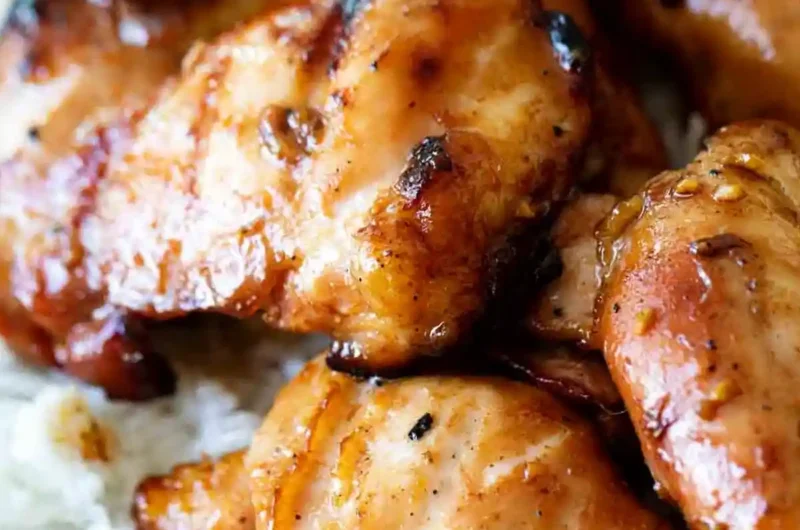
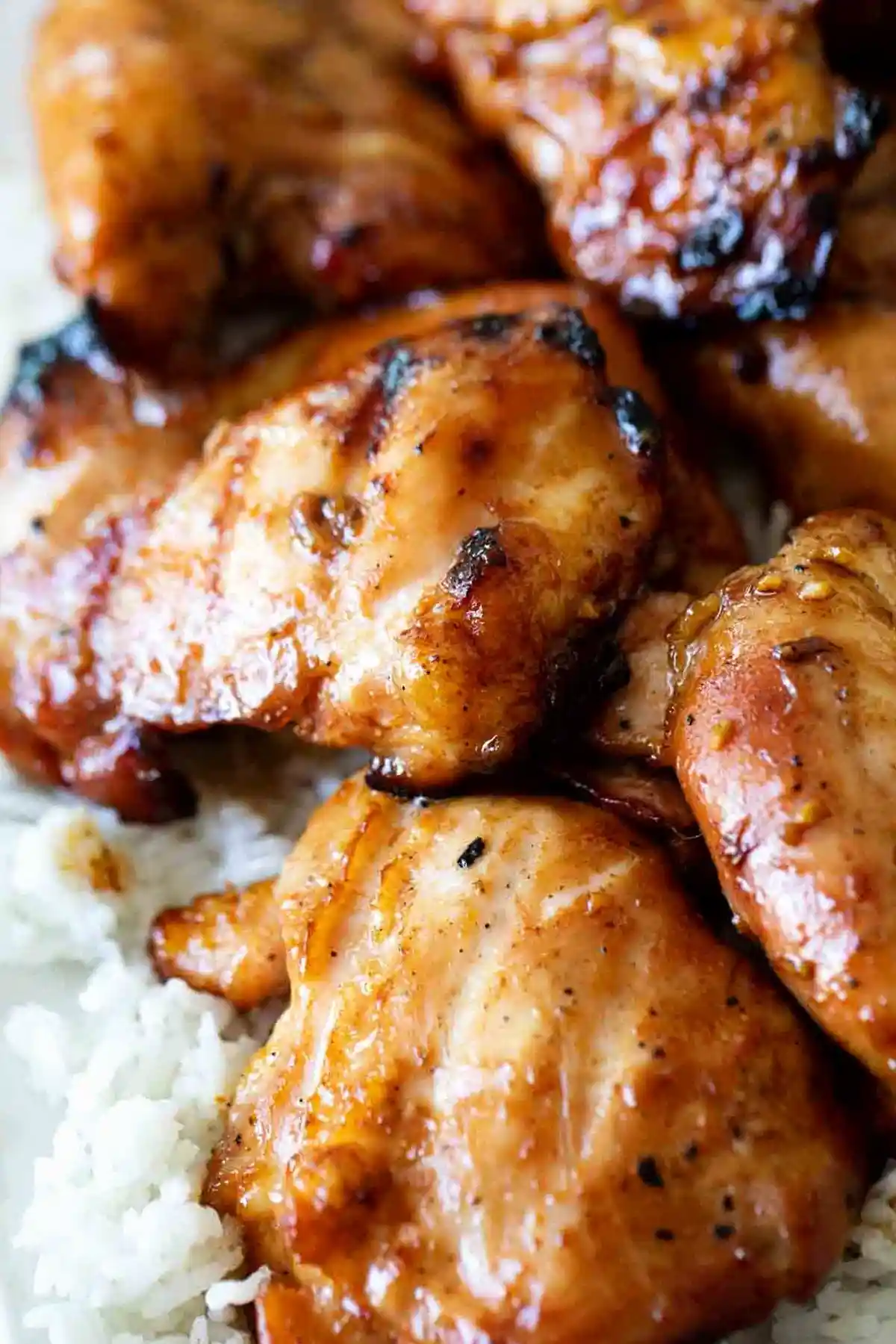
This grilled Hawaiian chicken features a sweet and savory glaze made from soy sauce, brown sugar, and fresh ginger. It is a simple grilling recipe that delivers authentic island flavors to your backyard.
List of ingredients
- 1/2 cup packed light brown sugar – provides the characteristic sweetness and caramelization.
- 6 tablespoons ketchup – adds body and a tangy base to the glaze.
- 6 tablespoons low sodium soy sauce – delivers a salty, umami depth without overpowering the dish.
- 3 tablespoons chicken broth – thins the marinade for better penetration into the meat.
- 2 tablespoons apple cider vinegar – adds necessary acidity to tenderize the chicken.
- 1 tablespoon fresh minced ginger root – essential for the authentic Hawaiian pungent flavor.
- 1 teaspoon minced garlic – adds a sharp, savory aromatic quality.
- 3 pounds boneless, skinless chicken thighs – the preferred cut for juiciness and flavor.
step-by-step instructions
- Prepare the marinade: In a small bowl, combine the brown sugar, ketchup, soy sauce, chicken broth, apple cider vinegar, ginger and garlic. Mix until the sugar is fully dissolved.
- Arrange the meat: Place the chicken thighs in a shallow dish large enough that they can be laid in a single layer. Alternatively, you can use a large ziplock bag for easier handling.
- Coat the chicken: Reserve 1/2 cup of the marinade for later basting. Pour the remaining sauce over the chicken thighs and turn them to ensure every piece is thoroughly coated.
- Marinate: Cover the dish tightly and refrigerate for at least 8 hours, or overnight for the best flavor penetration.
- Temper the meat: Remove the chicken from the refrigerator 30 minutes before grilling. Let it sit at room temperature to ensure more even cooking.
- Heat the grill: Preheat your grill to medium heat. Ensure the grates are clean and lightly oiled to prevent sticking.
- Grill and baste: Grill the chicken for 12-16 minutes, turning occasionally, until the internal temperature reaches 170ºF. Baste the pieces with the reserved marinade during the final 5 minutes of cooking.
Practical Cooking Tips
Use a Digital Meat Thermometer
The only way to guarantee the chicken is safe and juicy is by using a digital probe thermometer. Aim for an internal temperature of 170ºF, which is ideal for chicken thighs to break down connective tissue.
Allow the Meat to Rest
Let the grilled chicken rest for about 5 to 10 minutes before serving. This allows the juices to redistribute through the meat, ensuring every bite is moist.
Rotate the Chicken During Marinating
If you have the time, turn the chicken pieces once or twice during the 8-hour marinating window. This ensures that the sauce is evenly distributed across all surfaces of the meat.
Maintain Medium Grill Heat
Avoid using high heat, as the sugar in the marinade can burn quickly. Medium heat allows the interior to cook through while the exterior caramelizes slowly.
Prepare the Grates Correctly
Lightly oil your grill grates with a high-smoke-point oil right before adding the chicken. This prevents the sticky sugar-based marinade from adhering to the metal.
Ingredient Substitutions
Using Chicken Breasts
If you prefer leaner meat, you can substitute boneless, skinless chicken breasts for thighs. Be mindful that breasts cook faster and can dry out, so check the temperature more frequently.
Substituting Rice Vinegar
If apple cider vinegar is unavailable, unseasoned rice vinegar is an excellent alternative. It provides a similar acidity level and fits well within the Asian-inspired flavor profile.
Choosing Coconut Aminos
For those avoiding soy, coconut aminos can be used as a 1:1 replacement for soy sauce. This provides a slightly sweeter taste while maintaining the necessary umami character.
Honey Instead of Brown Sugar
Honey can be used in place of light brown sugar for a different kind of sweetness. Note that honey may caramelize faster, so keep a close eye on the grill to prevent burning.
Garlic Powder Alternative
While fresh garlic is preferred, you can use garlic powder in a pinch. Use approximately 1/4 teaspoon of powder for every one teaspoon of minced fresh garlic.
Serving and Pairing Ideas
Pair with Steamed Jasmine Rice
Fluffy white jasmine rice is the classic accompaniment to Huli Huli chicken. The neutral flavor of the rice perfectly balances the bold, sweet, and salty notes of the glaze.
Add Grilled Pineapple Rings
Grilling fresh pineapple slices alongside the chicken adds a beautiful presentation and a burst of tropical flavor. The charred pineapple complements the ginger in the marinade.
Serve with Hawaiian Macaroni Salad
A creamy, mayo-based macaroni salad provides a cooling contrast to the savory grilled meat. This is a traditional pairing that completes the authentic island meal experience.
Include Sliced Fresh Cucumbers
Freshly sliced cucumbers with a light vinegar dressing add a crisp texture and refreshing acidity. This helps cleanse the palate between bites of the rich chicken.
Add Steamed Bok Choy
For a nutritional boost, serve the chicken with lightly steamed bok choy. The mild bitterness of the greens cuts through the sweetness of the brown sugar glaze.
Storage and Preservation
Use Airtight Glass Containers
Store leftover chicken in airtight glass containers to keep the meat fresh and prevent odors from escaping. Glass is preferable to plastic as it does not absorb the strong scent of ginger and garlic.
Refrigeration Duration
Cooked Huli Huli chicken remains safe and tasty in the refrigerator for 3 to 4 days. Ensure the container is sealed tightly to prevent the chicken from drying out.
Foil Wrapping for Short Term
If you are transporting the chicken for a potluck, wrapping it tightly in heavy-duty aluminum foil works well. However, for long-term storage, a sealed container is much more effective.
Freezing Marinated Chicken
You can freeze the chicken while it is still in the marinade for later use. Simply place the chicken and sauce in a freezer-safe bag and thaw it in the refrigerator before grilling.
Cooling Before Storage
Allow the grilled chicken to cool to room temperature before sealing it in a container. This prevents excess condensation from forming, which can make the meat soggy.
Reheating Guidelines
Microwave Reheating Method
To reheat in the microwave, place the chicken in a dish and add a tablespoon of water or chicken broth. Cover the dish with a damp paper towel to steam the meat and keep it moist.
Oven Reheating Option
Preheat your oven to 325ºF and place the chicken in a baking dish. Cover with foil and heat for 10-15 minutes to warm through without overcooking the exterior.
Using the Grill for Leftovers
Quickly searing leftovers on a medium-heat grill for 2-3 minutes per side can restore the charred flavor. Be careful not to overcook, as the chicken is already fully cooked.
Slow Cooker Warming
For large batches of leftovers, a slow cooker on the ‘warm’ setting is effective. This gently heats the chicken and allows it to soak up any remaining sauce.
Make-Ahead Advice
The 8-Hour Marinating Rule
Allowing the chicken to marinate for at least 8 hours is crucial for the flavors to penetrate deep into the muscle fibers. This process ensures the meat is seasoned from the inside out.
Overnight Preparation
For the most intense flavor, marinate the chicken overnight. This longer duration allows the acidity in the vinegar to further tenderize the chicken thighs.
Tempering Before Cooking
Always remove the chicken from the fridge 30 minutes before grilling. This reduces the temperature gradient between the meat and the grill, leading to more consistent internal cooking.
Batch Preparation
Since the marinade is easy to double, consider preparing extra chicken. Huli Huli chicken is an excellent meal-prep option because it maintains its flavor well when reheated.
Troubleshooting Common Issues
Preventing the Sauce from Burning
If the chicken is charring too quickly, move the pieces to a cooler part of the grill. This ‘indirect heat’ method allows the interior to finish cooking without burning the sugars.
Dealing with Cold Centers
If the outside is charred but the center is cold, your grill heat is too high. Lower the temperature and allow the chicken more time to cook slowly.
Fixing an Overly Salty Marinade
If the marinade tastes too salty, whisk in an extra tablespoon of chicken broth or water. You can also add a pinch more brown sugar to balance the sodium.
Managing Sticky Grates
If the chicken is sticking to the grill, do not force it off. Wait 30-60 seconds for the proteins to sear and release naturally from the metal surface.
Avoiding Rubbery Meat
Rubbery chicken is usually a result of overcooking. Use a thermometer to stop cooking exactly at 170ºF to preserve the tender texture of the thighs.
Frequently Asked Questions
Can I make this in a skillet?
Yes, you can use a cast iron skillet over medium heat. Sear the chicken for 6-8 minutes per side, basting with the reserved sauce toward the end of the process.
Can I use ground ginger instead of fresh?
While possible, ground ginger lacks the bright, zesty punch of the fresh root. If you must use it, use 1/4 teaspoon of ground ginger per tablespoon of fresh.
How long does the reserved marinade last?
The reserved marinade can be stored in the refrigerator for up to 3 days. However, it should only be used as a baste and not as a dipping sauce unless it is boiled first.
What is the best grill temperature?
A medium heat setting, typically between 325ºF and 375ºF, is ideal. This prevents the sugar from burning before the chicken is safely cooked through.
Can I freeze the chicken after it is grilled?
Yes, grilled Huli Huli chicken freezes well for up to 2 months. Wrap it tightly in foil and then place it in a freezer bag to prevent freezer burn.
Why do I need to reserve some marinade?
Reserving a portion of the marinade ensures you have a fresh, uncontaminated sauce for basting. Using the marinade that touched raw chicken on the final cooked product is unsafe.
Marinade Science and Logic
The Role of Brown Sugar
Brown sugar does more than add sweetness; it creates a sticky glaze that browns through the Maillard reaction. This provides the visual appeal and deep flavor of the dish.
Acidity and Tenderization
The apple cider vinegar breaks down the tough proteins in the chicken thighs. This chemical process makes the meat more tender and allows other flavors to penetrate deeper.
The Importance of Umami
Soy sauce provides glutamates, which create the ‘umami’ or savory taste. This balances the sugar and vinegar, preventing the dish from tasting like a dessert.
Emulsification with Ketchup
Ketchup acts as a thickener and an emulsifier in this recipe. It helps the oil, vinegar, and sugar cling to the meat rather than sliding off during the grilling process.
Grill Management
Two-Zone Grilling Technique
Create a hot zone and a cool zone on your grill. Sear the chicken over the heat first, then move it to the cool side to finish cooking without burning the glaze.
Handling Flare-ups
Sugary marinades can cause flames to jump up. Keep a spray bottle of water nearby or simply move the meat to a different area of the grate to manage the heat.
Using the Right Tools
Use long-handled tongs to turn the meat. Avoid using a fork, as piercing the meat allows the precious juices to escape, resulting in drier chicken.
Basting Brush Selection
A silicone basting brush is recommended for this recipe. It is heat-resistant and makes it easy to apply a thick, even layer of the reserved glaze.
Print
Savory Grilled Hawaiian Huli Huli Chicken
- Total Time: 8 hours 31 minutes
- Yield: 6 servings 1x
- Diet: General
Description
A traditional Hawaiian chicken recipe with brown sugar, ginger and soy sauce, this Huli Huli Chicken is an easy and delicious grilling recipe.
Ingredients
- 1/2 cup packed light brown sugar
- 6 tablespoons ketchup
- 6 tablespoons low sodium soy sauce
- 3 tablespoons chicken broth
- 2 tablespoons apple cider vinegar
- 1 tablespoon fresh minced ginger root
- 1 teaspoon minced garlic
- 3 pounds boneless, skinless chicken thighs
Instructions
- Step: In a small bowl, combine the brown sugar, ketchup, soy sauce, chicken broth, apple cider vinegar, ginger and garlic.
- Step: Place the chicken thighs in a shallow dish large enough that they can be laid in a single layer. (You can also place them in a ziplock bag.)
- Step: Reserve 1/2 cup of the marinade, and add the rest to the dish with the chicken thighs. Turn to coat the chicken in the sauce.
- Step: Cover the dish and refrigerate for 8 hours, or overnight.
- Step: When ready to make the chicken, remove it from the refrigerator and let it sit at room temperature for 30 minutes.
- Step: Preheat a grill to medium heat.
- Step: Grill the chicken until it reaches 170ºF, about 12-16 minutes, turning a few times during the cook time. Baste the chicken with the reserved marinade during the last 5 minutes of cook time.
Notes
Turn the chicken a time or two during the marinating time. For the most flavor, marinate overnight. If you are unable to grill, a cast iron skillet will work also. Chicken breasts can be substituted for thighs.
- Prep Time: 15 minutes
- Cook Time: 16 minutes
- Category: Main Dish
- Method: Grilling
- Cuisine: Hawaiian
Nutrition
- Serving Size: 1 serving
- Calories: 350 kcal
- Sugar: 20 g
- Sodium: 1256 mg
- Fat: 12 g
- Saturated Fat: 2 g
- Unsaturated Fat: 10 g
- Trans Fat: 0 g
- Carbohydrates: 22 g
- Fiber: 0 g
- Protein: 39 g
- Cholesterol: 190 mg
Keywords: grilled huli huli chicken, hawaiian chicken, huli huli chicken