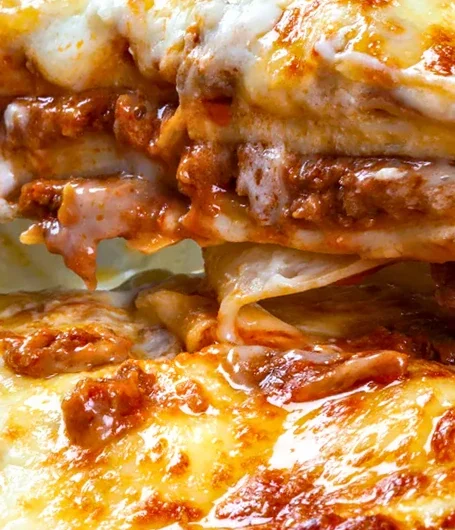
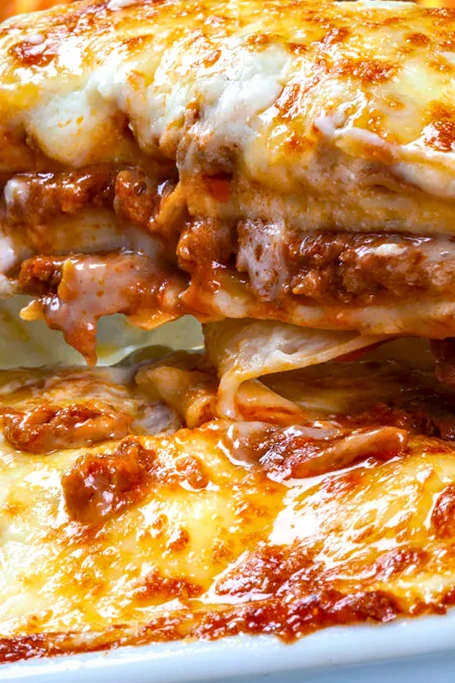
This hearty lasagna features rich layers of beef, creamy ricotta, and melted mozzarella for a satisfying meal. It is an excellent choice for feeding a large crowd or preparing a festive family dinner.
List of ingredients
- 1 pound ground beef – lean variety recommended.
- 1 pound beef Italian sausage, casings removed – provides a robust flavor.
- 1 large onion, finely chopped – adds a sweet aromatic base.
- 3 cloves garlic, minced – essential for depth of flavor.
- 2 cans (28 ounces each) crushed tomatoes – creates a thick sauce.
- 1 can (6 ounces) tomato paste – thickens the meat mixture.
- 1 can (15 ounces) tomato sauce – adds smooth consistency.
- 1/2 cup water – adjusts the sauce thickness during simmering.
- 2 tablespoons sugar – balances the acidity of the tomatoes.
- 1 tablespoon dried basil leaves – adds traditional herbal notes.
- 1/2 teaspoon fennel seeds – mimics the taste of classic Italian sausage.
- 1 teaspoon Italian seasoning – a blend of complementary herbs.
- 1 tablespoon salt – enhances all the flavors.
- 1/4 teaspoon black pepper – provides a subtle spicy kick.
- 2 tablespoons fresh parsley, chopped – adds a fresh finish to the sauce.
- 26 ounces ricotta cheese – creates the creamy center layers.
- 1 large egg – acts as a binder for the ricotta mixture.
- 1/2 teaspoon salt – seasons the cheese filling.
- 1/4 teaspoon black pepper – adds a touch of spice to the ricotta.
- 2 tablespoons fresh parsley, chopped – brings brightness to the cheese.
- 12 lasagna noodles – the structural base of the dish.
- 16 ounces mozzarella cheese, shredded – for a gooey, melted topping.
- 1 cup grated Parmesan cheese – adds a salty, nutty finish.
step-by-step instructions
- Prepare the Meat Sauce: In a large pot, cook the ground beef, beef Italian sausage, onion, and garlic over medium heat until well browned. Drain any excess fat to keep the sauce from becoming greasy. Stir in the crushed tomatoes, tomato paste, tomato sauce, and water. Add the sugar, basil, fennel seeds, Italian seasoning, salt, pepper, and parsley. Simmer, covered, for about 1 1/2 hours, stirring occasionally to prevent sticking.
- Prepare the Cheese Filling: In a mixing bowl, combine the ricotta cheese, egg, salt, pepper, and chopped parsley. Mix well until the egg is fully incorporated and the mixture is smooth.
- Cook the Lasagna Noodles: Boil the lasagna noodles according to the package instructions. Drain them well and rinse with cold water to stop the cooking process and prevent sticking. Set them aside on a flat surface.
- Assemble the Lasagna: Preheat your oven to 375°F (190°C). Spread 1 cup of the meat sauce on the bottom of a 9×13-inch baking dish. Arrange 3 lasagna noodles lengthwise over the sauce. Spread one-third of the ricotta cheese mixture over the noodles. Top with one-third of the mozzarella cheese and 1/4 cup of Parmesan cheese. Repeat these layers two more times, finishing with a final layer of mozzarella and Parmesan on top.
- Bake the Lasagna: Cover the dish with aluminum foil, spraying the foil with cooking spray first to prevent the cheese from sticking. Bake for 25 minutes. Remove the foil and bake for an additional 25 minutes, or until the top is golden and bubbling. Let the lasagna cool for 15 minutes before slicing.
Meat Sauce Optimization
The Importance of Long Simmering
Allowing the meat sauce to simmer for at least 90 minutes is crucial for flavor development. This duration allows the water to evaporate and the tomatoes to concentrate. The resulting sauce is thicker and clings better to the pasta layers.
Balancing Tomato Acidity
The addition of sugar is a practical method to neutralize the sharp acidity found in canned tomatoes. This creates a more rounded and mellow flavor profile. The tomato paste further concentrates the sweetness and adds a rich, red color.
Using Beef-Based Italian Sausage
Using beef Italian sausage instead of pork maintains the classic flavor profile while adhering to specific dietary preferences. Beef sausage provides a hearty texture and a savory depth that pairs well with ground beef. Ensure the casings are fully removed for an even distribution of meat.
Achieving the Right Sauce Consistency
A sauce that is too thin will make the lasagna watery and difficult to slice. If the sauce seems too liquid after simmering, leave the lid off for the last 15 minutes of cooking. This allows additional moisture to escape via steam.
Cheese Layering Techniques
Stabilizing the Ricotta Mixture
Mixing a large egg into the ricotta cheese is a key technique for structural integrity. The egg proteins coagulate during baking, which binds the cheese together. This prevents the ricotta from leaking out when the lasagna is sliced.
Selecting the Best Mozzarella
Low-moisture shredded mozzarella is recommended over fresh mozzarella for this recipe. Fresh mozzarella contains a high water content that can make the layers soggy. Low-moisture varieties provide the classic stretch and golden-brown crust.
Distributing Parmesan for Maximum Flavor
Parmesan cheese should be sprinkled between layers and on top. Adding it to the interior layers provides a salty contrast to the creamy ricotta. The top layer of Parmesan helps create a crisp, savory crust during the final baking stage.
Applying Ricotta Evenly
Use a spatula to spread the ricotta mixture from edge to edge on each noodle layer. Avoid leaving gaps at the corners of the baking dish. This ensures that every bite contains a balanced ratio of meat and cheese.
Noodle Preparation Secrets
Cooking to Al Dente
Boil the noodles for 1-2 minutes less than the package suggests. The pasta will continue to cook as it absorbs moisture from the sauce in the oven. Undercooking them initially prevents the noodles from becoming mushy or falling apart.
The Cold Water Rinse
Rinsing the noodles under cold water immediately after draining removes excess surface starch. This prevents the pasta sheets from sticking together in a clump. It also halts the cooking process instantly to maintain the al dente texture.
Preventing Noodle Overlap
When arranging the three noodles lengthwise, ensure they lay flat without significant overlapping. Too much overlap creates thick, doughy sections of pasta. Slight overlaps are acceptable, but a single flat layer is ideal for consistency.
Handling Delicate Pasta
Use tongs to move the noodles from the pot to the baking dish. This avoids tearing the sheets. If a noodle breaks, simply use a smaller piece to fill the gap in the layer.
Baking and Cooling Guidelines
Preventing Foil Adhesion
Spraying the underside of the aluminum foil with non-stick cooking spray is a practical tip. Without this, the melted mozzarella will stick to the foil when it is removed. This preserves the aesthetic appeal of the cheese topping.
Managing Oven Temperature
Maintaining a steady 375°F ensures that the center of the lasagna heats through without burning the edges. If the top browns too quickly, you can loosely tent the foil back over the dish. Use an oven thermometer to verify the actual internal temperature.
The Critical Resting Period
Wait at least 15 minutes before cutting the lasagna. This resting time allows the melted cheese and sauces to set. Cutting too early will cause the layers to slide apart and the sauce to run.
Checking for Doneness
Insert a knife or toothpick into the center of the dish; it should come out hot. The edges of the sauce should be bubbling vigorously. The top cheese should be deeply golden and slightly crisp.
Ingredient Substitutions
Lean Turkey Alternatives
Ground turkey can be used in place of ground beef for a leaner version of the dish. To compensate for the loss of beef fat, you may add a tablespoon of olive oil to the browning process. Turkey blends well with the Italian herbs and fennel seeds.
Draining Ricotta for Thickness
If your ricotta cheese is particularly watery, place it in a fine-mesh strainer for 30 minutes before mixing. Removing the excess whey creates a denser filling. This further reduces the risk of a watery lasagna.
Gluten-Free Pasta Options
Corn or brown rice lasagna sheets can replace traditional wheat noodles. These should be cooked carefully as they can go from al dente to mushy very quickly. Ensure they are fully drained and patted dry before assembly.
Alternative Hard Cheeses
If Parmesan is unavailable, Pecorino Romano is a suitable alternative. Pecorino is generally saltier and sharper, so you may want to slightly reduce the added salt in the meat sauce. Aged Asiago is another option for a nutty flavor.
Serving Suggestions
Complementary Garlic Bread
Serving the lasagna with toasted garlic bread provides a crunchy contrast to the soft pasta. The bread is also useful for soaking up any remaining meat sauce on the plate. Use a baguette or sourdough for the best results.
Fresh Green Salads
A crisp Caesar or garden salad balances the richness of the cheese and meat. The acidity from a lemon or vinegar-based dressing cuts through the heavy fats. Use fresh romaine or mixed greens for maximum crunch.
Roasted Vegetable Sides
Roasted zucchini, carrots, and bell peppers add essential nutrients and color to the meal. Toss them in olive oil, salt, and pepper before roasting at 400°F. These vegetables provide a light, earthy balance to the savory lasagna.
antipasto Platter Pairings
An antipasto platter with olives, marinated artichokes, and pickled peppers works well as an appetizer. The briny flavors stimulate the appetite before the main course. Avoid adding heavy meats to the platter to keep the meal manageable.
Storage and Reheating
Refrigeration Methods
Allow the lasagna to cool completely before covering it. Use a tight-fitting lid or heavy-duty aluminum foil to prevent the edges from drying out. Store it in the refrigerator for 3 to 4 days.
Freezing Individual Portions
Cut the lasagna into squares and wrap each piece individually in plastic wrap. Place the wrapped slices into a freezer-safe bag to prevent freezer burn. This method allows you to reheat single servings without wasting energy.
Oven Reheating Process
Preheat the oven to 375°F and place the lasagna in an oven-safe dish. Cover the top with foil to retain moisture and prevent the cheese from burning. Bake for 25-30 minutes until the center is heated through.
Microwave Reheating Tips
For a quick reheat, place a slice on a microwave-safe plate and add a teaspoon of water to the side. Cover with a damp paper towel to steam the noodles. Heat in 1-minute intervals until warm.
Troubleshooting Common Issues
Solving Watery Layers
Watery lasagna is usually caused by excess moisture in the sauce or the cheese. Ensure the meat sauce has simmered long enough to thicken. Always drain the noodles thoroughly after rinsing.
Fixing Burnt Cheese
If the cheese burns before the center is hot, lower the oven temperature by 25 degrees. Alternatively, keep the foil on for an additional 10 minutes. Ensure the oven rack is in the center position.
Avoiding Dry Pasta Edges
Dry edges occur when the sauce does not reach the corners of the dish. Be generous with the meat sauce on the bottom and sides. Ensure the foil seal is tight to trap the steam during the first stage of baking.
Correcting Bland Flavor
If the lasagna tastes bland, the meat sauce may need more salt or acidity. Adding a splash of balsamic vinegar or a pinch more salt to the sauce before assembly can help. Ensure you season the ricotta filling separately.
Frequently Asked Questions
Can I make the lasagna ahead of time?
Yes, you can assemble the entire dish a day in advance. Keep it covered in the refrigerator and bake it just before serving. You may need to add 5-10 minutes to the initial baking time since the dish starts cold.
Is it necessary to cook the noodles first?
For this specific recipe, cooking the noodles al dente is recommended to ensure a consistent texture. While oven-ready noodles exist, they require a much thinner sauce to hydrate. Pre-cooking the noodles gives you more control over the final bite.
Can I use ground turkey instead of beef?
Yes, ground turkey is a great substitute. It is leaner and has a milder flavor, which allows the herbs and cheeses to stand out. Just ensure you don’t overcook the turkey during the browning phase.
How do I stop the lasagna from collapsing?
The most effective way to prevent collapse is to let the lasagna rest for 15-20 minutes after baking. Additionally, ensuring the ricotta is mixed with an egg helps the layers stay firm and distinct.
Print
Classic Layered Meat and Cheese Lasagna
- Total Time: 2 hours 30 minutes
- Yield: 9 servings 1x
- Diet: General
Description
This Maggiano’s Lasagna Recipe is a true crowd-pleaser with layers of rich meat sauce, creamy cheese, and tender pasta. It’s perfect for family dinners!
Ingredients
- 1 pound ground beef
- 1 pound beef Italian sausage, casings removed
- 1 large onion, finely chopped
- 3 cloves garlic, minced
- 2 cans (28 ounces each) crushed tomatoes
- 1 can (6 ounces) tomato paste
- 1 can (15 ounces) tomato sauce
- 1/2 cup water
- 2 tablespoons sugar
- 1 tablespoon dried basil leaves
- 1/2 teaspoon fennel seeds
- 1 teaspoon Italian seasoning
- 1 tablespoon salt
- 1/4 teaspoon black pepper
- 2 tablespoons fresh parsley, chopped
- 26 ounces ricotta cheese
- 1 large egg
- 1/2 teaspoon salt
- 1/4 teaspoon black pepper
- 2 tablespoons fresh parsley, chopped
- 12 lasagna noodles
- 16 ounces mozzarella cheese, shredded
- 1 cup grated Parmesan cheese
Instructions
- Prepare the Meat Sauce: In a large pot, cook the ground beef, beef Italian sausage, onion, and garlic over medium heat until well browned. Drain any excess fat. Stir in the crushed tomatoes, tomato paste, tomato sauce, and water. Add the sugar, basil, fennel seeds, Italian seasoning, salt, pepper, and parsley. Simmer, covered, for about 1 1/2 hours, stirring occasionally.
- Prepare the Cheese Filling: Combine the ricotta cheese, egg, salt, pepper, and parsley in a mixing bowl. Mix well.
- Cook the Lasagna Noodles: Cook the lasagna noodles according to the package instructions. Drain and rinse with cold water. Set aside.
- Assemble the Lasagna: Preheat your oven to 375°F (190°C). Spread 1 cup of meat sauce on the bottom of a 9×13-inch baking dish. Arrange 3 lasagna noodles lengthwise over the meat sauce. Spread one-third of the ricotta cheese mixture over the noodles. Top with a third mozzarella cheese and 1/4 cup of Parmesan cheese. Repeat the layers twice, starting with the meat sauce and ending with a final layer of mozzarella and Parmesan cheese on top.
- Bake the Lasagna: Cover with aluminum foil. Bake in the preheated oven for 25 minutes. Remove the foil and bake for an additional 25 minutes, or until the top is golden and the sauce is bubbling. Let the lasagna cool for 15 minutes before serving.
Notes
Allow the meat sauce to simmer for at least 1 1/2 hours. This helps develop a rich, deep flavor and ensures the sauce thickens properly.
- Prep Time: 30 minutes
- Cook Time: 2 hours
- Category: Main
- Method: Baking
- Cuisine: Italian-American
Nutrition
- Serving Size: 1 slice
- Calories: 680 kcal
- Sugar: 9 g
- Sodium: 1150 mg
- Fat: 32 g
- Saturated Fat: 16 g
- Unsaturated Fat: 12 g
- Trans Fat: 0 g
- Carbohydrates: 42 g
- Fiber: 4 g
- Protein: 38 g
- Cholesterol: 110 mg
Keywords: Maggiano’s lasagna, copycat lasagna, Italian-American dinner, hearty lasagna