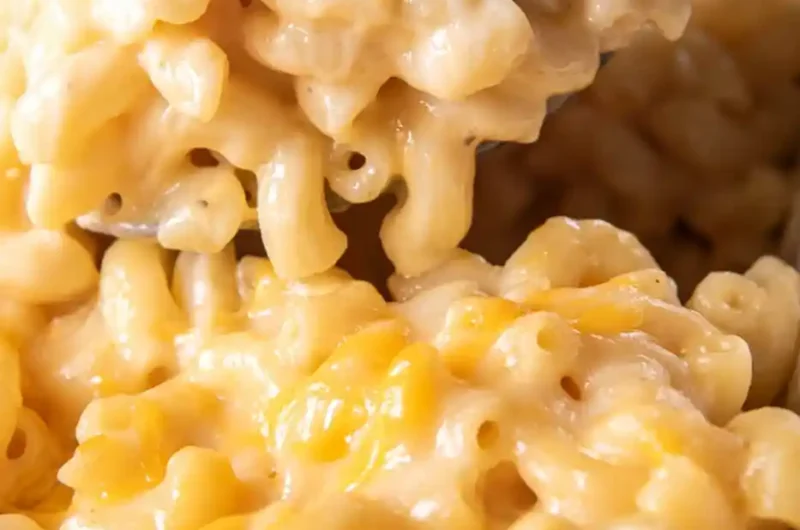
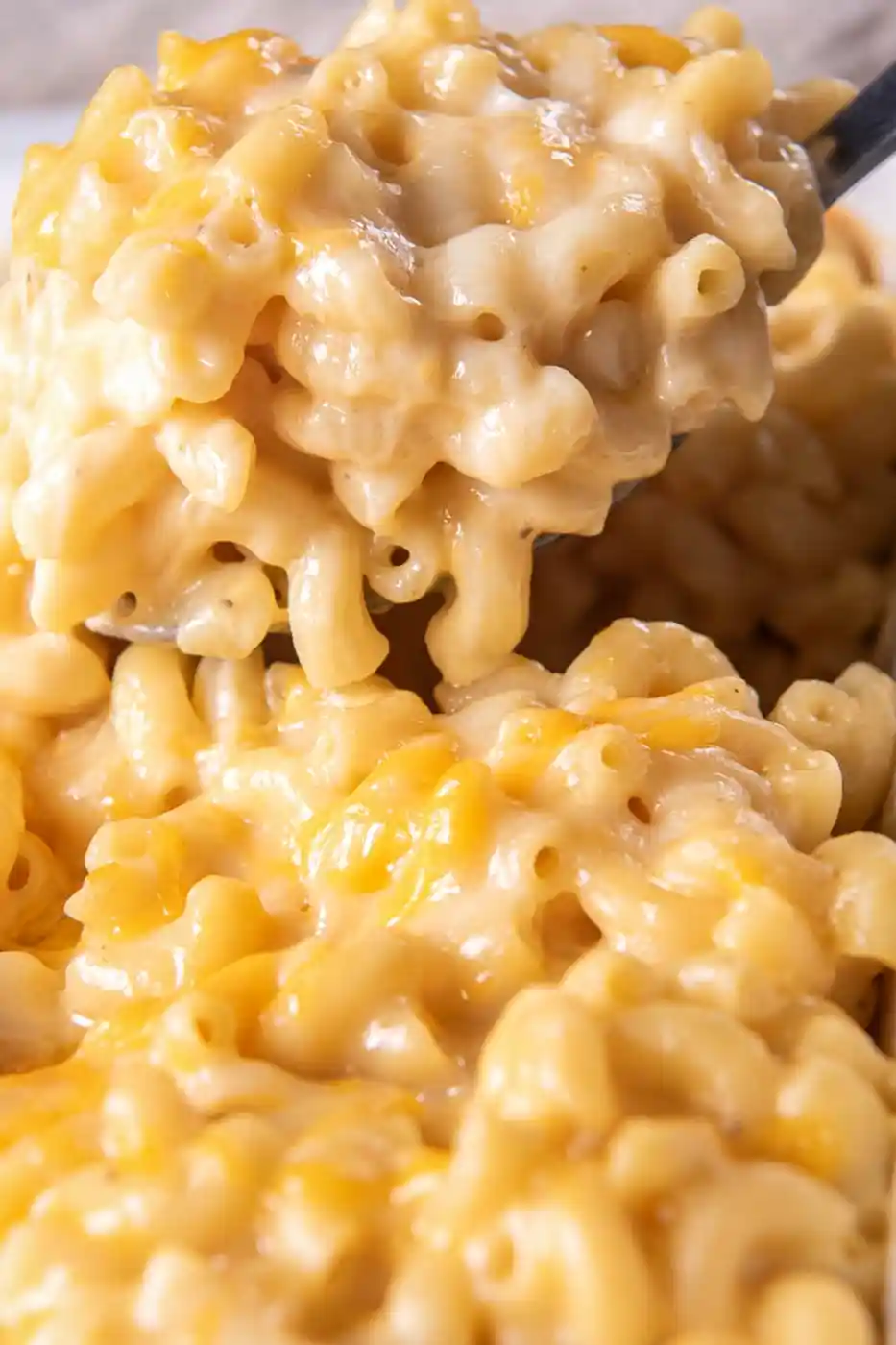
This oven-baked macaroni and cheese is a rich, creamy dish that serves as a hearty main course or a classic side. It uses a blend of sharp cheeses and a smooth roux-based sauce for a professional finish.
List of ingredients
- 16 ounces short pasta shapes, such as elbow macaroni or shells – cooked al dente for the best structure.
- 8 ounces sharp cheddar cheese, shredded (about 2 cups), divided – provides a bold, traditional flavor.
- 8 ounces sharp white cheddar cheese, shredded (about 2 cups), divided – adds a clean, sharp tang and visual contrast.
- 4 tablespoons unsalted butter – used to create the roux for thickening.
- 1/4 cup all-purpose flour – combines with butter to stabilize the cheese sauce.
- 2 cups milk, low fat or whole – whole milk creates a richer, creamier consistency.
- 1/2 teaspoon salt – enhances all the other flavors.
- 1/4 teaspoon black pepper – adds a subtle hint of spice.
- 1/4 teaspoon paprika – provides a mild earthiness and golden color.
- 1/4 teaspoon garlic powder – adds a savory depth to the cheese sauce.
step-by-step instructions
- Prepare the oven and dish: Grease a 9×13-inch baking dish with butter or cooking spray. Preheat your oven to 375° F.
- Boil the pasta: Cook the pasta in a large pot of boiling salted water according to package directions until al dente. Drain the pasta and return it to the cooking pot.
- Prep the cheese: In a separate mixing bowl, combine the shredded sharp cheddar and sharp white cheddar.
- Create the roux: Melt the butter in a medium saucepan over medium heat. Whisk in the flour and continue whisking for 1-2 minutes until the mixture is lightly browned.
- Thicken the sauce: Gradually whisk in the milk. Keep cooking and whisking often for about 5 minutes until the sauce begins to thicken. Remove the pan from the heat.
- Season and melt: Whisk in the salt, pepper, paprika, and garlic powder. Gradually stir in half of the combined cheese until it is completely melted.
- Combine: Pour the cheese sauce over the drained pasta and stir until every piece is well coated.
- Layer the dish: Pour half of the cheesy pasta into the baking dish. Sprinkle one-third of the remaining cheese over this layer. Top with the rest of the pasta and sprinkle the final layer of cheese evenly over the top.
- Bake: Bake uncovered for 15-20 minutes until the dish is hot, bubbly, and the top cheese is melted.
Selecting the Best Pasta Shapes
Elbow Macaroni
This is the classic choice for a reason. The curvature of the elbow shape allows the cheese sauce to pool inside and cling to the exterior, ensuring a balanced bite.
Medium Shells
Shells act like small scoops that capture a larger amount of sauce. They are ideal for those who prefer a higher sauce-to-pasta ratio in every forkful.
Cavatappi
These corkscrew-shaped noodles provide a more modern look and a firm texture. They hold up exceptionally well during the baking process without becoming mushy.
Fusilli or Rotini
The twisted spirals of these pastas create numerous nooks and crannies. This makes them excellent if you plan on adding small vegetable pieces like peas or corn.
Guide to Choosing Cheeses
Sharp Cheddar for Depth
Using a sharp variety ensures the cheese flavor isn’t lost when mixed with milk and flour. It provides the punchy, acidic note that characterizes great mac and cheese.
White Cheddar for Balance
White cheddar often has a slightly different salt profile than orange cheddar. Combining the two creates a more complex and sophisticated flavor profile.
The Importance of Shredding Your Own
Store-bought pre-shredded cheese is coated in cellulose to prevent clumping. This additive can prevent the cheese from melting smoothly, potentially leading to a grainy sauce.
Using Extra-Sharp Varieties
For an even more intense taste, opt for extra-sharp cheddar. These cheeses have aged longer and provide a concentrated flavor that pairs well with the creamy roux.
Mastering the Cheese Sauce Base
The Role of the Roux
A roux is a cooked mixture of equal parts fat and flour. It acts as a thickening agent that prevents the sauce from breaking or separating when it is heated in the oven.
Preventing Flour Clumps
Whisk the flour into the melted butter quickly and thoroughly. Cooking the roux for 1-2 minutes removes the raw flour taste and prepares the starch for the milk.
Adding Milk Gradually
Pour the milk in small increments while whisking constantly. This allows the roux to incorporate the liquid smoothly, resulting in a velvet-like texture without lumps.
Achieving the Correct Thickness
The sauce should be thick enough to coat the back of a spoon but still pourable. Remember that it will thicken further as you stir in the cheese and bake it.
Customizing the Flavor Profile
Adding Smoked Paprika
Replacing regular paprika with smoked paprika adds a subtle wood-fired depth. This mimics the flavor of gourmet grilled cheese and complements the sharp cheddar.
Enhancing with Nutmeg
A tiny pinch of ground nutmeg is a secret ingredient in many professional Béchamel sauces. It adds a subtle warmth that enhances the richness of the dairy.
Using Cayenne for Heat
If you prefer a spicy kick, add a pinch of cayenne pepper. This heat cuts through the heaviness of the cheese and butter, brightening the overall dish.
Incorporating Garlic Powder
Garlic powder provides a savory, aromatic background. It ensures the sauce tastes seasoned and complete rather than just tasting like melted cheese.
Adding Protein for a Full Meal
Shredded Rotisserie Chicken
Mix in cooked, shredded chicken breast for a quick and filling dinner. Stir the chicken into the pasta and sauce before transferring the mixture to the baking dish.
Sautéed Shrimp
Shrimp adds a seafood element that pairs beautifully with white cheddar. Add pre-cooked shrimp to the pasta just before baking to avoid overcooking them.
Diced Grilled Beef
Cubed steak or lean roast beef provides a hearty contrast to the creamy pasta. This transformation turns the side dish into a protein-rich main course.
Smoked Turkey Pieces
Diced smoked turkey offers a salty, savory flavor. The smokiness of the turkey complements the sharpness of the cheddar cheese perfectly.
Incorporating Vegetables
Steamed Broccoli Florets
Broccoli is the most popular vegetable pairing for this dish. Steam the florets first so they are tender and won’t release excess water into the sauce during baking.
Frozen Sweet Peas
Peas add a burst of color and a touch of sweetness. Stir them in at the very end of the mixing process to maintain their bright green hue.
Roasted Cauliflower
Roasting cauliflower before adding it to the pasta adds a caramelized flavor. The cauliflower absorbs the cheese sauce and blends in seamlessly with the pasta.
Sautéed Fresh Spinach
Spinach adds a nutrient boost and a vibrant look. Squeeze out all excess moisture after sautéing to ensure the cheese sauce remains thick and creamy.
Baking Tips for Perfect Texture
Preventing Overcooked Pasta
Boil your pasta for 1-2 minutes less than the package instructions for al dente. Since the pasta cooks further in the oven, undercooking it now prevents it from becoming mushy.
Achieving a Bubbly Top
Leave the baking dish uncovered for the final 15 minutes of cooking. This allows the top layer of cheese to brown and create those coveted bubbly spots.
Using Ceramic Bakeware
Ceramic dishes distribute heat more evenly than glass or metal. This reduces the chance of the edges drying out before the center is fully heated.
Resting the Dish
Allow the macaroni and cheese to sit for 5-10 minutes after removing it from the oven. This helps the sauce set, making it easier to serve clean portions.
Storage and Reheating Guide
Refrigeration Best Practices
Store leftovers in an airtight container in the refrigerator. This dish will stay fresh and delicious for up to four days when stored properly.
Freezing and Thawing
While you can freeze baked mac and cheese, the sauce may separate slightly. To prevent this, undercook the pasta even further if you intend to freeze the dish.
The Best Reheating Method
Reheat portions in the oven at 325° F covered with foil. This preserves the texture better than a microwave and prevents the cheese from becoming oily.
Microwave Reheating Tips
If using a microwave, add a splash of milk to the portion before heating. Stir halfway through to redistribute the moisture and restore the creaminess.
Preparing the Dish in Advance
Assembly Timing
You can assemble the entire dish up to 24 hours before you plan to serve it. Keep it tightly covered with foil or plastic wrap in the refrigerator.
Managing the Temperature
Take the dish out of the fridge and let it sit at room temperature for 20 minutes before baking. This prevents the center from remaining cold while the edges overcook.
Adjusting the Bake Time
When baking a chilled dish, add about 10 extra minutes to the cooking time. Check the center with a knife to ensure it is steaming hot before removing it from the oven.
Troubleshooting Common Issues
Why is my sauce grainy?
Graininess usually occurs if the cheese is added to boiling sauce or if pre-shredded cheese was used. Always remove the pan from the heat before stirring in the cheese.
Why is the pasta dry?
Dryness is often the result of overcooking the pasta during the boiling stage or leaving the dish in the oven too long. Stick to al dente pasta and precise timers.
Why did the sauce separate?
Separation happens if the roux was not cooked long enough or if the milk was added too quickly. Ensure the butter and flour are well blended before adding liquid.
How to fix a bland taste?
If the sauce tastes flat, add a small pinch of salt or a dash of dry mustard powder. This brightens the flavors and enhances the natural tang of the cheddar.
Frequently Asked Questions
Can I use a different milk?
Yes, while whole milk is the most traditional for richness, 2% or skim milk will work. For an even creamier result, you can substitute half the milk with heavy cream.
Do I have to use two types of cheese?
No, you can use 16 ounces of a single sharp cheddar. However, mixing white and yellow cheddar adds a more complex flavor and a better appearance.
Can I make this in a slow cooker?
Yes, but the method changes significantly to avoid overcooking the pasta. You would typically combine the ingredients and cook on low for 2-3 hours.
What if I don’t have a 9×13 dish?
You can use two 8×8-inch square baking dishes. Divide the ingredients evenly and check for doneness a few minutes early, as smaller dishes may cook faster.
Serving and Pairing Suggestions
Pairing with Fresh Salads
A crisp green salad with a lemon vinaigrette is the perfect companion. The acidity of the dressing cuts through the richness of the cheese sauce.
Roasted Root Vegetables
Serve this dish with roasted carrots or parsnips. The natural sweetness of the roasted vegetables balances the saltiness of the sharp cheddar.
Steamed Green Beans
Fresh green beans provide a necessary crunch and a pop of color. They offer a light, clean contrast to the heavy, creamy texture of the pasta.
Lean Protein Pairings
This dish works well alongside grilled chicken breasts or a lean beef roast. These proteins turn the macaroni and cheese from a side into a balanced meal.
Print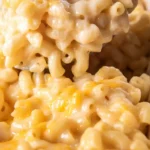
Creamy Baked Macaroni and Cheese
- Total Time: 40 minutes
- Yield: 10 servings 1x
- Diet: Vegetarian
Description
This Homemade Mac and Cheese Recipe is the ultimate comfort food! It’s exceptionally cheesy, creamy and so easy to make. Serve it as a main dish with a vegetable or salad on the side, or as a side dish with your favorite meals.
Ingredients
- 16 ounces short pasta shapes (such as elbow macaroni or shells)
- 8 ounces sharp cheddar cheese, shredded
- 8 ounces sharp white cheddar cheese, shredded
- 4 tablespoons unsalted butter
- ¼ cup all-purpose flour
- 2 cups milk (low fat or whole)
- ½ teaspoon salt
- ¼ teaspoon black pepper
- ¼ teaspoon paprika
- ¼ teaspoon garlic powder
Instructions
- Step 1: Grease a 9×13-inch baking dish with butter or cooking spray. Preheat the oven to 375° F.
- Step 2: Cook pasta in a large pot of boiling salted water according to package directions for al dente. Drain the pasta and place it back into the cooking pot.
- Step 3: Combine the two cheeses in a bowl.
- Step 4: Melt the butter in a medium saucepan over medium heat. Once melted, whisk in the flour. Continue whisking until lightly browned, 1-2 minutes. Gradually whisk in the milk. Continue cooking, whisking often, until the mixture begins to thicken, about 5 minutes. Remove from heat.
- Step 5: Whisk in the salt, pepper, paprika and garlic powder. Then gradually stir in half of the cheese until melted. Pour the cheese sauce over the pasta and stir to combine.
- Step 6: Pour half of the pasta with cheese sauce into the baking dish and sprinkle on ⅓ of the remaining cheese. Top with the remaining pasta. Sprinkle the remaining cheese evenly over the top.
- Step 7: Bake 15-20 minutes, uncovered, until hot and bubbly and cheese is melted on top.
Notes
You can assemble the macaroni and cheese up to 1 day ahead of time, cover, and refrigerate. When you’re ready to bake it, let it sit at room temperature for 20 minutes to take the chill off. Then bake, adding about 10 extra minutes to the bake time listed in the recipe.
- Prep Time: 20 minutes
- Cook Time: 20 minutes
- Category: Main Dish
- Method: Baking
- Cuisine: American
Nutrition
- Serving Size: 1 serving
- Calories: 435 kcal
- Sugar: 4 g
- Sodium: 435 mg
- Fat: 22 g
- Saturated Fat: 13 g
- Unsaturated Fat: 6 g
- Trans Fat: 0 g
- Carbohydrates: 40 g
- Fiber: 2 g
- Protein: 18 g
- Cholesterol: 63 mg
Keywords: homemade mac and cheese, baked macaroni and cheese, creamy pasta, comfort food