This recipe delivers exceptionally tender and moist grilled chicken breasts using a creamy three-ingredient marinade. It is designed for simple preparation, allowing you to marinate the meat overnight to ensure maximum flavor penetration. Follow these precise steps to achieve professional grill marks and a succulent finish.
List of ingredients
- 3-4 lbs boneless, skinless chicken breast – main protein
- 1/2 cup mayonnaise – provides a moisture barrier
- 1/2 cup ranch dressing – adds creamy tang and depth
- 6-8 medium cloves of garlic, pressed – for pungent aroma
- 1 1/2 Tbsp seasoning mix (combine 1.5 Tbsp sea salt, 1 Tbsp paprika, 1 tsp ground black pepper, and 1 tsp garlic powder) – for a savory crust
- 1/2 cup BBQ sauce, plus extra for serving – for a smoky, sweet glaze
step-by-step instructions
- Prepare the chicken: Rinse the chicken breasts in cold water and pat them completely dry using paper towels.
- Mix the marinade: In a casserole dish, combine 1/2 cup mayonnaise, 1/2 cup ranch, and the pressed garlic cloves.
- Coat the meat: Add the chicken breasts to the dish and turn them several times to ensure they are generously coated in the marinade.
- Season and marinate: Apply the seasoning mix to each individual side of the marinated chicken breasts. Cover the dish with plastic wrap and refrigerate for 10 to 24 hours.
- Prepare the grill: Preheat your grill to 400°F and brush the grates with cooking oil to prevent sticking.
- Initial grilling: Place the chicken on the grill, then immediately reduce the heat to medium-low. Cover the grill and cook for approximately 10 minutes per side.
- Create grill marks: Rotate the chicken 90 degrees after the first 5 minutes on each side to create professional criss-cross marks.
- Apply glaze: When you flip the chicken to the second side, generously brush the grilled side with BBQ sauce. Repeat the brushing process once the second side is finished.
- Rest the meat: Remove the chicken from the grill and place it on a platter. Immediately cover it tightly with aluminum foil and let it rest for 15 minutes before slicing.
Grilling Optimization Techniques
Maintain Consistent Temperature
Keep the grill at a steady medium-low heat after the initial sear. This prevents the outside from burning before the center reaches the safe internal temperature of 165°F. Use a grill thermometer to monitor the external heat levels accurately.
Apply Oil to Grates
Brush the grates with a high-smoke point oil like canola or vegetable oil right before adding the meat. This creates a non-stick surface that prevents the marinade from clinging to the metal. You can use a folded paper towel held by tongs to apply the oil safely.
Use a Meat Thermometer
Insert a digital meat thermometer into the thickest part of the breast to ensure it reaches 165°F. This removes the guesswork and prevents overcooking, which leads to a rubbery texture. Remove the chicken as soon as it hits this temperature.
Control the Lid Usage
Keep the grill lid closed as much as possible to maintain a consistent oven-like environment. Opening the lid frequently allows heat to escape and can significantly increase the total cooking time. Only open the lid to rotate or brush the chicken with sauce.
Marinade and Seasoning Mastery
Role of Mayonnaise in Moisture
The mayonnaise in the marinade acts as a protective barrier that prevents the chicken from drying out over the heat. Its fat content helps the meat retain juices and promotes a beautiful golden-brown sear. It also helps the other flavors adhere to the surface of the meat.
Benefit of Overnight Marinating
Allowing the chicken to marinate for 10 to 24 hours ensures that the garlic and ranch flavors penetrate deep into the muscle fibers. This process breaks down some of the proteins, resulting in a more tender bite. Shortening the marination time will result in less flavor depth.
Adjusting Salt Levels
If you are using a store-bought seasoning mix, check the salt content before applying it. You can reduce the sea salt in the homemade mix if you prefer a less salty profile. Always season the meat after it has been coated in the creamy marinade.
Fresh Garlic Application
Pressing the garlic cloves ensures that the oils are released and distributed evenly throughout the marinade. Avoid using pre-minced jarred garlic, as it lacks the punch of fresh cloves. The garlic provides a savory base that balances the sweetness of the BBQ sauce.
Flavor Customization and Variations
Adding Spicy Elements
Incorporate a teaspoon of cayenne pepper or chipotle powder into the seasoning mix for a spicy kick. You can also use a spicy BBQ sauce during the glazing step for layered heat. This works well for those who enjoy a bolder, piquant flavor.
Honey Glazed Variation
Mix two tablespoons of honey into your BBQ sauce before brushing it onto the chicken. The extra sugar creates a thicker, stickier glaze that caramelizes quickly on the grill. This adds a floral sweetness that complements the tangy ranch marinade.
Herbal Infusion
Add chopped fresh parsley or dried oregano to the marinade for an earthy, aromatic twist. These herbs pair well with the garlic and mayonnaise base. This variation is excellent when serving the chicken with fresh garden salads.
Smoky Paprika Enhancement
Replace the standard paprika in the seasoning mix with smoked paprika for a more intense barbecue flavor. This adds a wood-fired essence even if you are using a gas grill. It deepens the color of the crust and enhances the overall smokiness.
Tangy Mustard Addition
Whisk a tablespoon of Dijon mustard into the ranch and mayo mixture. The mustard adds a sharp, vinegary note that cuts through the richness of the creamy marinade. This creates a more complex flavor profile similar to a Carolina-style BBQ.
Chicken Preparation Tips
Ensure Even Thickness
Use a meat mallet to pound the thicker end of the chicken breast to a uniform thickness. This ensures that the entire piece of meat cooks at the same rate. Even thickness prevents the thin end from drying out while the center is still raw.
Importance of Surface Drying
Always pat the chicken dry with paper towels after rinsing. Excess water on the surface creates steam instead of a sear, which prevents the development of a brown crust. A dry surface allows the marinade and seasonings to stick more effectively.
Tempering the Meat
Take the marinated chicken out of the refrigerator about 20 minutes before grilling. Bringing the meat closer to room temperature ensures more even cooking throughout the breast. This prevents the outside from overcooking while the inside remains cold.
Proper Marinating Storage
Use a glass or ceramic casserole dish for marinating to avoid chemical reactions with acidic ingredients. Ensure the dish is sealed tightly with plastic wrap to prevent the meat from oxidizing. Store the dish on the lowest shelf of the refrigerator where it is coldest.
Serving and Pairing Ideas
The Importance of Resting
Letting the chicken rest under foil for 15 minutes allows the juices to redistribute throughout the meat. Cutting into the chicken immediately causes the juices to run out, leaving the meat dry. This step is critical for achieving the maximum juiciness.
Slicing Against the Grain
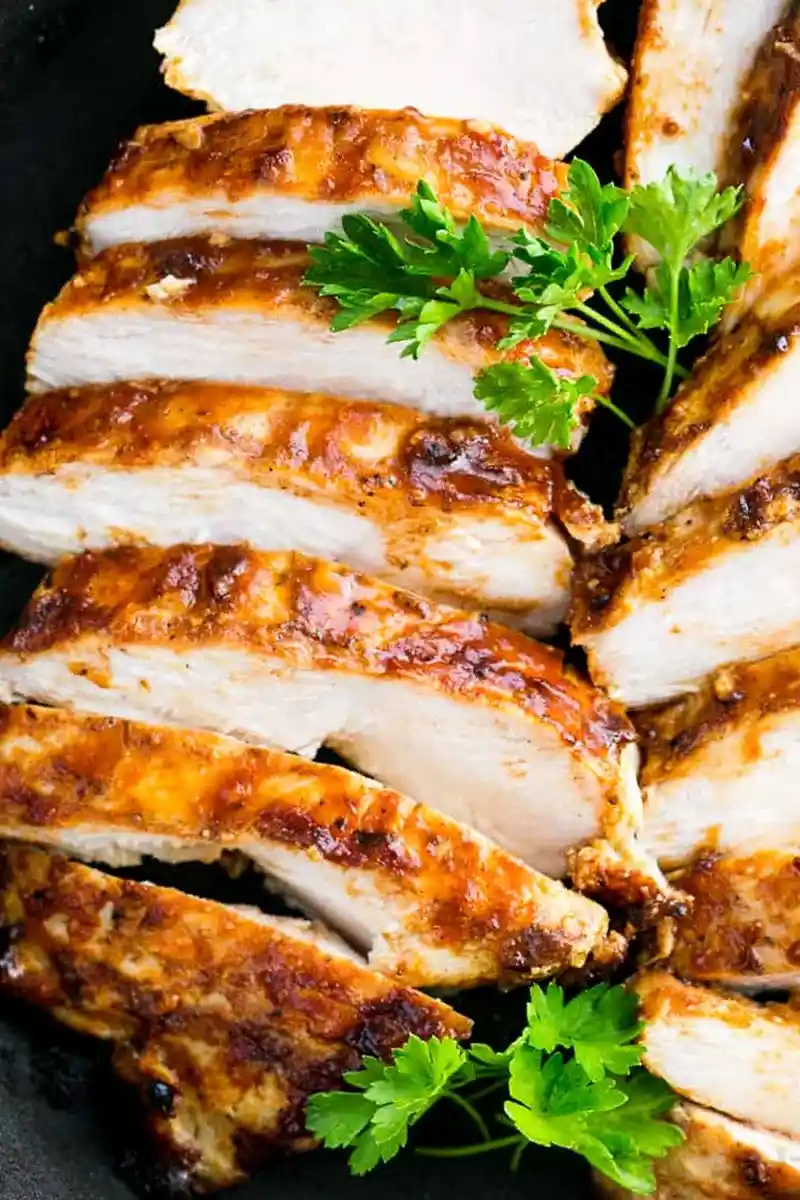
Identify the direction of the muscle fibers and slice the chicken perpendicular to them. This shortens the fibers, making the meat feel more tender when chewed. Slicing on a bias (diagonally) also improves the visual presentation on the plate.
Classic Side Dish Pairings
Serve this BBQ chicken with creamy mashed potatoes to balance the smoky glaze. A crisp cucumber and tomato salad provides a refreshing acidity that cuts through the richness of the mayo-based marinade. Corn on the cob is another traditional accompaniment.
Platter Presentation
Arrange the sliced chicken breasts on a large platter and drizzle extra BBQ sauce over the top. Garnish with freshly chopped parsley or sliced green onions for a pop of color. Serving the chicken family-style encourages a communal dining experience.
Storage and Reheating Guidelines
Refrigeration Procedures
Store leftover grilled chicken in an airtight container in the refrigerator for up to three to four days. Ensure the chicken is completely cooled before sealing the container to prevent moisture buildup. Keep the extra BBQ sauce in a separate container to maintain its consistency.
Freezing Instructions
Wrap individual pieces of cooked chicken tightly in foil and place them in a freezer-safe bag. They can be stored in the freezer for up to three months. Thaw them slowly in the refrigerator overnight before reheating to preserve the texture.
Oven Reheating Method
Place the chicken in an oven-safe dish and add a tablespoon of water or broth to the bottom. Cover the dish with foil and heat at 325°F until warmed through. This method prevents the meat from drying out compared to using a microwave.
Stovetop Refreshing
Heat a skillet over medium heat with a small amount of oil or butter. Add the chicken slices and a brush of fresh BBQ sauce, searing for two minutes per side. This restores the caramelized exterior and warms the center efficiently.
Troubleshooting Common Issues
Preventing Rubbery Texture
Rubbery chicken is usually a result of overcooking. Use a meat thermometer to ensure you do not exceed 165°F internally. Remember that the meat continues to cook slightly while resting under the foil.
Managing Sauce Burn
BBQ sauces with high sugar content can burn quickly if the heat is too high. If you notice the sauce charring too rapidly, move the chicken to a cooler part of the grill. Apply the sauce in the final minutes of cooking rather than at the beginning.
Fixing Underdone Centers
If the center is undercooked but the outside is browned, reduce the grill heat and cover with the lid. This creates an oven effect that cooks the interior without burning the exterior. Give it another 3-5 minutes per side.
Addressing Bland Flavor
If the chicken tastes bland, you may not have used enough seasoning mix or marinated long enough. Ensure you season both sides of the meat generously. You can always add a pinch of sea salt or a squeeze of lemon juice just before serving to brighten the flavors.
Frequently Asked Questions
Can I use chicken thighs instead?
Yes, boneless skinless chicken thighs work very well with this recipe. Thighs are naturally juicier and more forgiving, though they may require a few extra minutes of grilling time due to their fat content.
Is the mayonnaise taste noticeable?
No, the mayonnaise does not leave a distinct mayo flavor in the finished dish. It primarily serves to keep the meat moist and helps the other seasonings adhere to the chicken during the grilling process.
What if I do not have a grill?
You can use an oven-safe skillet or a cast-iron grill pan on the stovetop. Sear the chicken over medium-high heat and then finish it in a 375°F oven until the internal temperature reaches 165°F.
How long can the chicken stay in the marinade?
The chicken is best marinated for 10 to 24 hours. Avoid marinating beyond 24 hours, as the acids in the ranch can start to break down the meat too much, leading to a mushy texture.
Why is the internal temperature 165°F?
This is the USDA recommended safe internal temperature for poultry to ensure all harmful bacteria are destroyed. Using a thermometer is the only way to guarantee the meat is safe to eat without overcooking it.
Print
Juicy BBQ Grilled Chicken Breast
- Total Time: 10 hours 25 minutes
- Yield: 6–8 servings 1x
- Diet: General
Description
A famous and tender BBQ chicken breast recipe using a simple 3-ingredient marinade that allows for overnight preparation, making it perfect for parties.
Ingredients
- 3–4 lbs boneless, skinless chicken breast
- 1/2 cup mayonnaise
- 1/2 cup ranch
- 6–8 medium cloves of garlic, pressed
- 1 1/2 Tbsp seasoning (mix of 1 ½ Tbsp sea salt, 1 Tbsp paprika, 1 tsp freshly ground pepper, 1 tsp garlic powder)
- 1/2 cup BBQ sauce, plus more for serving
Instructions
- Step: Rinse chicken in cold water and pat dry with paper towels.
- Step: Combine mayonnaise, ranch, and pressed garlic in a casserole dish.
- Step: Add chicken to the dish and turn several times to coat generously in the marinade.
- Step: Season each side of the chicken with the seasoning mix, cover with plastic wrap, and refrigerate for 10 to 24 hours.
- Step: Preheat grill to 400°F, brush grates with oil, place chicken, reduce heat to medium-low, cover, and cook 10 minutes per side (rotating 90° after 5 minutes), brushing the grilled side with BBQ sauce when turning.
- Step: Remove from grill, place on a platter, cover tightly with foil, and let rest for 15 minutes before cutting.
Notes
Chicken is done when the internal temperature reaches 165°F. Avoid overcooking to prevent a rubbery texture; the meat will continue to cook slightly after removal from the grill.
- Prep Time: 10 hours
- Cook Time: 25 minutes
- Category: Main Course
- Method: Grilling
- Cuisine: American
Nutrition
- Serving Size: 1 chicken breast
- Calories: 680 kcal
- Sugar: 12 g
- Sodium: 1450 mg
- Fat: 38 g
- Saturated Fat: 12 g
- Unsaturated Fat: 22 g
- Trans Fat: 0 g
- Carbohydrates: 18 g
- Fiber: 1 g
- Protein: 62 g
- Cholesterol: 210 mg
Keywords: barbecued chicken breast, grilled chicken, juicy chicken breast