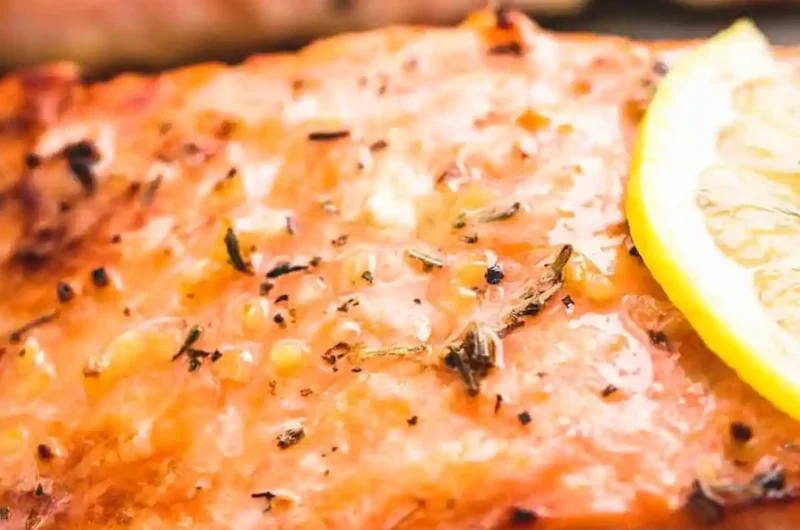
This simple baked salmon is a nutrient-dense meal that transitions perfectly from a weeknight dinner to a special occasion. It combines fresh citrus and savory garlic to produce a tender, flaky result in under 30 minutes.
List of ingredients
- 4 salmon fillets (about 6 ounces each) – use fresh or thawed vacuum-sealed fillets.
- 2 tablespoons olive oil – extra virgin provides the best flavor, but vegetable oil works too.
- 1/2 teaspoon salt – kosher or Himalayan pink salt is recommended.
- 1/4 teaspoon cracked black pepper – use a pinch if using finely ground pepper.
- 2 teaspoons minced garlic – fresh minced garlic or store-bought minced garlic in oil.
- 1 teaspoon Italian herb seasoning blend – alternatives include herbs de provence or a mix of 1/4 teaspoon each of dried thyme, parsley, oregano, and basil.
- 1 medium lemon – divided for juice and slicing.
step-by-step instructions
- Prepare the Oven: Preheat your oven to 400 degrees and lightly grease a large baking pan to prevent the fish from sticking.
- Season the Fish: Arrange the salmon fillets on the baking sheet and season each piece generously with salt and pepper.
- Create the Marinade: In a small bowl, stir together the olive oil, minced garlic, herb seasoning, and the juice from half of the lemon.
- Apply the Sauce: Spoon the oil mixture over the salmon fillets, rubbing it thoroughly over the tops and sides to ensure no dry spots remain.
- Add Lemon Garnish: Thinly slice the remaining half of the lemon and place one slice on top of each fillet.
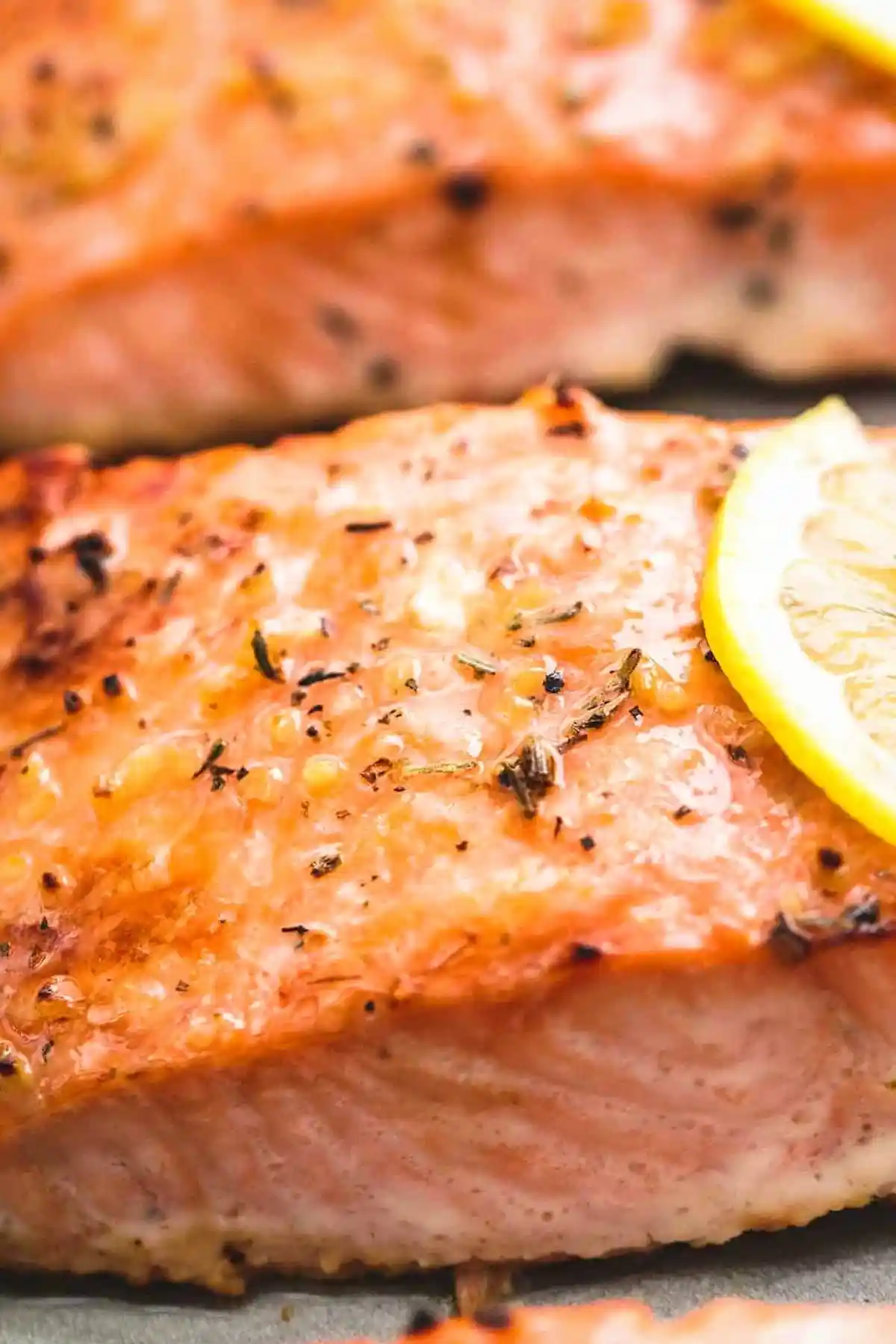
- Bake: Bake for 12-15 minutes until the salmon is opaque and flakes easily when tested with a fork. For a charred finish, broil for the last 1-2 minutes.
- Final Touch: Garnish with fresh thyme or parsley if desired and serve immediately.
Understanding Different Salmon Varieties
Sockeye Salmon Characteristics
Sockeye salmon is distinguished by its deep red color and a leaner profile compared to other varieties. It has a more intense, robust flavor that stands up well to strong seasonings like garlic and lemon.
King Salmon Texture and Fat
Also known as Chinook salmon, this variety is the most prized for its high fat content and buttery texture. It is typically more expensive and found in high-end markets, providing a rich mouthfeel that resists drying out during baking.
Pink Salmon Uses
Pink salmon is a smaller, paler variety with a milder taste. It is the most common type used in the canning process, though it can be baked if a lighter flavor profile is preferred.
Chum Salmon and Roe
Chum salmon is highly valued primarily for its roe, which is frequently used in sushi. While less common as a primary fillet for baking, it can be utilized in recipes requiring a more substantial fish structure.
Coho Salmon Flavor Profile
Coho salmon, often called silver salmon, offers a middle ground in terms of flavor and fat content. It is milder than Sockeye but more flavorful than Pink salmon, making it a versatile choice for oven-baking.
Guidelines for Purchasing Quality Salmon
Evaluating the Scent of Fresh Fish
Fresh salmon should never have a strong, pungent, or “fishy” smell. A quality fillet will have a mild, clean scent reminiscent of the ocean; any sharp ammonia-like odors indicate the fish is past its prime.
Inspecting Visual Indicators
Look for flesh that is vibrantly colored and moist. Avoid any fillets that appear anemic, pale, or have brown spots and bruising, as these are signs of oxidation and age.
Checking Frozen Packaging Integrity
When buying pre-packaged or frozen salmon, ensure the vacuum seal is completely tight with no air pockets. Avoid packages that show signs of freezer burn, such as white, dried-out patches on the surface of the fish.
Identifying Pure Ingredients
Read labels carefully to avoid salmon with added artificial colorings or excessive preservatives. Stick to fillets with minimal ingredients to ensure the healthiest and most natural meal.
Determining Optimal Cooking Temperatures
Target Internal Temperatures
For most preferences, oven-baked salmon is cooked through when the internal temperature in the thickest part of the fillet reaches between 110 and 140 degrees Fahrenheit. This range allows for various levels of doneness from medium-rare to medium-well.
Using a Meat Thermometer
The most accurate way to ensure salmon is not overcooked is by using a digital meat thermometer. Insert the probe into the center of the thickest part of the fillet to get a precise reading without having to cut into the fish.
Visual Signs of Doneness
If a thermometer is unavailable, watch for the color change from translucent red/orange to an opaque pink. Use a fork to gently press the thickest part; if the flesh flakes apart easily, the salmon is ready.
Methods to Ensure Moist Salmon
Maintaining Proper Oven Heat
Cooking salmon at too high a temperature can cause the proteins to contract too quickly, squeezing out moisture. Stick to the 400-degree mark and avoid extending the cook time beyond 15 minutes to prevent dryness.
The Role of Foil Covers
If you find your oven runs hot, you can loosely cover the baking pan with aluminum foil. This creates a small steam chamber that helps the salmon stay moist while it cooks through.
Benefits of Keeping the Skin On
Keeping the skin on the fillets acts as a natural thermal barrier between the heat source and the delicate flesh. This helps distribute heat more evenly and prevents the bottom of the fillet from overcooking before the top is done.
Serving and Pairing Ideas
Pairing with Green Vegetables
Baked salmon pairs exceptionally well with steamed asparagus, sautéed spinach, or roasted broccoli. The natural earthiness of these vegetables complements the acidity of the lemon and the richness of the fish.
Selecting Compatible Grains
Serve your salmon over a bed of fluffy quinoa, brown rice, or wild rice for a complete meal. These grains absorb the leftover garlic-lemon sauce from the pan, adding extra flavor to the side dish.
Combining with Fresh Salads
A crisp garden salad with a light vinaigrette provides a refreshing contrast to the baked salmon. Use mixed greens, cucumber, and radishes to add a crunch that balances the tender texture of the fish.
Flavor Modifications and Substitutions
Substituting Citrus Varieties
For a different flavor profile, replace the lemon juice and slices with fresh lime. This gives the dish a brighter, more tropical tone that works well with the garlic and herbs.
Incorporating Fresh Cilantro
If you use lime instead of lemon, garnish the finished fillets with chopped fresh cilantro instead of parsley. This creates a zesty, Latin-inspired flavor combination.
Adjusting the Herb Blend
If you do not have an Italian seasoning blend, you can create your own using equal parts dried thyme, parsley, oregano, and basil. Increasing the amount of thyme will give the dish a more woody, aromatic quality.
Storage and Reheating Instructions
Proper Refrigeration Techniques
Store leftover salmon in an airtight container or wrap it tightly in aluminum foil to prevent it from absorbing other fridge odors. Refrigerated salmon will remain safe and tasty for approximately 3 to 4 days.
Gentle Oven Reheating
To reheat, place the salmon in a low-temperature oven (around 275 degrees) and add a small splash of water or extra olive oil to the pan. This slow heating process prevents the fish from becoming rubbery.
Stovetop Reheating Method
Alternatively, warm the salmon in a skillet over medium-low heat with a lid on. This traps the moisture and gently warms the fillet without drying out the exterior.
Avoiding the Microwave
Avoid reheating salmon in the microwave if possible, as the intense, uneven heat often overcooks the edges while leaving the center cold. Microwaving tends to toughen the proteins, resulting in a dry texture.
Frequently Asked Questions
Can I use frozen salmon fillets for this recipe?
Yes, you can use frozen fillets. Ensure they are completely thawed in the refrigerator overnight and patted dry with paper towels before seasoning to ensure the oil and herbs adhere properly.
How do I prevent the salmon from sticking to the pan?
Greasing the pan with oil or using a piece of parchment paper is the most effective way to prevent sticking. Parchment paper is especially useful for easy cleanup and ensures the skin releases cleanly.
What is the best way to store salmon for meal prep?
Divide the cooked salmon into individual airtight containers with a side of grains and vegetables. Keep them in the coldest part of the refrigerator and reheat only the portion you intend to eat.
Can this recipe be adapted for foil packets?
Yes, you can place each fillet on a square of foil, add the seasonings and lemon, and fold the edges to create a sealed packet. This method traps more moisture and makes cleanup even easier, though you may miss the slight char of the open pan.
Print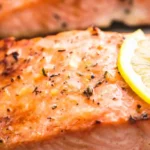
Easy Healthy Baked Salmon with Lemon and Garlic
- Total Time: 25 minutes
- Yield: 4 servings 1x
- Diet: Pescatarian
Description
This is the very Best Easy Healthy Baked Salmon! Full of delicious lemon and garlic flavors, baked to flaky, tender perfection and on the table in just 30 minutes!
Ingredients
- 4 salmon fillets (about 6 ounces each)
- 2 tablespoons olive oil
- ½ teaspoon salt
- ¼ teaspoon cracked black pepper
- 2 teaspoons minced garlic
- 1 teaspoon Italian herb seasoning blend
- 1 medium lemon
Instructions
- Step: Preheat oven to 400 degrees and grease a large baking pan. Arrange salmon fillets on the baking sheet and season generously with salt and pepper.
- Step: Stir together olive oil, garlic, herbs, and juice of 1/2 lemon. Spoon over salmon fillets being sure to rub all over the tops and sides of the salmon so it has no dry spots. Thinly slice remaining 1/2 of lemon and top each piece of salmon with a slice of lemon.
- Step: Bake for 12-15 minutes until salmon is opaque and flaky when pulled apart with a fork. You can broil the last 1-2 minutes if desired.
- Step: Garnish with fresh thyme or parsley if desired and serve.
Notes
Flavor tip: swap out the lemon for lime and add a sprinkle of cilantro at the end!
- Prep Time: 10 minutes
- Cook Time: 15 minutes
- Category: Main Course
- Method: Baking
- Cuisine: American
Nutrition
- Serving Size: 1 fillet
- Calories: 306 kcal
- Sugar: 1 g
- Sodium: 366 mg
- Fat: 18 g
- Saturated Fat: 3 g
- Unsaturated Fat: 15 g
- Trans Fat: 0 g
- Carbohydrates: 1 g
- Fiber: 1 g
- Protein: 34 g
- Cholesterol: 94 mg
Keywords: baked salmon, lemon garlic salmon, healthy dinner, easy seafood