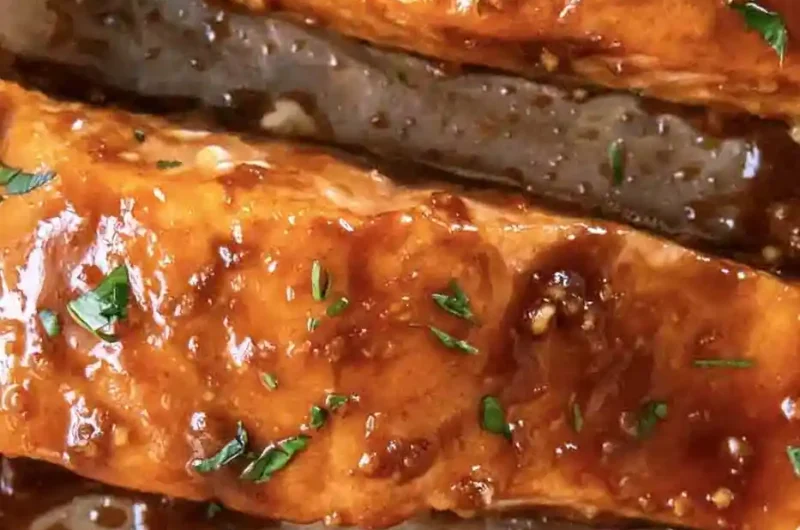
This oven-baked salmon features a savory honey garlic glaze that keeps the fish moist and tender. It is a quick, healthy meal option that requires minimal preparation for a weeknight dinner.
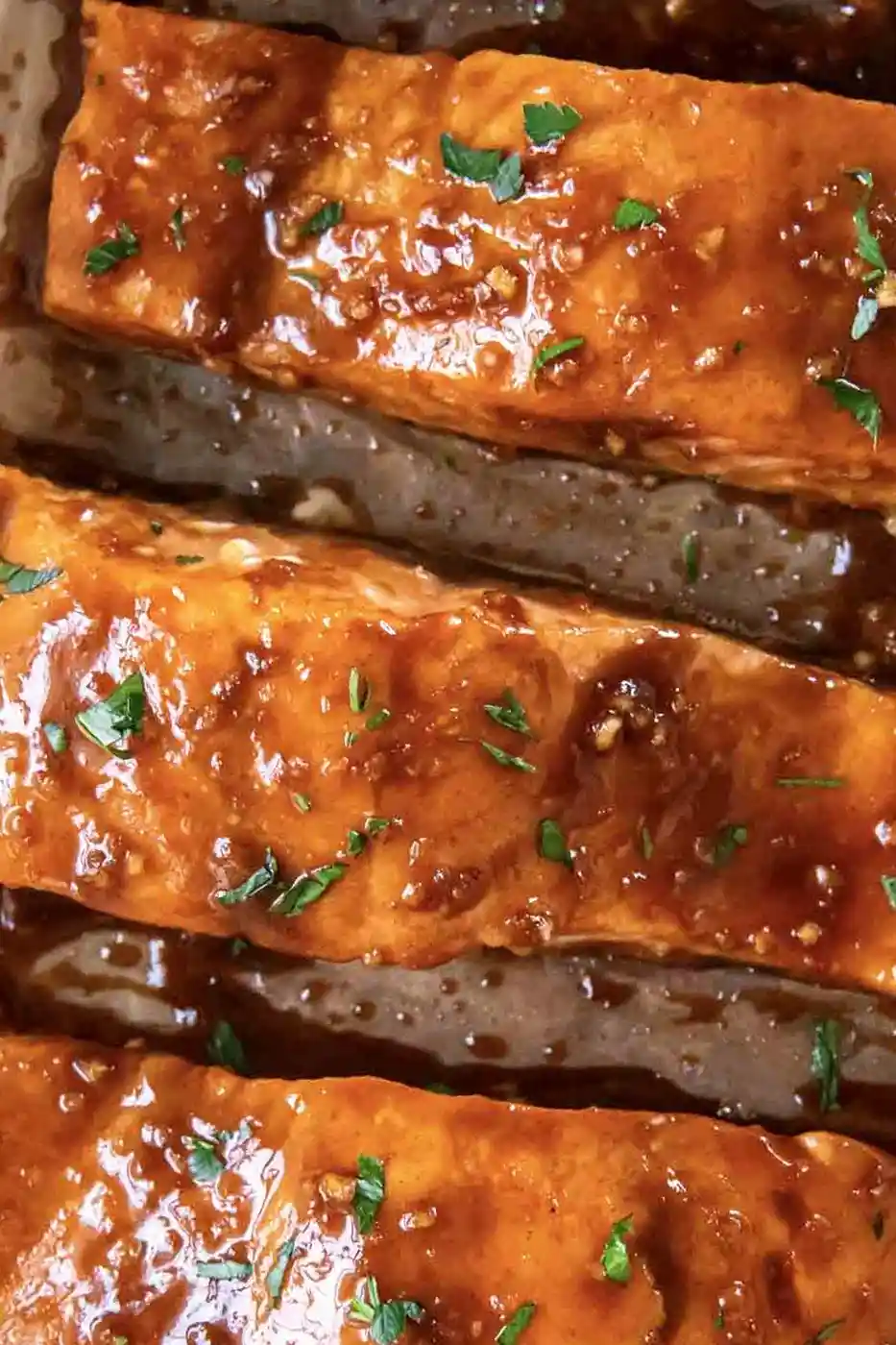
List of ingredients
- 4 salmon fillets (6 ounces each, skin on) – skin helps retain moisture during baking.
- 1 ½ tablespoons low sodium soy sauce – provides a salty, savory base.
- 1 tablespoon olive oil – helps the glaze adhere and prevents sticking.
- 1 tablespoon honey – adds sweetness and creates a caramelized finish.
- 1 ½ teaspoons Dijon mustard – adds tang and thickness to the sauce.
- 2 cloves garlic (minced) – adds aromatic pungency.
step-by-step instructions
- Prepare the fish: Remove the salmon fillets from the refrigerator and let them sit at room temperature while you prepare the other ingredients to ensure even cooking.
- Set up the oven: Preheat your oven to 400° F. Line a 9×13-inch baking dish with parchment paper or aluminum foil for an easier cleanup process.
- Create the glaze: In a small mixing bowl, whisk together the low sodium soy sauce, olive oil, honey, Dijon mustard, and minced garlic until smooth.
- Apply the first layer: Place the salmon fillets in the prepared baking dish with the skin side facing down. Reserve half of the sauce and brush the remaining half over the top of each fillet.
- Initial bake: Bake the salmon for 12 minutes in the preheated oven.
- Final glaze and cook: Remove the dish and brush the reserved sauce over the salmon. Bake for an additional 2-8 minutes, depending on the thickness of the fillets and your preferred doneness.
- Check for completion: The salmon is ready when it flakes easily with a fork. For precise results, use a thermometer to hit 145° F (FDA standard) or 125-130° F for a moister texture, then let it rest for 3 minutes.
Salmon Selection Guide
Identify Fresh Color and Texture
Look for fillets with a vibrant, consistent color without any gray or brown spots. The flesh should look moist and firm to the touch, springing back immediately when pressed lightly.
Evaluate the Aroma
Fresh salmon should have a mild, clean scent of the ocean rather than a strong fishy odor. A pungent or sour smell is a primary indicator that the fish is no longer fresh.
Inspect the Skin Quality
The skin should appear shiny and intact without any slime or discoloration. High-quality skin helps protect the delicate flesh from drying out in the high heat of the oven.
Handle Frozen Fillets Correctly
Thaw frozen salmon slowly in the refrigerator overnight to preserve the cellular structure of the meat. Alternatively, place vacuum-sealed fillets in a bowl of cold water, changing the water every 30 minutes.
Cooking Precision and Temperature
Use an Instant-Read Thermometer
Inserting a digital thermometer into the thickest part of the fillet is the only way to ensure accuracy. This prevents the guesswork that often leads to overcooked, dry fish.
Understand the Carry-Over Effect
Salmon continues to cook for several minutes after being removed from the oven. Pull the fish out when it is 3-5 degrees below your target temperature to avoid overshooting the ideal doneness.
The Fork Flake Test
If a thermometer is unavailable, gently press a fork into the thickest part of the fillet. If the meat separates easily along the natural flakes, the salmon is cooked through.
Targeting Specific Doneness
While 145° F is the official safety recommendation, many prefer 125-130° F for a buttery texture. Resting the fish for three minutes allows the heat to distribute evenly and the juices to redistribute.
Preparation and Equipment Advice
The Benefit of Room Temperature
Allowing the fish to sit out for 15 minutes reduces the temperature gradient between the center and the surface. This results in a more uniform cook and reduces the risk of raw centers.
Parchment Paper vs Foil
Parchment paper is superior for preventing the honey-based glaze from sticking to the pan. Aluminum foil is a viable alternative, but it may require a small amount of extra oil to prevent sticking.
Keeping the Skin On
Baking with the skin side down acts as a heat shield, protecting the bottom of the fillet. This preserves the moisture and prevents the fish from absorbing too many flavors from the pan.
Removing the Skin After Cooking
Once baked, the skin separates easily from the flesh. Use a thin metal spatula or a sharp knife to gently lift the fillet away from the skin before serving.
Customization and Substitutions
Switching to a Dry Rub
If you prefer a crust over a glaze, omit the liquid ingredients and apply a blend of paprika, garlic powder, and salt. Rub the seasoning firmly into the flesh before baking.
Honey Alternatives for Sweetness
Maple syrup can be used as a 1:1 replacement for honey to provide a different flavor profile. Agave nectar also works well for those seeking a thinner consistency.
Adjusting Garlic Intensity
For a milder flavor, use garlic powder instead of fresh minced cloves. Conversely, increasing to three cloves can provide a more pungent, savory profile for those who enjoy bold garlic.
Soy Sauce Substitutes
Coconut aminos can replace low sodium soy sauce for a slightly sweeter, soy-free alternative. Ensure the salt balance is adjusted since aminos are generally less salty.
Serving and Pairing Ideas
Starch Pairings for Balance
Creamy mashed potatoes or steamed white rice provide a neutral base that complements the sweet and salty glaze. Roasted fingerling potatoes offer a crisp texture contrast.
Vegetable Accompaniments
Sautéed green beans or roasted Brussels sprouts add a bitter, earthy note that cuts through the richness of the salmon. Air fryer asparagus is another fast, healthy side option.
Fresh Salad Combinations
A kale salad with a lemon vinaigrette provides a bright, acidic contrast to the honey glaze. A simple arugula salad with shaved parmesan is also highly effective.
Bread Options
Homemade focaccia or a toasted baguette can be used to soak up any remaining glaze from the baking dish. This adds a hearty element to the meal.
Storage and Reheating Guidelines
Refrigerator Storage Duration
Store cooked salmon in an airtight container in the refrigerator for up to 3-4 days. Ensure the fish is completely cooled before sealing the container to prevent condensation.
Gentle Reheating Methods
Reheat the salmon in a low-temperature oven (around 275° F) to avoid drying out the meat. A pan on the stove with a teaspoon of water and a lid also works well.
Microwave Precautions
If using a microwave, use a low power setting and heat in 30-second intervals. Overheating in the microwave can cause the proteins to tighten, making the fish rubbery.
Freezing Cooked Salmon
Cooked salmon can be frozen for up to two months, though the texture may change. Wrap it tightly in freezer paper and foil to prevent freezer burn.
Troubleshooting Common Issues
Dealing with White Albumin
The white substance that sometimes appears on the surface is albumin, a natural protein. It is completely safe to eat, though it often indicates the fish was cooked slightly too fast.
Preventing Sticking to the Pan
If the salmon sticks despite using liners, ensure the fillets are patted dry before adding the glaze. Excess moisture can create a steam effect that bonds the fish to the surface.
Fixing Dry Texture
Dry salmon is usually the result of overcooking. To salvage dry fillets, flake them into a cold salad or mix them with a bit of mayonnaise and lemon juice.
Handling Uneven Thickness
If your fillets vary in size, place the thicker pieces toward the center of the pan. Check the thinner pieces earlier to remove them as soon as they hit the target temperature.
Frequently Asked Questions
Can I use frozen salmon without thawing?
It is not recommended to bake salmon from frozen as the outside will overcook before the center is safe. Thawing ensures a consistent texture and prevents the fish from releasing excessive water.
What is the best type of salmon for this recipe?
Atlantic salmon is common and mild, while Sockeye provides a bolder flavor and deeper color. Both work well, but Sockeye may cook slightly faster due to its leaner profile.
How do I know if the salmon is overcooked?
Overcooked salmon will look pale and opaque throughout and will feel firm or rubbery. You may also see a significant amount of white albumin pushing out of the sides.
Can I bake this on a sheet pan instead of a dish?
Yes, a rimmed baking sheet works perfectly. Use parchment paper to ensure the glaze does not burn onto the metal surface.
Is the skin necessary for the flavor?
The skin does not impact the flavor of the meat, but it is essential for moisture retention. It prevents the bottom of the fillet from drying out during the 400° F bake.
Can I add lemon to the glaze?
Adding a squeeze of fresh lemon juice to the whisked sauce provides a bright acidity. This helps balance the sweetness of the honey and the richness of the olive oil.
Print
Best Ever Baked Salmon
- Total Time: 30 minutes
- Yield: 4 servings 1x
- Diet: Dairy Free
Description
This is my family’s favorite baked salmon recipe! With a delicious glaze and quick preparation time, this salmon recipe is perfect for a weeknight.
Ingredients
- 4 salmon fillets (6 ounces each, skin on)
- 1 ½ tablespoons low sodium soy sauce
- 1 tablespoon olive oil
- 1 tablespoon honey
- 1 ½ teaspoons Dijon mustard
- 2 cloves garlic (minced)
Instructions
- Step: Remove the salmon from the refrigerator and let it come to room temperature while you prepare the other ingredients.
- Step: Preheat oven to 400° F. Line a 9×13-inch baking dish with a sheet of parchment paper (or foil) for easy clean up.
- Step: In a small bowl, whisk together soy sauce, olive oil, honey, Dijon mustard and minced garlic.
- Step: Place salmon, skin side down, in the prepared baking dish. Reserve ½ of the sauce in a clean dish and brush/spoon the remaining ½ of the sauce over the salmon.
- Step: Bake for 12 minutes and then brush on the remaining sauce. Bake 2-8 more minutes, or until the salmon is cooked to your liking. When it’s done, the salmon should flake easily with a fork. Thicker salmon fillets will take longer to cook through than thinner salmon fillets. (The FDA recommends an internal temperature of 145° F for salmon, but some prefer it cooked to 125-130° F, then rest for 3 minutes before serving.)
Notes
You can swap the glaze for a dry rub seasoning if preferred. Cooking salmon with the skin on helps to keep it moist.
- Prep Time: 10 minutes
- Cook Time: 20 minutes
- Category: Main Course
- Method: Baking
- Cuisine: Mediterranean
Nutrition
- Serving Size: 1 fillet (6 ounces)
- Calories: 279 kcal
- Sugar: 0.1 g
- Sodium: 312 mg
- Fat: 14 g
- Saturated Fat: 2 g
- Unsaturated Fat: 11 g
- Trans Fat: 0 g
- Carbohydrates: 1 g
- Fiber: 0.2 g
- Protein: 34 g
- Cholesterol: 94 mg
Keywords: baked salmon, honey garlic glaze, oven baked salmon, healthy dinner, Mediterranean