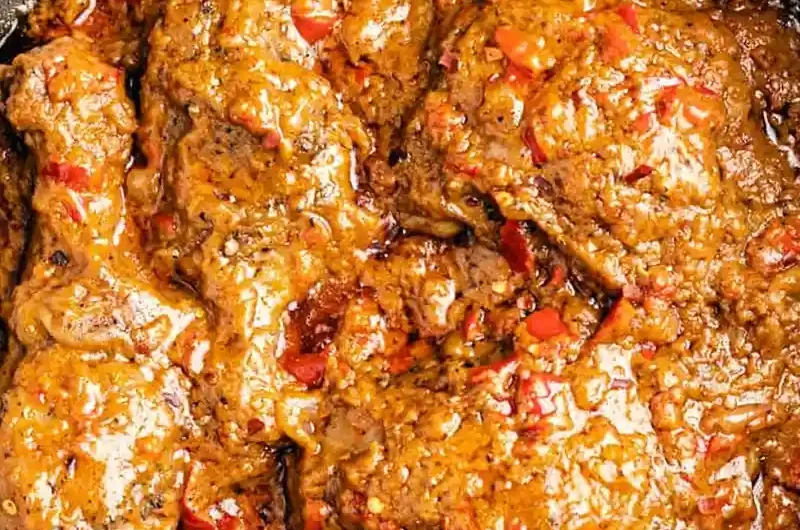
This African chicken peanut stew is a rich, protein-packed meal that combines savory chicken with a creamy nut base. It is a versatile dish that works well for family dinners or as a meal-prep option for the week. This hearty stew provides a satisfying balance of heat and nuttiness in every bite.
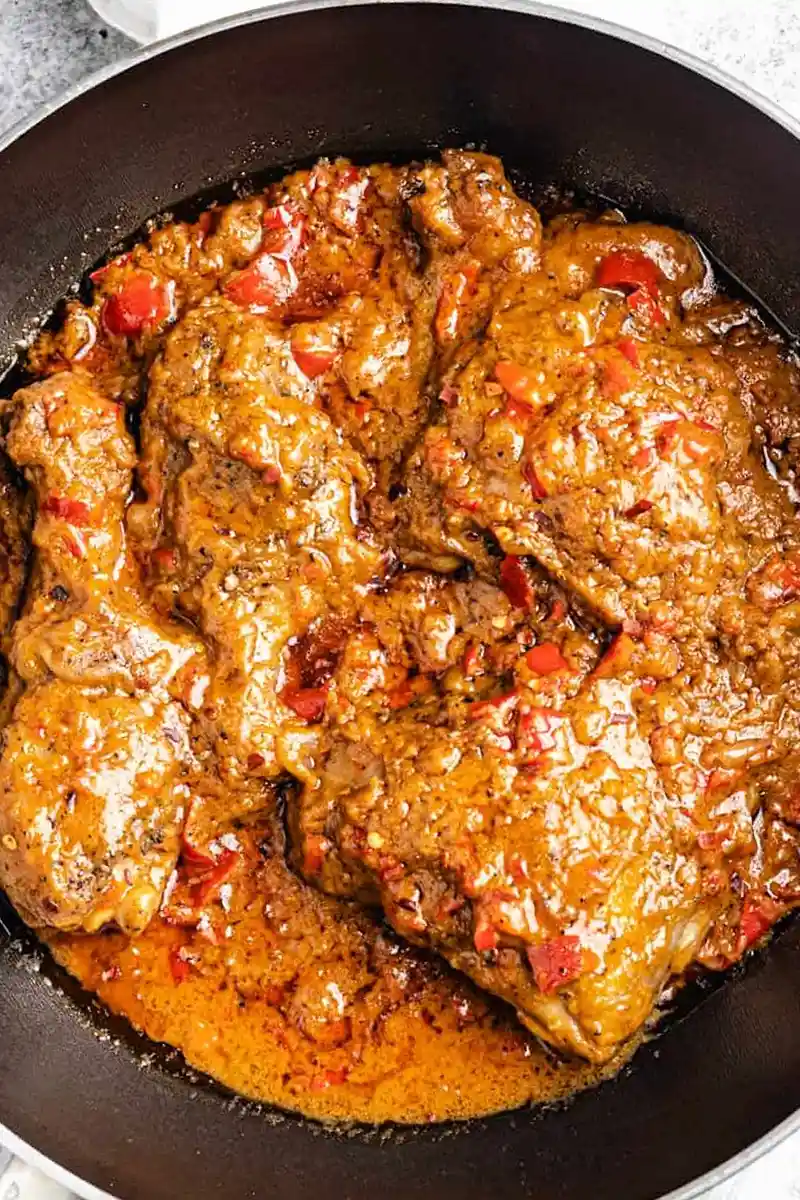
List of ingredients
- 1.5 lb chicken thighs – use skin-on for extra flavor or boneless for faster cooking.
- 1/2 cup tomato sauce – provides a tangy, acidic base for the stew.
- 1 red bell pepper, chopped – adds natural sweetness and vibrant color.
- 1/2 cup peanut butter – use a natural, unsweetened variety for the best taste.
- 1/4 cup olive oil – ideal for searing the meat and sautéing aromatics.
- 1/2 onion, chopped – creates a foundational savory flavor profile.
- 1 tsp cayenne pepper – provides a spicy kick that can be adjusted to preference.
- 1 tsp bouillon powder – enhances the overall savory depth of the liquid.
- 2 cups chicken stock – the primary liquid used to simmer the ingredients.
- 1 tsp black pepper – adds a subtle, earthy warmth to the chicken.
- 1 tsp salt or to taste – use sparingly if your stock is already salted.
step-by-step instructions
- Prepare the meat: Wash and pat dry the chicken. Removing excess moisture ensures the chicken sears properly rather than steaming.
- Season the chicken: Mix some salt and pepper in a small bowl, then rub it on both sides of each chicken part. Ensure an even coating for consistent flavor.
- Brown the chicken: Pour some olive oil into a large skillet and brown the chicken pieces on both sides on medium-high heat. Use a splatter guard to prevent oil burns.
- Set aside: When sufficiently browned, remove the chicken thighs from the oil and set them aside. This keeps the meat tender while you prepare the sauce.
- Sauté the vegetables: Pour 1/4 cup olive oil in a large soup pot and when heated, add the chopped onions and red bell pepper. Sauté for a few minutes on medium heat until softened.
- Combine sauce and spices: Add the tomato sauce and spices (except the salt), simmer for a few minutes and pour in the chicken broth. Stir well to integrate the cayenne and bouillon.
- Simmer the chicken: Add the chicken pieces, give it a stir and simmer for about 10 minutes. This allows the chicken to cook through while absorbing the sauce.
- Final seasoning: Taste for salt and add some if you need. Remember that the bouillon powder may already contribute significant saltiness.
- Integrate peanut butter: Finally, add the peanut butter into the pot and stir till it is well mixed in. Stirring constantly prevents the peanut butter from clumping.
- Thicken the stew: Cook till the stew becomes thick. Lower the heat slightly to ensure the peanut butter emulsifies without scorching.
Optimizing Your Ingredient Selection
Choosing Natural Peanut Butter
Select a peanut butter that contains only peanuts and a pinch of salt. Avoid brands with added sugars, corn syrup, or hydrogenated oils to maintain an authentic taste and creamy texture.
Selecting the Right Chicken Cut
Chicken thighs are preferred because they remain moist during the simmering process. If you choose chicken breasts, reduce the simmering time by a few minutes to prevent the meat from becoming dry.
Using High-Quality Chicken Stock
Use a low-sodium chicken stock to maintain control over the salt levels of the final dish. If you prefer a lighter flavor, a high-quality vegetable stock is an excellent substitute.
The Role of Cayenne Pepper
Cayenne pepper provides the essential heat that balances the richness of the peanut butter. If you are sensitive to spice, start with half a teaspoon and increase it at the end of cooking.
Tomato Sauce vs. Tomato Paste
Tomato sauce offers a smoother consistency and a milder tang. If you only have tomato paste, dilute two tablespoons of paste with a small amount of water before adding it to the pot.
Professional Cooking Techniques
Achieving the Perfect Sear
Ensure your skillet is hot before adding the chicken to get a deep brown crust. This Maillard reaction adds a layer of complexity and savory depth to the overall stew.
Sautéing Aromatics Correctly
Cook the onions and bell peppers until they are translucent but not browned. This ensures a sweet, aromatic base without introducing any bitter burnt notes to the sauce.
Managing the Simmering Process
Keep the stew at a gentle simmer rather than a rolling boil. A lower temperature prevents the chicken from toughening and keeps the peanut butter from separating.
Emulsifying the Peanut Butter
Add the peanut butter gradually while stirring constantly. This helps the fats integrate smoothly into the broth, resulting in a velvety and uniform consistency.
Practical Ingredient Substitutions
Replacing Chicken with Beef
You can use cubed chuck roast or stew beef for a heartier version. Brown the beef first and increase the simmering time to one or two hours until the meat is tender.
Using Fish as a Protein Alternative
Firm-fleshed fish like cod or tilapia work well in this recipe. Add the fish fillets during the final five to seven minutes of cooking so they do not overcook.
Nut-Free Alternatives
For those with peanut allergies, substitute sunflower seed butter or tahini. These alternatives provide a similar creaminess and earthy flavor profile without the allergen.
Vegetable-Based Liquid Options
If you are avoiding chicken stock, use water combined with an extra pinch of bouillon or salt. This maintains the liquid volume while keeping the dish light.
Flavor Variations and Enhancements
Increasing Heat with Habaneros
For those who prefer a more intense spice, add a finely minced habanero pepper. Incorporate it during the sauté phase with the onions to infuse the oil with heat.
Adding Fresh Ginger and Garlic
Stir in one tablespoon of minced fresh ginger and three cloves of minced garlic. Sauté these with the onions to add a pungent, aromatic layer to the stew.
Incorporating Cumin and Coriander
Adding a teaspoon of ground cumin and ground coriander provides a warm, earthy undertone. These spices complement the nutty flavor of the peanut butter exceptionally well.
Using Fresh Cilantro for Garnish
Finely chop fresh cilantro and sprinkle it over the bowls just before serving. The fresh, citrusy notes cut through the richness of the creamy sauce.
Serving Suggestions and Pairings
Pairing with Traditional Fufu
Fufu’s neutral flavor and dense, doughy texture make it an ideal accompaniment. Use small pieces of fufu to scoop up the thick stew and chicken.
Serving with Fluffy White Rice
Steamed jasmine or basmati rice provides a light, fragrant contrast to the bold flavors. The rice absorbs the extra sauce, ensuring no flavor is wasted.
Low-Carb Cauliflower Rice Option
Pulse cauliflower in a food processor and sauté it briefly in olive oil. This is a great low-carb alternative that complements the savory, nutty profile of the dish.
Using Crusty Bread for Dipping
A toasted baguette or a slice of sourdough is perfect for dipping into the stew. This is an excellent way to clean the bowl and enjoy every drop of the sauce.
Storage and Reheating Guide
Refrigeration Timelines
Store leftover stew in an airtight container in the refrigerator for up to five days. The flavors often deepen and improve after sitting for twenty-four hours.
Freezing for Long-Term Use
Place the stew in freezer-safe containers, leaving a small amount of space for expansion. This dish can be frozen for up to three months without losing quality.
Safe Thawing Procedures
Transfer frozen stew to the refrigerator overnight to defrost gradually. This prevents the chicken from absorbing too much water and preserves the sauce texture.
Optimal Reheating Methods
Reheat the stew in a saucepan over medium-low heat on the stovetop. If the sauce has thickened too much during storage, stir in a tablespoon of water or broth.
Troubleshooting Common Issues
Fixing a Stew That is Too Thin
If the stew is too watery, simmer it uncovered for an additional ten minutes. You can also stir in an extra tablespoon of peanut butter to increase the thickness.
Balancing Excess Saltiness
If the dish is too salty, add a splash of lemon juice or a bit more tomato sauce. The acidity helps neutralize the salt without significantly altering the flavor.
Managing Overly Spicy Flavors
Stir in a small amount of coconut milk or heavy cream if the cayenne is too intense. The fats in the cream help bind and neutralize the capsaicin.
Preventing Peanut Butter Separation
Stir the stew continuously while reheating or during the final thickening stage. Constant agitation ensures the oil and solids remain emulsified for a smooth finish.
Frequently Asked Questions
Why is it called African peanut stew?
This stew is native to West Africa, where peanuts (often called groundnuts) are a staple crop. Various countries in the region have their own unique versions of this creamy, nut-based sauce.
How many calories are in a bowl?
One serving of this recipe contains approximately 504 calories. It is a nutrient-dense meal high in protein and healthy monounsaturated fats.
Can I make this in a slow cooker?
Yes, sear the chicken in a skillet first, then combine all ingredients in a slow cooker. Cook on low for six to eight hours or on high for three to four hours.
Is this dish naturally gluten-free?
Yes, this recipe is naturally gluten-free as long as your chosen bouillon powder and peanut butter are certified gluten-free. Always check the labels of processed ingredients.
Print
African Chicken Peanut Stew
- Total Time: 30 minutes
- Yield: 6 servings 1x
- Diet: General
Description
African chicken peanut stew is a delicious and versatile traditional dish enjoyed by many Africans all over the world. This hearty stew is made from simple ingredients cooked together to entice your senses and please your belly!
Ingredients
- 1.5 lb chicken thighs
- 1/2 cup tomato sauce
- 1 red bell pepper, chopped
- 1/2 cup peanut butter
- 1/4 cup olive oil
- 1/2 onion, chopped
- 1 tsp cayenne pepper
- 1 tsp bouillon powder
- 2 cups chicken stock
- 1 tsp black pepper
- 1 tsp salt
Instructions
- Step: Wash and pat dry the chicken.
- Step: Mix some salt and pepper in a small bowl, then rub it on both sides of each chicken part.
- Step: Pour some olive oil into a large skillet and then brown the chicken pieces on both sides on medium-high heat.
- Step: When sufficiently browned, remove the chicken thighs from the oil and set them aside.
- Step: Pour 1/4 cup olive oil in a large soup pot and when heated, add the chopped onions and red bell pepper. Sauté for a few minutes on medium heat.
- Step: Next, add the tomato sauce and spices (except the salt), simmer for a few minutes and pour in the chicken broth.
- Step: Add the chicken pieces, give it a stir and simmer for about 10 minutes.
- Step: Taste for salt and add some if you need.
- Step: Finally, add the peanut butter into the pot and stir till it is well mixed in.
- Step: Cook till the stew becomes thick.
Notes
If using stock, taste for salt before adding more as stock often contains sodium. For variations, add ground coriander, chopped cilantro, garlic, fresh ginger, or ground cumin. For more heat, add chili pepper or habanero pepper. Chicken can be swapped for beef or fish.
- Prep Time: 5 minutes
- Cook Time: 25 minutes
- Category: Main Course
- Method: Simmering
- Cuisine: African
Nutrition
- Serving Size: 1 serving
- Calories: 504 kcal
- Sugar: 3 g
- Sodium: 496 mg
- Fat: 41 g
- Saturated Fat: 7 g
- Unsaturated Fat: 20 g
- Trans Fat: 1 g
- Carbohydrates: 10 g
- Fiber: 3 g
- Protein: 26 g
- Cholesterol: 114 mg
Keywords: African peanut stew, groundnut stew, West African chicken stew, creamy peanut stew, West African cuisine