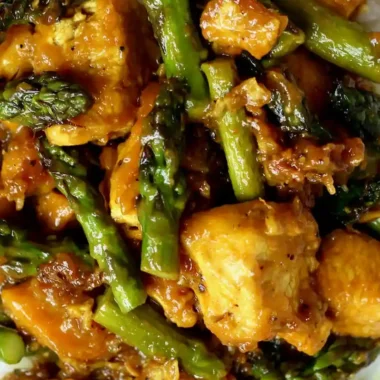
This slow cooker chicken cacciatore is a low-effort, high-protein meal perfect for busy weeknights. It combines tender chicken with a rustic tomato and pepper sauce for a healthy Italian-style dinner.

List of ingredients
- 2 cloves Garlic (minced) – provides a sharp, aromatic base.
- 1/2 large Onion (diced) – adds a subtle sweetness to the sauce.
- 1 large Red bell pepper (diced) – provides a classic, sweet pepper flavor.
- 1 14.5 oz can Diced tomatoes (drained) – forms the body of the rustic sauce.
- 1 tbsp Fresh rosemary (chopped) – adds a woody, earthy aroma.
- 1 tbsp Fresh thyme (chopped) – contributes a complementary herbal note.
- 4 medium Boneless skinless chicken breasts – the main lean protein source.
- 1 tsp Sea salt – enhances the overall flavor profile.
- 1/4 tsp Black pepper – provides a touch of warmth.
- 1 medium Bay leaf – introduces a subtle, nuanced depth to the sauce.
step-by-step instructions
- Season the Meat: Sprinkle both sides of the chicken breasts with sea salt and black pepper.
- Fast Method – Preparation: Place the seasoned chicken breasts directly into the slow cooker. In a separate medium bowl, stir together the minced garlic, diced onion, diced red bell pepper, drained diced tomatoes, chopped rosemary, and chopped thyme. Pour this mixture evenly over the chicken and place one bay leaf in the center.
- Fast Method – Cooking: Cover and cook for 3 to 4 hours on high or 6 to 8 hours on low.
- Flavorful Method – Searing: Heat a tablespoon of oil in a saute pan over medium-high heat. Sear the seasoned chicken for a few minutes on each side until golden brown, then transfer the chicken to the slow cooker.
- Flavorful Method – Vegetable Saute: Add another tablespoon of oil to the same pan. Saute the diced onions and red peppers for 7 to 10 minutes until the onions are translucent and browned. Stir in the minced garlic and saute for one additional minute until fragrant.
- Flavorful Method – Combining: Add the drained diced tomatoes, rosemary, and thyme to the pan. Stir the ingredients together and pour the sauce evenly over the chicken in the slow cooker. Place the bay leaf in the center.
- Flavorful Method – Cooking: Cover and cook for 3 to 4 hours on high or 6 to 8 hours on low.
- Thickening the Sauce: If you prefer a thicker consistency, remove the cooked chicken from the slow cooker. Let the sauce cook on low for one additional hour to reduce the liquid.
Optimizing Your Cooking Technique
Searing the Meat for Maximum Flavor
Browning the chicken in a pan creates a Maillard reaction, which develops deep, savory flavors that cannot be achieved by slow cooking alone. Use a medium-high heat and avoid moving the chicken too often to ensure a proper golden crust. This step also prevents the meat from having a “boiled” texture and appearance.
The Importance of Draining Canned Tomatoes
Slow cookers trap steam, which then condenses and adds extra liquid to the pot. If you use undrained tomatoes, the resulting sauce can become too thin and watery. Draining the can ensures the sauce remains rich and clings to the chicken properly.
Managing Slow Cooker Heat Settings
Using the low setting for 6 to 8 hours generally results in more tender chicken, as the proteins break down more slowly. However, the high setting is effective for shorter windows. Always ensure the lid remains closed to maintain a consistent internal temperature.
Ingredient Swaps and Alternatives
Replacing Chicken Breasts with Thighs
Boneless, skinless chicken thighs are an excellent alternative to breasts. Thighs contain more connective tissue and fat, which makes them more resistant to overcooking and results in a juicier end product. They also contribute a richer flavor to the tomato sauce.
Using Dried Herbs instead of Fresh
If fresh rosemary and thyme are unavailable, you can use dried versions. Because dried herbs are more concentrated, use a ratio of one teaspoon of dried herbs for every tablespoon of fresh. Add dried herbs at the beginning of the process so they have time to rehydrate and release their oils.
Substituting the Bell Pepper
While red bell peppers provide the traditional sweetness, yellow or orange peppers work just as well. Green bell peppers can be used for a more bitter, savory profile, though they will change the color of the sauce. You can also use a mixture of colors for a more vibrant look.
Garlic Alternatives
Freshly minced garlic is preferred for its punchy flavor, but jarred minced garlic is a convenient time-saver. If you only have garlic powder, use 1/4 teaspoon to replace the two cloves. Garlic powder provides a more uniform, muted flavor throughout the sauce.
Serving and Pairing Suggestions
Keto and Low-Carb Bases
To keep this meal low-carb, serve the chicken and sauce over cauliflower rice or spiralized zucchini noodles. These options provide a similar texture to grains while absorbing the flavorful sauce. Roasted spaghetti squash is another nutrient-dense alternative that pairs well with Italian flavors.
Traditional Grains and Pasta
For a more traditional meal, serve the cacciatore over al dente pasta or a bed of basmati rice. The starch in the pasta or rice helps to thicken the sauce further as it is plated. Polenta or creamy grits also provide a hearty, comforting base for the rustic sauce.
Complementary Side Vegetables
Pair this dish with roasted fennel or sauteed broccoli to add more nutrients to the meal. Air-fryer green beans or a crisp side salad with a lemon vinaigrette provide a fresh contrast to the rich tomato sauce. Roasted carrots also complement the sweetness of the bell peppers.
Flavor Enhancements and Variations
Incorporating Savory Mushrooms
Adding sliced cremini or button mushrooms creates an earthy, umami-rich version of the dish. Saute the mushrooms along with the onions and peppers to ensure they develop a brown exterior. This adds a meatier texture to the sauce and increases the overall satiety of the meal.
Adding Spicy Elements
If you prefer a bit of heat, add a pinch of crushed red pepper flakes during the sauteing process. The heat infuses into the oil and distributes evenly throughout the sauce. This balances the acidity of the tomatoes and the sweetness of the peppers.
Introducing Extra Leafy Greens
Stir in a handful of fresh spinach or chopped kale during the last 30 minutes of cooking. The residual heat will wilt the greens without overcooking them. This adds color and a boost of vitamins to the final dish.
Long-Term Storage and Prep
Refrigerator Storage Limits
Store any leftover chicken cacciatore in an airtight glass container in the refrigerator for up to five days. Keep the chicken pieces submerged in the sauce to prevent the meat from drying out. Ensure the food is cooled slightly before sealing the container to avoid excess condensation.
Freezing and Thawing Process
This recipe is highly freezer-friendly and can be stored in heavy-duty freezer bags for up to six months. Squeeze out as much air as possible to prevent freezer burn. Thaw the meal slowly in the refrigerator overnight before reheating to maintain the best texture.
Optimal Reheating Methods
Reheating on the stovetop over low heat is the best way to maintain the sauce’s consistency. If using a microwave, cover the dish with a damp paper towel to keep the chicken moist. Adding a small splash of water or vegetable broth can help loosen the sauce if it has thickened too much during storage.
Common Cooking Challenges
Fixing a Thin or Watery Sauce
If the sauce is too thin after cooking, remove the chicken and turn the slow cooker to the high setting. Leave the lid off and let the sauce simmer for 45 to 60 minutes. This allows the excess moisture to evaporate, concentrating the flavors and thickening the liquid.
Preventing Dry Chicken Breasts
Chicken breasts can become dry if overcooked. Use a meat thermometer to ensure they reach an internal temperature of 165F (74C) and remove them immediately. If you find breasts too dry, switch to chicken thighs for future batches as they are more forgiving.
Adjusting Bland Seasoning
If the dish tastes flat, add a small pinch of salt or a teaspoon of balsamic vinegar. The acidity of the vinegar enhances the tomato flavor and brightens the overall profile. A small amount of grated parmesan cheese added at the end can also provide a salty, savory boost.
Frequently Asked Questions
Can this be made in a pressure cooker?
Yes, you can adapt this for a pressure cooker by sauteing the ingredients first and then cooking on high pressure for about 15 to 20 minutes. Always perform a quick release of the pressure to avoid overcooking the chicken breasts.
Is it necessary to remove the bay leaf?
The bay leaf should always be removed before serving. While it is safe to consume in small pieces, it has a hard, woody texture that can be unpleasant and potentially hazardous if swallowed.
How do I scale the recipe for more people?
To double the recipe, increase all ingredients proportionally. Use a larger slow cooker to ensure there is enough room for the ingredients to circulate heat evenly. Do not overfill the pot beyond two-thirds capacity, as this can lead to uneven cooking.
Can I add other vegetables?
Yes, diced carrots, celery, or zucchini can be added to the sauce. Add harder vegetables like carrots during the saute phase and softer vegetables like zucchini during the last hour of slow cooking to prevent them from becoming mushy.
Print
Slow Cooker Chicken Cacciatore
- Total Time: 3 hours 10 minutes
- Yield: 4 servings 1x
- Diet: Low carb, Gluten-free, Dairy-free
Description
This easy Crock Pot chicken cacciatore recipe slow cooks chicken in a flavorful sauce of tomatoes, garlic, onion, bell peppers & fresh herbs.
Ingredients
- 2 cloves Garlic (minced)
- 1/2 large Onion (diced)
- 1 large Red bell pepper (diced)
- 1 14.5 oz can Diced tomatoes (drained)
- 1 tbsp Fresh rosemary (chopped)
- 1 tbsp Fresh thyme (chopped)
- 4 medium Boneless skinless chicken breasts
- 1 tsp Sea salt
- 1/4 tsp Black pepper
- 1 medium Bay leaf
Instructions
- Season: Season the chicken breasts on both sides with salt and pepper.
- Sear: Heat a tablespoon of oil in a saute pan over medium-high heat and sear the chicken for a few minutes on each side, until golden.
- Transfer: Place the chicken into the slow cooker.
- Saute: Add another tablespoon of oil to the pan, add the onions and red peppers, and saute for 7 to 10 minutes until translucent and browned.
- Aromatics: Add the garlic and saute for another minute until fragrant.
- Combine: Add the diced tomatoes, rosemary, and thyme to the pan, stir together, then pour evenly over the chicken in the slow cooker.
- Bay Leaf: Place a bay leaf in the center.
- Cook: Cover and cook for 3 to 4 hours on high or 6 to 8 hours on low.
- Thicken: If you prefer a thicker sauce, remove the chicken and cook the sauce for an additional hour in the slow cooker on low.
Notes
Store leftovers in an airtight container in the fridge for up to 5 days. Freeze in a zip lock bag for up to 6 months.
- Prep Time: 10 minutes
- Cook Time: 3 hours
- Category: Main Course
- Method: Slow Cooker
- Cuisine: Italian
Nutrition
- Serving Size: 1 chicken breast with Cacciatore sauce
- Calories: 170 kcal
- Sugar: 5 g
- Sodium: 875 mg
- Fat: 3.3 g
- Saturated Fat: 1 g
- Unsaturated Fat: 2.3 g
- Trans Fat: 0 g
- Carbohydrates: 9.5 g
- Fiber: 2.6 g
- Protein: 25.6 g
- Cholesterol: 125 mg
Keywords: low carb, slow cooker, chicken cacciatore, Italian, keto, paleo, whole30