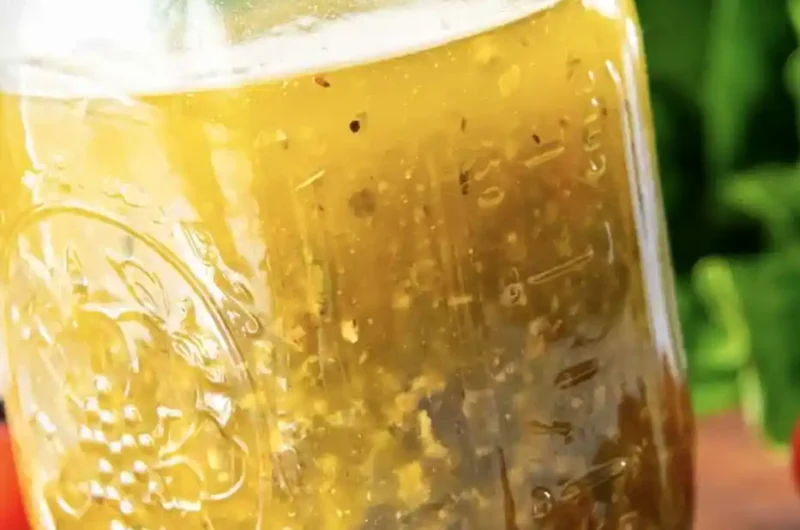
This homemade Italian dressing is a versatile, zesty condiment perfect for fresh greens or pasta salads. It uses simple pantry staples to create a professional-grade flavor in just a few minutes.
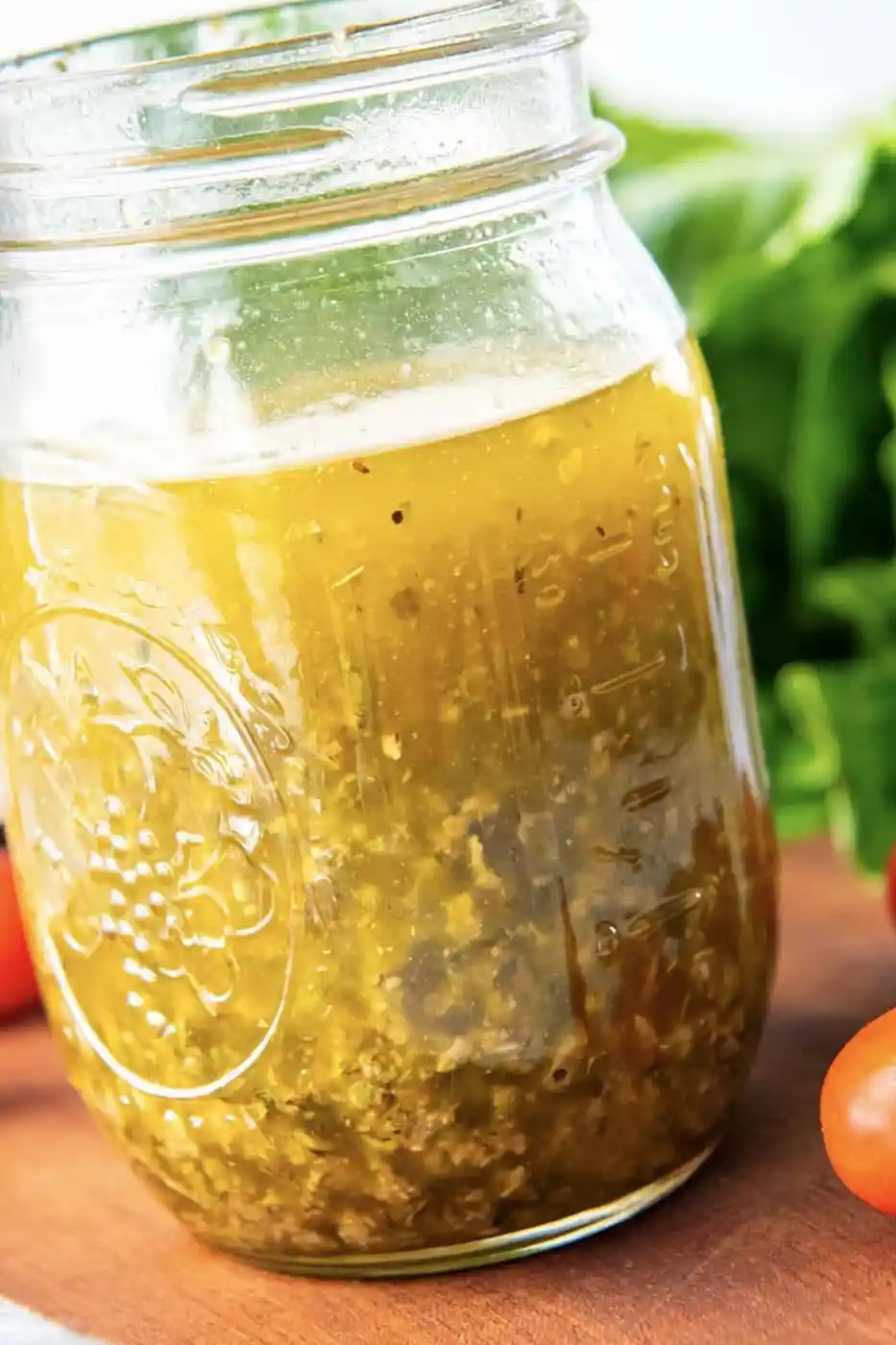
List of ingredients
- ¾ cup extra virgin olive oil – provides a rich, smooth base.
- ¼ cup red wine vinegar or white wine vinegar – adds the necessary acidic tang.
- 1 teaspoon dried basil – provides a classic herbal note.
- 1 teaspoon dried parsley – adds a mild, fresh earthy flavor.
- 1 teaspoon dried oregano – gives the dressing its characteristic Italian aroma.
- ¾ teaspoon garlic powder – offers a consistent garlic punch without the harshness of raw cloves.
- ½ teaspoon salt – enhances all the other flavors.
- ¼ teaspoon black pepper – adds a subtle spicy warmth.
- 1 teaspoon honey or granulated sugar – balances the acidity of the vinegar.
- 2 tablespoons microbial-rennet Parmesan cheese – optional addition for a savory, salty finish.
step-by-step instructions
- Combine: Place all the measured ingredients into a jar with a tight-fitting lid or a medium-sized mixing bowl.
- Mix: If using a jar, seal the lid tightly and shake vigorously; if using a bowl, whisk the ingredients until they are thoroughly combined.
- Adjust: Taste the dressing and modify as needed. Add more honey if it is too acidic, or more salt and pepper for depth. If the dressing is too tangy, whisk in a bit more olive oil; if it needs more zing, add a splash of vinegar.
- Store: Use the dressing immediately or transfer it to a sealed container and keep it in the refrigerator for up to 2 weeks.
Ingredient Selection and Quality
Choosing High-Quality Extra Virgin Olive Oil
Extra virgin olive oil is preferred because it retains the most flavor and nutrients. For this dressing, a mild-flavored oil works best to ensure the herbs remain the primary focus. Avoid refined oils if you want a more authentic, peppery finish.
Selecting the Right Vinegar for Optimal Acidity
Red wine vinegar is the traditional choice, providing a deep color and a sharp, clean acidity. White wine vinegar is a lighter alternative that offers a similar profile without the reddish tint. For a fruitier note, apple cider vinegar can be used as a substitute.
Using Dried Herb Blends for Stability
Dried basil, parsley, and oregano are used here because they maintain their flavor profile longer during refrigeration. These herbs integrate well into the oil and vinegar over time, allowing the flavors to meld. Ensure your dried herbs are fresh and not expired to avoid a dusty taste.
The Role of Garlic Powder for Convenience
Garlic powder is recommended over fresh garlic to extend the shelf life of the dressing. Fresh garlic can lose its potency or develop off-flavors when stored in oil for several days. Powdered garlic provides a uniform flavor that is distributed evenly throughout the mixture.
Balancing Sweetness with Honey
Honey acts as a balancing agent to cut through the sharpness of the vinegar. It helps create a smoother mouthfeel and rounds out the salty notes of the Parmesan. If you prefer a cleaner sweetness without the floral notes of honey, granulated sugar is an effective replacement.
Adding Savory Depth with Microbial-Rennet Parmesan
Adding grated Parmesan cheese introduces a salty, umami element that enhances the overall complexity. Using a microbial-rennet version ensures the cheese is suitable for a wider range of dietary needs. For the best texture, grate the cheese freshly rather than using pre-shredded versions.
Preservation and Storage Tips
Optimal Refrigeration Methods
Storing the dressing in a glass mason jar is the most effective way to preserve freshness. Ensure the lid is airtight to prevent the oil from absorbing other smells from the refrigerator. Always give the jar a good shake before each use to reintegrate the separated ingredients.
Dealing with Cold-Induced Solidification
Olive oil can solidify or become cloudy when kept at cold temperatures. This is a natural physical reaction and does not mean the dressing has spoiled. Simply let the jar sit at room temperature for ten to fifteen minutes before shaking it again.
Managing Shelf Life with Fresh Additions
If you choose to add fresh herbs or fresh garlic, the storage time decreases significantly. Fresh ingredients introduce moisture and enzymes that can lead to spoilage within a few days. Keep fresh-version dressings in the coldest part of the fridge and consume them quickly.
Customizing Your Flavor Profile
Incorporating Heat with Pepper Flakes
To add a spicy kick, stir in a pinch of crushed red pepper flakes or a dash of cayenne pepper. This adds a layer of warmth that complements the acidity of the red wine vinegar. Start with a small amount and adjust based on your heat preference.
Creating a Creamier Texture
You can transform this vinaigrette into a creamy dressing by whisking in a tablespoon of Greek yogurt or mayonnaise. This addition mellows the tang and creates a thicker coating for the salad leaves. This version is particularly good for wedge salads or hearty greens.
Brightening the Taste with Lemon
For a brighter, more citrusy profile, replace a tablespoon of vinegar with fresh lemon juice. Adding a bit of lemon zest can also increase the aromatic quality of the dressing. This variation works exceptionally well with summer salads featuring berries or citrus fruits.
Adapting for Dairy-Free Diets
If you need a dairy-free version, simply omit the Parmesan cheese entirely. To replace the savory depth provided by the cheese, you can add a teaspoon of nutritional yeast. This provides a similar nutty, salty flavor without using animal products.
Versatile Culinary Applications
Using as a Poultry Marinade
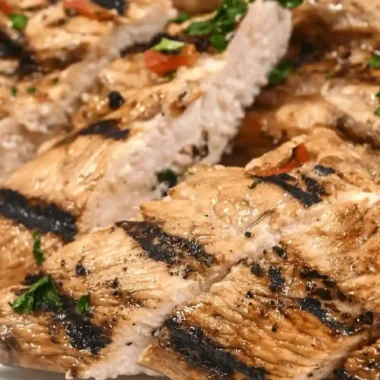
This dressing works as an excellent marinade for grilled chicken breasts or thighs. The acidity in the vinegar helps tenderize the meat while the herbs infuse it with flavor. Marinate the chicken for two to four hours before grilling for best results.
Enhancing Pasta Salad Texture
Tossing the dressing with pasta while the noodles are still slightly warm allows the pasta to absorb the flavor. This prevents the salad from tasting bland once it is chilled in the refrigerator. For a better emulsion, add the Parmesan cheese right before serving the pasta salad.
Glazing Oven-Roasted Vegetables
Brush this dressing over carrots, zucchini, or bell peppers before roasting them in the oven. The honey in the dressing caramelizes under the heat, creating a savory-sweet glaze. Apply a second coat during the last five minutes of roasting for extra shine.
Seasoning Hearty Grain Bowls
Drizzle the dressing over bowls of cooked quinoa, farro, or brown rice. It adds a necessary punch of flavor to neutral grains and pairs well with roasted chickpeas and avocado. Shake the dressing well to ensure the herbs are evenly distributed over the bowl.
Troubleshooting Common Issues
Correcting Excessive Acidity
If the dressing tastes too sour or sharp, it is usually due to an imbalance of vinegar. You can correct this by whisking in an additional tablespoon of olive oil or a pinch more honey. Add these in small increments and taste after each addition.
Resolving Bitterness in the Oil
Bitterness can occur if the olive oil is of lower quality or has been exposed to heat and light. To mask this, add a small amount of extra honey or a pinch of salt to neutralize the bitter notes. In the future, store your oil in a cool, dark cupboard.
Improving the Emulsion
Oil and vinegar naturally separate, which can lead to an uneven taste. To create a more stable emulsion, use a whisk and pour the oil in a very slow, steady stream into the vinegar. Alternatively, shaking the mixture in a jar for a full minute creates a temporary but effective bind.
Frequently Asked Questions
Can I use fresh herbs instead of dried?
Yes, you can substitute dried herbs with fresh ones, using about three times the amount of fresh herbs. However, be aware that the dressing will only last a few days in the fridge instead of two weeks. For longevity, add fresh herbs immediately before serving.
Which container is best for mixing?
A glass mason jar is the best container because it allows for vigorous shaking and easy storage. Glass is non-reactive, meaning it won’t interact with the acidic vinegar. If you don’t have a jar, a stainless steel or glass bowl with a whisk is the next best option.
What can replace honey in this recipe?
You can use granulated sugar, maple syrup, or agave nectar as a replacement for honey. Sugar provides a clean sweetness, while maple syrup adds a slight woody flavor. Use a 1:1 ratio to maintain the same balance of flavors.
Why does my dressing separate in the fridge?
Separation happens because oil and vinegar are immiscible liquids with different densities. This is completely normal for a homemade vinaigrette and does not indicate spoilage. Simply shake the container vigorously before every use to recombine the ingredients.
Print
Homemade Zesty Italian Dressing
- Total Time: 5 minutes
- Yield: 8 servings 1x
- Diet: Gluten Free
Description
This Italian dressing is zesty, fresh and flavorful! It’s my favorite salad dressing to toss with a big Italian salad or pasta salad.
Ingredients
- ¾ cup extra virgin olive oil
- ¼ cup red wine vinegar (or white wine vinegar)
- 1 teaspoon dried basil
- 1 teaspoon dried parsley
- 1 teaspoon dried oregano
- ¾ teaspoon garlic powder
- ½ teaspoon salt
- ¼ teaspoon black pepper
- 1 teaspoon honey
- 2 tablespoons microbial-rennet grated Parmesan cheese (optional)
Instructions
- Combine: Combine all ingredients in a jar with a lid (or in a bowl), seal the lid tightly and shake vigorously (or whisk) until well combined.
- Adjust: Taste the dressing and adjust the ingredients as needed.
- Store: Use dressing immediately or store in the sealed jar in the refrigerator for up to 2 weeks.
Notes
Freshly grated Parmesan cheese will dissolve into the dressing better than pre-grated cheese. It is best to add the Parmesan right before serving. The dressing will separate as it sits and the oil may solidify in the refrigerator; let it sit at room temperature until the oil melts and then shake vigorously to recombine.
- Prep Time: 5 minutes
- Cook Time: 0 minutes
- Category: Salad Dressing
- Method: Shaking
- Cuisine: Italian
Nutrition
- Serving Size: 2 tablespoons
- Calories: 191 kcal
- Sugar: 1 g
- Sodium: 166 mg
- Fat: 21 g
- Saturated Fat: 3 g
- Unsaturated Fat: 18 g
- Trans Fat: 0 g
- Carbohydrates: 1 g
- Fiber: 1 g
- Protein: 1 g
- Cholesterol: 1 mg
Keywords: Homemade Italian Dressing, Salad Dressing, Easy Vinaigrette, Zesty Dressing