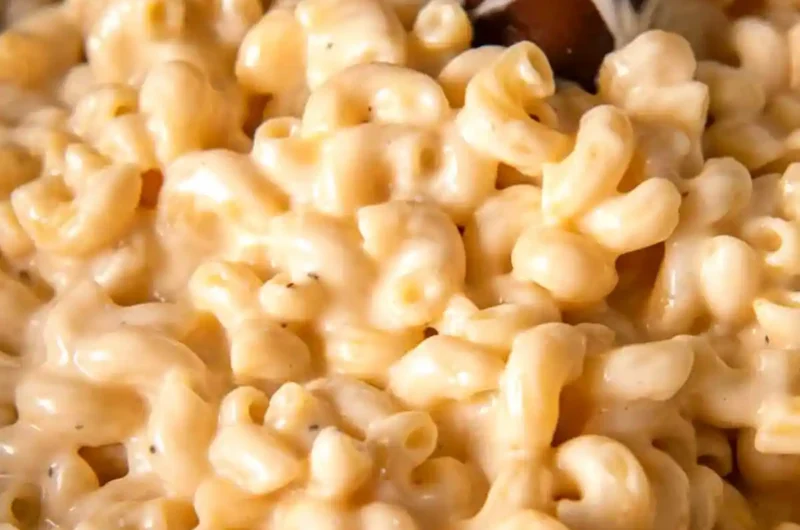
This rich and velvety pasta dish combines the nutty flavor of Gouda with sharp cheddar for a superior comfort meal. It is designed to be prepared on the stovetop in under 30 minutes for maximum creaminess.
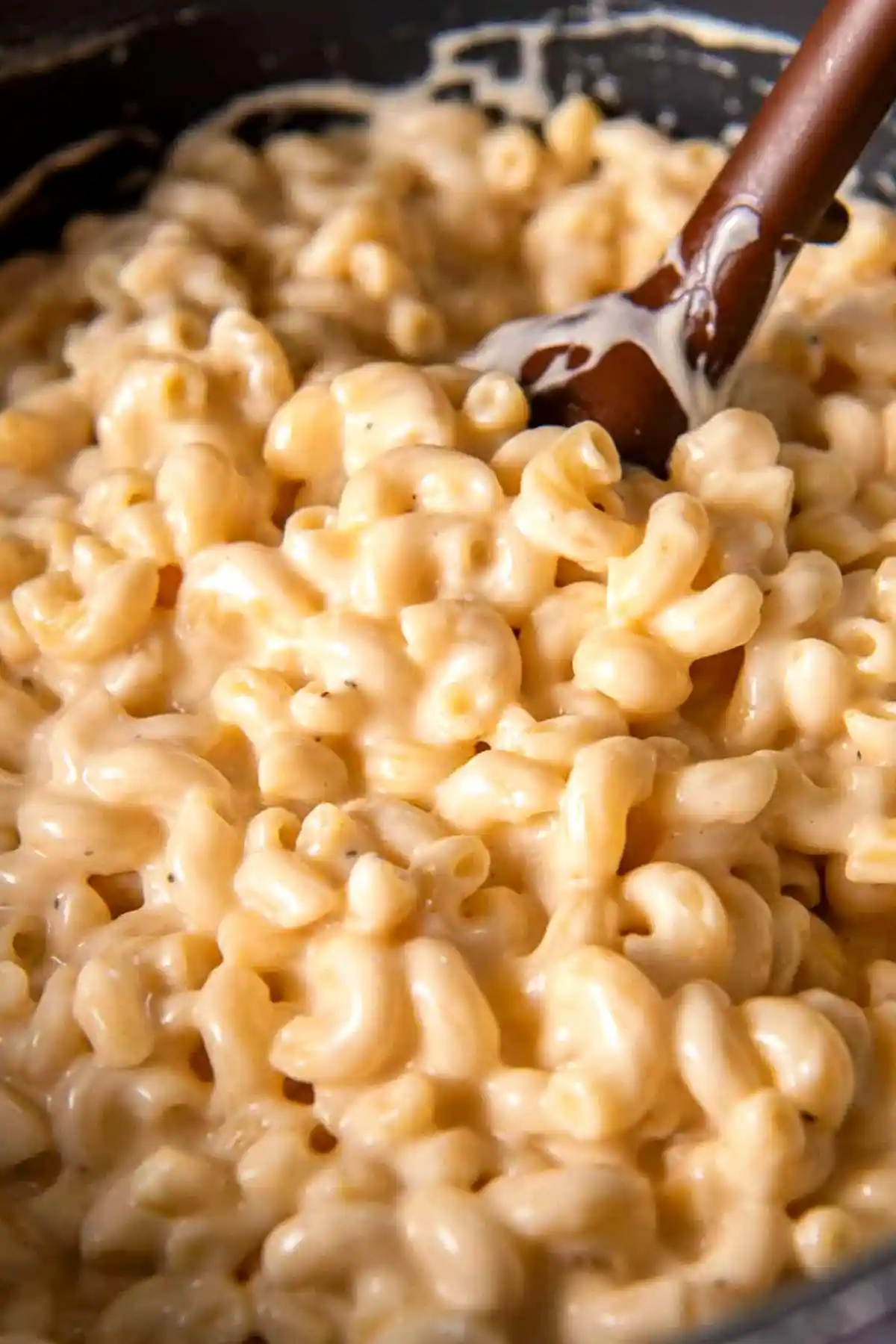
List of ingredients
- 1 pound elbow macaroni – standard pasta for best sauce adhesion.
- 1/4 cup unsalted butter (4 tablespoons) – used for the roux base.
- 1/4 cup all-purpose flour – the thickening agent for the sauce.
- 1 1/4 cups heavy cream – adds richness and a smooth texture.
- 1 cup whole milk – creates a creamy, balanced consistency.
- 8 ounces gouda cheese (freshly shredded) – the primary flavor profile.
- 2 ounces sharp cheddar cheese (freshly shredded) – adds a tangy contrast.
- 1/2 teaspoon kosher salt – enhances the overall flavor.
- 1/2 teaspoon freshly ground black pepper – provides a subtle spice.
- 1/2 teaspoon hot sauce (optional) – for a hint of acidity and heat.
step-by-step instructions
- Cook the pasta: In a large pot, cook the pasta according to package instructions until al dente or to your desired firmness. Reserve 1/4 cup of the water in the pot, drain and rinse the pasta, then return it to the pot.
- Prepare the roux: While the pasta cooks, melt the butter in a large saucepan set over medium heat. Add in the flour and whisk constantly for 2 to 3 minutes until combined and thickened.
- Incorporate the liquids: Very slowly whisk in the heavy cream and milk, mixing continuously until incorporated and smooth. Reduce the heat to low.
- Melt the cheese: Add in the grated cheese, salt, pepper, and hot sauce if using. Stir constantly until the cheese is melted and the consistency is smooth and thick, about 4 to 5 minutes.
- Combine and serve: Remove the saucepan from the heat. Pour the cheese sauce over the cooked pasta and stir to coat. Serve immediately.
Optimizing Your Cheese Selection
Choosing the Right Gouda Variety
Young Gouda is characterized by a mild, creamy flavor and a softer texture, making it an ideal choice for a family-friendly meal. Aged Gouda offers a more intense, nutty profile and a sharper taste. If you use an aged version, consider balancing it with a milder cheddar to keep the flavor profile harmonious.
The Impact of Smoked Gouda
Smoked Gouda introduces a buttery and slightly sweet flavor with a distinct wood-smoked aroma. This variety adds a layer of complexity to the mac and cheese, making it taste more like a gourmet dish. It pairs exceptionally well with a sharp cheddar to cut through the smokiness.
Substituting with Gruyere Cheese
If Gouda is unavailable, Gruyere is a high-quality alternative known for its excellent melting properties. This Swiss-style cheese provides a savory, salty taste that complements the heavy cream base. It maintains the same gooey consistency as Gouda when heated correctly.
Using White Cheddar for Tang
Sharp white cheddar is used in this recipe to provide a bright, acidic contrast to the richness of the Gouda and cream. For a milder taste, you can substitute sharp cheddar with a medium or mild variety. Avoid extra-sharp cheddar if you prefer a more subtle, creamy flavor profile.
The Art of the Roux
Whisking the Roux Constantly to Avoid Clumps
The roux is the foundation of the cheese sauce and requires constant attention. Whisking the flour into the melted butter prevents the flour from settling and burning in one spot. Continuous motion ensures that the flour particles are evenly coated in fat for a smooth emulsion.
Cooking the Flour to Remove Raw Taste
Cooking the butter and flour mixture for 2 to 3 minutes is essential to eliminate the raw taste of the flour. You want the roux to be thickened and bubbly but not browned. This process creates a stable base that will effectively thicken the dairy without altering the color of the sauce.
Maintaining the Proper Roux Consistency
A well-made roux should look like a thick paste and smell slightly nutty. If the mixture becomes too dry, you can add a small pat of butter to loosen it. Ensuring the roux is fully cooked before adding liquids prevents lumpy sauce.
Dairy Integration Techniques
Gradual Incorporation of Dairy for a Smooth Base
Adding the heavy cream and milk very slowly is the key to avoiding lumps. By whisking the liquids in small increments, you allow the roux to absorb the dairy gradually. This creates a seamless, velvety sauce that is consistent throughout.
Using Low Heat to Prevent Cheese Graininess
Cheese should always be melted over low heat to prevent the proteins from tightening and the fats from separating. If the sauce is too hot, the cheese can become grainy or oily. Keeping the temperature low ensures a smooth, homogenous melt.
Preventing Sauce Separation
Separation occurs when the sauce is overheated or the cheese is added too quickly. Stirring constantly while the cheese melts helps the fats integrate with the milk and cream. If separation begins, removing the pan from the heat immediately can often save the sauce.
Pasta Preparation and Variations
Achieving the Perfect Al Dente Texture
Cooking the macaroni one minute less than the package instructions ensures it remains al dente. Since the pasta is later stirred into a hot cheese sauce, it continues to cook slightly. This prevents the noodles from becoming mushy or overcooked.
Utilizing Reserved Pasta Water
Pasta water contains released starches that act as a natural binder. Adding a small amount of this water back into the dish helps the cheese sauce cling to the noodles more effectively. This results in a more cohesive dish where the sauce doesn’t pool at the bottom.
Selecting Gluten-Free Pasta Options
For a gluten-free version, use a high-quality brown rice or chickpea pasta. Be extra cautious with cooking times, as gluten-free pasta can transition from undercooked to overcooked very quickly. Substitute the all-purpose flour in the roux with a 1:1 gluten-free flour blend.
Experimenting with Different Noodle Shapes
While elbow macaroni is traditional, other shapes like shells or cavatappi can be used. Shells are particularly effective because they act as small bowls that capture more cheese sauce. Large ridged noodles also provide more surface area for the sauce to adhere to.
Adding Protein and Vegetables
Incorporating Steamed Broccoli or Peas
Adding broccoli florets or green peas provides a fresh, earthy contrast to the rich cheese. Steam the vegetables separately before folding them into the finished macaroni. This prevents the vegetables from releasing excess water into the sauce, which would thin the consistency.
Adding Sautéed Bell Peppers
Finely diced red, yellow, or green bell peppers add a touch of sweetness and vibrant color. Sauté the peppers in butter until tender before adding them to the pot. This ensures they are fully cooked and their flavors are concentrated.
Using Pre-Cooked Proteins for a Full Meal
To turn this side dish into a main course, add diced grilled chicken, sautéed shrimp, or cooked sausage. Ensure the protein is already cooked and seasoned simply so it doesn’t overpower the Gouda. Fold the protein in at the very end just before serving.
Folding in Fresh Spinach
Fresh baby spinach is an easy way to add nutrients without significantly altering the taste. Stir the raw spinach into the hot pasta and cheese sauce just before serving. The residual heat will wilt the leaves perfectly within a minute.
Converting to a Baked Dish
Preparing the Casserole Dish
To bake this recipe, transfer the stovetop macaroni and cheese into a 2-quart ceramic baking dish. Greasing the dish with butter helps the cheese crisp up along the edges. Ensure the dish is oven-safe to prevent cracking at high temperatures.
Applying the Topping Layer
Sprinkle an additional half cup of shredded sharp cheddar cheese over the top of the mixture. This creates a golden, bubbly crust that adds a different texture to the meal. The topping also helps seal in moisture, keeping the pasta creamy underneath.
Using Breadcrumbs for Added Texture
For a crunchy finish, add a layer of toasted panko or traditional breadcrumbs on top of the cheese. Mixing the crumbs with a small amount of melted butter ensures they brown evenly. This provides a satisfying contrast to the soft noodles.
Oven Temperature and Timing
Bake the dish at 350°F for 15 to 20 minutes. The goal is to achieve a golden-brown top and bubbling edges without overcooking the pasta. Remove the dish from the oven as soon as the cheese is melted and browned.
Pairing and Presentation
Complementing with Roasted Vegetables
Serve Gouda mac and cheese alongside honey-roasted carrots or parsnips. The sweetness of the roasted root vegetables balances the salty, rich nature of the cheese. This creates a well-rounded plate with a variety of textures.
Serving as a Holiday Side Dish
This recipe is an excellent addition to holiday tables, pairing well with roasted turkey or ham. Its richness makes it a comforting side that appeals to both children and adults. Present it in the baking dish for a rustic, home-cooked look.
Garnishing with Fresh Herbs
Adding a sprinkle of chopped fresh parsley or chives provides a pop of color. Beyond aesthetics, the fresh herbs add a light, grassy note that cuts through the heaviness of the cream. Garnish just before serving to keep the herbs vibrant.
Preservation and Reheating
Refrigerating Leftovers Safely
Store any remaining macaroni and cheese in an airtight container in the refrigerator for up to 3 days. Ensure the dish is cooled slightly before sealing to prevent excessive condensation. This keeps the pasta from becoming soggy during storage.
Restoring Creaminess During Reheating
Cheese sauces naturally thicken and tighten as they cool in the fridge. To restore the velvety texture, add a splash of milk or a tablespoon of water before reheating. This loosens the sauce and brings back the original consistency.
Microwave vs. Stovetop Warming
For quick reheating, use the microwave in 1-minute intervals, stirring in between to ensure even heat distribution. For a better quality result, reheat in a saucepan over low heat with a splash of milk, stirring constantly until melted.
Advanced Make-Ahead Methods
Preparing the Sauce in Advance
You can make the cheese sauce a day early and store it in the fridge. When ready to eat, gently reheat the sauce on the stove before pouring it over freshly cooked pasta. This is a great way to save time during a busy dinner.
Assembling the Casserole Early
If you are planning to bake the dish, you can assemble it the night before. Place the pasta and sauce in the dish, add the topping, and cover it tightly with foil. When ready to bake, add about 10 extra minutes to the cooking time to account for the cold start.
Freezing Considerations
While possible, freezing dairy-heavy sauces can lead to separation upon thawing. If you choose to freeze, thaw the dish slowly in the refrigerator overnight. Reheat gently on the stovetop with extra milk to re-emulsify the sauce.
Troubleshooting Common Issues
Fixing a Sauce That Is Too Thick
If the cheese sauce becomes too dense, whisk in a tablespoon of milk or reserved pasta water at a time. Continue adding liquid over low heat until the sauce glides easily off a spoon. This is common if the sauce simmers for too long.
Resolving a Thin or Runny Sauce
A sauce that is too thin usually needs a bit more heat to reduce. Simmer the sauce on low for another minute or two to evaporate excess moisture. Avoid boiling the sauce, as this can cause the cheese to separate.
Handling Cheese Separation
If the sauce looks oily or the cheese has clumped, it was likely overheated. To fix this, remove the pan from the heat and vigorously whisk in a small amount of cold milk. This can help bring the emulsion back together.
Frequently Asked Questions
Can I use pre-shredded cheese?
It is highly recommended to shred your own cheese. Pre-shredded cheese contains anti-caking agents like potato starch, which prevent it from melting smoothly and can result in a grainy texture.
Is whole milk necessary for the recipe?
Whole milk provides the best creaminess and flavor. However, you can use 2% milk or fat-free milk if preferred, though the sauce may be slightly less rich.
Can I use a different fat than butter?
Unsalted butter is best for flavor and roux stability. You can substitute it with a neutral oil or margarine, but the flavor profile will be less rich.
How do I keep the pasta from getting mushy?
The best way to avoid mushy pasta is to cook it al dente and rinse it briefly with cool water after draining. This stops the cooking process before the pasta is mixed with the hot sauce.
Print
Creamy Gouda Macaroni and Cheese
- Total Time: 30 minutes
- Yield: 8 servings 1x
- Diet: General
Description
Homemade gouda mac and cheese is made with a velvety smooth cheese sauce in just a few simple steps!
Ingredients
- 1 pound elbow macaroni
- 1/4 cup unsalted butter
- 1/4 cup all-purpose flour
- 1 1/4 cups heavy cream
- 1 cup whole milk
- 8 ounces gouda cheese, freshly shredded
- 2 ounces sharp cheddar cheese, freshly shredded
- 1/2 teaspoon kosher salt
- 1/2 teaspoon freshly ground black pepper
- 1/2 teaspoon hot sauce (optional)
Instructions
- Step: In a large pot, cook the pasta according to package instructions, until al dente or to your desired firmness. Reserve 1/4 cup of the water in the pot, drain and rinse the pasta and then return it to the pot.
- Step: Meanwhile, melt the butter in a large saucepan set over medium heat. Add in the flour and whisk constantly for 2 to 3 minutes, until combined and thickened.
- Step: Very slowly whisk in the heavy cream and milk, mixing continuously, until incorporated and smooth. Reduce the heat to low.
- Step: Add in the grated cheese, salt, pepper and hot sauce, if using, stirring constantly until the cheesy is melted and the consistency is smooth and thick, about 4 to 5 minutes.
- Step: Remove the saucepan from the heat. Pour the cheese sauce over the cooked pasta and stir to coat. Serve immediately.
Notes
For a gluten-free version, use gluten-free pasta and 1:1 gluten-free flour. To bake, transfer to a 2 quart baking dish, top with 1/2 cup shredded sharp cheddar, and bake at 350°F for 15-20 minutes. Store leftovers in the fridge for up to 3 days.
- Prep Time: 15 minutes
- Cook Time: 15 minutes
- Category: Main Course, Side Dish
- Method: Stovetop
- Cuisine: American
Nutrition
- Serving Size: 1 serving
- Calories: 550 kcal
- Sugar: 5 g
- Sodium: 456 mg
- Fat: 31 g
- Saturated Fat: 19 g
- Unsaturated Fat: 9 g
- Trans Fat: 0.2 g
- Carbohydrates: 49 g
- Fiber: 2 g
- Protein: 19 g
- Cholesterol: 100 mg
Keywords: gouda mac and cheese, creamy macaroni and cheese, stovetop mac and cheese, comfort food