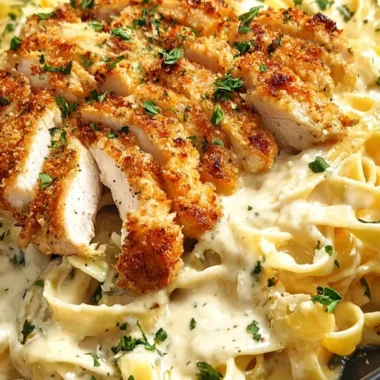
This velvety lemon butter sauce is a versatile condiment that enhances proteins, pasta, and vegetables in minutes. It combines the richness of butter and cream with the bright acidity of fresh lemon for a balanced flavor.
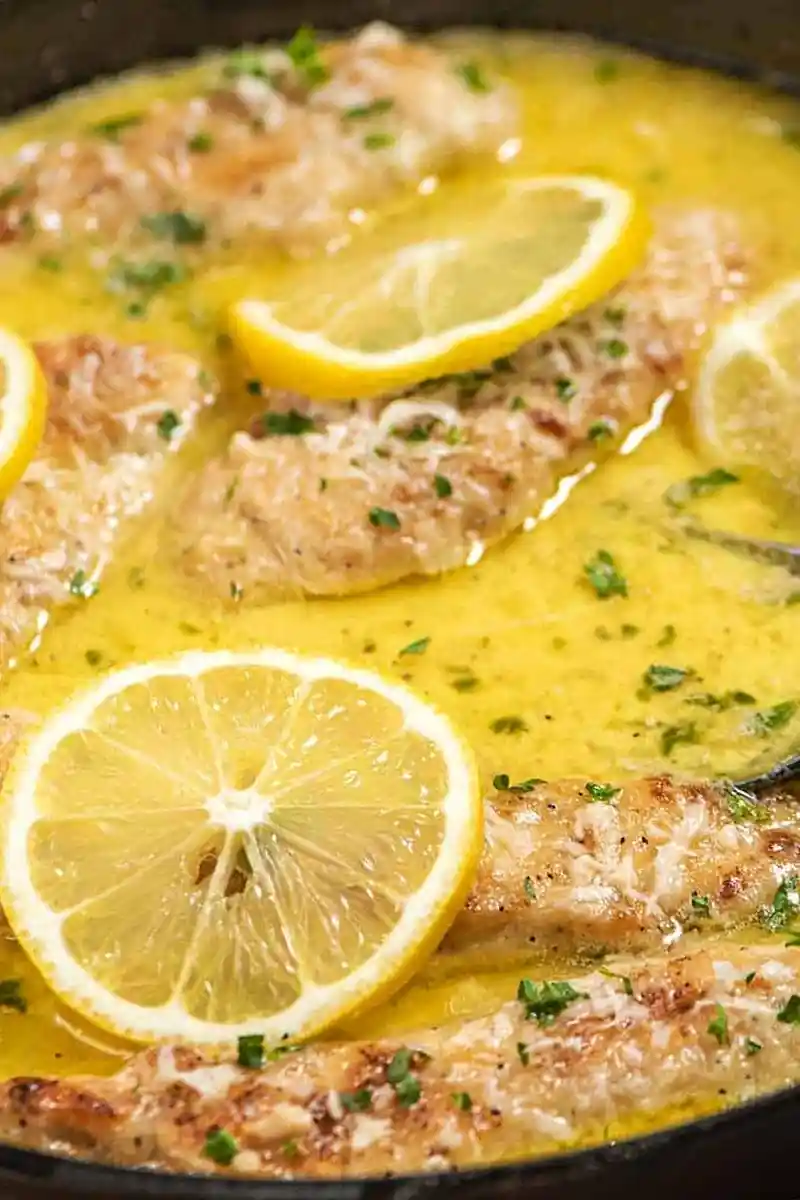
List of ingredients
- 1 fresh lemon – provides essential acidity and brightness.
- 6 Tbsp unsalted butter – divided into 4 Tbsp for sautéing and 2 Tbsp for finishing.
- 1 Tbsp minced garlic – adds a savory, aromatic base.
- 1 cup chicken broth – used as the liquid base for depth of flavor.
- 1/4 cup heavy cream or half-and-half – creates the rich, creamy consistency.
- Salt and pepper – added to taste for seasoning.
step-by-step instructions
- Sauté Garlic: Melt 4 Tbsp of butter in a skillet over medium heat. Add the minced garlic and cook for 2 to 3 minutes until fragrant but not browned.
- Add Citrus: Squeeze the juice of one lemon into the pan. Continue cooking for another 2 to 3 minutes to allow the flavors to meld.
- Simmer Base: Pour in the chicken broth and stir well. Let the mixture simmer for 2 to 3 minutes to reduce slightly.
- Finish Butter: Stir in the remaining 2 Tbsp of butter. Season the sauce with salt and black pepper according to your preference.
- Incorporate Cream: Slowly stir in the heavy cream or half-and-half. Mix continuously until the sauce is smooth and well combined before serving.
Practical Cooking Tips
Control the Heat Level
Maintain a consistent medium to medium-low heat throughout the process. High heat can cause the butter to brown too quickly or the cream to separate, which ruins the smooth texture.
Use Fresh Lemon Juice
Avoid bottled lemon juice as it often contains preservatives and lacks the bright, zesty profile of fresh fruit. Squeeze the lemon immediately before adding it to the pan for maximum flavor.
Manage the Cream Addition
Pour the heavy cream in a slow, steady stream while whisking. This gradual incorporation prevents the dairy from curdling when it hits the acidic lemon base.
Choose the Right Pan
A wide skillet provides more surface area for the broth to reduce efficiently. If using a non-stick pan, use silicone utensils to avoid scratching the surface.
Ingredient Substitutions
Dairy Alternatives for Richness
If heavy cream is unavailable, half-and-half works well, though the sauce will be slightly thinner. For a thicker result without heavy cream, you can whisk in a small amount of cornstarch slurry.
Adjusting the Butter Type
Unsalted butter is recommended to maintain complete control over the salt level. If using salted butter, reduce or omit the added salt at the end of the recipe.
Garlic Variations
Freshly minced garlic provides the strongest flavor. However, garlic paste is a convenient alternative that blends smoothly into the sauce without leaving large chunks.
Broth Options
While chicken broth is the standard, vegetable broth can be used for a different savory profile. Ensure the broth is low-sodium to avoid an overly salty finished product.
Flavor Variations
Adding Briny Elements
Stir in a tablespoon of drained capers at the very end. This adds a salty, tart pop that pairs exceptionally well with the lemon and butter.
Incorporating Fresh Herbs
Finely chopped parsley or chives added just before serving provide a fresh contrast. For a more earthy tone, a pinch of dried thyme or oregano can be added during the garlic sauté.
Enhancing with Aromatics
Adding finely diced shallots or onions along with the garlic adds a subtle sweetness. Sauté them until translucent before adding the lemon juice.
Adding Cheese for Depth
Whisk in a handful of freshly grated Parmesan cheese after adding the cream. This increases the thickness and adds a salty, nutty dimension to the sauce.
Suggested Serving Ideas
Pairing with Seafood
This sauce is ideal for white fish like cod, tilapia, or halibut. It also elevates scallops and shrimp, adding a restaurant-quality finish to pan-seared shellfish.
Complementing Chicken Dishes
Drizzle the sauce over grilled or roasted chicken breasts to add moisture and tang. It works particularly well with pan-seared chicken thighs for a rich meal.
Using as a Pasta Sauce
Toss the sauce with linguine, fettuccine, or orzo pasta. Adding a splash of the starchy pasta cooking water can help the sauce cling better to the noodles.
Serving with Vegetables
Pour the sauce over steamed asparagus, roasted carrots, or sautéed spinach. It also serves as an excellent topping for mashed potatoes or steamed rice.
Storage and Preservation
Proper Cooling Process
Allow the sauce to cool to room temperature before transferring it to a container. Placing hot sauce directly into the refrigerator can create condensation and affect the texture.
Selecting the Right Container
Use an airtight glass jar or a BPA-free plastic container with a tight lid. This prevents air exposure, which can lead to faster spoilage or off-flavors.
Refrigeration Guidelines
Store the sauce in the main body of the refrigerator, avoiding the door where temperatures fluctuate. The sauce will remain fresh and safe to eat for 4 to 5 days.
Avoid Freezing
Do not freeze this sauce. The high butter and cream content causes the emulsion to break during the freezing and thawing process, resulting in a grainy texture.
Reheating Instructions
Stovetop Reheating Method
Place the chilled sauce in a small saucepan over low to medium heat. Stir constantly to ensure the butter and cream reintegrate smoothly.
Managing Consistency
If the sauce thickens too much during reheating, stir in a teaspoon of water or chicken broth. Add the liquid gradually until the desired creamy consistency returns.
Avoiding the Microwave
Avoid reheating this sauce in the microwave. Microwaves create hot spots that can cause the dairy to separate or the sauce to break into oil and solids.
Refreshing the Flavor
After reheating, taste the sauce and add a small squeeze of fresh lemon juice. This restores the brightness that can fade during refrigeration.
Troubleshooting Common Issues
Fixing a Separated Sauce
If the sauce breaks into oil, whisk in a tablespoon of warm water or cream vigorously over low heat. This helps re-emulsify the fats and liquids.
Correcting Excess Saltiness
If the sauce is too salty, add a small amount of extra heavy cream or a pinch of sugar. This helps balance the salt without altering the primary flavor profile.
Preventing Burnt Garlic
If the garlic turns dark brown, it will taste bitter. If this happens, it is best to start over, as the bitterness cannot be removed once developed.
Handling a Thin Sauce
To thicken a sauce that is too runny, simmer it for an additional 2 to 3 minutes before adding the cream. This allows more liquid to evaporate and concentrate the flavors.
Frequently Asked Questions
How much lemon juice is in one lemon?
An average lemon yields approximately 2 to 3 tablespoons of juice. This recipe relies on the juice of one medium-sized lemon for the correct balance of acidity.
Is this sauce keto-friendly?
Yes, this sauce is suitable for a ketogenic diet. It is high in healthy fats from butter and cream and contains very few carbohydrates.
Can I use bottled lemon juice instead of fresh?
Bottled juice is not recommended because it lacks the fresh enzymes and bright taste of a real lemon. Fresh citrus is essential for the quality of this sauce.
What can I use if I don’t have heavy cream?
Half-and-half is the best substitute for heavy cream. If you have neither, you can use whole milk thickened with a tiny bit of butter and flour (a roux).
Print
Creamy Garlic Lemon Butter Sauce
- Total Time: 10 minutes
- Yield: 2 cups 1x
- Diet: Keto
Description
Creamy lemon butter sauce pairs well with everything from chicken, seafood, and beef, to pasta and veggies!
Ingredients
- 1 lemon
- 6 Tbsp. butter (divided into 4 Tbsp. and 2 Tbsp.)
- 1 Tbsp. garlic, minced
- 1 cup chicken broth
- 1/4 cup heavy cream (or half & half)
- salt and pepper to taste
Instructions
- Step: In a skillet over medium heat, melt 4 Tbsp. butter and add minced garlic.
- Step: Cook garlic down for 2-3 minutes, then squeeze in lemon juice.
- Step: Continue cooking for 2-3 minutes, before adding chicken broth. Stir.
- Step: Simmer down for 2-3 minutes, then add in remaining butter and season with salt and pepper.
- Step: Slowly stir in the heavy cream, and mix well. Serve, and enjoy!
Notes
Make sure to SLOWLY add the cream to the dish, or it will curdle. You can make this recipe low sodium by using unsalted butter and leaving out the salt.
- Prep Time: 0 minutes
- Cook Time: 10 minutes
- Category: Sauce
- Method: Stovetop
- Cuisine: American
Nutrition
- Serving Size: 1 serving
- Calories: 546 kcal
- Sugar: 3 g
- Sodium: 336 mg
- Fat: 47 g
- Saturated Fat: 30 g
- Unsaturated Fat: 17 g
- Trans Fat: 0 g
- Carbohydrates: 11 g
- Fiber: 2 g
- Protein: 2 g
- Cholesterol: 136 mg
Keywords: creamy lemon butter sauce, garlic butter sauce, keto sauce, quick sauce