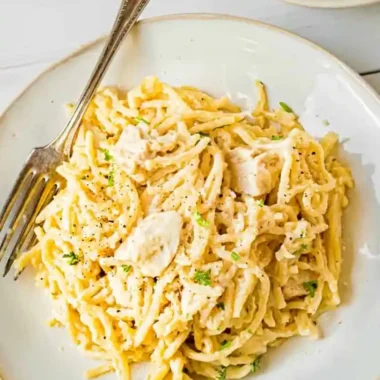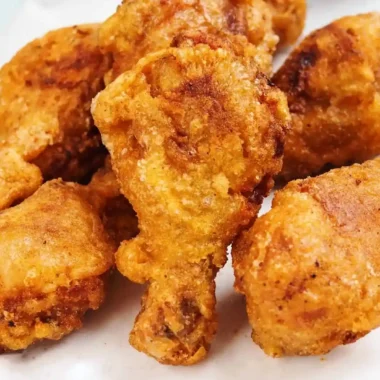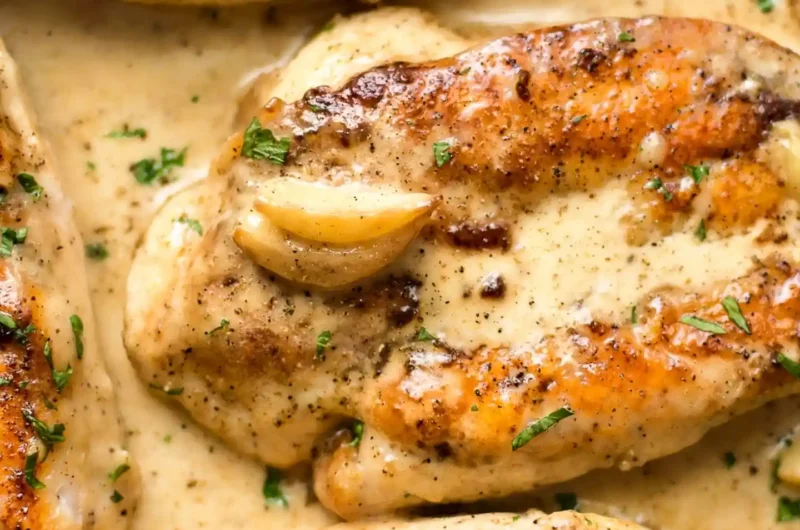
This quick and rich meal is perfect for busy weeknights or a more formal dinner. It features tender chicken breast cutlets smothered in a decadent garlic cream sauce.
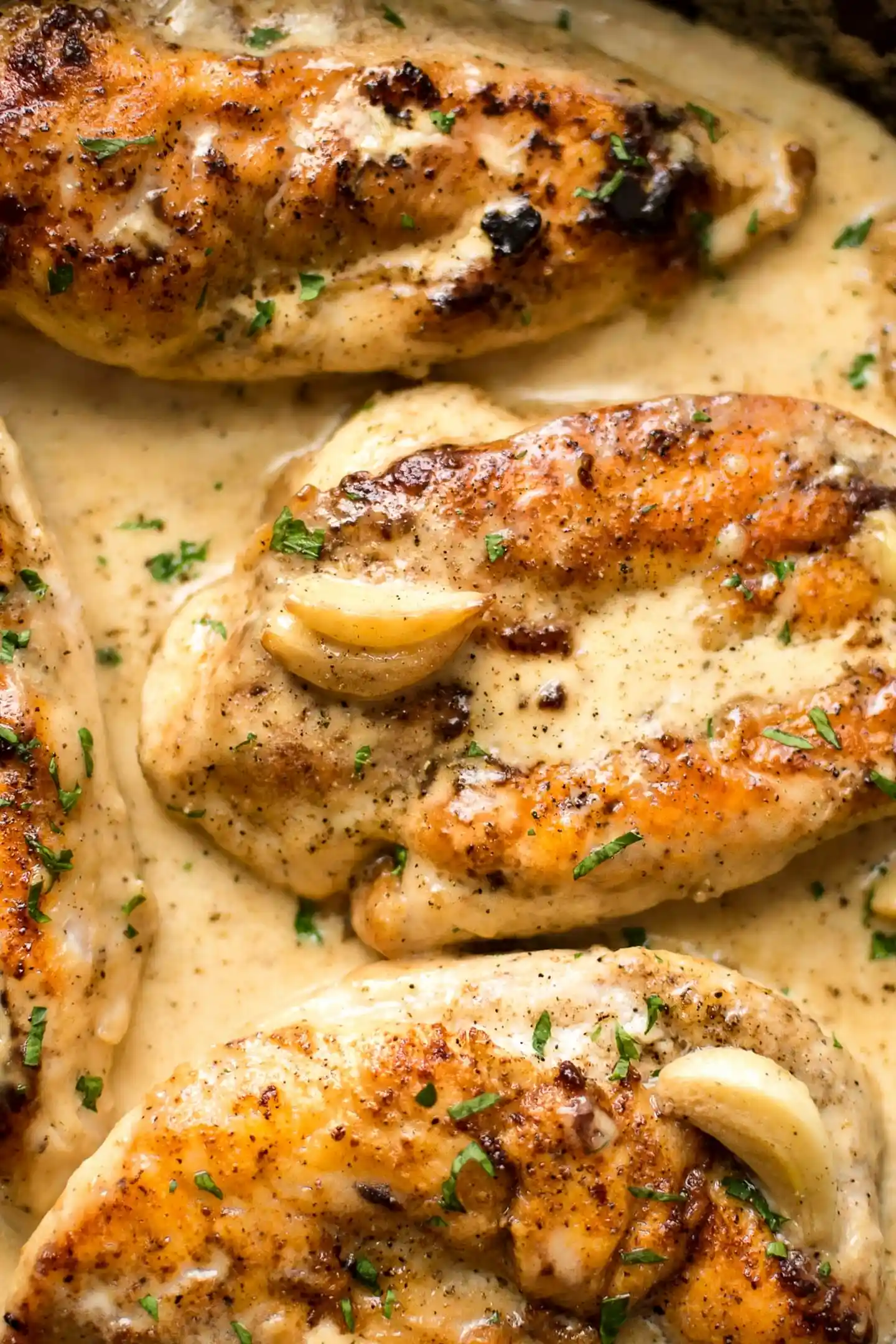
List of ingredients
- 2 large boneless skinless chicken breasts – cut into 4 cutlets for even cooking.
- Salt & pepper – used to taste for seasoning the meat.
- Flour – used for dredging to create a golden crust.
- 1 tablespoon olive oil – helps prevent butter from burning.
- 2 tablespoons butter (divided) – adds richness to the chicken and sauce.
- 1 whole head garlic (cloves peeled) – provides the primary flavor profile.
- 1/2 cup chicken broth or stock – creates a savory liquid base.
- 1/2 teaspoon lemon juice – adds necessary acidity to balance the cream.
- 1/4 teaspoon garlic powder – adds a different dimension of garlic flavor.
- 1 cup heavy/whipping cream – thickens the sauce and adds creaminess.
- Parsley (chopped (optional)) – used for a fresh garnish.
step-by-step instructions
- Prepare the chicken: Cut the chicken in half lengthwise so you have 4 smaller cutlets. Generously season them with salt & pepper and coat them in the flour.
- Sear the meat: Add the olive oil and 1 tbsp of the butter to a skillet over medium-high heat. Once the pan is hot, sauté the chicken for 4-5 minutes per side or until it’s nice and golden. Take the chicken out of the pan and set it aside.
- Sauté the garlic: Reduce the heat to medium (or even med-low if using cast iron), and add the rest of the butter to the pan. Let it melt and then add the garlic cloves, cooking them for 3-4 minutes, stirring often, until they are lightly browned.
- Reduce the liquid: Add the chicken broth, lemon juice, and garlic powder to the pan. Let it bubble for around 4 minutes or until the liquid is noticeably reduced.
- Finish the sauce: Stir in the cream and add the chicken back into the pan. Let it cook for another 5 minutes or so, until the sauce is reduced and the chicken is cooked through. Serve with freshly chopped parsley if you wish.
Optimal Cooking Techniques
Maintain Precise Internal Temperatures
Use an instant-read thermometer to ensure the chicken reaches exactly 165F (74C). This prevents the meat from becoming dry or remaining undercooked. Remove the chicken from heat the moment it hits this target temperature.
Master the Flour Dredge
Coat the chicken cutlets thinly and shake off any excess flour before placing them in the pan. Too much flour can lead to a gummy texture in the final sauce. A thin layer ensures a crisp, golden exterior that helps thicken the sauce later.
Balance Pan Heat for Butter
Using a combination of olive oil and butter prevents the butter from burning at high temperatures. The oil raises the smoke point, allowing you to get a deep brown sear on the chicken. Keep the heat consistent to avoid scorching the butter solids.
Control the Garlic Browning
Sauté the whole garlic cloves over medium to medium-low heat to avoid bitterness. The goal is a light golden brown color rather than a dark char. If the garlic browns too quickly, add a splash of broth immediately to cool the pan.
Ingredient Substitutions and Modifications
Using Chicken Thighs Instead of Breasts
Boneless, skinless chicken thighs are a great alternative for more moisture and flavor. Be aware that thighs may require a few extra minutes of searing to cook through. Ensure they are patted dry before dredging for the best crust.
Managing Garlic Intensity
If you find a whole head of garlic too intense, you can reduce it to half a head. Conversely, you can use elephant garlic for a milder, sweeter flavor profile. Ensure all cloves are peeled and roughly the same size for uniform cooking.
Alternative Creamy Bases
Heavy cream provides the most stability and thickness for this sauce. If using half-and-half, be mindful that the sauce may be thinner and more prone to curdling under high heat. Avoid using low-fat milk as it will not emulsify properly with the butter and broth.
Replacing the Savory Liquid
While chicken broth is standard, you can use a mixture of vegetable broth and a teaspoon of apple cider vinegar for a similar tang. This keeps the sauce bright and savory without using alcohol. Avoid using overly salty stocks to maintain control over the seasoning.
Recommended Side Dishes
Starchy Accompaniments
Mashed potatoes or a simple risotto are ideal for soaking up the extra cream sauce. Roasted potatoes or a baked potato also work well as a hearty base. Pasta, such as fettuccine or linguine, is a classic choice for creamy chicken dishes.
Green Vegetable Pairings
Steamed broccoli or sautéed green beans provide a fresh contrast to the rich sauce. Roasted cauliflower adds a nutty flavor that complements the garlic. Sautéed spinach with a hint of lemon can also brighten the plate.
Root Vegetable Options
Maple roasted carrots or beets offer a sweetness that balances the savory garlic notes. A side of roasted parsnips can also add a sophisticated touch to the meal. These vegetables hold up well against the weight of the cream sauce.
Fresh Salad Pairings
A light arugula salad with Parmesan and a lemon vinaigrette cuts through the richness of the heavy cream. A classic Caesar salad is another excellent option for adding crunch and acidity. Keep the dressing light to avoid overwhelming the main course.
Preserving and Reheating Guide
Safe Cold Storage
Store any remaining chicken and sauce in an airtight container in the refrigerator. The dish will stay fresh and safe to eat for 3 to 4 days. Ensure the food is cooled slightly before sealing to prevent excessive condensation.
Gentle Reheating Methods
Reheat the chicken and sauce slowly in a saucepan over low heat. Adding a tablespoon of water or chicken broth can help loosen the sauce if it has thickened too much in the fridge. Avoid high heat to prevent the cream from separating.
Limitations on Freezing
It is not recommended to freeze this dish due to the high cream content. Cream-based sauces often break or become grainy when thawed and reheated. Additionally, the chicken breasts can become dry and stringy after the freezing process.
Solving Common Cooking Issues
Correcting Sauce Consistency
If the sauce is too thin after simmering, let it bubble for another 2-3 minutes without a lid. If it becomes too thick, stir in a small amount of chicken broth or water to reach your desired consistency. Always stir gently to avoid breaking the emulsion.
Preventing Garlic Bitterness
Bitterness occurs when garlic is overheated or burnt. If you notice the cloves turning dark brown too quickly, immediately lower the heat. If the garlic burns completely, it is best to start the sauce base over to avoid a ruined flavor.
Ensuring Even Cooking
Cutting the breasts into cutlets is the best way to ensure the meat cooks evenly. If you use whole breasts, you risk the outside overcooking before the center is safe. Always let the pan get hot before adding the meat to ensure a proper sear.
Kitchen Tool Recommendations
Cast Iron Skillet Benefits
A cast iron skillet is ideal for this recipe because it retains heat exceptionally well. This helps in achieving a consistent golden-brown crust on the chicken. It also allows for a seamless transition from searing to simmering the sauce.
Instant Read Thermometer Utility
Using a digital thermometer removes the guesswork from cooking chicken. It allows you to pull the meat off the heat at exactly 165F. This is the only foolproof way to ensure juicy chicken every time.
Efficient Garlic Preparation
To save time, use a silicone garlic peeler or buy pre-peeled cloves. If peeling by hand, smash the clove with the flat side of a knife to loosen the skin. This makes the process faster and keeps the cloves intact.
Chef’s Knife Precision
A sharp chef’s knife is essential for cutting the chicken breasts lengthwise into even cutlets. Even thickness ensures that all pieces of meat cook at the same rate. Always use a stable cutting board to prevent slipping.
Garlic Chicken FAQs
Can I use jarred minced garlic?
Jarred minced garlic will not provide the same depth of flavor as whole cloves. The texture of the sauce will change, and the flavor can be more acidic. For the best results, use fresh garlic cloves as specified in the recipe.
Are the whole garlic cloves edible?
Yes, the whole cloves are meant to be eaten. The cooking process mellows the sharp raw flavor of the garlic, turning the cloves soft and buttery. They become a savory treat that pairs perfectly with the cream sauce.
What is the best pan for this recipe?
A wide skillet with high sides is best, such as a cast iron or stainless steel pan. The width allows the chicken to sear without crowding, and the sides prevent the sauce from splashing. Ensure the pan is large enough to hold all four cutlets comfortably.
How do I prevent the sauce from splitting?
Avoid boiling the sauce vigorously once the cream has been added. Keep the heat at a gentle simmer to maintain the emulsion. Adding the lemon juice before the cream also helps stabilize the sauce by balancing the fats.
Print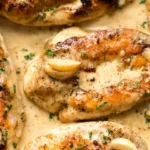
Creamy Garlic Chicken
- Total Time: 30 minutes
- Yield: 4 servings 1x
- Diet: General
Description
This creamy garlic chicken recipe is the ultimate easy comfort food! Tender chicken breasts smothered in a creamy garlic sauce are irresistible. Garlic lovers unite!
Ingredients
- 2 large boneless skinless chicken breasts
- Salt & pepper to taste
- Flour for dredging
- 1 tablespoon olive oil
- 2 tablespoons butter, divided
- 1 whole head garlic, cloves peeled
- 1/2 cup chicken broth or stock
- 1/2 teaspoon lemon juice
- 1/4 teaspoon garlic powder
- 1 cup heavy/whipping cream
- Parsley, chopped (optional)
Instructions
- Step 1: Cut the chicken in half lengthwise so you have 4 smaller cutlets. Generously season them with salt & pepper and coat them in the flour.
- Step 2: Add the olive oil and 1 tbsp of the butter to a skillet over medium-high heat. Once the pan is hot, sauté the chicken for 4-5 minutes/side or until it’s nice and golden. Take the chicken out of the pan and set it aside.
- Step 3: Reduce the heat to medium (or even med-low if using cast iron), and add the rest of the butter to the pan. Let it melt and then add the garlic cloves. Cook them for 3-4 minutes, stirring often, until they’re lightly browned on the outside.
- Step 4: Add the chicken broth, lemon juice, and garlic powder to the pan. Let it bubble for around 4 minutes or until the liquid is noticeably reduced.
- Step 5: Stir in the cream and add the chicken back into the pan. Let it cook for another 5 minutes or so, until the sauce is reduced and the chicken is cooked through. Serve with freshly chopped parsley if you wish.
Notes
I recommend using fairly large boneless/skinless chicken breasts for this recipe since we’re cutting them in half lengthwise. If you have smaller ones, use 4 of them and leave them intact. If your garlic cloves are particularly gigantic, feel free to cut them in half so they’re all roughly the same size.
- Prep Time: 10 minutes
- Cook Time: 20 minutes
- Category: Main Course
- Method: Pan-frying
- Cuisine: American
Nutrition
- Serving Size: 1 serving
- Calories: 435 kcal
- Sugar: 1 g
- Sodium: 313 mg
- Fat: 34 g
- Saturated Fat: 18 g
- Unsaturated Fat: 16 g
- Trans Fat: 0 g
- Carbohydrates: 6 g
- Fiber: 1 g
- Protein: 26 g
- Cholesterol: 169 mg
Keywords: creamy garlic chicken, easy comfort food, chicken breasts, garlic sauce, dinner