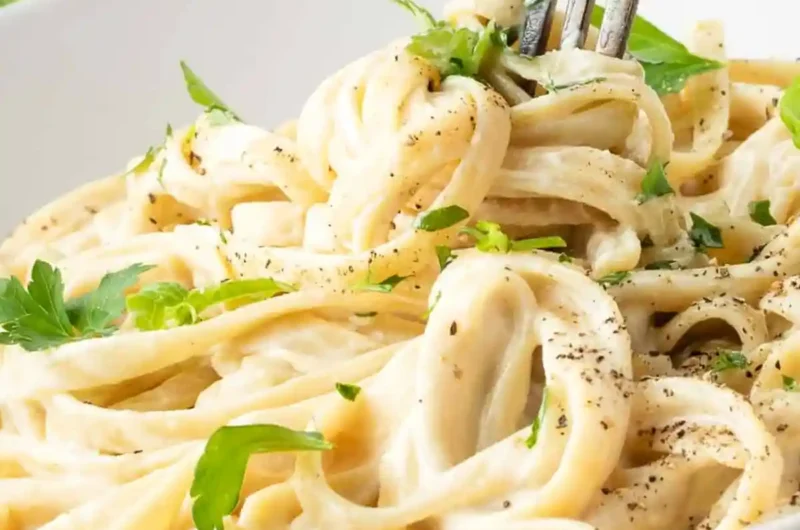
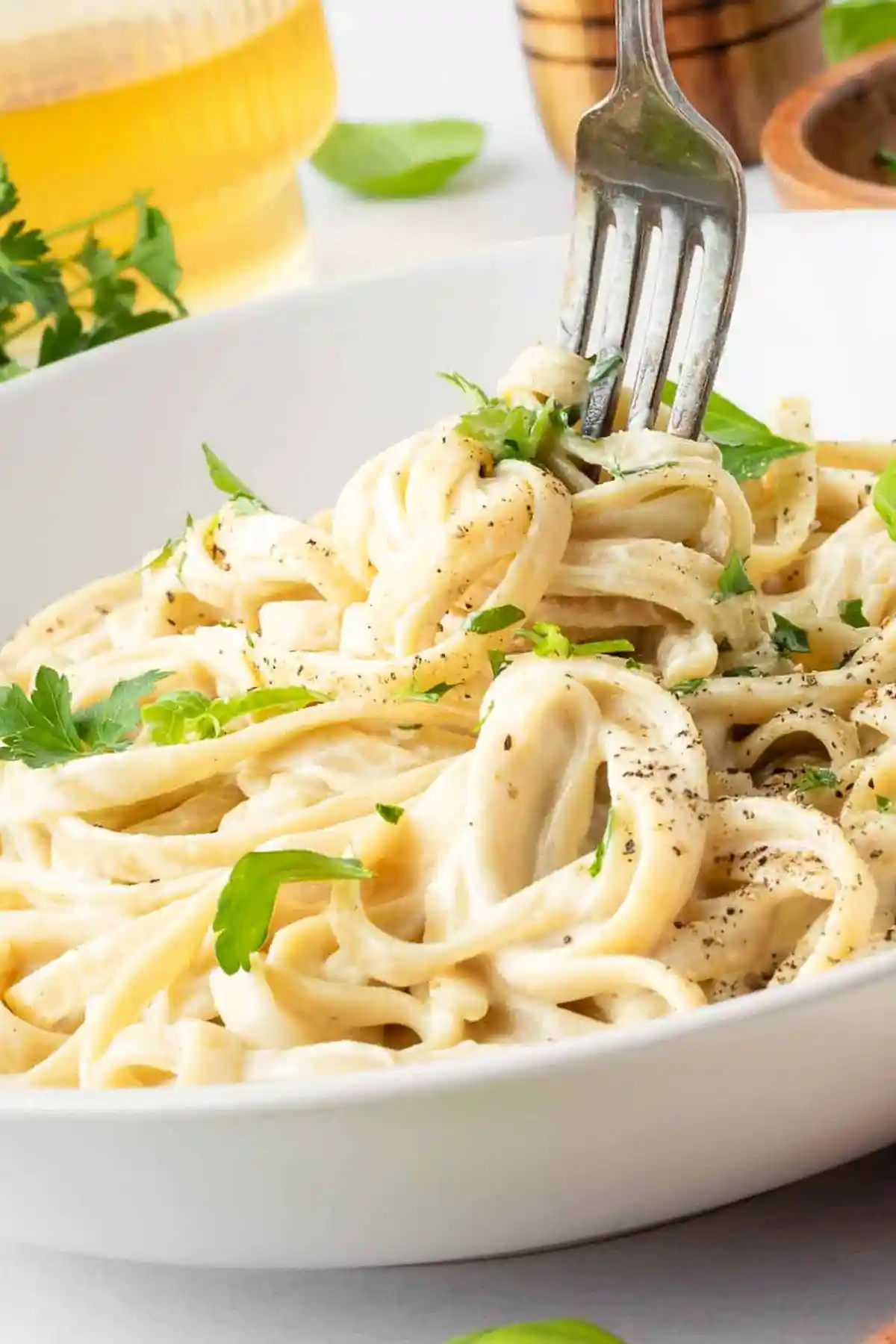
This plant-based version of a classic Italian dish delivers a rich and velvety texture without the use of dairy or oil. It is a nutritious and quick meal that relies on whole food ingredients to create a satisfying comfort food experience.
List of ingredients
- 1 + 1/4 cup raw cashews – must be raw and unsalted for the correct flavor and texture.
- 1 cup non-dairy milk – almond milk is recommended for a neutral taste.
- 1/3 cup nutritional yeast – provides the essential savory, cheesy flavor.
- 4 cloves garlic – adds a sharp, aromatic depth to the sauce.
- 1 tbsp lemon juice – provides acidity to balance the richness of the nuts.
- 1 tbsp mellow white miso paste – adds a salty, umami complexity.
- 1 tsp onion powder – enhances the overall savory profile.
- 1 tsp salt – adjusts the seasoning to taste.
- 1/4 tsp black pepper – adds a slight spice and warmth.
- 10 oz fettuccine pasta – use gluten-free or grain-free varieties if required.
- Fresh herbs – such as basil, parsley, or chives for a fresh garnish.
step-by-step instructions
- Boil water: Bring 3 cups of water to a boil in a medium-sized pot.
- Soak cashews: Place raw cashews in a bowl and pour the boiling water over them. Let them soak for 20 minutes to soften, then drain the water completely.
- Blend the sauce: Combine the soaked cashews, non-dairy milk, nutritional yeast, garlic, lemon juice, white miso paste, onion powder, salt, and black pepper in a blender. Process on high speed until the mixture is completely smooth and creamy.
- Cook pasta: Boil the fettuccine pasta according to the package directions. Drain the water and return the pasta to the pot.
- Combine and warm: Pour the prepared alfredo sauce over the cooked pasta. Gently toss the noodles to ensure they are evenly coated and heated through.
- Garnish and serve: Top the dish with fresh herbs like basil or parsley. Serve immediately.
Optimal Preparation Strategies
Soaking Cashews for Maximum Smoothness
Soaking raw cashews in boiling water for 20 minutes is critical for achieving a velvety sauce. This process softens the nut’s structure and removes phytic acid, allowing the blender to emulsify the fats more effectively. Skipping this step often results in a grainy or gritty texture.
Salting the Boiling Pasta Water
Adding a generous amount of salt to the pasta water is the only opportunity to season the noodles themselves. Use approximately one tablespoon of salt per pound of pasta to ensure the base of the dish is flavorful. Most of this salt is drained away, so it does not make the final dish overly salty.
Selecting the Right Pasta Shape
While fettuccine is the traditional choice, other wide noodles like pappardelle work well to hold the heavy cashew sauce. For a different texture, penne or rotini can be used as they trap the sauce inside their ridges. If using gluten-free pasta, be careful not to overcook it, as these varieties can become mushy quickly.
Adding Fresh Protein and Vegetables
Tossing in steamed broccoli or sautéed mushrooms can turn this into a complete meal. For added protein, consider adding chickpeas, grilled tofu, or tempeh. Ensure vegetables are cooked separately before adding them to the pasta to prevent the sauce from becoming watery.
Using Fresh Herb Garnishes
Fresh herbs provide a bright contrast to the rich, heavy nature of the cashew cream. Flat-leaf parsley adds a clean, peppery note, while fresh basil provides a sweet, aromatic quality. Chives are also an excellent choice for adding a mild onion flavor to the finished plate.
Ingredient Customizations
Replacing Almond Milk with Other Plant Milks
Soy milk is a great alternative if you prefer a higher protein content and a creamier consistency. Oat milk provides a naturally sweet flavor and a thick texture that blends well. Cashew milk is the most neutral option and reinforces the existing nuttiness of the sauce.
Substituting Miso Paste for Umami Flavor
If white miso is unavailable, you can use a small amount of soy sauce or tamari for a similar salty, savory effect. However, miso provides a thicker consistency and a fermented depth that is unique. If avoiding soy, a pinch of extra salt and a drop more lemon juice can mimic some of the brightness.
Using Gluten-Free Pasta Alternatives
Brown rice pasta is a reliable choice for those avoiding gluten, offering a texture very similar to wheat. Chickpea or lentil pasta significantly increases the protein and fiber content of the meal. Corn-based pastas are often lighter and work well if you prefer a less dense noodle.
Adjusting the Tanginess with Lemon Juice
The lemon juice acts as a substitute for the lactic acid found in dairy cream. If the sauce feels too heavy, add an extra teaspoon of lemon juice to brighten the flavor. Conversely, reduce the amount if you prefer a milder, more savory taste.
Increasing the Cheesy Flavor with More Nutritional Yeast
Nutritional yeast is the primary source of the ‘cheesy’ flavor in vegan sauces. If you want a more intense profile, increase the amount to a half cup. This also adds a boost of B-vitamins to the meal.
Serving Suggestions
Pairing with Roasted Broccoli
Roasting broccoli in the oven with a bit of salt and pepper adds a smoky depth that complements the creamy sauce. The charred edges of the broccoli provide a textural contrast to the soft pasta. Simply toss the roasted florets in just before serving.
Adding Sautéed Mushrooms
Sautéing cremini or shiitake mushrooms in a pan creates a meaty texture and adds more umami to the dish. Cook the mushrooms until they are browned and the moisture has evaporated. Stir them into the pasta along with the alfredo sauce.
Combining with Grilled Tofu
Firm tofu, pressed and grilled with a pinch of salt, adds a satisfying chew to the meal. Cube the tofu into small pieces to ensure an even distribution in every bite. This is an ideal way to make the recipe more filling for dinner.
Serving with a Side Garlic Bread
A side of toasted baguette with garlic and olive oil helps scoop up any extra sauce left on the plate. Use a vegan butter substitute for a fully plant-based version. This addition makes the meal feel more like a traditional Italian restaurant experience.
Adding Baby Spinach for Color
Fresh baby spinach can be stirred into the hot pasta just before serving. The residual heat from the noodles will wilt the spinach perfectly without overcooking it. This adds a pop of green and a dose of iron to the dish.
Preservation and Reheating
Storing the Sauce and Pasta Separately
To maintain the best quality, store the cashew sauce in a sealed glass jar and the cooked pasta in a separate container. When pasta is stored in sauce, it continues to absorb liquid, which can make the noodles mushy and the sauce too thick. This separation ensures the textures remain distinct.
Refrigeration Limits and Safety
The cashew alfredo sauce can be kept in the refrigerator for 3 to 5 days. Keep it in an airtight container to prevent it from absorbing odors from other foods. Always check for freshness before use, especially since it contains fresh garlic.
Reheating the Pasta on the Stovetop
Reheating on the stove is the best method for maintaining the sauce’s emulsion. Place the pasta and sauce in a pan over medium-low heat. Stir constantly to prevent the bottom from scorching and to ensure the sauce warms evenly.
Using a Microwave for Quick Reheating
If using a microwave, heat the pasta in short 30-second intervals. Stir the mixture between each interval to distribute the heat. This prevents hot spots and keeps the sauce from separating.
Adding Liquid During Reheating
Because the sauce thickens as it cools, you may need to add a splash of plant milk or water when reheating. This restores the original creamy consistency. Start with one tablespoon and add more as needed until the desired texture is achieved.
Common Cooking Challenges
Fixing a Sauce That is Too Thick
If the sauce is too dense after blending, add non-dairy milk one tablespoon at a time. Blend on low speed until the consistency is smooth and pourable. The thickness usually depends on the size of the cashews and the type of milk used.
Resolving Grittiness in the Cashew Base
Grittiness is usually a sign that the cashews were not soaked long enough or the blender is not powerful enough. If the sauce is grainy, blend it for an additional two minutes on the highest setting. If it remains gritty, passing the sauce through a fine-mesh strainer can remove the small particles.
Preventing Pasta from Clumping
Prevent clumping by stirring the pasta occasionally while it boils. After draining, immediately toss the pasta with the sauce or a tiny bit of oil. This creates a barrier that stops the noodles from sticking together as they cool.
Balancing the Saltiness of the Miso
Different brands of miso paste vary in salt content. If the sauce tastes too salty, add a small amount of extra almond milk or a squeeze of lemon juice. The acidity of the lemon helps neutralize the intensity of the salt.
Ensuring the Sauce Warms Evenly
Cashew sauce is thick and can burn easily if heated over high heat. Use a low-to-medium flame and keep the pasta moving. This ensures the sauce reaches a safe temperature without sticking to the pan.
Frequently Asked Questions
Can I use roasted cashews instead of raw?
It is not recommended to use roasted cashews because they have a much stronger, toasted flavor that can overpower the sauce. Roasted nuts also do not soften as effectively during the soaking process, which may lead to a grainier texture.
Is this recipe suitable for nut allergies?
No, this recipe relies on cashews for its creaminess and structure. For a nut-free version, you would need to replace the cashews with a base of sunflower seeds or cooked cauliflower, though the flavor profile will change.
Can the sauce be frozen?
The sauce can be frozen for up to two months in an airtight container. Thaw it in the refrigerator overnight before reheating. Note that some separation may occur during freezing, so whisk it vigorously after reheating to restore the emulsion.
How do I make the sauce creamier?
For extra creaminess, ensure you are using a high-speed blender and that the cashews are fully soaked. You can also add a tablespoon of vegan butter or a splash of full-fat coconut milk for a richer mouthfeel.
Which brand of nutritional yeast is best?
Look for nutritional yeast that is labeled as ‘deactivated’ and has a bright yellow color. Avoid brands that have a very dark hue or a bitter smell. The best yeast will have a mild, nutty, and cheesy aroma.
Print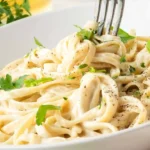
Creamy Cashew Vegan Fettuccine Alfredo
- Total Time: 30 minutes
- Yield: 4 servings 1x
- Diet: Vegan
Description
The BEST vegan fettuccine alfredo recipe! This cashew alfredo sauce is rich, creamy, dairy-free, and oil-free. It’s made with healthy ingredients like nutritional yeast, cashews, lemon juice, and almond milk. The quick and easy recipe is made in 30 minutes with one pot and a blender. It’s a delicious plant-based comfort food & healthy pasta dinner for weeknights!
Ingredients
- 1 + 1/4 cup raw cashews
- 1 cup non-dairy milk (such as almond milk)
- 1/3 cup nutritional yeast
- 4 cloves garlic
- 1 tbsp lemon juice
- 1 tbsp mellow white miso paste
- 1 tsp onion powder
- 1 tsp salt
- 1/4 tsp black pepper
- 10 oz fettuccine pasta (gluten-free or grain-free if needed)
- Fresh herbs, for garnish (basil, parsley, chives, etc.)
Instructions
- Step 1: In a medium pot, bring 3 cups of water to a boil.
- Step 2: Add raw cashews to a bowl. Pour the boiling water over the cashews. Set aside to soak for 20 minutes. After, drain the water.
- Step 3: In a blender, add the soaked cashews, non-dairy milk, nutritional yeast, garlic, lemon juice, mellow white miso paste, onion powder, salt, and black pepper. Blend on high speed until completely smooth and creamy.
- Step 4: Cook the pasta according to the package instructions. After, drain the water and transfer the pasta back into the pot.
- Step 5: Pour the alfredo sauce over the pasta. Gently toss to combine and warm.
- Step 6: Serve fettuccine alfredo with fresh herbs of your choosing, such as basil or parsley.
Notes
Pasta: I recommend using fettuccine noodles, but you can use any type of pasta. If needed, feel free to use a gluten-free or grain-free option. How to store: I recommend keeping the cashew alfredo sauce and pasta separate. You’ll get the best results by storing the vegan alfredo sauce in a sealed container or mason jar. Keep inside the refrigerator and use within 3-5 days.
- Prep Time: 20 minutes
- Cook Time: 10 minutes
- Category: Dinner
- Method: Stovetop
- Cuisine: Italian
Nutrition
- Serving Size: 1 serving
- Calories: 490 kcal
- Sugar: 4 g
- Sodium: 680 mg
- Fat: 17 g
- Saturated Fat: 2.5 g
- Unsaturated Fat: 14.5 g
- Trans Fat: 0 g
- Carbohydrates: 62 g
- Fiber: 5 g
- Protein: 21 g
- Cholesterol: 0 mg
Keywords: vegan fettuccine alfredo, cashew alfredo, dairy-free pasta, plant-based comfort food, oil-free pasta