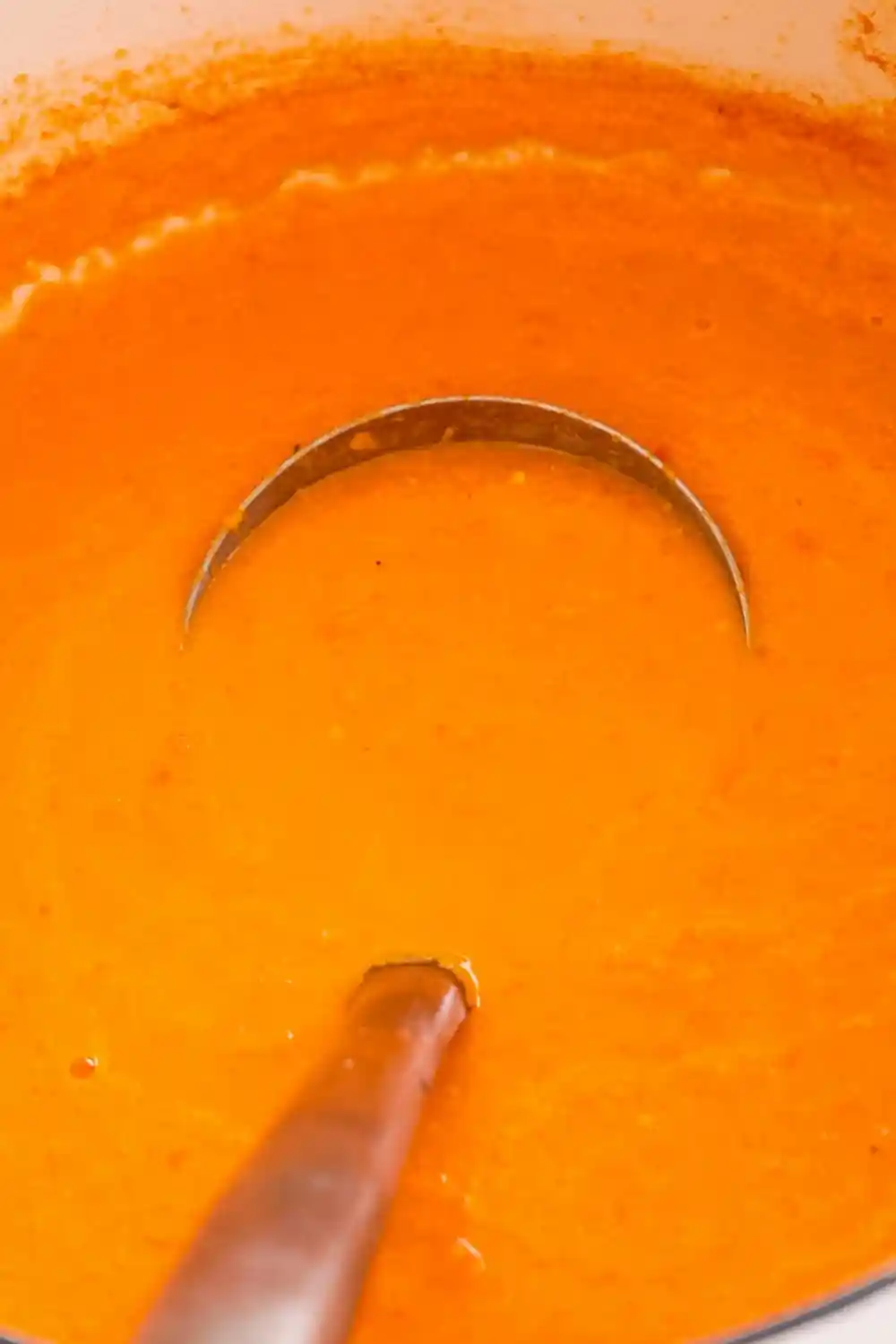
This homemade Roma tomato soup uses fresh garden tomatoes for a rich and creamy flavor. It is a simple, nutritious alternative to canned soups that highlights the natural sweetness of summer produce.
List of ingredients
- 3 pounds roma tomatoes – peeled, cored, and chopped
- 2 tablespoons olive oil – for sautéing vegetables
- 2 medium onions – thinly sliced
- 2 cloves garlic – minced
- salt – to taste for seasoning
- fresh ground black pepper – to taste for seasoning
- 4 cups vegetable broth – as the liquid base
- 1/2 cup heavy cream – for a rich, creamy finish
step-by-step instructions
- Blanch the tomatoes: Bring a large pot of water to a boil over high heat. Cut a small X in the stem end of each tomato. Drop the tomatoes into the boiling water and blanch them for about 1 minute. Using a slotted spoon, transfer them to a pot of cold water to cool. When cool enough to handle, remove and discard the skin from the tomatoes, remove the core, and coarsely chop the flesh.
- Sauté the aromatics: In a large soup pot over medium high heat, warm the olive oil. Add onions and garlic and cook until onions are translucent and garlic is fragrant, about 5 minutes.
- Cook the tomatoes: Add the chopped tomatoes to the soup pot with onions, season with salt and pepper, and cook for 5 minutes. Turn the heat to high, add the vegetable broth, and bring to a boil. Turn the heat to low and simmer for 30 minutes.
- Puree and finish: Use an immersion blender (or regular blender – careful, it’s hot!) and puree the soup until smooth. Return the soup to the pot, add the heavy cream and simmer over low heat for about 15 minutes. If the soup is too thin, simmer for about 10 more minutes until slightly thickened. Taste and adjust the seasoning, adding more salt and pepper if needed.
- Serve: Serve into bowls, adding croutons, Parmesan cheese and fresh basil on top if preferred.
Optimizing Tomato Selection and Prep
Why Roma Tomatoes are Ideal
Roma tomatoes are preferred for this soup because they have a meatier texture and lower water content than beefsteak or heirloom varieties. This allows the soup to thicken more naturally without requiring excessive reduction time. Their balanced acidity provides a clean flavor profile that pairs well with heavy cream.
Managing Higher Water Content Tomatoes
If you use beefsteak or vine tomatoes, be aware that they release more liquid during the simmering process. You may need to increase the initial simmering time by 10 to 15 minutes to achieve the desired consistency. Alternatively, you can slightly reduce the amount of vegetable broth added to the pot.
The Importance of the Blanching Process
Blanching is essential for achieving a silky smooth texture. Tomato skins do not break down during blending and can leave small, papery fragments in the final soup. The quick dip in boiling water loosens the skin, allowing it to slip off effortlessly after the cold water shock.
Properly Removing the Tomato Core
Removing the core is necessary to eliminate the tough, woody part of the tomato. Use a small paring knife to cut a cone shape around the stem attachment point. This ensures that no fibrous bits remain, which would otherwise create lumps during the blending stage.
Essential Equipment for Success
Choosing the Right Soup Pot
A heavy-bottomed pot, such as a Dutch oven or a stainless steel stockpot, is recommended. These pots distribute heat evenly across the base, which prevents the onions and garlic from scorching. A pot with a tight-fitting lid is also useful for maintaining temperature during the simmer.
Immersion Blender vs. Stand Blender
An immersion blender is the most efficient tool because it purees the soup directly in the pot. If using a stand blender, work in small batches and leave a gap at the top of the jar to allow steam to escape. This prevents the lid from blowing off due to pressure build-up from hot liquids.
Using a Slotted Spoon for Blanching
A wide slotted spoon allows you to move tomatoes quickly from boiling water to the ice bath. This precision prevents the tomatoes from overcooking, which would make them too mushy to peel efficiently. It also keeps the cold water bath clear of boiling water debris.
Customizing Flavor and Texture
Dairy-Free Cream Substitutes
For a plant-based version, replace heavy cream with full-fat coconut milk or cashew cream. Coconut milk adds a slight sweetness and a very creamy texture, while cashew cream provides a more neutral flavor. Stir these in at the very end of the cooking process to prevent separation.
Incorporating Fresh Herbs
While basil is a classic garnish, stirring in finely chopped parsley or thyme during the sauté phase adds depth. For the best results, add fresh herbs at the end of the process to preserve their bright color and volatile oils. Avoid boiling fresh herbs for long periods as they can lose their potency.
Adjusting the Acidity Level
Depending on the ripeness of the tomatoes, the soup may be more acidic than desired. If the taste is too sharp, a small pinch of sugar can balance the acidity without making the soup sweet. Alternatively, adding a small amount of unsalted butter can mellow the flavor.
Adding Root Vegetables for Body
To add more nutritional value and thickness, you can sauté diced carrots or celery along with the onions. These vegetables blend seamlessly into the soup, adding a subtle sweetness and a heartier texture. Ensure they are softened completely before adding the broth.
Pro Cooking Techniques
Sautéing Onions for Maximum Flavor
Cook the onions slowly until they are translucent rather than browned. Over-browning the onions can introduce a bitter taste that clashes with the fresh tomato flavor. Use medium-high heat but stir frequently to ensure an even cook across all slices.
Controlling the Simmer Temperature
Once the soup reaches a boil, immediately reduce the heat to low. A gentle simmer allows the flavors to meld and the tomatoes to break down without evaporating the liquid too quickly. Avoid returning the soup to a rolling boil after the cream has been added.
Achieving the Perfect Thickness
If the soup remains too thin after blending and simmering, continue to cook it uncovered on low heat. This allows for further reduction of the water content, concentrating the flavor and thickening the body. Be careful not to over-reduce, or the soup may become too salty.
Balancing Seasoning at the End
Always perform the final salt and pepper adjustment after adding the cream. The fat in the cream coats the palate and can mask some of the seasoning. Tasting the final product ensures that the salt levels are perfectly balanced against the richness of the dairy.
Serving and Pairing Suggestions
The Classic Grilled Cheese Pairing
Serving this soup with a grilled cheese sandwich is the most traditional pairing. Use a sourdough or brioche bread with a blend of sharp cheddar and gruyère for a salty contrast to the sweet tomatoes. The melted cheese complements the creaminess of the soup perfectly.
Preparing Homemade Croutons
Toss cubed sourdough bread with olive oil, garlic powder, and salt, then bake at 375°F (190°C) until golden. Freshly made croutons provide a necessary crunch and texture contrast to the smooth soup. Add them immediately before serving to prevent them from becoming soggy.
Selecting Cheese Garnishes
Freshly grated Parmesan or Pecorino Romano adds a salty, nutty dimension to the dish. For a creamier topping, a small dollop of mascarpone or a sprinkle of crumbled feta can be used. Choose a cheese that complements the acidity of the tomatoes.
Using Fresh Basil Garnish
Tear fresh basil leaves by hand rather than chopping them with a knife to prevent bruising and oxidation. Place the leaves on top of the hot soup just before serving. The heat from the soup releases the aromatic oils of the basil, enhancing the overall fragrance.
Storage and Preservation Guide
Refrigeration Guidelines
Store leftover soup in an airtight glass container in the refrigerator. It will remain fresh for 4 to 5 days. Ensure the soup has cooled to room temperature before sealing the container to prevent condensation from affecting the flavor.
Freezing for Long-Term Storage
This soup freezes well for up to 6 months in freezer-safe containers or heavy-duty freezer bags. Leave a small amount of headspace at the top of the container to allow for expansion during the freezing process. For the best quality, freeze the soup before adding the heavy cream.
Safe Thawing Methods
Thaw frozen soup in the refrigerator overnight to ensure it reaches a safe temperature slowly. Avoid thawing on the counter to prevent bacterial growth. If you are in a rush, you can use the defrost setting on a microwave or place the container in a bowl of cold water.
Reheating Without Curdling
Reheat the soup slowly over low heat on the stovetop. Stir frequently to ensure even heating and prevent the bottom from scorching. Avoid boiling the soup during reheating, as this can cause the cream to separate or curdle.
Troubleshooting Common Issues
Solving Excessive Acidity
If the soup tastes too acidic despite adding sugar, stir in a small amount of baking soda (about 1/8 teaspoon). The baking soda reacts with the acid to neutralize the pH level. Stir well and taste again, adding very small amounts until the balance is correct.
Fixing a Too-Thin Consistency
If the soup is too watery, you can blend in a small boiled potato or a tablespoon of cornstarch slurry (cornstarch mixed with water). Simmer for another 5-10 minutes to cook out the raw starch taste. This provides a thick, velvety texture without altering the flavor.
Eliminating Grainy Texture
A grainy texture usually occurs if the tomatoes weren’t peeled or if the blending wasn’t thorough. Pass the finished soup through a fine-mesh sieve using a spatula to push the liquid through. This removes any remaining seeds or skin fragments for a professional finish.
Preventing Cream Separation
Separation happens when cream is added to boiling liquid or heated too aggressively. Ensure the soup is at a low simmer when stirring in the cream. Stir constantly for several minutes to emulsify the fat into the tomato base properly.
Frequently Asked Questions
Can I use canned tomatoes instead?
Yes, you can use canned crushed or diced tomatoes if fresh ones are unavailable. However, the flavor will be more concentrated and less bright. You may need to reduce the vegetable broth slightly as canned tomatoes often contain added liquid.
Is this soup suitable for a vegan diet?
As written, the soup is vegetarian but not vegan due to the heavy cream. To make it vegan, substitute the heavy cream with coconut cream or cashew cream. Ensure the vegetable broth used is also certified vegan.
How long do fresh tomatoes last before cooking?
Fresh Roma tomatoes typically last 5 to 7 days at room temperature. Once they are very soft and deep red, they are at their peak for soup. If they are overripe, store them in the refrigerator to prevent spoilage.
Can I make this in a slow cooker?
You can adapt this recipe for a slow cooker by adding the sautéed aromatics, chopped tomatoes, and broth to the pot. Cook on low for 6-8 hours, then blend and stir in the cream at the end. The blanching process must still be done separately on the stove.
Print
Creamy Roma Tomato Soup from Fresh Tomatoes
- Total Time: 60 minutes
- Yield: 8 servings 1x
- Diet: Vegetarian
Description
This easy homemade Roma Tomato Soup is made with garden fresh roma tomatoes, vegetable broth, and heavy cream. It’s so creamy and fresh, you’ll never want to buy canned soup again!
Ingredients
- 3 pounds roma tomatoes
- 2 tablespoons olive oil
- 2 medium onions, thinly sliced
- 2 cloves garlic, minced
- salt
- fresh ground black pepper
- 4 cups vegetable broth
- 1/2 cup heavy cream
Instructions
- Blanch: Bring a large pot of water to a boil over high heat. Cut a small X in the stem end of each tomato. Drop the tomatoes into the boiling water and blanch them for about 1 minute. Using a slotted spoon, transfer them to a pot of cold water to cool. When cool enough to handle, remove and discard the skin from the tomatoes, remove the core, and coarsely chop the flesh.
- Sauté: In a large soup pot over medium high heat, warm the olive oil. Add onions and garlic and cook until onions are translucent and garlic is fragrant, about 5 minutes.
- Simmer: Add the chopped tomatoes to the soup pot with onions, season with salt and pepper, and cook for 5 minutes. Turn the heat to high, add the vegetable broth, and bring to a boil. Turn the heat to low and simmer for 30 minutes.
- Puree: Use an immersion blender (or regular blender) and puree the soup until smooth. Return the soup to the pot, add the heavy cream and simmer over low heat for about 15 minutes. If the soup is too thin, simmer for about 10 more minutes until slightly thickened. Taste and adjust the seasoning, adding more salt and pepper if needed.
- Serve: Serve into bowls, adding croutons, Parmesan cheese and fresh basil on top if preferred.
Notes
Store leftover tomato soup in an airtight container in the fridge for up to 4-5 days. This soup freezes beautifully for up to 6 months in freezer safe containers or freezer bags.
- Prep Time: 10 minutes
- Cook Time: 50 minutes
- Category: Soup
- Method: Stovetop
- Cuisine: American
Nutrition
- Serving Size: 1 bowl
- Calories: 136 kcal
- Sugar: 5 g
- Sodium: 480 mg
- Fat: 9 g
- Saturated Fat: 5 g
- Unsaturated Fat: 4 g
- Trans Fat: 0 g
- Carbohydrates: 11 g
- Fiber: 2 g
- Protein: 2 g
- Cholesterol: 15 mg
Keywords: fresh tomato soup, summer, vegetarian