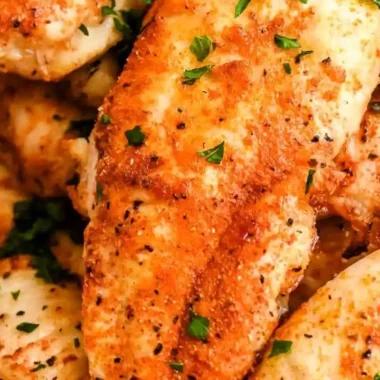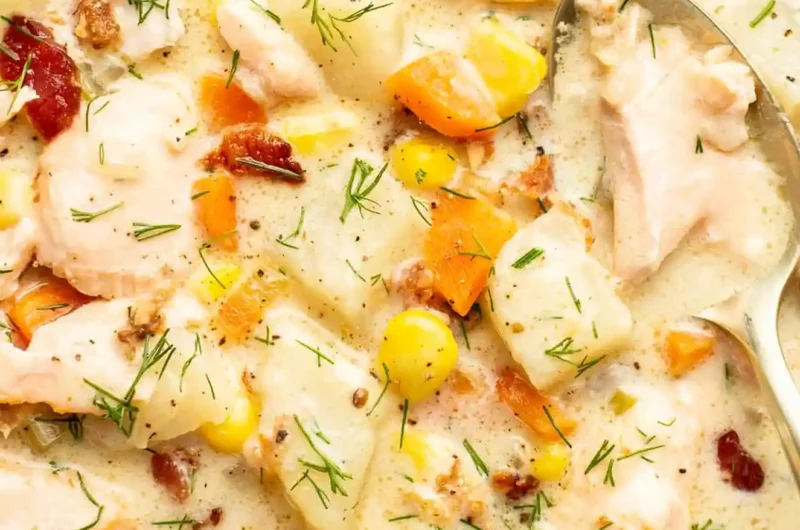
This hearty salmon chowder combines fresh seafood with a creamy base and crisp vegetables for a satisfying meal. It is easy to prepare in a single pot and uses simple ingredients to achieve a rich, professional flavor.
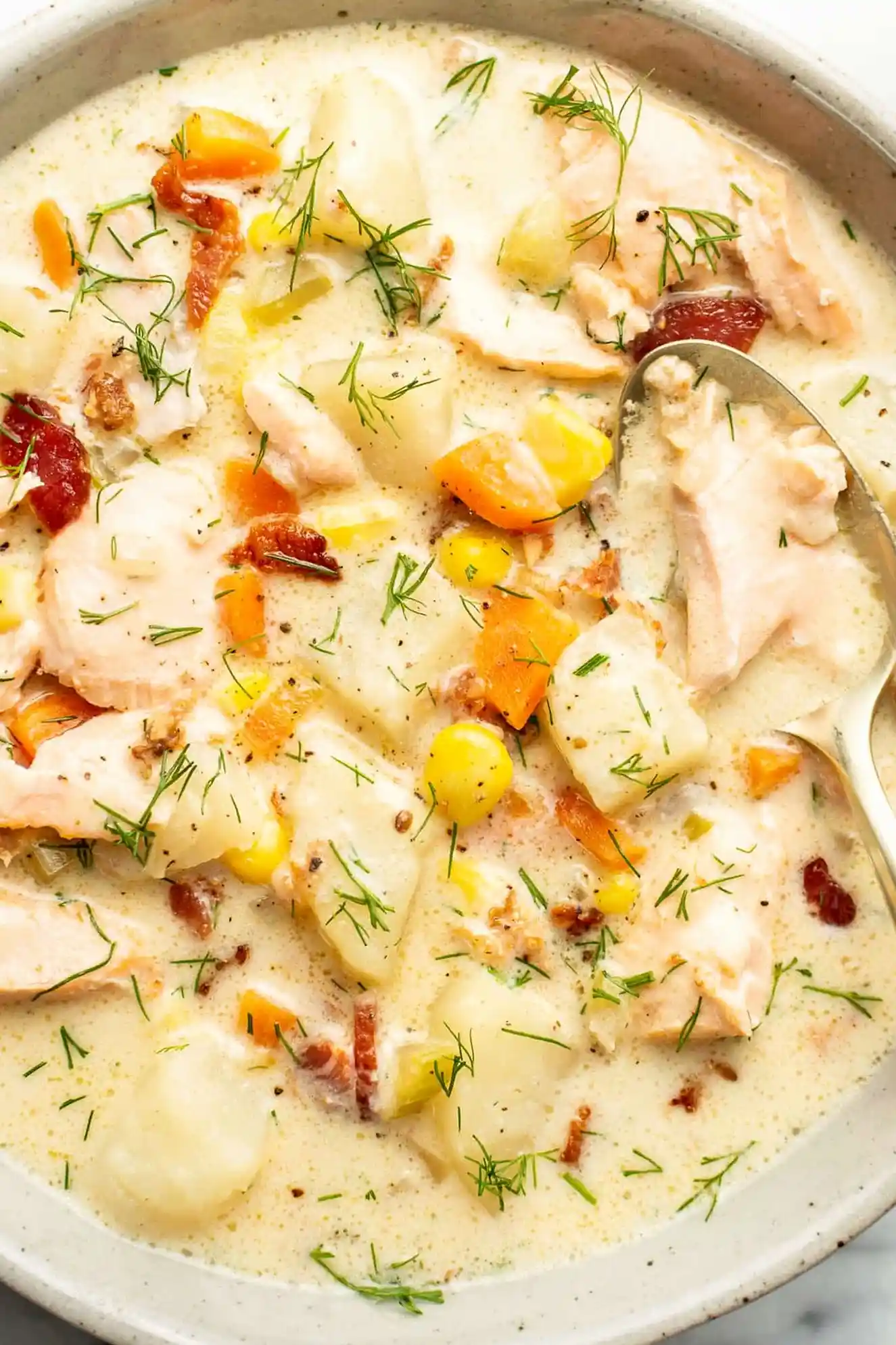
List of ingredients
- 4 strips smoked turkey bacon – cut into small pieces for smoky flavor
- 1/2 medium onion – chopped small
- 2 medium carrots – peeled and chopped small
- 2 sticks celery – chopped small
- 2 large Russet potatoes – peeled and diced into uniform cubes
- 1 pound fresh salmon – skin-on or skinless
- 1 large clove garlic – minced
- 2 tablespoons flour – used as a thickening agent
- 3 cups chicken broth or stock – for a savory base
- 1 cup clam juice – provides deep seafood notes
- 1 cup heavy/whipping cream – creates a silky texture
- 3/4 cup corn – fresh or frozen kernels
- 1 tablespoon chopped fresh dill – for a bright, herbal finish
- Salt and pepper – added to taste
step-by-step instructions
- Cook the bacon: Place smoked turkey bacon pieces in a large pot over medium-high heat. Fry until crispy, which typically takes about 10 minutes.
- Prep vegetables: While the bacon cooks, chop the onion, celery, carrots, and potatoes.
- Remove bacon: Transfer the cooked bacon to a plate lined with paper towels. Keep the rendered fat in the pot for sautéing.
- Sear the salmon: Add salmon fillets to the pot and cook for 2 minutes per side. Transfer them to a plate; they do not need to be fully cooked at this stage.
- Sauté aromatics: Leave about one tablespoon of fat in the pot and add the onion, carrots, and celery. Cook for 5 minutes until softened.
- Add garlic: Stir in the minced garlic and cook for 30 seconds until fragrant.
- Thicken with flour: Sprinkle in the flour and stir constantly for about one minute to cook out the raw flour taste.
- Deglaze the pot: Pour in the chicken broth and clam juice. Stir well to dissolve the flour and scrape up any browned bits from the bottom.
- Combine main ingredients: Stir in the heavy cream, diced potatoes, corn, and most of the cooked bacon. Bring to a boil over high heat, then immediately reduce to a rapid simmer.
- Simmer until tender: Cook uncovered for 15-20 minutes, stirring occasionally, until the potatoes are tender.
- Finish with salmon: Use a fork to flake the seared salmon into smaller pieces, removing the skin. Remove the pot from the heat and stir in the salmon and fresh dill.
- Final seasoning: Add salt and pepper to taste. Garnish each bowl with the reserved crispy bacon.
Professional Cooking Techniques
Selecting the Best Salmon
Choose a high-quality salmon fillet such as King or Sockeye for the best results. King salmon has a higher fat content, which prevents the fish from drying out during the final simmering stage. Ensure the fish is fresh and has a mild, clean scent.
Preparing the Russet Potatoes
Cut the potatoes into uniform half-inch cubes to ensure they cook at the same rate. Russet potatoes are ideal for chowder because their high starch content naturally thickens the broth as they simmer. This creates a creamier consistency without needing excessive flour.
Mastering the Roux Process
When adding flour to the sautéed vegetables, ensure you cook it for a full minute. This process creates a roux that binds the fat and liquid, preventing the soup from separating. Constant stirring prevents the flour from clumping or burning.
Controlling the Simmer
A rapid simmer is characterized by small bubbles breaking the surface gently. Avoid a rolling boil once the cream is added, as excessive heat can cause the dairy to break. This keeps the texture smooth and luscious.
Ingredient Substitutions
Replacing Clam Juice
If clam juice is unavailable, you can use an additional cup of high-quality fish stock. For a similar briny profile, you can use seafood stock mixed with a pinch of sea salt. Avoid using plain water as it will dilute the depth of the flavor.
Dairy-Free Cream Alternatives
For a dairy-free version, substitute heavy cream with full-fat canned coconut milk or cashew cream. Coconut milk adds a slight sweetness, while cashew cream provides a more neutral, savory profile. Ensure the alternative is well-stirred before adding it to the pot.
Using Dried Dill
If fresh dill is not available, you can use dried dill weed. Use a ratio of one teaspoon of dried dill for every tablespoon of fresh dill. Stir it in slightly earlier than the fresh dill to allow the dried leaves to rehydrate.
Alternative Thickening Agents
To make the chowder gluten-free, replace the all-purpose flour with a mixture of cornstarch and water. Slurry the cornstarch with a small amount of cold water before stirring it into the simmering liquid. Let the soup simmer for a few minutes to activate the thickening power.
Flavor Variations
Adding Citrus Brightness
Stir in one tablespoon of fresh lemon juice or a teaspoon of lemon zest right before serving. The acidity of the lemon cuts through the richness of the cream and salmon. This enhances the overall brightness of the dish.
Expanding the Vegetable Mix
Consider adding diced leeks or parsnips along with the carrots and celery. Leeks provide a milder, sweeter onion flavor that complements seafood perfectly. Parsnips add an earthy sweetness that pairs well with the corn.
Incorporating Additional Seafood
You can turn this into a deluxe seafood chowder by adding shrimp or bay scallops. Sauté the shrimp quickly in the pot before adding the vegetables. Add them back into the soup during the last three minutes of cooking to avoid overcooking.
Smoky Flavor Adjustments
If you prefer a deeper smoky taste, add a pinch of smoked paprika to the flour mixture. This complements the smoked turkey bacon and adds a subtle warmth to the broth. Be careful not to over-use it, as it can overpower the delicate salmon.
Serving and Pairing Ideas
Ideal Bread Accompaniments
Serve the chowder with warm, crusty sourdough bread or a toasted baguette. The acidity of sourdough balances the richness of the cream. Buttered dinner rolls are also a great option for soaking up the broth.
Refreshing Side Salads
A light spring mix salad with a lemon-tahini dressing provides a refreshing contrast. Alternatively, a simple arugula salad with a balsamic vinaigrette works well. The bitterness of the greens cleanses the palate between bites of the creamy soup.
Creative Garnish Options
Beyond the reserved bacon, garnish the bowls with fresh chives or chopped parsley. A dollop of sour cream or a sprinkle of paprika can add visual appeal. For extra texture, add a few whole corn kernels on top.
Storage and Reheating
Refrigeration Guidelines
Store leftover chowder in an airtight container in the refrigerator for up to three days. Keep the container sealed to prevent the soup from absorbing other fridge odors. Ensure the soup is cooled slightly before sealing the lid.
Freezing the Chowder
You can freeze this chowder, but be aware that the dairy may change texture upon thawing. To minimize this, thaw the soup slowly in the refrigerator overnight. Avoid freezing the soup if you used a low-fat milk substitute, as these are more likely to separate.
Best Reheating Methods
Reheat the soup slowly over low heat on the stovetop. Avoid using a microwave on high power, as this can cause the cream to curdle or the salmon to toughen. Stir in a splash of milk or broth if the soup has thickened too much in the fridge.
Troubleshooting Common Issues
Preventing Cream Curdling
Curdling usually happens when the soup is boiled too vigorously after the cream is added. Always reduce the heat to a simmer before introducing dairy. Using heavy cream instead of milk also provides more stability against heat.
Adjusting Soup Thickness
If the soup is too thin, simmer it uncovered for an extra ten minutes to reduce the liquid. If it is too thick, stir in a small amount of chicken broth or water. Gradually add liquid until you reach your desired consistency.
Handling Overcooked Salmon
If the salmon becomes too firm, it is likely because it was boiled for too long. To prevent this, always add the flaked salmon after removing the pot from the heat. The residual heat of the broth is sufficient to finish cooking the fish.
Balancing Salt Levels
Since clam juice and broth both contain sodium, taste the soup before adding extra salt. If the soup is too salty, add a bit more cream or a squeeze of lemon juice. These additions help neutralize the saltiness.
Frequently Asked Questions
Can I use frozen salmon for this recipe?
Yes, frozen salmon works well as long as it is fully thawed and patted dry before searing. Patting the fish dry ensures it browns properly in the pot rather than steaming. Avoid adding frozen chunks directly into the soup.
Is this recipe gluten-free?
The original recipe uses wheat flour for thickening, so it is not gluten-free. To make it gluten-free, substitute the flour with a cornstarch slurry or a gluten-free flour blend. The flavor remains virtually identical.
Can I use different types of potatoes?
While Russets are recommended for thickening, Yukon Gold potatoes also work well. Yukon Golds have a creamier texture and hold their shape better than Russets. You may need to simmer the soup slightly longer if using a waxy potato variety.
How do I remove the salmon skin efficiently?
Sear the salmon with the skin on to protect the flesh from direct heat. Once the fish is flaked with a fork after cooking, the skin will separate easily. Simply lift the skin away and discard it before adding the fish to the pot.
} Print
Creamy Salmon Chowder
- Total Time: 50 minutes
- Yield: 6 servings 1x
- Diet: General
Description
This creamy salmon chowder recipe is incredibly flavorful and easy to make with everyday ingredients! It’s loaded with crispy smoked turkey bacon, fresh dill, corn, and potatoes.
Ingredients
- 4 strips smoked turkey bacon (cut into small pieces)
- 1/2 medium onion (chopped small)
- 2 medium carrots (peeled & chopped small)
- 2 sticks celery (chopped small)
- 2 large Russet potatoes (peeled & diced)
- 1 pound fresh salmon
- 1 large clove garlic (minced)
- 2 tablespoons flour
- 3 cups chicken broth or stock
- 1 cup clam juice
- 1 cup heavy/whipping cream
- 3/4 cup corn (frozen or fresh)
- 1 tablespoon chopped fresh dill
- Salt & pepper (to taste)
Instructions
- Step: Prep your smoked turkey bacon and add it to a large pot over medium-high heat. Cook until crispy (about 10 minutes).
- Step: Meanwhile, prep your onion, celery, carrots, and potatoes.
- Step: Once the smoked turkey bacon is crispy, take it out of the pot and transfer it to a paper towel lined plate. Leave the fat in the pot.
- Step: Add the salmon to the pot and cook for 2 minutes/side and then transfer it to a plate.
- Step: Leave about 1 tablespoon of the fat in the pot, and then add the onion, carrots, and celery. Sauté for 5 minutes.
- Step: Stir in the garlic and cook for 30 seconds.
- Step: Add in the flour and cook for about a minute, stirring nearly constantly.
- Step: Add in the chicken broth and clam juice. Give it a good stir to ensure the flour has dissolved and the flavorful brown bits are scraped up from the bottom of the pot.
- Step: Add in the cream, potatoes, corn, and most of the smoked turkey bacon. Increase the heat to high and bring the soup to a boil. Once it’s boiling, reduce the heat to a rapid simmer.
- Step: Cook, uncovered, until the potatoes are tender (about 15-20 minutes). Stir occasionally.
- Step: Use a fork to break the salmon into smaller pieces. Take the soup off the heat. Add the salmon and dill to the soup.
- Step: Season the soup with salt & pepper as needed. Garnish with the rest of the smoked turkey bacon.
Notes
Serves 4-6 depending on portion size. Do not substitute the cream for milk or half-and-half as the boiling may curdle the soup.
- Prep Time: 10 minutes
- Cook Time: 40 minutes
- Category: Soup
- Method: Stovetop
- Cuisine: American
Nutrition
- Serving Size: 1 bowl
- Calories: 470 kcal
- Sugar: 5 g
- Sodium: 750 mg
- Fat: 26 g
- Saturated Fat: 12 g
- Unsaturated Fat: 14 g
- Trans Fat: 0 g
- Carbohydrates: 38 g
- Fiber: 3 g
- Protein: 22 g
- Cholesterol: 106 mg
Keywords: salmon chowder, creamy seafood soup, corn and potato chowder