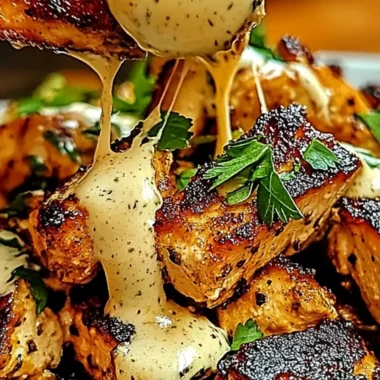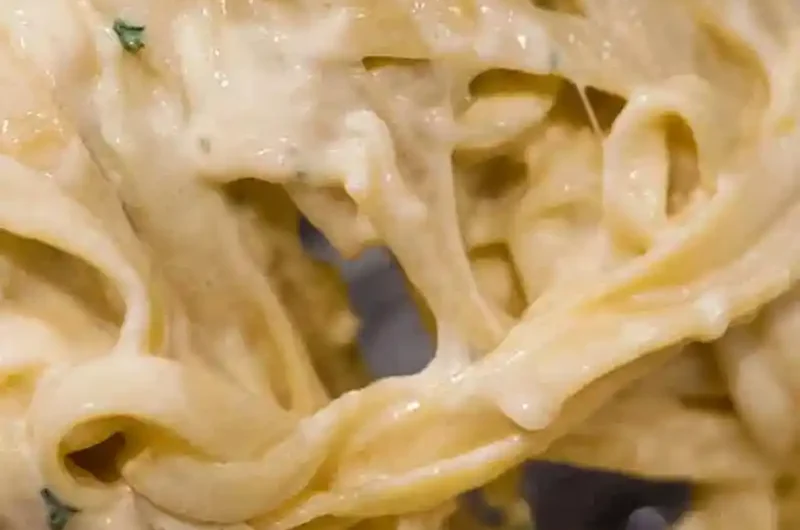
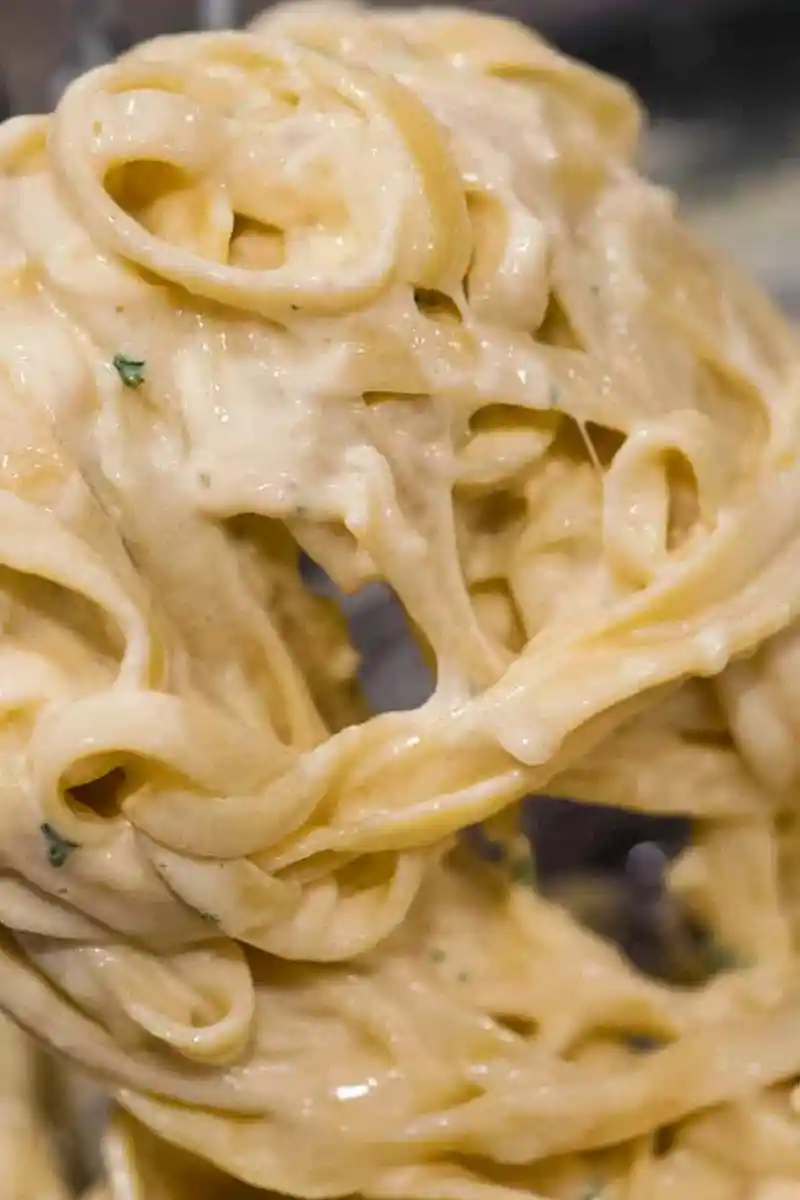
This recipe creates a rich and velvety garlic-parmesan sauce paired with tender fettuccine pasta. It is a quick, indulgent meal that works perfectly as a standalone dish or as a base for added proteins.
List of ingredients
- 1 pound fettuccine – use dried or homemade semolina pasta.
- 4 tablespoons butter – unsalted is recommended for better salt control.
- 4 cloves garlic, minced – ensures a deep aromatic flavor in the base.
- 1 1/2 cups heavy cream, divided – used in two stages to build the texture.
- 1 1/2 cups parmesan cheese, grated – finely grated for a smooth melt.
step-by-step instructions
- Boil the Pasta: Cook 1 pound of fettuccine in a large pot of salted water. Before the pasta is finished cooking, scoop out about one cup of the hot pasta water and set it aside to thin the sauce later if needed. Drain the pasta and set it aside.
- Infuse the Butter: While the pasta is boiling, place 4 tablespoons of butter and 4 minced garlic cloves in a sauté pan over low heat. Cook for about 5 minutes until the butter is fully infused with the garlic flavor.
- Simmer the Cream: Add 1 cup of heavy cream to the pan and stir. Bring the mixture to a simmer, increasing the heat to medium if necessary, and cook for 5 minutes while stirring occasionally.
- Incorporate the Cheese: Remove the pan from the heat. Immediately stir in 1 1/2 cups of grated parmesan cheese and the remaining 1/2 cup of heavy cream. Continue stirring for several minutes until the cheese melts; the sauce may look goopy at first but will eventually become creamy and smooth.
- Final Assembly: If the sauce is too thick, stir in a bit of the reserved pasta water or additional heavy cream. Toss the hot cooked pasta into the sauce and serve immediately.
Essential Sauce Preparation Tips
Grate Your Own Parmesan from a Block
Using a block of aged parmesan and a microplane allows the cheese to be shaved into very fine, snow-like pieces. This ensures the cheese melts instantly into the cream without clumping. Pre-shredded cheeses often contain cornstarch or other anti-caking agents that can make the sauce grainy.
Maintain Low Heat for Garlic Infusion
When heating the butter and garlic, keep the temperature low to avoid browning the garlic. Burnt garlic introduces a bitter taste that can overpower the delicate cream and cheese. Low and slow heating allows the fat in the butter to absorb the garlic aromatics properly.
Synchronize Pasta and Sauce Completion
Time your cooking so that the pasta is drained exactly when the sauce is finished. Adding hot pasta directly to the hot sauce helps the sauce cling to the noodles more effectively. If the pasta cools down too much, it will not absorb the sauce as well, leading to a watery consistency.
Utilize Starchy Pasta Water for Emulsification
The reserved pasta water contains starch that acts as a natural binder between the fat in the cream and the pasta. If your sauce separates or feels too thick, a small splash of this water helps recreate a smooth emulsion. Always reserve the water before draining the noodles.
Ingredient Substitutions
Alternative Pasta Shapes
While fettuccine is traditional, linguine is an excellent substitute due to its similar shape and surface area. For a heartier meal, use pappardelle, which are wider ribbons that can hold more of the heavy sauce. Even penne or rigatoni can work if you prefer a shape that captures sauce inside the pasta.
Substituting Heavy Cream with Half-and-Half
You can use half-and-half for a slightly lighter sauce, though it will be less thick and rich. Because half-and-half has a lower fat content, you may need to simmer it slightly longer or add a tiny bit of cornstarch slurry to achieve the same viscosity. Be careful not to boil it too vigorously as it can separate more easily than heavy cream.
Using Pecorino Romano Instead of Parmesan
Pecorino Romano is a salty, sharp alternative to parmesan that adds a more pungent flavor to the dish. Since Pecorino is saltier, reduce any additional salt you add to the pasta water. You can also use a 50/50 blend of both cheeses for a complex, balanced flavor profile.
Garlic Powder as a Fresh Garlic Alternative
If you do not have fresh garlic, you can use garlic powder during the butter-melting stage. Use approximately 1/2 teaspoon of powder for every clove of fresh garlic. Note that the flavor will be more uniform and less pungent than fresh minced cloves.
Protein and Vegetable Variations
Integrating Sautéed Chicken Breast
To add chicken, season breast fillets with salt, pepper, and paprika, then sauté them in a separate pan until fully cooked. Slice the chicken into strips and place them on top of the plated pasta. For a bolder flavor, use Cajun seasoning on the chicken before searing.
Adding Pan-Seared Shrimp
Sauté shrimp in butter and garlic until they turn pink and opaque, which usually takes about 2 minutes per side. Stir the shrimp into the sauce right before tossing in the pasta. This prevents the shrimp from overcooking and becoming rubbery.
Incorporating Steamed Broccoli Florets
Fresh broccoli adds color and a healthy contrast to the rich sauce. Add small broccoli florets to the boiling pasta water during the last 3 minutes of the pasta’s cooking time. Drain them along with the fettuccine and toss them directly into the alfredo sauce.
Adding Sautéed Mushrooms for Umami
Slice cremini or button mushrooms and sauté them in butter until they are browned and their moisture has evaporated. Stir these into the sauce after the cheese has melted. The earthy flavor of the mushrooms complements the saltiness of the parmesan perfectly.
Wilting Fresh Baby Spinach
Stir a few handfuls of fresh baby spinach into the hot sauce just before adding the pasta. The residual heat from the cream and cheese will wilt the spinach in about 60 seconds. This adds a fresh, peppery note and a vibrant green color to the dish.
Storage and Reheating Methods
Proper Refrigeration Guidelines
Store leftovers in an airtight container in the refrigerator for up to 3 to 5 days. The sauce will thicken significantly as it cools because the fats solidify. To prevent the pasta from absorbing all the sauce, you can store the sauce and pasta in separate containers.
Low-Power Microwave Reheating
Avoid reheating alfredo on full power, as this often causes the fat to separate and the sauce to become oily. Use the microwave on 30% to 50% power in 30-second intervals. Stir the pasta frequently between intervals to ensure even heating and a smooth texture.
Stovetop Reheating Technique
Place the leftover pasta in a skillet over very low heat. Add a tablespoon of milk or a splash of water to loosen the sauce as it warms up. Stir gently and constantly to avoid burning the bottom of the pan or breaking the emulsion.
Freezing Considerations
Freezing is generally not recommended for cream-based sauces like Alfredo. The emulsion often breaks during the freezing and thawing process, resulting in a grainy or separated texture. For the best quality, consume the dish within a few days of preparation.
Troubleshooting Common Issues
Fixing a Broken or Separated Sauce
If the sauce separates into oil and clumps, it is usually due to too much heat. Remove the pan from the heat immediately and whisk in a tablespoon of warm water or milk. Rapidly stirring while the sauce cools slightly can help bring the emulsion back together.
Adjusting Excess Saltiness
Since parmesan cheese is naturally salty, avoid salting the sauce itself. If the finished dish tastes too salty, you can add a small amount of unsalted heavy cream or a squeeze of fresh lemon juice. The acidity of the lemon helps cut through the salt and richness.
Preventing Grainy Cheese Texture
Graininess occurs when the cheese is added to a sauce that is boiling or too hot, causing the proteins to clump. Always remove the pan from the heat before stirring in the parmesan. The residual heat of the cream is sufficient to melt the cheese smoothly.
Managing Sauce Thickness
If the sauce is too thick after adding the pasta, do not add more cheese. Instead, gradually stir in the reserved pasta water one tablespoon at a time. This thins the sauce while maintaining the creamy consistency and enhancing the flavor.
Serving Suggestions
Fresh Herb Garnishes
Finely chopped fresh parsley is the traditional garnish for Fettuccine Alfredo, providing a pop of color and a fresh taste. Alternatively, thinly sliced basil leaves add a sweet, aromatic quality. Sprinkle the herbs over the dish just before serving to keep them bright.
Adding a Dash of Nutmeg
A tiny pinch of freshly grated nutmeg is a secret ingredient in many professional alfredo recipes. Nutmeg enhances the nuttiness of the parmesan and the creaminess of the butter. Use it sparingly, as too much can make the sauce taste like a dessert.
Ideal Side Dish Pairings
Serve this rich pasta with a crisp Caesar salad to balance the heaviness of the cream. Warm garlic bread or a toasted baguette is also a perfect accompaniment for soaking up any extra sauce left on the plate.
Plating for a Professional Look
Use a large carving fork or tongs to twirl the pasta into a tight nest in the center of the bowl. Pour a bit of extra sauce over the top of the nest and garnish with a final sprinkle of parmesan. This presentation elevates the dish from a simple home meal to a restaurant-style experience.
Frequently Asked Questions
Can I use milk instead of heavy cream?
Substituting milk for heavy cream will result in a much thinner sauce that lacks the characteristic richness. If you must use milk, you will need to create a roux with butter and flour first to thicken the liquid. However, the flavor and mouthfeel will be significantly different from a traditional Alfredo.
Why did my sauce turn into an oily mess?
This usually happens when the sauce is overheated, causing the butter and cream to separate. To prevent this, always remove the pan from the heat before adding the cheese and avoid boiling the sauce after the cheese has been incorporated.
Do I have to use fettuccine pasta?
No, you can use any long pasta like linguine or spaghetti. The choice of fettuccine is traditional because the wide, flat surface of the noodle is ideal for holding the heavy cream sauce. However, any pasta you enjoy will work well with this recipe.
How long does the sauce last in the fridge?
The sauce will stay fresh for 3 to 5 days when stored in an airtight container. Because it contains dairy, ensure it is refrigerated promptly after cooking. Be sure to reheat it gently to maintain the creamy consistency.
Print
Creamy Garlic Fettuccine Alfredo
- Total Time: 15 minutes
- Yield: 6 servings 1x
- Diet: Vegetarian
Description
Fettuccine Alfredo, made with a rich, creamy, garlic-infused parmesan sauce and tender homemade pasta, is comfort food at its finest!
Ingredients
- 1 pound fettuccine
- 4 tablespoons butter
- 4 cloves garlic (minced)
- 1 1/2 cups heavy cream (divided)
- 1 1/2 cups microbial-rennet parmesan cheese (grated)
Instructions
- Step: Cook 1 pound fettuccine in large pot of salted water. Before pasta is done cooking, scoop out about a cup of hot pasta water and set aside to use for thinning the sauce later, if needed. Drain and set aside.
- Step: While the pasta is cooking, add 4 tablespoons butter and 4 cloves garlic to a sauté pan and heat over low heat. Allow to cook until the butter is infused with the garlic, about 5 minutes.
- Step: Add 1 cup of heavy cream, stir, and allow to come to a simmer. Increase heat to medium, if needed. Cook for 5 minutes, stirring occasionally.
- Step: Remove from heat and immediately add in 1 1/2 cups parmesan cheese and 1/2 cup heavy cream. Stir to combine. If sauce needs to be thinned, add additional heavy cream or a bit of the reserved pasta water.
- Step: To serve, toss hot cooked pasta in sauce and serve immediately.
Notes
Time the recipe so the sauce is finished when the pasta is done. Use finely grated parmesan for smoother melting. If using homemade pasta, it only takes 2-3 minutes to cook.
- Prep Time: 5 minutes
- Cook Time: 10 minutes
- Category: Main Course
- Method: Stovetop
- Cuisine: Italian
Nutrition
- Serving Size: 1 serving
- Calories: 663 kcal
- Sugar: 1 g
- Sodium: 505 mg
- Fat: 39 g
- Saturated Fat: 23 g
- Unsaturated Fat: 16 g
- Trans Fat: 0 g
- Carbohydrates: 57 g
- Fiber: 2 g
- Protein: 21 g
- Cholesterol: 182 mg
Keywords: Fettuccine Alfredo, Italian, creamy pasta, parmesan sauce, comfort food