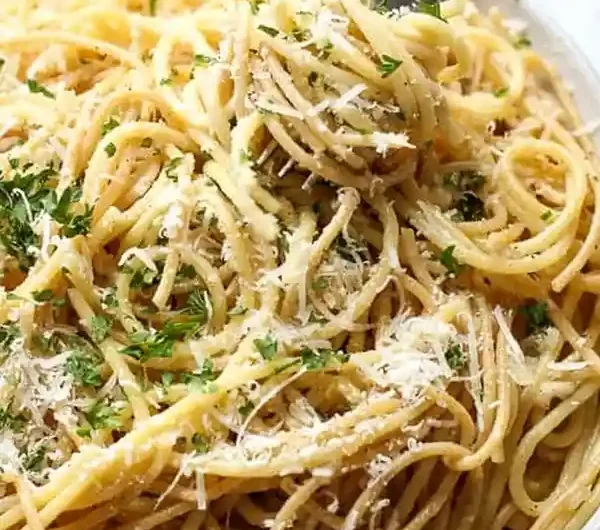
This lemon garlic parmesan pasta is a quick and versatile dish suitable for a main course or a side. It combines bright citrus, savory garlic, and rich cheese for a fast meal with minimal cleanup.
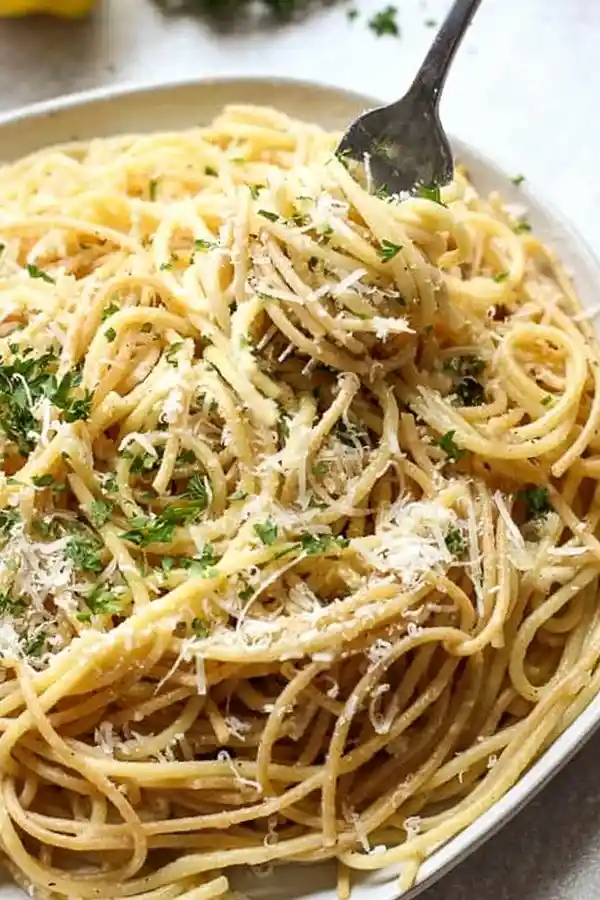
List of ingredients
- 16 oz whole wheat spaghetti (regular or a mix also works) – provide a nutty base.
- 6 tbsp salted butter – creates a rich emulsion for the sauce.
- 7-10 cloves fresh garlic – minced finely for maximum flavor.
- 1/2 cup freshly squeezed lemon juice (about 2-3 large lemons) – provides acidity.
- 1 1/2 tsp salt – enhances all flavors.
- 1/2 tsp black pepper – adds a slight spicy heat.
- 1/4 cup pasta water (reserved from boiling) – helps the sauce cling to the noodles.
- 1 cup freshly grated parmesan cheese – adds saltiness and thickness.
- 1-2 tbsp chopped fresh parsley – adds a fresh finish.
step-by-step instructions
- Boil Pasta: Bring a large pot of water to a boil. Add the spaghetti and cook according to the package directions, ensuring you do not overcook the noodles. Reserve at least 1/4 cup of the starchy pasta water before draining.
- Prepare Pasta: Drain the pasta. If the dish will not be served immediately, rinse the noodles with cold water and toss them with a small amount of olive oil to prevent sticking.
- Prep Ingredients: While the pasta cooks, chop the garlic and parsley, grate the parmesan cheese, and squeeze the fresh lemon juice.
- Cook Sauce: Melt the salted butter in a large skillet. Add the minced garlic and sauté until fragrant, being careful not to brown or burn the garlic. Stir in the lemon juice, salt, black pepper, and 1/4 cup of reserved pasta water. Bring the mixture to a boil and then immediately remove the skillet from the heat.
- Handle Blue Garlic: If the garlic pieces turn blue due to the reaction with lemon juice, you may use a strainer to remove them, though they are safe to eat.
- Combine and Serve: Toss the cooked pasta into the skillet with the sauce and the grated parmesan cheese. If the sauce is too thick, add another 1 or 2 tablespoons of pasta water. Garnish the dish with extra parmesan cheese and chopped parsley.
Pasta Selection and Texture
Whole Wheat Spaghetti Benefits
Using whole wheat spaghetti increases the fiber content and provides a nuttier flavor profile. This hearty texture stands up well to the acidity of the lemon and the richness of the butter.
Standard White Semolina Pasta
Traditional white pasta offers a smoother texture and a more neutral taste. This allows the garlic and lemon flavors to be more prominent and creates a silkier sauce emulsion.
Gluten-Free Pasta Alternatives
Brown rice or chickpea pasta can be used as a substitute. Be cautious with cooking times, as gluten-free varieties often have a narrower window between undercooked and mushy textures.
Cheese Quality and Selection
Using Freshly Grated Parmesan Blocks
Buying a block of parmesan and grating it yourself is the most effective way to ensure a smooth sauce. Fresh cheese melts more evenly because it lacks the anti-clumping agents found in pre-shredded options.
Refrigerated Shredded Parmesan
Refrigerated shreds are a secondary option if a block is unavailable. These generally have fewer additives than shelf-stable versions, though they may still contain some cellulose to prevent clumping.
Avoiding Shelf-Stable Pre-Grated Cheese
Non-refrigerated canned parmesan often contains cornstarch or other fillers. These additives prevent the cheese from melting into the sauce, resulting in a grainy texture and less flavor depth.
Protein Pairing Suggestions
Grilled Chicken Breast
Slices of grilled chicken breast add lean protein and complement the lemon garlic flavor. Season the chicken with salt and pepper before grilling to maintain a clean taste profile.
Beef Meatballs
Baked beef meatballs provide a hearty contrast to the light citrus sauce. Ensure the meatballs are fully cooked and browned before tossing them with the pasta or serving them on the side.
Sautéed Garlic Shrimp
Shrimp pairs naturally with lemon and garlic. Sauté the shrimp in a separate pan with olive oil and garlic, then place them atop the finished pasta for an elegant presentation.
Crispy Baked Tofu
For a plant-based protein, use extra-firm tofu pressed and baked until crispy. Season the tofu with nutritional yeast or a pinch of salt to mirror the savory notes of the parmesan.
Adding Nutrient-Dense Vegetables
Fresh Baby Spinach
Stir in two cups of fresh baby spinach during the final tossing stage. The residual heat from the pasta will wilt the spinach quickly without overcooking it.
Steamed Broccoli Florets
Blanch or steam broccoli florets separately and fold them into the pasta at the end. Broccoli absorbs the lemon garlic sauce well, adding crunch and vitamins to the meal.
Sautéed Zucchini Ribbons
Use a vegetable peeler to create zucchini ribbons and sauté them briefly in butter. Mix these into the spaghetti to increase the volume of the dish with low-calorie vegetables.
Sweet Frozen Peas
Adding frozen peas during the last minute of pasta boiling is an efficient way to add color and protein. The sweetness of the peas balances the acidity of the lemon juice.
Storage and Preservation
Refrigeration Methods
Store leftovers in an airtight container in the refrigerator for up to five days. Keep the pasta separate from any added proteins if you plan to store them for the full duration.
Preventing Pasta from Drying Out
Pasta absorbs sauce as it sits in the fridge, which can make the dish dry. To prevent this, drizzle a teaspoon of olive oil over the pasta before sealing the container.
Best Reheating Techniques
Reheat the pasta in a skillet over medium heat with a splash of water or vegetable broth. This restores the moisture and helps the parmesan sauce re-emulsify into a creamy consistency.
Microwave Reheating Tips
If using a microwave, cover the dish with a damp paper towel. Heat in 30-second intervals, stirring in between, to ensure the heat is distributed evenly without overcooking the noodles.
Common Troubleshooting Guide
Why Garlic Turns Blue
Garlic contains amino acids that react with the citric acid in lemon juice, sometimes creating a blue or green pigment. This is a natural chemical reaction and does not affect the safety or flavor of the food.
Fixing a Sauce That Is Too Thick
If the sauce becomes too clumpy or dry, gradually stir in additional reserved pasta water. The starch in the water helps stabilize the emulsion between the butter and the lemon juice.
Adjusting Overly Salty Flavors
If the dish is too salty due to the parmesan and salted butter, add a squeeze of extra lemon juice. The acidity helps neutralize the perception of salt on the palate.
Preventing Garlic from Burning
Keep the heat at medium or medium-low when sautéing garlic. If the garlic turns brown, it becomes bitter and can ruin the delicate flavor of the lemon sauce.
Flavor Variations and Customizations
Adding Heat with Red Pepper Flakes
For a spicy kick, add a pinch of crushed red pepper flakes to the butter while sautéing the garlic. This creates a subtle heat that cuts through the richness of the cheese.
Substituting Lemon with Other Citrus
Fresh lime juice can be used for a different zest, though it changes the flavor profile toward a more tropical note. Half a lime usually provides enough acidity to replace a lemon.
Replacing Butter with Olive Oil
To make the dish lighter, substitute the salted butter with extra virgin olive oil. This results in a cleaner, more Mediterranean-style sauce, though it will be less creamy.
Enhancing with Fresh Herbs
While parsley is standard, fresh basil or chives can be added at the end. Basil adds a peppery sweetness, while chives provide a mild onion flavor that complements the garlic.
Frequently Asked Questions
Can I use a different pasta shape?
Yes, fettuccine, linguine, or penne work well. Wider noodles like fettuccine provide more surface area for the sauce to cling to, while penne captures sauce inside the tubes.
Is this dish suitable for meal prep?
Yes, it lasts up to five days in the refrigerator. However, the texture is best when consumed fresh or reheated with a small amount of added liquid.
How do I keep the sauce emulsified?
The key is using the reserved pasta water and removing the sauce from the heat before adding the cheese. This prevents the cheese from separating and becoming oily.
Can I use bottled lemon juice?
Bottled juice can be used, but it often has a more bitter, metallic taste than fresh lemons. Freshly squeezed juice provides the bright, clean acidity required for this recipe.
Print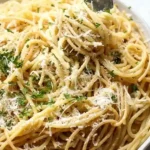
Lemon Garlic Parmesan Pasta Guide
- Total Time: 20 minutes
- Yield: 6 servings 1x
- Diet: General
Description
Spaghetti tossed in lemon juice, garlic, butter and lots of shredded parmesan cheese. Super simple and flavorful pasta side or main dish!
Ingredients
- 16 oz whole wheat spaghetti (or regular, or mixed)
- 6 tbsp salted butter
- 7–10 cloves fresh garlic
- 1/2 cup freshly squeeze lemon juice (2–3 large lemons)
- 1 1/2 tsp salt
- 1/2 tsp black pepper
- 1/4 cup pasta water (from boiling the pasta)
- 1 cup freshly grated parmesan cheese
- 1–2 tbsp chopped fresh parsley
Instructions
- Step: In a large pot, bring water to boil. Once water boils, add spaghetti and cook according to package instructions. Do not overcook. Reserve pasta water for later (be sure to reserve more than 1/4 cup in case you need more).
- Step: Drain pasta water. If pasta will be sitting for a while, rinse it with cold water and toss in olive oil to prevent it from sticking and getting overcooked.
- Step: While pasta is cooking, prep the rest of the ingredients. Chop garlic and parsley, grate parmesan cheese, and squeeze lemon juice.
- Step: In a large skillet, melt butter and cook chopped garlic until fragrant but do not brown or burn garlic. Add lemon juice, salt, black pepper and 1/4 cup pasta water to skillet. Bring to a boil and remove from heat.
- Step: Optional: If garlic turns blue (it’s normal because of its reaction with lemon juice), using a strainer to remove garlic.
- Step: Toss pasta in sauce and 1 cup of parmesan cheese. Add additional 1 or 2 tbsp pasta water if needed, but note that this is not a wet pasta dish. Garnish with more parmesan cheese and parsley.
- Step: Serve and enjoy!
Notes
For the best quality, use a block of parmesan cheese and grate it yourself. If the garlic turns blue, it is a natural reaction with the lemon juice and is safe to eat, though it can be strained out if preferred.
- Prep Time: 5 minutes
- Cook Time: 15 minutes
- Category: Side Dish
- Method: Stovetop
- Cuisine: American, Italian
Nutrition
- Serving Size: 1 serving
- Calories: 439 kcal
- Sugar: 1 g
- Sodium: 956 mg
- Fat: 17 g
- Saturated Fat: 10 g
- Unsaturated Fat: 6 g
- Trans Fat: 1 g
- Carbohydrates: 60 g
- Fiber: 1 g
- Protein: 17 g
- Cholesterol: 41 mg
Keywords: lemon garlic parmesan pasta, easy pasta, spaghetti, side dish, Italian-American