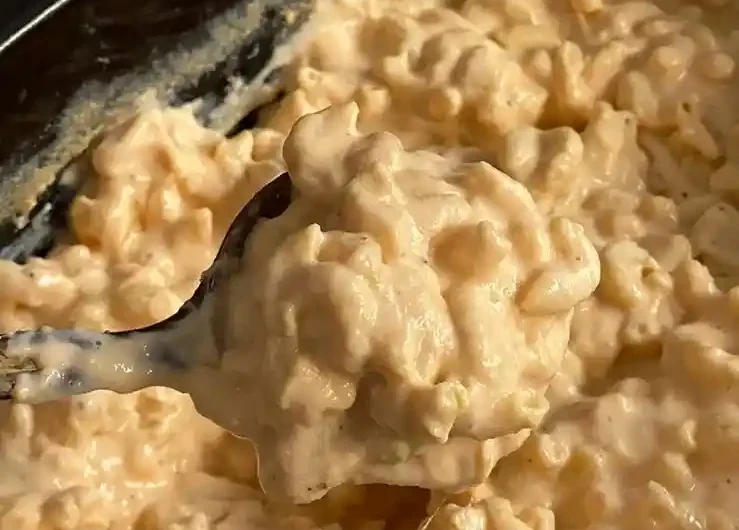
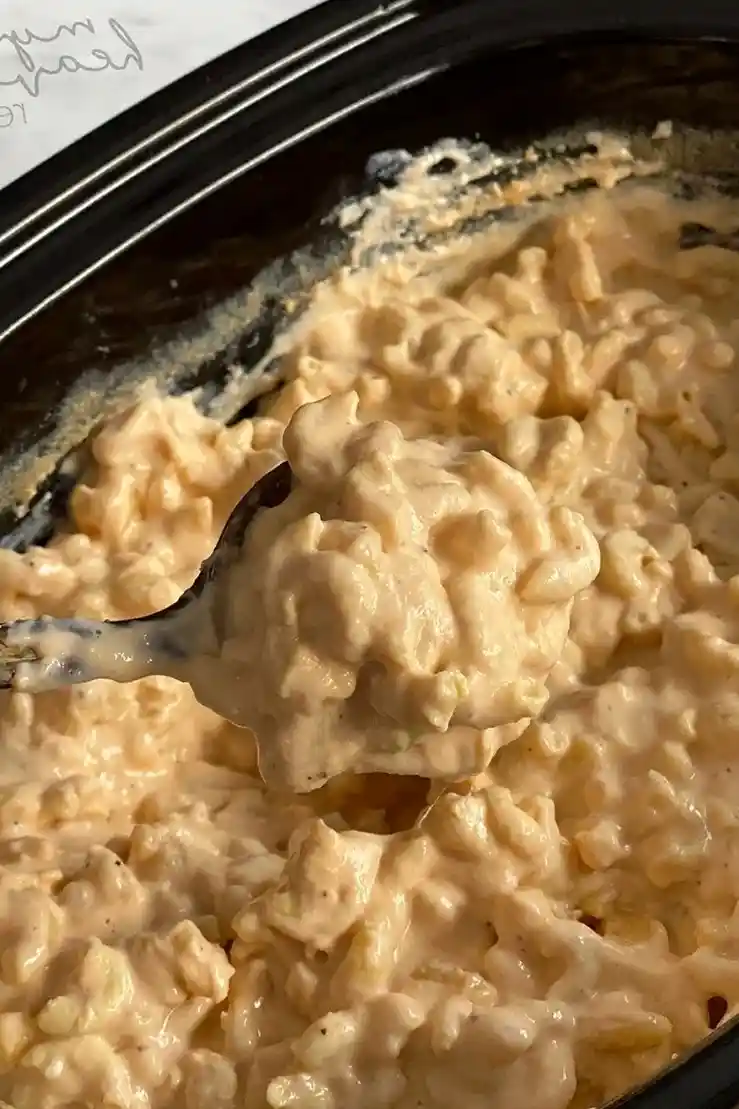
This slow cooker method creates a rich and creamy macaroni and cheese without requiring constant stovetop attention. It is a practical solution for preparing a large batch of comfort food using a single pot.
List of ingredients
- 1 pound elbow macaroni – uncooked.
- 2 12 ounce cans evaporated milk – for a concentrated creamy base.
- 2 cups whole milk – provides additional liquid and richness.
- 1/4 cup (1/2 stick) butter – adds flavor and smoothness.
- 8 ounces sharp cheddar cheese – shredded for bold flavor.
- 8 ounces Monterey Jack cheese – shredded for superior melting.
- 4 ounces cream cheese – cubed to ensure quick integration.
- 1 teaspoon seasoned salt – for balanced savory flavor.
- 1 teaspoon pepper – to add a mild spice.
step-by-step instructions
- Combine Ingredients: In a 6-quart slow cooker, add the uncooked elbow macaroni, evaporated milk, whole milk, butter, shredded cheddar, shredded Monterey Jack, cubed cream cheese, seasoned salt, and pepper.
- Mix Thoroughly: Stir the mixture well to ensure that the macaroni is as submerged as possible in the liquid to prevent uneven cooking.
- Slow Cook: Cover the pot and cook on low heat for approximately 1.5 to 3 hours. Stir the mixture every 30 minutes to distribute the cheese and prevent pasta from sticking.
- Final Set: Once the pasta is cooked through and the sauce has thickened, remove the lid. Allow the dish to sit for a few minutes, as the sauce will continue to thicken as it cools slightly.
Cheese Selection and Preparation
Grating Your Own Cheese for Better Melt
Freshly grated cheese is highly recommended over pre-shredded varieties. Pre-shredded cheese is coated in cornstarch or cellulose to prevent clumping in the bag, which can result in a gritty texture in the slow cooker.
Using Sharp Cheddar for Flavor Depth
Sharp cheddar provides a strong, tangy contrast to the richness of the cream and butter. The higher the age of the cheddar, the more prominent the flavor will be in the final dish.
The Role of Monterey Jack in Texture
Monterley Jack is a semi-hard cheese known for its excellent melting properties. Combining it with cheddar ensures that the sauce remains smooth and stretchy rather than separating.
Integrating Cream Cheese for Stability
Cubed cream cheese acts as a stabilizer and thickener for the sauce. It adds a velvety consistency and prevents the other cheeses from breaking or becoming oily during the slow cooking process.
Dairy and Liquid Optimization
The Importance of Evaporated Milk
Evaporated milk has a higher concentration of solids than regular milk. This creates a thicker, more stable sauce that can withstand the long cooking time of a slow cooker without curdling.
Substituting Whole Milk Varieties
While whole milk provides the best creaminess, 2% milk can be used as a lighter alternative. However, reducing the fat content may slightly decrease the overall thickness of the cheese sauce.
Using Plant-Based Milk Alternatives
Unsweetened soy or almond milk can be used for those avoiding dairy. When substituting, ensure the milk is unsweetened to avoid altering the savory flavor profile of the macaroni.
Managing Butter for Sauce Gloss
Butter contributes a glossy finish and a rich mouthfeel to the cheese sauce. It helps emulsify the fats from the various cheeses, ensuring a cohesive texture throughout the pot.
Pasta Varieties and Characteristics
Classic Elbow Macaroni Performance
Elbow macaroni is the standard choice because its shape allows it to be evenly coated in sauce. The curvature also helps it maintain its structure during the slow cooking process.
Substituting Cavatappi for Texture
Cavatappi or corkscrew pasta offers more surface area and structural integrity. These shapes are less likely to become mushy if the cooking time extends slightly beyond the minimum.
Using Large Shells for Sauce Capture
Large shells act as small bowls that trap the cheese sauce inside each piece of pasta. This results in a higher ratio of sauce per bite compared to traditional elbow noodles.
Avoiding Overcooking Pasta
Pasta in a slow cooker can quickly transition from al dente to gummy. Checking the tenderness every 30 minutes ensures the pasta is removed from the heat at the peak of its texture.
Cooking Temperature and Timing Logic
Why Low Heat is Mandatory
Cooking this recipe on the high setting can cause the milk to scald and the cheese to separate. Low heat ensures a gentle simmer that cooks the pasta evenly without breaking the emulsion.
The Impact of Regular Stirring
Stirring every 30 minutes prevents the pasta from clumping together at the bottom. It also ensures that the cubed cream cheese and butter are fully incorporated into the sauce.
Determining the Doneness Point
The pasta is ready when it is tender but still has a slight bite in the center. Because of carry-over cooking, the pasta will continue to soften after being removed from the slow cooker.
Allowing the Sauce to Set
Removing the lid and letting the macaroni sit for 5 to 10 minutes is crucial. The sauce thickens as the temperature drops slightly, creating a more traditional mac and cheese consistency.
Flavor Enhancements and Add-ins
Adding Smoked Paprika for Depth
A half teaspoon of smoked paprika adds a subtle woodsy flavor and a rich golden color. This balances the heavy dairy notes with a hint of earthiness.
Incorporating Garlic Powder for Savory Notes
Garlic powder integrates easily into the liquid base and enhances the savory profile of the cheddar. It provides a consistent flavor throughout the dish without the texture of fresh garlic.
Using Dry Mustard for Tanginess
A small amount of dry mustard powder cuts through the richness of the butter and cream. This acidity brightens the overall taste and prevents the dish from feeling too heavy.
Adding Fresh Parsley for Contrast
Chopped fresh parsley added at the end provides a visual contrast and a fresh herbal note. It helps cleanse the palate between bites of the rich cheese sauce.
Incorporating Cayenne for a Spicy Kick
A pinch of cayenne pepper adds heat without overpowering the cheese. This is an effective way to add complexity to the flavor profile for those who prefer a spicy dish.
Serving Suggestions and Pairings
Pairing with Roasted Vegetables
Roasted broccoli or Brussels sprouts provide a bitter and charred contrast to the creamy pasta. The nutrients in the vegetables balance the calorie-dense nature of the cheese sauce.
Serving with Lean Protein
Grilled chicken breasts or baked salmon fillets complement the richness of the macaroni. These proteins provide a lean balance to the meal while keeping it filling.
Adding a Crispy Breadcrumb Topping
For added texture, transfer the finished mac and cheese to a baking dish, top with Panko breadcrumbs and butter, and broil for 2-3 minutes. This creates a textural contrast between the crunchy top and creamy interior.
Using a Fresh Green Salad
A side salad with a light vinaigrette helps cut through the fat of the cheese and cream. Use mixed greens, cucumber, and a lemon-based dressing for the best balance.
Storage and Preservation Methods
Refrigerating Leftovers Safely
Store leftover macaroni and cheese in an airtight container in the refrigerator for up to four days. Ensure the dish is cooled slightly before sealing to prevent excessive condensation.
Freezing Techniques for Long Term Storage
While cream-based sauces can separate when frozen, this recipe can be stored in the freezer for up to two months. Freeze in individual portions to make reheating more efficient.
Preventing Sauce Separation During Storage
The inclusion of cream cheese helps stabilize the sauce during storage. However, some liquid separation is normal when the dish is chilled.
Using Freezer-Safe Containers
Use heavy-duty freezer bags or plastic containers with airtight seals. This prevents freezer burn from affecting the taste and texture of the cheese.
Reheating Techniques
Microwave Reheating for Speed
Heat portions in the microwave in 30-second intervals, stirring in between. Adding a splash of milk before heating helps restore the original creamy consistency.
Oven Reheating for Quality
Place leftovers in an oven-safe dish and cover with foil to retain moisture. Heat at 325 degrees Fahrenheit until the center is hot, which prevents the edges from drying out.
Stovetop Reheating for Control
Place the macaroni in a saucepan over low heat with a small amount of milk. Stir constantly to avoid burning the cheese while the sauce returns to a fluid state.
Troubleshooting Common Issues
Fixing a Sauce That Is Too Thick
If the sauce becomes too dense after sitting, stir in two to four tablespoons of warm whole milk. This will loosen the emulsion and restore the creaminess.
Correcting a Sauce That Is Too Thin
If the sauce is too runny, allow it to sit uncovered for another 10 minutes. If it remains thin, stir in an additional handful of shredded cheddar while the pot is still hot.
Addressing Gummy Pasta Texture
Gummy pasta is usually caused by cooking on high heat or overcooking. To prevent this in the future, strictly adhere to the low heat setting and check the pasta every 30 minutes.
Handling Cheese Separation
If the oil separates from the cheese, it is often due to overheating. Rapidly stirring in a tablespoon of milk or cream can help re-emulsify the sauce.
Frequently Asked Questions
Can I use a smaller slow cooker?
A 6-quart slow cooker is recommended for this volume of ingredients. If using a smaller unit, reduce all ingredients proportionally to ensure there is enough room for stirring and to prevent overflow.
Is pre-shredded cheese acceptable?
While it can be used, it is not recommended because the anti-caking agents can prevent the cheese from melting smoothly, leading to a grainy texture.
Can I add vegetables directly to the slow cooker?
Yes, frozen peas or small broccoli florets can be added during the last 30 minutes of cooking. This ensures the vegetables are cooked through without becoming mushy.
Can I use a different type of pasta?
Yes, any short-cut pasta like penne, rotini, or shells will work. Be aware that different shapes may have slightly different cooking times in a slow cooker.
Print
Creamy Slow Cooker Macaroni and Cheese
- Total Time: 3 hours 10 minutes
- Yield: 8 servings 1x
- Diet: General
Description
A dreamy and creamy slow cooker macaroni and cheese that is easy to prepare using a simple dump-and-go method.
Ingredients
- 1 pound elbow macaroni
- 2 12 ounce cans evaporated milk
- 2 cups whole milk
- 1/4 cup butter
- 8 ounces sharp cheddar cheese, shredded
- 8 ounces Monterey Jack cheese, shredded
- 4 ounces cream cheese, cubed
- 1 teaspoon seasoned salt
- 1 teaspoon pepper
Instructions
- Combine: In a 6-quart slow cooker, combine the uncooked pasta along with milks, butter, cheeses, salt and pepper.
- Stir: Stir well, making sure macaroni is submerged in the liquid as much as possible.
- Cook: Cover and cook on low heat for approximately 1 ½ – 3 hours, stirring every 30 minutes, until the pasta is cooked through and the sauce is thickened.
- Set: Allow the sauce to continue to thicken after the lid is removed and as the macaroni sits.
Notes
For best results, grate your own cheese; pre-shredded cheese contains anti-caking agents that can make the sauce gritty. Cook on low heat to prevent the pasta from becoming gummy.
- Prep Time: 10 minutes
- Cook Time: 3 hours
- Category: Main Course
- Method: Slow Cooking
- Cuisine: American
Nutrition
- Serving Size: 1 serving
- Calories: 680 kcal
- Sugar: 14 g
- Sodium: 980 mg
- Fat: 38 g
- Saturated Fat: 22 g
- Unsaturated Fat: 16 g
- Trans Fat: 0 g
- Carbohydrates: 48 g
- Fiber: 3 g
- Protein: 32 g
- Cholesterol: 115 mg
Keywords: crockpot mac and cheese, slow cooker macaroni and cheese, creamy pasta, comfort food, easy dinner