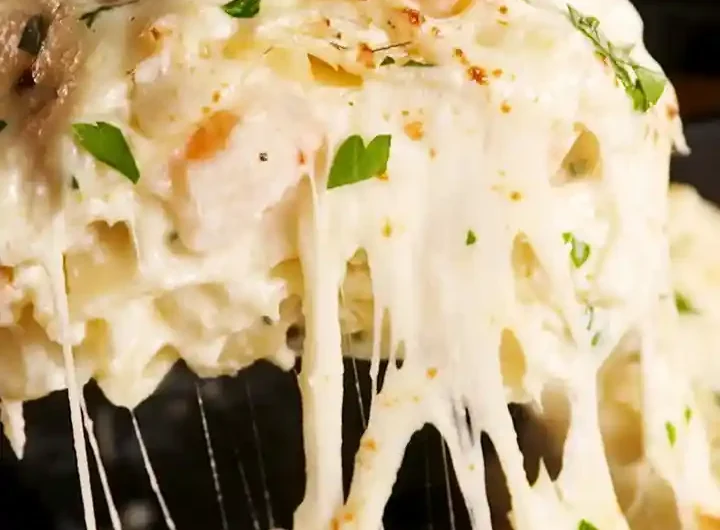
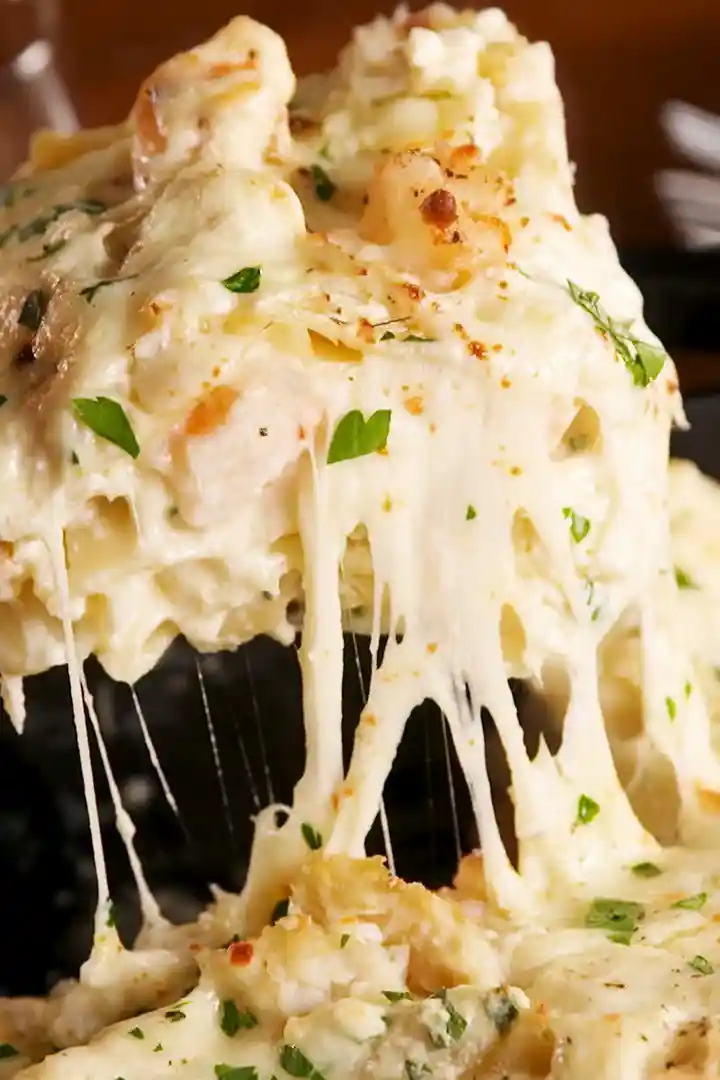
This rich seafood lasagna layers tender shrimp, lump crab, and a creamy white sauce with three types of cheese. It is a sophisticated alternative to traditional red-sauce lasagna, ideal for special occasions. Follow these steps to achieve a bubbly, golden finish.
List of ingredients
- Cooking spray – used for prepping the baking sheet.
- 1 lb. lasagna noodles – standard dried sheets.
- Kosher salt – for seasoning and boiling water.
- 2 tbsp. extra-virgin olive oil – for searing the shrimp.
- 1 lb. shrimp, peeled and deveined, tails removed – cut into bite-size pieces after cooking.
- Freshly ground black pepper – for seasoning seafood and sauce.
- 1/2 lemon, juiced – adds brightness to the seafood.
- 3 cloves garlic, minced – used in the white sauce base.
- 1 tsp. chopped thyme leaves – provides an earthy aroma.
- 4 tbsp. butter – used to create the roux.
- 1/4 c. all purpose flour – thickening agent for the sauce.
- 2 1/2 c. half-and-half (or whole milk) – the creamy base of the sauce.
- 1/2 c. clam juice – enhances the seafood flavor profile.
- 3/4 c. freshly grated Parmesan, divided – adds saltiness and depth.
- 2 tbsp. freshly chopped parsley, plus more for garnish – for freshness.
- 1 (16-oz.) container ricotta – the creamy cheese layer.
- 1 egg – binds the ricotta mixture.
- 2 (8-oz.) packages lump crab meat – high-quality lump crab for texture.
- 1 1/2 c. shredded mozzarella – for the melted top layer.
step-by-step instructions
- Prepare the Noodles: Preheat your oven to 350°F. Boil a large pot of salted water and cook the lasagna noodles according to the package directions. Once cooked, arrange the noodles flat on a greased baking sheet, using parchment paper to separate the layers so they do not stick.
- Cook the Shrimp: Heat olive oil in a large skillet over medium-high heat. Season the shrimp with salt and pepper, then add them to the pan. Cook for about 2 minutes per side until they are pink and opaque. Remove the shrimp from the skillet and chop them into bite-sized pieces.
- Create the Cream Sauce: Lower the skillet heat to medium and melt the butter. Add minced garlic and thyme, cooking for about 30 seconds until fragrant. Stir in the flour and cook for 1 minute, then slowly whisk in the half-and-half and clam juice. Bring the mixture to a simmer, stirring occasionally, for about 4 minutes until it is thick enough to coat the back of a spoon. Stir in 1/2 cup of Parmesan and season with salt and pepper.
- Mix the Ricotta Filling: In a medium mixing bowl, combine the ricotta cheese, egg, the remaining 1/4 cup of Parmesan, and chopped parsley. Season the mixture with salt and pepper to taste.
- Assemble the Layers: Spread a thin layer of the white sauce on the bottom of a large baking dish. Place a layer of overlapping noodles on top. Spread a portion of the ricotta mixture over the noodles, then add a layer of chopped shrimp and lump crab. Cover with more sauce and sprinkle with a layer of mozzarella. Repeat this process for three layers total, finishing with a top layer of mozzarella.
- Bake the Lasagna: Cover the dish loosely with foil (tented) and bake for 30 minutes. Remove the foil and continue baking for another 15 minutes until the cheese is golden brown and bubbling.
- Final Touch: Garnish the top with additional fresh parsley. Let the lasagna cool for 15 minutes before slicing to allow the layers to set.
Professional Seafood Handling Tips
Prevent Overcooking the Shrimp
Shrimp cook very quickly and can become rubbery if left in the pan too long. Remove them from the heat the moment they turn opaque and pink. Let them rest for a few minutes before chopping to keep them tender.
Drain Lump Crab Thoroughly
Excess moisture in lump crab can make the lasagna watery. Gently pat the crab meat with paper towels before adding it to the layers. Avoid over-mixing the crab to keep the large, desirable lumps intact.
Searing for Depth of Flavor
Ensure the oil is shimmering before adding the shrimp to get a proper sear. This creates a light golden crust that adds a savory dimension to the dish. Do not crowd the pan, or the shrimp will steam instead of sear.
Freshness Checks for Seafood
Always use seafood that smells like the ocean and not fishy. If the crab meat has a strong ammonia scent, it should not be used. High-quality lump crab provides the best texture and sweetness.
Using Fresh vs. Frozen Shrimp
If using frozen shrimp, thaw them completely in the refrigerator overnight. Pat them dry before seasoning to ensure the olive oil sears them properly. Frozen shrimp that are not dried often release too much water in the pan.
Ingredient Substitutions
Swap Half-and-Half for Heavy Cream
For a thicker, richer sauce, you can replace the half-and-half with heavy cream. If the sauce becomes too thick, whisk in a tablespoon of milk or clam juice. This results in a more decadent consistency.
Alternative Seafood Options
If lump crab is unavailable, you can use chopped scallops or lobster meat. Ensure any substitute seafood is pre-cooked or quickly seared before assembly. Keep the proportions similar to the original shrimp and crab ratio.
Using Whole Milk instead of Half-and-Half
Whole milk can be used for a lighter sauce, though it will be less creamy. To compensate for the loss of thickness, you may need to simmer the sauce for an extra minute. Adding a small amount of butter can help restore the richness.
Gluten-Free Pasta Alternatives
Substitute standard lasagna noodles with gluten-free sheets made from corn or brown rice. Be careful not to overcook these, as they can become mushy more quickly than wheat noodles. Follow the manufacturer’s timing strictly.
Ricotta Substitutes
If ricotta is not available, cottage cheese can be used as a replacement. For a smoother texture, pulse the cottage cheese in a food processor until creamy. The flavor remains similar, though the texture is slightly different.
Flavor Variations
Adding Sautéed Spinach
Sauté fresh spinach with a bit of garlic and squeeze out all the excess liquid. Add a layer of spinach between the ricotta and the seafood for added color and nutrition. This adds a subtle earthiness that complements the crab.
Incorporating Fresh Dill
Replace the thyme or add fresh dill to the ricotta mixture for a more traditional seafood profile. Dill pairs exceptionally well with both shrimp and lemon. Use it sparingly so it does not overpower the other flavors.
Adding a Hint of Heat
Stir a pinch of cayenne pepper or red pepper flakes into the white sauce. This provides a subtle warmth that cuts through the richness of the cheese. It is an excellent way to balance the creamy textures.
Substituting Parmesan with Pecorino Romano
Pecorino Romano is saltier and sharper than Parmesan. Using it will give the lasagna a more pungent, salty kick. If using Pecorino, reduce the amount of additional kosher salt added to the sauce.
Serving Suggestions
Pair with a Crisp Green Salad
A salad with a lemon-vinaigrette dressing helps cleanse the palate between bites of rich lasagna. Use mixed greens, cucumbers, and radishes for a refreshing contrast. Avoid heavy creamy dressings to keep the meal balanced.
Complement with Roasted Asparagus
Roasted asparagus provides a snap and bitterness that pairs well with creamy seafood. Toss the spears in olive oil, salt, and pepper, then roast at 400°F for 10-12 minutes. Serve them alongside the sliced lasagna.
Serve with Garlic Toast
Toasted baguette slices with garlic butter are perfect for scooping up any remaining white sauce. Use a mix of unsalted butter, minced garlic, and a pinch of parsley. Toast until the edges are golden brown.
Wine-Free Beverage Pairings
A chilled sparkling water with a wedge of lime or a crisp white grape juice works well. The acidity in these drinks helps cut through the heavy cream and cheese. Iced tea with lemon is another refreshing option.
Storage and Preservation
Refrigeration Guidelines
Store leftover lasagna in an airtight container in the refrigerator. Ensure the dish is cooled slightly before sealing to prevent excessive condensation. It will stay fresh and safe to eat for 3 to 4 days.
Freezing the Lasagna
You can freeze this lasagna, but it is best to freeze it before baking. Wrap the assembled dish tightly in plastic wrap and then aluminum foil. It can be stored in the freezer for up to 3 months.
Thawing Process
Thaw frozen lasagna in the refrigerator for 24 hours before baking. This ensures that the center heats through evenly without overcooking the edges. Do not thaw it on the counter to avoid bacteria growth.
Maximizing Storage Life
Slice the lasagna into portions before storing them in individual containers. This prevents you from having to reheat the entire dish multiple times. Individual portions also freeze and thaw more efficiently.
Reheating Instructions
Oven Reheating Method
Place a slice of lasagna in an oven-safe dish and cover it with foil. Heat at 325°F for 15-20 minutes until the center is hot. This method preserves the texture of the noodles and the cheese best.
Microwave Reheating Tips
Heat on medium power to avoid rubberizing the shrimp. Add a teaspoon of water or milk to the plate to create steam, which keeps the sauce from drying out. Heat in 1-minute intervals, stirring gently if possible.
Maintaining Texture During Reheating
Avoid reheating the lasagna on high heat for long periods. Overheating can cause the seafood to shrink and the sauce to separate. Stop heating as soon as the dish is warm throughout.
Adding Fresh Garnish After Reheating
Reheated parsley often loses its color and flavor. Always add a fresh sprinkle of chopped parsley after the lasagna has been warmed. A fresh squeeze of lemon juice can also revive the seafood flavors.
Make-Ahead Preparation
Assembling the Night Before
You can assemble the entire lasagna a day in advance and keep it refrigerated. This allows the flavors to meld together and the layers to stabilize. Ensure the dish is tightly covered with foil to prevent the noodles from drying out.
Adjusting Bake Time for Cold Start
If baking directly from the refrigerator, increase the initial covered baking time by 10-15 minutes. The cold internal temperature takes longer to reach the bubbling point. Use a meat thermometer to ensure the center reaches 165°F.
Preparing the Sauce in Advance
The white sauce can be made a day early and stored in the fridge. When using cold sauce, whisk it vigorously or warm it slightly before assembling the lasagna. This prevents the sauce from clumping during the layering process.
Pre-Cooking the Seafood
Shrimp and crab can be prepped and stored in separate containers. Keep them chilled until the moment of assembly. This keeps the assembly process fast and organized.
Troubleshooting Common Problems
Fixing a Runny Sauce
If the sauce is too thin, simmer it for a few extra minutes to reduce the liquid. Alternatively, stir in a small amount of extra Parmesan cheese to help thicken it. Ensure the flour roux was cooked for at least one minute before adding liquids.
Preventing Sticky Noodles
Noodles tend to clump together once cooked. To prevent this, use plenty of oil or cooking spray on the baking sheet and separate them with parchment paper. Alternatively, rinse them quickly in cold water to remove excess starch.
Addressing a Lack of Seasoning
If the finished lasagna tastes bland, it is likely due to a lack of salt in the sauce or ricotta. While you cannot easily season the interior after baking, you can add a pinch of salt to your garnish. Ensure the pasta water is heavily salted during the boiling process.
Preventing Rubberized Shrimp
If the shrimp feel rubbery, they were likely overcooked during the initial sear or the final bake. To avoid this, undercook them slightly during the first step. They will finish cooking perfectly during the oven phase.
Dealing with Separating Sauce
Sauce separation usually happens if the heat was too high or the emulsion broke. Whisk the sauce constantly while adding the half-and-half to maintain a smooth texture. If it separates, a splash of milk and vigorous whisking can often fix it.
Avoiding a Watery Bottom Layer
Watery lasagna is often caused by poorly drained crab or too much sauce on the bottom. Pat the crab meat dry and start with only a thin layer of sauce at the base. Ensure the noodles are well-drained before layering.
Frequently Asked Questions
Can I use no-boil noodles?
Yes, but you must increase the amount of liquid in the sauce by about 1/2 cup. No-boil noodles absorb more moisture from the surrounding ingredients. Be sure to cover the dish tightly with foil to trap the steam.
Is clam juice necessary?
Clam juice is used to intensify the briny seafood flavor, but it is optional. You can substitute it with seafood stock or an equal amount of half-and-half. The flavor will be creamier and less salty without it.
How do I stop the lasagna from falling apart?
The most important step is letting the lasagna cool for 15-20 minutes after baking. This allows the cheeses to set and the layers to bond. Slicing too early will cause the layers to slide.
Can I use frozen lump crab?
Yes, as long as it is fully thawed and patted dry. Be cautious of frozen crab that contains added fillers or preservatives, as these can affect the taste. Look for 100% lump crab for the best results.
Can I replace the egg in the ricotta?
The egg acts as a binder to keep the ricotta from becoming too runny. You can use a tablespoon of cornstarch mixed with water as a substitute. However, the texture may be slightly less firm.
What is the best dish to use for baking?
A deep 9×13 inch ceramic or glass baking dish is ideal. These materials distribute heat evenly and provide the necessary depth for three full layers of seafood and pasta. Avoid thin metal pans that may cause the bottom to burn.
Print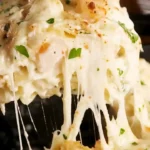
Creamy Shrimp and Crab Seafood Lasagna
- Total Time: 1 hour 20 minutes
- Yield: 8 servings 1x
- Diet: General
Description
A decadent and creamy Seafood Lasagna featuring shrimp, lump crab meat, and a rich cheesy sauce, perfect for a special dinner.
Ingredients
- Cooking spray
- 1 lb. lasagna noodles
- Kosher salt
- 2 tbsp. extra-virgin olive oil
- 1 lb. shrimp, peeled and deveined, tails removed
- Freshly ground black pepper
- 1/2 lemon, juiced
- 3 cloves garlic, minced
- 1 tsp. chopped thyme leaves
- 4 tbsp. butter
- 1/4 cup all purpose flour
- 2 1/2 cups half-and-half (or whole milk)
- 1/2 cup clam juice
- 3/4 cup freshly grated Parmesan, divided
- 2 tbsp. freshly chopped parsley, plus more for garnish
- 1 (16-oz.) container ricotta
- 1 egg
- 2 (8-oz.) packages lump crab meat
- 1 1/2 cups shredded mozzarella
Instructions
- Step: Preheat oven to 350°. In a large pot of salted boiling water, cook noodles according to package instructions. Lay noodles flat on a greased baking sheet, using parchment paper for stacking.
- Step: Meanwhile, in a large skillet over medium-high heat, heat oil. Season shrimp with salt and pepper then add to skillet. Cook until pink and opaque, about 2 minutes per side. Remove from skillet and chop into bite-size pieces.
- Step: Return skillet over medium heat and melt butter. Stir in garlic and thyme and cook until fragrant, about 30 seconds. Stir in flour and cook 1 minute, then whisk in half-and-half and clam juice. Bring mixture to a simmer, stirring occasionally, and cook until thickened, about 4 minutes. Stir in ½ cup Parmesan and season with salt and pepper.
- Step: In a medium bowl, combine ricotta, egg, remaining ¼ cup Parmesan, and parsley. Season with salt and pepper.
- Step: Assemble lasagna: Spread a thin layer of sauce in a large baking dish and top with a layer of overlapping noodles. Spread ricotta mixture over noodles, add a layer of shrimp and crab meat, cover with sauce, then sprinkle with a layer of mozzarella. Repeat for three layers total, ending with the mozzarella.
- Step: Tent with foil and bake 30 minutes. Remove foil and bake until golden and bubbly, 15 minutes more.
- Step: Garnish with more parsley, then let cool 15 minutes before slicing and serving.
Notes
For the best results, ensure the sauce is thick enough to coat the back of a spoon before assembling the lasagna.
- Prep Time: 20 minutes
- Cook Time: 60 minutes
- Category: Dinner
- Method: Baking
- Cuisine: Italian
Nutrition
- Serving Size: 1 slice
- Calories: 761 kcal
- Sugar: 8 g
- Sodium: 1240 mg
- Fat: 42 g
- Saturated Fat: 21 g
- Unsaturated Fat: 18 g
- Trans Fat: 0 g
- Carbohydrates: 46 g
- Fiber: 3 g
- Protein: 44 g
- Cholesterol: 185 mg
Keywords: seafood lasagna, shrimp and crab, cheesy seafood pasta, dinner party recipe