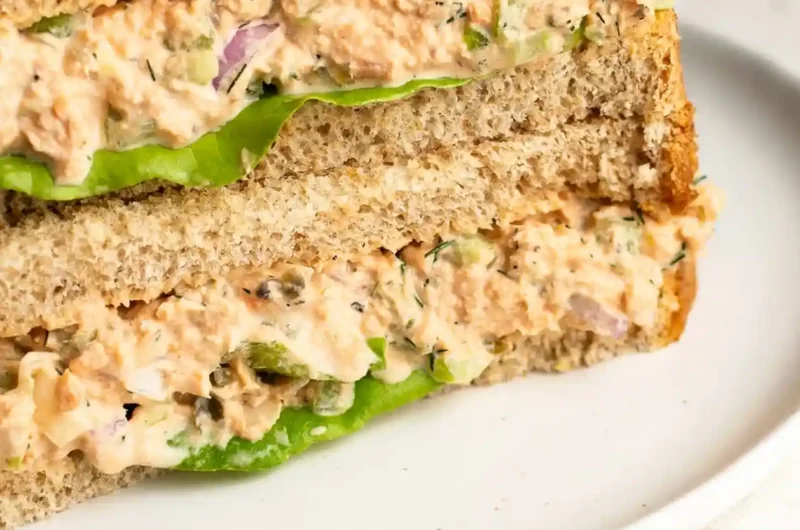
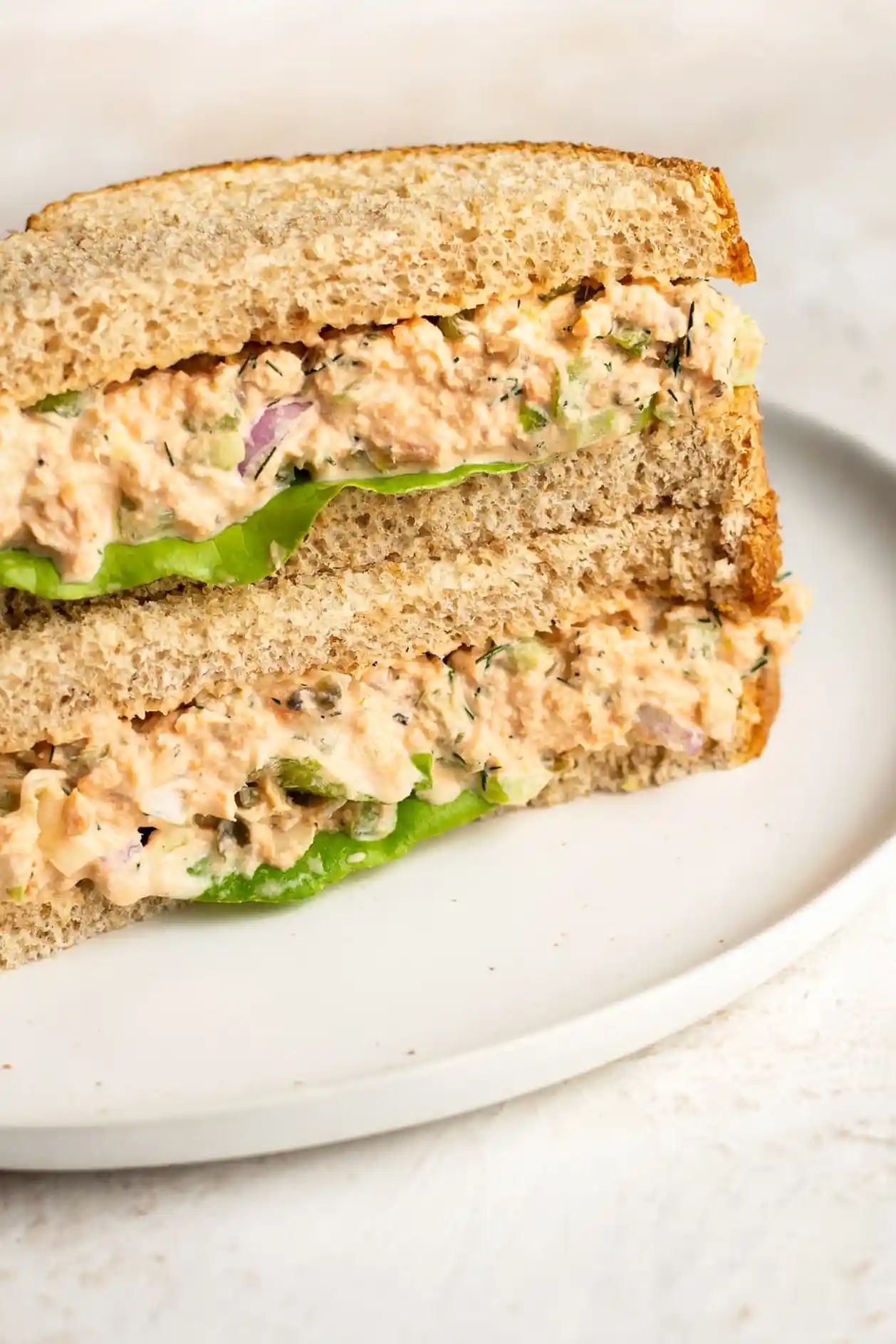
This quick canned salmon salad is a nutrient-dense alternative to traditional tuna salad. It combines fresh herbs and zesty citrus for a balanced flavor profile perfect for easy lunches.
List of ingredients
- 2 (5 ounce) cans salmon, drained – provides the primary protein and healthy omega-3s.
- 1/4 cup mayo – creates a creamy base and binds the ingredients.
- 1 teaspoon Dijon mustard – adds a subtle savory depth and tang.
- 1/2 tablespoon lemon juice and zest from 1/2 lemon – delivers brightness and cuts through the richness.
- 1 stick celery, chopped small – adds essential crunch and freshness.
- 1-2 tablespoons capers, drained and chopped – provides salty, briny accents.
- 1-2 tablespoons red onion, chopped small – adds a sharp, crisp contrast.
- 1 tablespoon fresh dill, chopped – the classic herb pairing for salmon.
- Salt and pepper to taste – used for final seasoning adjustments.
step-by-step instructions
- Prepare the salmon: Drain the salmon thoroughly and place it in a mixing bowl. Use a fork to mash the fish until it reaches your preferred consistency.
- Combine ingredients: Finely chop the celery, red onion, and fresh dill. Add these to the bowl along with the mayonnaise, Dijon mustard, lemon juice, lemon zest, and capers.
- Mix: Stir all components together until the mixture is evenly combined and the salmon is well-coated in the dressing.
- Season and adjust: Taste the salad and add salt and pepper as needed. Adjust the amount of lemon or mayo if you prefer a different flavor or texture.
Optimal Salmon Selection
Sockeye Salmon Characteristics
Sockeye salmon is often preferred for salads because of its deep red color and robust flavor. It provides a more intense taste compared to other varieties, making it stand out against the creamy mayonnaise base.
Pink Salmon Differences
Pink salmon is typically milder in flavor and lighter in color. This makes it an excellent choice for those who prefer a more subtle fish taste or for children who may be sensitive to strong seafood flavors.
Managing Skin and Bones
Many canned salmon products include skin and soft bones, which are rich in calcium and phosphorus. Because these are soft, they blend in completely when mashed with a fork, providing extra nutrients without affecting the texture.
Customizing the Flavor Profile
Replacing Mayonnaise with Greek Yogurt
To reduce the fat content or add a tangier note, substitute the mayonnaise with plain Greek yogurt. Use an equal 1:1 ratio to maintain the same consistency while increasing the protein content of the salad.
Using Dried Dill as a Substitute
If fresh dill is unavailable, dried dill is a practical alternative. Use approximately one teaspoon of dried dill for every tablespoon of fresh, as dried herbs are more concentrated in flavor.
Swapping Red Onion for Shallots
Shallots offer a more delicate, sweeter flavor than red onions. They are an ideal substitute if you find the bite of raw red onion too overpowering for your palate.
Adding Extra Brine with Capers
If you enjoy a saltier, more Mediterranean style, increase the amount of capers. Chopping them finely ensures that the briny flavor is distributed evenly throughout every bite of the salad.
Creative Serving Suggestions
Assembling a Gourmet Salmon Sandwich
For a complete meal, serve the salmon salad on toasted sourdough or a whole-grain baguette. Add layers of crisp butter lettuce, sliced hothouse cucumbers, and ripe tomato slices to enhance the texture.
Low-Carb Lettuce Wrap Options
To enjoy this recipe without bread, use large leaves of Romaine or butter lettuce as wraps. This provides a refreshing crunch and keeps the meal light, making it a great option for ketogenic diets.
Pairing with Whole Grain Crackers
Serve the salad as an appetizer by scooping it onto seed-rich whole grain crackers. This pairing adds an earthy nuttiness that complements the brightness of the lemon and dill.
Serving Over a Bed of Greens
Place a generous scoop of salmon salad atop a bed of mixed spring greens or arugula. Drizzle a small amount of olive oil and balsamic vinegar over the greens for a complete lunch salad.
Preservation and Storage Advice
Maximum Refrigeration Time
Canned salmon salad remains fresh and safe to eat for 3 to 5 days when stored properly. If you used fresh cooked salmon instead of canned, reduce the storage time to 2 days for maximum safety.
Choosing the Right Storage Container
Store the salad in a glass, airtight container to prevent the fish from absorbing other odors in the refrigerator. Glass is preferred over plastic as it does not retain scents and keeps the salad colder.
Signs of Salmon Spoilage
Discard the salad if you notice a sour smell, a change in color, or a slimy texture. Always ensure the salad is refrigerated promptly after preparation to prevent bacterial growth.
Professional Preparation Tips
Achieving the Perfect Mash
Use a heavy-duty fork or a potato masher to break down the salmon. Avoid using a food processor, as over-processing will turn the salmon into a paste rather than a chunky salad.
Zesting Lemons Efficiently
Use a microplane or a fine zester to remove only the yellow outer layer of the lemon peel. Avoid the white pith, as it contains a bitter flavor that can overpower the delicate salmon.
Managing Onion Sharpness
If you find raw red onion too pungent, soak the chopped pieces in cold water for 10 minutes before adding them to the salad. Drain them well, and this process will mellow the flavor while keeping the crunch.
Nutritional Enhancements
Adding Avocado for Healthy Fats
Cube a ripe avocado and fold it into the salad just before serving. This adds a buttery texture and provides heart-healthy monounsaturated fats that pair well with the omega-3s in the salmon.
Incorporating Shredded Carrots for Texture
Add two tablespoons of finely shredded carrots to increase the vitamin A content and add a touch of sweetness. This also introduces a vibrant orange color to the mixture.
Including Spinach for Extra Micronutrients
Finely chop a handful of baby spinach and mix it into the salmon. This adds iron and folate to the dish without significantly changing the overall flavor profile.
Solving Common Preparation Problems
Preventing a Watery Salad
The most common cause of a watery salad is insufficient draining of the canned salmon. Press the salmon firmly against the can lid or use a fine-mesh strainer to remove all excess liquid before mixing.
Reducing Overpowering Saltiness
If the capers and canned salmon make the dish too salty, add a squeeze more lemon juice or an extra stalk of celery. The acidity and water content help neutralize the excess salt.
Improving Texture Consistency
If the salad feels too dry, add mayonnaise one teaspoon at a time until the desired creaminess is reached. If it is too creamy, add more chopped celery or onion to balance the ratio.
Complementary Pairings
Side Salad Combinations
Pair the salmon salad with a side of sliced cucumbers and radishes dressed in a light vinaigrette. The crispness of these vegetables cleanses the palate between bites of the rich salmon.
Complementary Soup Pairings
A light tomato basil soup or a creamy potato leek soup makes an excellent companion. The warmth of the soup contrasts beautifully with the chilled temperature of the salmon salad.
Non-Alcoholic Beverage Suggestions
Serve with an iced green tea or a sparkling water with a slice of lime. These drinks provide a refreshing acidity that complements the lemon and dill in the recipe.
Essential Kitchen Tool Advice
Using a Microplane for Zest
A microplane allows you to get the finest zest possible, ensuring the lemon flavor is integrated smoothly. This prevents large pieces of peel from appearing in the final salad.
Choosing the Right Mixing Bowl
Use a wide, stainless steel or glass bowl to allow for easy mashing and mixing. A wider base prevents the ingredients from splashing out while you are stirring in the mayonnaise.
Best Knives for Dicing Celery
A sharp chef’s knife is essential for achieving a consistent, small dice on the celery and onion. Even pieces ensure that you get a bit of everything in every spoonful.
Frequently Asked Questions
Is canned salmon a healthy choice?
Yes, canned salmon is rich in protein, omega-3 fatty acids, and B vitamins. It is often more affordable than fresh salmon while providing similar nutritional benefits.
Can I freeze this salmon salad?
No, you should not freeze this salad because the mayonnaise will separate and the vegetables will lose their crunch. It is best enjoyed fresh or kept refrigerated.
Which bread works best for salmon salad?
Hearty breads like rye, pumpernickel, or toasted whole wheat work best. These grains have a strong enough structure to support the moist salad without becoming soggy.
Print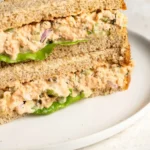
Easy Canned Salmon Salad Recipe
- Total Time: 10 minutes
- Yield: 4 servings 1x
- Diet: Pescatarian
Description
This salmon salad recipe is made with canned salmon and comes together quickly! It’s similar to tuna salad, so it’s great in sandwiches for easy lunches.
Ingredients
- 2 (5 ounce) cans salmon (drained)
- 1/4 cup mayo
- 1 teaspoon Dijon mustard
- 1/2 tablespoon lemon juice
- zest of 1/2 lemon
- 1 stick celery (chopped small)
- 1–2 tablespoons capers (drained & chopped)
- 1–2 tablespoon red onion (chopped small)
- 1 tablespoon fresh dill (chopped)
- Salt & pepper (to taste)
Instructions
- Mash: Drain the salmon and add it to a bowl. Mash it with a fork.
- Combine: Prep the other ingredients and add them to the bowl, then mix it all together.
- Season: Taste and season with salt & pepper/adjust ingredients as needed.
Notes
Recipe is easily halved. This recipe is very forgiving; you can omit or substitute ingredients based on preference. This canned salmon salad will keep in the fridge for 3-5 days.
- Prep Time: 10 minutes
- Cook Time: 0 minutes
- Category: Salad
- Method: Mixing
- Cuisine: American
Nutrition
- Serving Size: 1 serving
- Calories: 197 kcal
- Sugar: 1 g
- Sodium: 437 mg
- Fat: 14 g
- Saturated Fat: 2 g
- Unsaturated Fat: 12 g
- Trans Fat: 0 g
- Carbohydrates: 1 g
- Fiber: 1 g
- Protein: 17 g
- Cholesterol: 65 mg
Keywords: canned salmon, salmon salad, seafood salad, easy lunch, sandwich filling