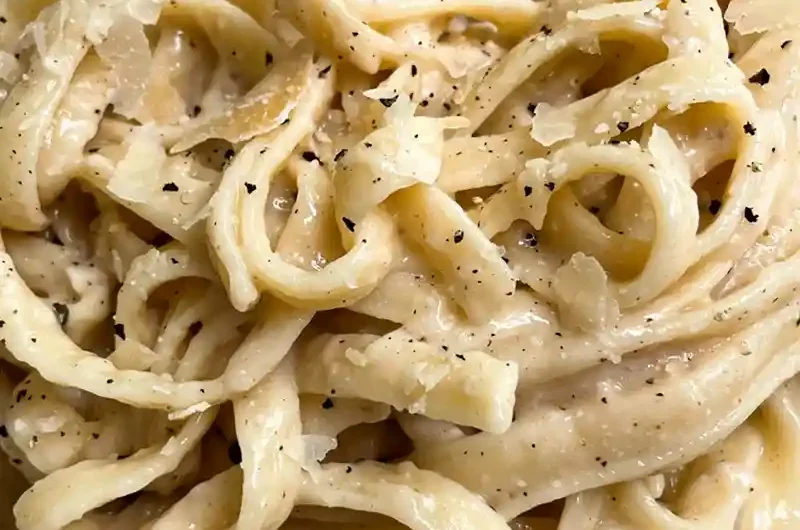
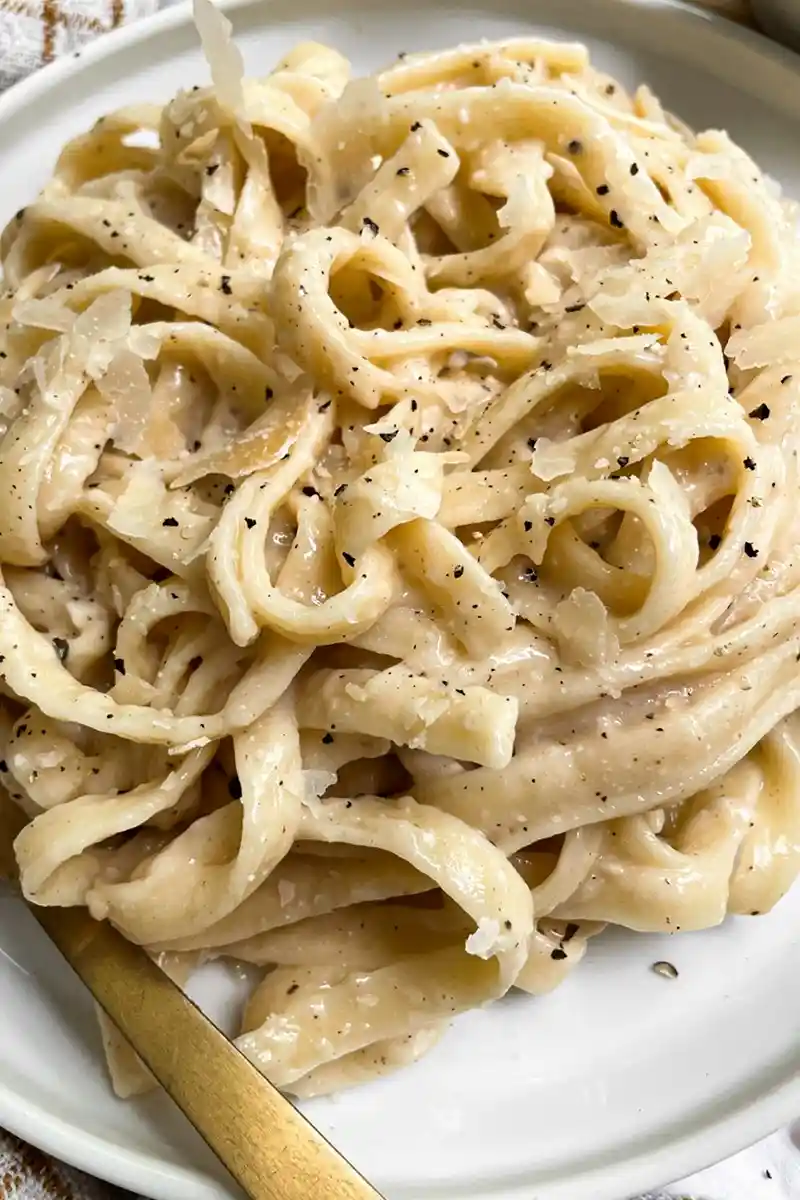
This high-protein Alfredo sauce provides a creamy experience without the use of heavy cream or butter. It is an efficient way to enjoy a rich pasta dish while maintaining a healthier nutritional profile.
List of ingredients
- 1 tablespoon extra virgin olive oil – used for sautéing the garlic.
- 2 tablespoons cornstarch – acts as the primary thickening agent.
- 1 cup vegetable or chicken broth – provides a savory liquid base.
- 1/2 cup skim milk – adds creaminess and additional protein.
- 1/2 cup FAGE Total Plain greek yogurt – must be room temperature to ensure a smooth blend.
- 2 tsp minced garlic – provides the essential aromatic base.
- 1/2 cup freshly grated parmesan – adds saltiness and traditional flavor.
- 1/2 tsp Italian seasoning – incorporates a blend of dried herbs.
- 1/4 teaspoon black pepper – adds a subtle spicy note.
- 1/2 teaspoon salt – enhances all other flavors in the sauce.
step-by-step instructions
- Sauté Garlic: Heat olive oil in a large saucepan over medium heat. Add minced garlic and cook for 1-2 minutes until fragrant but not brown.
- Thicken Base: Sprinkle the cornstarch over the garlic and cook for one minute, stirring constantly to remove the raw starch taste.
- Deglaze and Combine: Slowly pour in the broth and milk while whisking continuously to ensure no lumps form.
- Simmer: Raise the heat to medium-high and bring the mixture to a simmer. Whisk constantly for about 2 minutes until the liquid thickens.
- Temper Yogurt: Remove the pan from the heat. Whisk in the room temperature Greek yogurt little by little to prevent the dairy from curdling.
- Add Flavorings: Place the pan back on the stove over medium heat. Stir in the grated Parmesan cheese, salt, pepper, and Italian seasoning.
- Final Simmer: Bring the sauce back to a simmer and cook for an additional 2 minutes, whisking constantly for a glossy finish.
- Serve: Pour immediately over your choice of pasta or zucchini noodles.
Customizing Your Sauce Ingredients
Using Avocado Oil instead of Olive Oil
Avocado oil is a great alternative if you prefer a neutral flavor. It also has a higher smoke point, making it safer for higher heat sautéing if you prefer a more browned garlic flavor.
Swapping Skim Milk for Unsweetened Almond Milk
For a lower-calorie option, unsweetened almond milk works well. Note that this will slightly reduce the total protein content and may result in a thinner consistency.
Substituting Fresh Garlic with Garlic Powder
If fresh garlic is unavailable, use 1/2 teaspoon of garlic powder. Add the powder during the spice step rather than the sauté step to prevent it from burning.
Choosing Different Greek Yogurt Percentages
You can use 0%, 2%, or 5% Greek yogurt depending on your dietary needs. Higher fat percentages provide a richer mouthfeel and a taste closer to traditional cream-based sauces.
Using Vegetable Broth for a Meatless Option
Vegetable broth is a perfect substitute for chicken broth. It maintains the same savory depth while keeping the recipe entirely meat-free.
Flavor Variations and Enhancements
Adding Freshly Squeezed Lemon Juice
Stir in one teaspoon of fresh lemon juice at the end of the cooking process. The acidity cuts through the richness of the yogurt and parmesan, brightening the overall taste.
Incorporating Red Pepper Flakes for Heat
Add a pinch of red pepper flakes during the garlic sauté phase. This introduces a subtle heat that complements the creamy texture of the Alfredo sauce.
Mixing in Freshly Chopped Parsley
Fold in two tablespoons of fresh chopped parsley just before serving. This adds a fresh, herbal note and a pop of color to the white sauce.
Using Nutmeg for a Classic Profile
A small pinch of ground nutmeg added with the salt and pepper creates a traditional European flavor profile often found in bechamel sauces.
Adding Fresh Spinach for Nutrition
Stir in a handful of baby spinach during the final simmer. The heat of the sauce will wilt the spinach quickly, adding vitamins and minerals to the meal.
Best Pairing and Serving Ideas
Pairing with Whole Grain Pasta
Use whole wheat or spelt pasta to increase the fiber content of the dish. These pastas have a nuttier flavor that pairs well with the tanginess of the Greek yogurt.
Serving with Zucchini Noodles
For a low-carb or keto-friendly alternative, use spiralized zucchini. Sauté the zucchini lightly before tossing with the sauce to prevent excess water from thinning the mixture.
Combining with Grilled Chicken Breast
Slice grilled chicken breast and place it on top of the pasta. The lean protein of the chicken balances the richness of the parmesan cheese.
Pairing with Sautéed Shrimp
Sauté shrimp in olive oil and garlic before adding them to the finished sauce. Shrimp provides a seafood element that transforms the dish into a luxury meal.
Using as a Dip for Toasted Bread
Thicken the sauce slightly more by adding extra parmesan and use it as a warm dip. Serve with toasted baguette slices or garlic bread.
Creating a Pizza White Sauce Base
Use this recipe as a replacement for traditional white pizza sauce. Spread a thin layer on dough, add mozzarella and vegetables, and bake until golden.
Adding to Creamy Vegetable Soups
Stir a few tablespoons of the finished sauce into a vegetable soup. This adds creaminess and a cheesy flavor without needing to add heavy cream.
Recommended Vegetables for Alfredo
Blanching Broccoli Florets
Steam or blanch broccoli florets until tender-crisp. Toss them into the sauce at the end to maintain their vibrant green color and nutritional value.
Sautéing Sliced Mushrooms
Brown sliced cremini or button mushrooms in a separate pan before adding them. This prevents the mushrooms from releasing water into the sauce and thinning it.
Incorporating Sliced Bell Peppers
Sauté red and yellow bell peppers for a sweet contrast. The colorful peppers add visual appeal and a crunch that complements the smooth sauce.
Adding Sautéed Zucchini Slices
Sauté half-moon slices of zucchini until golden brown. Mix them in gently to avoid breaking the vegetables during the final simmer.
Including Sautéed Kale or Arugula
Quickly sauté kale or arugula in olive oil until wilted. These greens provide a slightly bitter edge that balances the salty parmesan cheese.
Proper Storage and Reheating
Storing Sauce in Mason Jars
Store leftover sauce in a glass mason jar to keep it airtight. This prevents the sauce from absorbing other odors in the refrigerator and keeps it fresh longer.
Maximum Refrigeration Time
Keep the sauce refrigerated for up to 7 days. Ensure the container is sealed tightly to maintain the consistency and flavor of the yogurt.
Thinning Out Thickened Sauce
Greek yogurt sauces thicken significantly when chilled. Add a tablespoon of milk or vegetable broth when reheating to restore the original creamy consistency.
Low-Heat Reheating Methods
Reheat the sauce on the stovetop over low to medium-low heat. Avoid high heat, as this can cause the Greek yogurt to separate or grain.
Preventing Sauce Separation during Heating
Whisk the sauce continuously while reheating. This ensures that the fats and liquids emulsify properly, resulting in a smooth texture.
Practical Preparation Tips
Bringing Greek Yogurt to Room Temperature
Take the yogurt out of the refrigerator 30 to 60 minutes before you start cooking. This prevents the cold dairy from shocking the hot sauce and causing lumps.
Whisking Constantly to Prevent Lumps
Use a wire whisk rather than a spoon when adding the broth and milk. Constant movement breaks up the cornstarch and ensures a velvety smooth texture.
Grating Parmesan Fresh for Better Melting
Avoid pre-shredded cheeses, which often contain cellulose to prevent clumping. Freshly grated parmesan melts more smoothly into the sauce without becoming grainy.
Controlling the Heat to Prevent Curdling
Always remove the pan from the heat source before whisking in the Greek yogurt. Once incorporated, return it to medium heat to avoid overheating the yogurt proteins.
Mixing the Cornstarch Thoroughly
Ensure the cornstarch is fully integrated with the oil and garlic before adding liquids. This creates a roux-like base that guarantees the sauce thickens evenly.
Common Troubleshooting
What to Do if the Sauce is Too Thin
If the sauce is not thick enough, stir in an extra tablespoon of grated parmesan cheese. Alternatively, you can simmer it for another 2 minutes to reduce the liquid.
Fixing a Sauce that is Too Thick
Gradually whisk in small amounts of skim milk or vegetable broth. Continue adding liquid one tablespoon at a time until you reach your desired consistency.
Preventing the Yogurt from Curdling
If you notice the sauce beginning to separate, immediately remove it from the heat. Whisk vigorously and add a tiny splash of milk to help stabilize the emulsion.
Adjusting the Saltiness of the Sauce
Parmesan cheese varies in salt content. Taste the sauce after adding the cheese before adding the extra 1/2 teaspoon of salt to avoid over-seasoning.
Frequently Asked Questions
Can I use regular yogurt instead of Greek yogurt?
Regular yogurt has a higher water content and lower protein, which may result in a thinner sauce. It also has a different acidity level that can more easily cause the sauce to separate.
Is this sauce suitable for meal prep?
Yes, this sauce is excellent for meal prep. You can make a large batch and store it in the fridge for a week, making it a convenient option for quick weekday dinners.
How do I make this sauce vegan?
Replace the Greek yogurt with a cashew-based cream or vegan yogurt, and use nutritional yeast or vegan parmesan. Use unsweetened soy or almond milk as the liquid base.
Which pasta shapes work best with this sauce?
Long, flat noodles like fettuccine or linguine are traditional. However, shapes with ridges like penne or fusilli are great for capturing the thick sauce in their grooves.
Print
Healthy Greek Yogurt Alfredo Sauce
- Total Time: 25 minutes
- Yield: 4 servings 1x
- Diet: General
Description
This Greek Yogurt Alfredo Sauce is a healthy alternative to traditional Alfredo sauce. It’s rich and creamy without processed ingredients or heavy cream and butter.
Ingredients
- 1 tablespoon extra virgin olive oil
- 2 tablespoons cornstarch
- 1 cup vegetable or chicken broth
- 1/2 cup skim milk
- 1/2 cup FAGE Total Plain greek yogurt (room temperature)
- 2 tsp minced garlic
- 1/2 cup freshly grated parmesan
- 1/2 tsp Italian seasoning
- 1/4 teaspoon black pepper
- 1/2 teaspoon salt
Instructions
- Step: Heat olive oil in a large saucepan over medium heat.
- Step: Add your minced garlic and cook for 1-2 minutes.
- Step: Sprinkle with cornstarch and cook for one minute, stirring constantly.
- Step: Slowly add in broth and milk while whisking and combine until smooth.
- Step: Raise heat to medium high and bring the mixture to a simmer.
- Step: Simmer for about 2 minutes, whisking constantly, until it starts to thicken.
- Step: Remove from heat and little by little, whisk in greek yogurt.
- Step: Once combined, place back on the stove at medium heat and stir in Parmesan cheese, salt, pepper, and Italian seasoning.
- Step: Bring to a simmer and simmer for an additional 2 minutes, whisking constantly.
- Step: Serve immediately over pasta or zoodles.
Notes
Store leftover sauce in an airtight container or mason jar in the fridge for up to 7 days. Thin it out with a little water or broth when reheating on low heat.
- Prep Time: 10 minutes
- Cook Time: 15 minutes
- Category: Main Course
- Method: Stovetop
- Cuisine: American
Nutrition
- Serving Size: 1 serving
- Calories: 133 kcal
- Sugar: 3 g
- Sodium: 532 mg
- Fat: 7 g
- Saturated Fat: 2 g
- Unsaturated Fat: 4 g
- Trans Fat: 0.003 g
- Carbohydrates: 9 g
- Fiber: 0.5 g
- Protein: 8 g
- Cholesterol: 13 mg
Keywords: Greek Yogurt Alfredo Sauce, healthy alfredo, creamy pasta sauce, low calorie alfredo