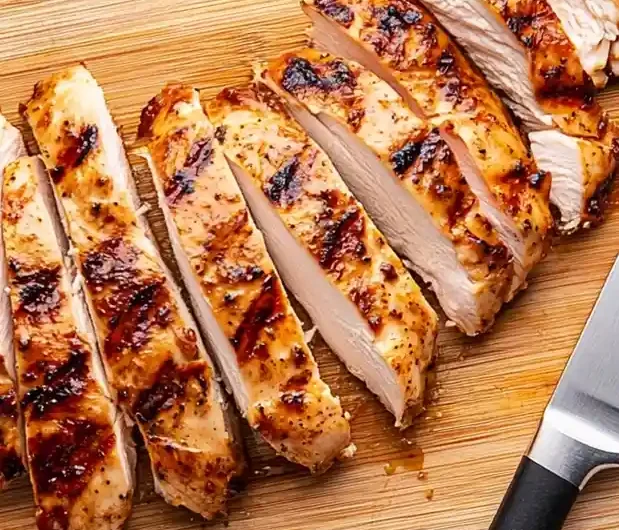
This brine-based marinade uses dill pickle juice to tenderize chicken breasts and infuse them with savory flavor. It is an efficient method for preparing juicy poultry for grilling, baking, or pan-searing. The combination of acid and salt ensures the meat retains moisture during high-heat cooking.
List of ingredients
- 4 Boneless Skinless Chicken Breasts – use uniform size for even cooking.
- 1 ½ cups Dill Pickle Juice – provides the acidic base for tenderizing.
- 1 tbsp Brown Sugar – balances the brine with a touch of sweetness.
- 2 tsp Salt – enhances flavor and draws moisture into the meat.
- 1 tsp Black Pepper – adds a fundamental spicy warmth.
- ¼ tsp Red Pepper Flakes – introduces a mild heat to the marinade.
step-by-step instructions
- Mix the Marinade: In a large mixing bowl, combine the dill pickle juice, brown sugar, salt, black pepper, and red pepper flakes. Stir until the sugar and salt are fully dissolved.
- Prepare the Meat: Use tongs to place the chicken breasts into the bowl. Ensure each piece is completely submerged in the liquid for consistent flavor.
- Refrigerate: Cover the bowl with a lid or plastic wrap. Store in the refrigerator for at least 4 hours, though overnight is an option if preferred.
- Heat the Grill: Preheat your grill to 350°F. Apply a light coating of oil to the grill grates to prevent the chicken from sticking.
- Cook the Chicken: Place the marinated breasts on the grill. Cook for 5-7 minutes per side, or until a meat thermometer reads 165°F in the thickest part.
- Rest the Meat: Remove the chicken from the grill and let it rest on a plate for 5 minutes. This allows the juices to redistribute within the meat.
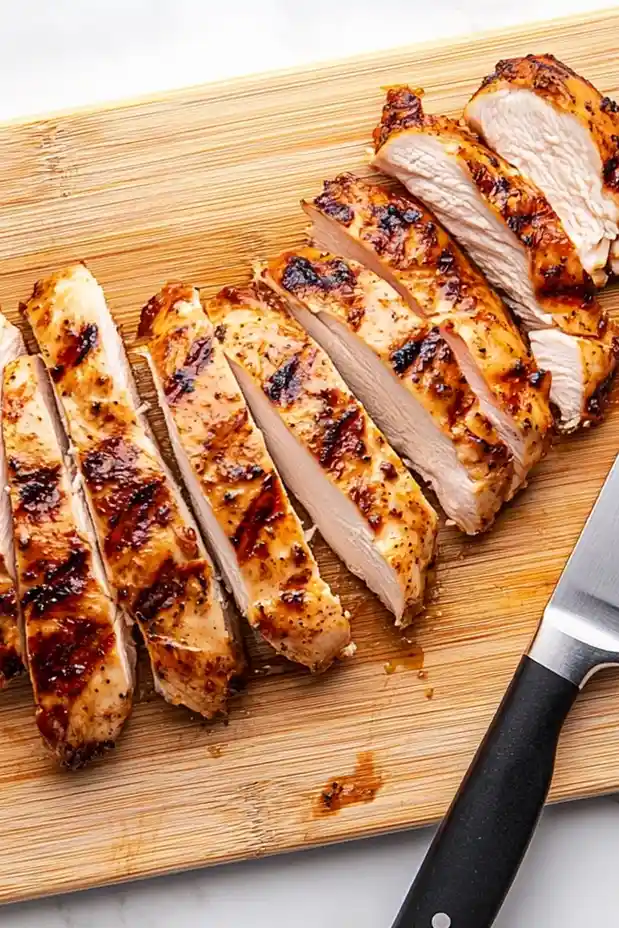
- Slice and Serve: Slice the breasts into strips or cubes and serve immediately.
Alternative Cooking Methods
Baking in the Oven
Preheat your oven to 400°F. Place the marinated chicken on a wire rack over a baking sheet to allow heat to circulate around the meat. Bake until the internal temperature reaches 165°F, which typically takes 20-25 minutes depending on the thickness.
Pan-Searing on the Stove
Heat a tablespoon of oil in a heavy skillet over medium-high heat. Sear the chicken for about 6-8 minutes per side. Use a lid for the final few minutes to ensure the center cooks through without burning the exterior.
Air Fryer Preparation
Set the air fryer to 375°F. Place the chicken in a single layer in the basket and cook for 12-15 minutes, flipping halfway through. This method creates a slightly charred exterior while keeping the inside moist.
Indoor Electric Grilling
Follow the same temperature settings as an outdoor grill, but be mindful that indoor grills often heat more intensely. Check the internal temperature every 4 minutes to avoid overcooking the breasts.
Meat Preparation Mastery
Pounding for Uniform Thickness
Use a meat mallet or a rolling pin to flatten thicker parts of the chicken breast. This ensures the entire piece of meat cooks at the same rate, preventing the edges from drying out while the center remains raw.
Bringing Meat to Room Temperature
Remove the chicken from the refrigerator about 20 minutes before cooking. This reduces the temperature gradient between the meat and the grill, leading to more even heat penetration and shorter cooking times.
Choosing Between Breasts and Thighs
While this recipe uses breasts, boneless skinless thighs are an excellent alternative. Thighs have a higher fat content and are more forgiving, making them nearly impossible to overcook in this acidic marinade.
Managing Excess Moisture
Before placing the chicken on the grill, let the excess marinade drip off. While the brine is essential, too much liquid on the surface can cause the meat to steam rather than sear, reducing the quality of the crust.
Flavor Profile Variations
Adding Fresh Garlic
For a more pungent flavor, mince three cloves of fresh garlic and stir them into the marinade. Garlic complements the dill in the pickle juice and adds a savory depth to the final dish.
Increasing the Heat Level
If you prefer a spicier profile, increase the red pepper flakes to 1 teaspoon or add a pinch of cayenne pepper. This creates a bolder contrast with the sweetness of the brown sugar.
Substituting the Sweetener
You can replace the brown sugar with honey or maple syrup for a different type of sweetness. These liquid sweeteners integrate quickly into the brine and provide a glossy finish to the grilled meat.
Incorporating Fresh Herbs
Adding fresh chopped dill or parsley to the marinade enhances the herbal notes. Stir these in just before adding the chicken to keep the herbs from wilting too much during the soaking process.
Pairing Suggestions
Fresh Summer Salads
Pair the tangy chicken with a crisp Caesar salad or a vinegar-based coleslaw. The acidity of the salads mirrors the tanginess of the pickle juice, creating a balanced meal.
Starchy Accompaniments
Serve the chicken alongside roasted fingerling potatoes or a side of baked mac and cheese. The richness of the cheese and potatoes offsets the sharp flavors of the brine.
Grilled Vegetable Sides
Corn on the cob and grilled zucchini are ideal partners for this dish. Grilling them at the same time as the chicken keeps the meal efficient and maintains a consistent smoky flavor profile.
Grain-Based Bases
Place sliced chicken over a bed of quinoa or wild rice. Adding a squeeze of lemon juice over the grains complements the dill flavors in the meat.
Meal Integration Ideas
Gourmet Chicken Wraps
Slice the cooked chicken thinly and place it in a flour tortilla. Add shredded lettuce, sliced tomatoes, and a dollop of Greek yogurt or ranch dressing for a complete lunch.
Protein-Packed Grain Bowls
Combine the chicken with brown rice, roasted chickpeas, and steamed broccoli. This creates a nutritionally balanced meal that is easy to portion for several days of eating.
Toasted Sandwich Fillings
Use the chicken as a filling for a sourdough grilled cheese sandwich. The savory pickle flavor pairs exceptionally well with melted provolone or swiss cheese.
Cold Sliced Applications
Allow the chicken to cool completely before slicing it into thin rounds. These can be used in cold pasta salads or as a protein addition to a garden salad.
Storage and Safety
Refrigerator Storage Limits
Store cooked chicken in an airtight container in the refrigerator for up to 4 days. Ensure the meat is cooled to room temperature before sealing the container to prevent excess condensation.
Freezing in the Marinade
Place raw chicken and the marinade in a heavy-duty freezer bag, removing all air. This allows the meat to marinate slowly as it thaws in the refrigerator before you cook it.
Safe Thawing Procedures
Always thaw frozen marinated chicken in the refrigerator rather than on the counter. This keeps the meat out of the danger zone where bacteria can grow rapidly.
Avoiding Cross-Contamination
Never reuse the marinade that has touched raw chicken as a sauce. If you want a topping, reserve a portion of the marinade before adding the meat, then boil it to kill any bacteria.
Reheating Guides
Microwave Method
Place the chicken in a microwave-safe dish and add a teaspoon of water or broth. Cover with a damp paper towel and heat on medium power in 30-second intervals to avoid toughening the meat.
Oven Reheating
Preheat the oven to 325°F. Place the chicken in a baking dish with a small amount of liquid and cover with foil. Heat for 10-15 minutes until warmed through.
Stovetop Reheating
Place the sliced chicken in a skillet over low heat with a small knob of butter. Stir occasionally until the chicken is heated through, which prevents the exterior from drying out.
Troubleshooting Common Issues
Preventing Meat from Sticking
Ensure the grill is fully preheated before adding the chicken. Use a high-smoke point oil, such as canola or grapeseed oil, to lubricate the grates thoroughly.
Correcting Mushy Texture
If the chicken feels too soft, reduce the marinating time to 4 hours. Over-marinating in acidic liquids can break down the muscle fibers too much, leading to an undesirable texture.
Managing Excess Saltiness
If the final product is too salty, serve it with an unsalted side dish like steamed vegetables. You can also balance the salt by adding a dollop of unsweetened sour cream or avocado.
Verifying Internal Temperature
Always use an instant-read thermometer to check the center of the breast. Relying on color or timers can lead to undercooked meat or overcooked, dry chicken.
Frequently Asked Questions
Does pickle juice make chicken tender?
Yes, the combination of salt and vinegar in pickle juice acts as a brine, breaking down protein fibers and helping the meat retain moisture.
How long should chicken sit in pickle juice?
A duration of 4 to 6 hours is typically ideal for achieving the best balance of flavor and texture.
Can you marinate chicken in pickle juice overnight?
Yes, you can, but be cautious as the acidity may make the texture of the meat too soft if left for more than 12-24 hours.
Does pickle juice chicken taste like pickles?
It does not taste strongly of pickles; instead, it takes on a savory, tangy, and well-seasoned profile.
What kind of pickle juice works best?
Dill pickle juice is the best choice because it provides a savory, garlicky flavor without the excessive sweetness found in bread and butter pickles.
Can I use chicken thighs instead of breasts?
Yes, chicken thighs work very well with this marinade and generally remain juicier than breasts due to their higher fat content.
Can I bake pickle juice chicken?
Yes, you can bake the chicken at 400°F until the internal temperature reaches 165°F.
How do I know when the chicken is done?
The most reliable method is using a meat thermometer to ensure the internal temperature has reached 165°F.
How long does leftover chicken last?
Cooked leftovers can be stored in an airtight container in the refrigerator for up to 4 days.
Can I freeze the chicken in the marinade?
Yes, freezing the chicken directly in the marinade is an effective way to prep meals in advance.
Print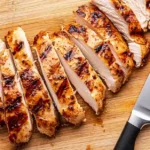
Tangy Pickle Juice Chicken Marinade
- Total Time: 4 hours 25 minutes
- Yield: 5 servings 1x
- Diet: General
Description
Get ready for some seriously juicy chicken! This recipe uses pickle juice to make the chicken really tender and flavorful. Just mix chicken with salt, pepper, and pickle juice, and you’ve got a winner.
Ingredients
- 4 Boneless Skinless Chicken Breasts
- 1 ½ cups Dill Pickle Juice
- 1 tbsp Brown Sugar
- 2 tsp Salt
- 1 tsp Black Pepper
- ¼ tsp Red Pepper Flakes
Instructions
- Step 1: In a big bowl, mix the pickle juice, brown sugar, salt, black pepper, and red pepper flakes.
- Step 2: Put the chicken breasts into the bowl using tongs, making sure they are well covered with the marinade.
- Step 3: Cover the bowl and put it in the fridge for at least 4 hours, or overnight if you can.
- Step 4: When you’re ready to cook, heat your grill to 350 degrees F. Lightly oil the grill grates so the chicken won’t stick.
- Step 5: Put the marinated chicken on the grill. Cook each side for 5-7 minutes, or until the inside of the chicken is 165 degrees F.
- Step 6: Take the chicken off the grill and let it sit for 5 minutes.
- Step 7: Slice the chicken and enjoy!
Notes
Store leftovers in an airtight container in the fridge for up to 5 days. Use an instant-read meat thermometer to ensure chicken reaches 165°F. Thinner chicken breasts or pounding thick breasts helps them soak up marinade and cook more evenly. Marinating for 4-6 hours is recommended for the best texture.
- Prep Time: 10 minutes
- Cook Time: 15 minutes
- Category: Main Course
- Method: Grilling
- Cuisine: American
Nutrition
- Serving Size: 1 chicken breast
- Calories: 169 kcal
- Sugar: 4 g
- Sodium: 2628 mg
- Fat: 4 g
- Saturated Fat: 1 g
- Unsaturated Fat: 3 g
- Trans Fat: 0 g
- Carbohydrates: 11 g
- Fiber: 1 g
- Protein: 25 g
- Cholesterol: 85 mg
Keywords: pickle juice chicken, chicken marinade, grilled chicken, juicy chicken, meal prep