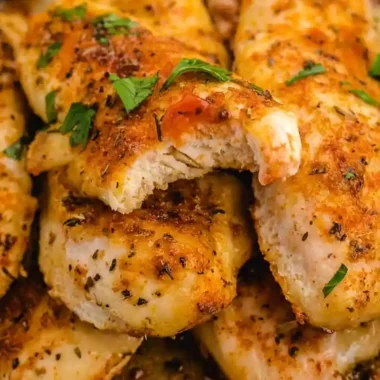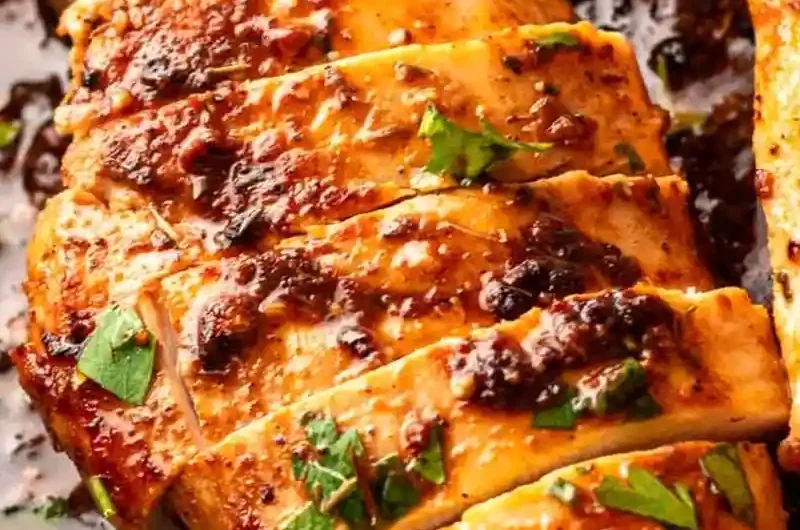
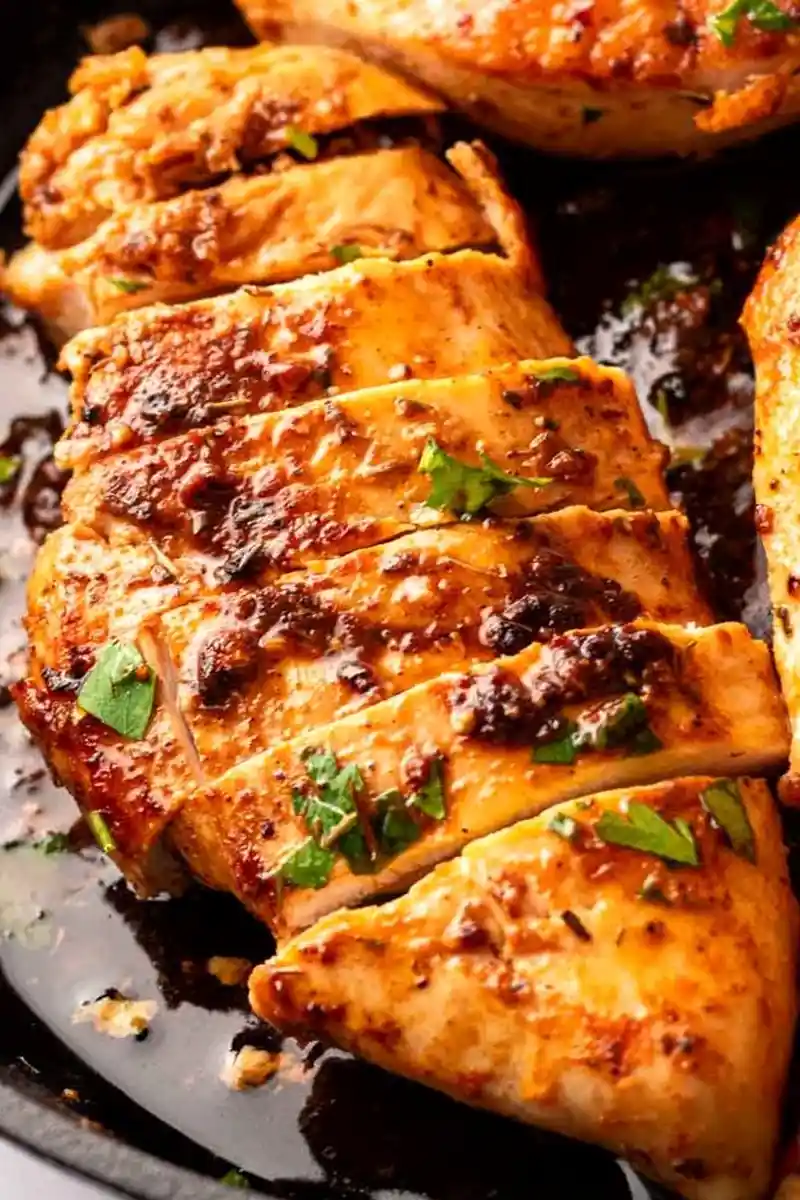
This recipe delivers juicy chicken breasts with a golden-brown crust in just 30 minutes. The combination of a savory spice rub and fresh garlic herb butter makes it a versatile main course for any night of the week.
List of ingredients
- 4 Boneless chicken breasts – skinless for easier preparation.
- 3 tbsp Canola oil – or use vegetable or avocado oil for high-heat searing.
- 1 tbsp Paprika – adds a rich color and mild flavor.
- 1 tsp Garlic powder – provides a consistent savory base.
- 1 tsp Onion powder – enhances the depth of the rub.
- Kosher salt and black pepper – add to taste for optimal seasoning.
- 1/4 tsp Cayenne pepper – adds a subtle hint of heat.
- 1/2 tsp Dried oregano – provides a classic herbal note.
- 1/2 tsp Dried thyme – adds an earthy aroma.
- 4 tbsp Butter – softened for easier mixing.
- 1/2 tsp Kosher salt – to season the herb butter.
- 1 tsp Lemon zest – brings a bright, citrusy finish.
- 1 tbsp Fresh parsley – or any preferred fresh herbs.
- 4 cloves Garlic – minced for the garlic butter mixture.
step-by-step instructions
- Prepare the garlic herb butter: In a small bowl, combine the softened butter, chopped herbs, minced garlic, kosher salt, and lemon zest. Mix well until the ingredients are fully incorporated and set aside.
- Mix the spice rub: In a separate small mixing bowl, combine the paprika, salt, black pepper, garlic powder, onion powder, dried oregano, and dried thyme. Stir until the spices are evenly distributed.
- Prepare the chicken: Pat the chicken breasts dry using paper towels to remove excess moisture. You may slice the breasts in half horizontally to speed up cooking time, or leave them whole. Season both sides with kosher salt and black pepper.
- Apply the seasoning: Generously coat both sides of each chicken breast with the prepared spice mixture, pressing the spices into the meat.
- Sear the chicken: Heat 3 tablespoons of oil in a cast iron skillet over medium-high heat. Carefully place the chicken into the hot pan and cook for 10-12 minutes without moving them.
- Monitor the browning: Check the chicken after 7-8 minutes to ensure it is not burning. If the crust is browning too quickly, lower the heat slightly.
- Flip and finish: Carefully flip the chicken breasts. Cook for another 10-12 minutes, or until a meat thermometer indicates an internal temperature of 165°F.
- Add finishing touch: Place approximately 1 tablespoon of the garlic herb butter on top of each hot chicken breast. Allow it to melt before serving.
Pro Techniques for Better Searing
Patting the Meat Dry
Always use paper towels to remove surface moisture from the chicken before seasoning. Moisture on the surface creates steam, which prevents the meat from developing a golden-brown crust. A dry surface ensures a proper sear and better flavor development.
Preheating the Cast Iron Skillet
Cast iron requires a thorough preheat to distribute heat evenly across the surface. Wait until the oil begins to shimmer or slightly smoke before adding the chicken. This immediate high heat prevents the meat from sticking and creates an instant crust.
Avoiding Pan Overcrowding
Leave enough space between the chicken breasts so they do not touch. Overcrowding the pan lowers the temperature and traps steam, which leads to boiling rather than searing. Cook in batches if your skillet is too small for all four breasts.
Allowing the Meat to Rest
Let the chicken rest for 5 minutes after removing it from the heat. This allows the juices to redistribute throughout the meat rather than running out immediately when sliced. Resting ensures the chicken remains moist and tender.
Ingredient Alternatives and Swaps
Using Chicken Thighs
You can substitute boneless, skinless chicken thighs for breasts in this recipe. Thighs have a higher fat content, making them more forgiving and less likely to dry out. Adjust the cooking time based on the thickness of the meat.
Dairy-Free Butter Substitutes
To make this recipe dairy-free, replace the softened butter with a plant-based butter alternative. Alternatively, you can mix the garlic, herbs, and lemon zest into a high-quality olive oil. This provides a similar aromatic finish without the dairy.
Smoked Paprika for Deeper Flavor
Swap standard paprika for smoked paprika to add a woody, grilled aroma to the dish. This variation mimics the taste of outdoor grilling even when using a stovetop skillet. Use the same measurement of one tablespoon.
Fresh vs Dried Herbs
While the rub uses dried herbs for concentrated flavor, you can use fresh oregano and thyme if available. Use three times the amount of fresh herbs compared to the dried measurements. Ensure the fresh herbs are finely chopped to adhere to the meat.
Creative Ways to Serve
Low Carb Pairings
Serve this chicken with steamed asparagus, sautéed spinach, or cauliflower rice. These options keep the meal low in carbohydrates while complementing the rich garlic butter. Roasted Brussels sprouts are also an excellent side choice.
Creating Chicken Tacos
Slice the cooked chicken into thin strips and place them in warm corn or flour tortillas. Top with fresh salsa, sliced avocado, and a squeeze of lime juice. The herb butter adds a gourmet touch to traditional taco flavors.
Upgrading a Caesar Salad
Warm sliced chicken is a perfect addition to a classic Caesar salad. Place the chicken over crisp romaine lettuce with parmesan cheese and croutons. The garlic butter from the chicken blends well with the creamy Caesar dressing.
Suggested Dipping Sauces
While the herb butter is flavorful, you can serve the chicken with additional dips. Tzatziki sauce provides a cool contrast, while honey mustard adds a sweet and tangy element. A simple garlic aioli also pairs well with the spice rub.
Maintenance and Storage
Refrigerating Leftovers
Store any remaining chicken in an airtight container in the refrigerator for up to three days. Ensure the chicken is completely cooled before sealing the lid to prevent excess moisture buildup. This keeps the meat from becoming soggy.
Best Reheating Methods
Reheat the chicken in a toaster oven or a conventional oven at 350°F until warm. This method preserves the texture of the sear better than a microwave. If using a microwave, use a medium power setting to avoid overcooking the meat.
Why Freezing is Discouraged
Freezing this specific chicken recipe is not recommended as it can degrade the texture. The moisture levels change during the freezing and thawing process, often resulting in dry meat. It is best enjoyed fresh or from the refrigerator.
Make-Ahead Rub Preparation
You can prepare the dry spice mixture several days in advance. Store the rub in a small airtight jar in a cool, dark place. This simplifies the cooking process on busy weeknights.
Common Cooking Troubleshooting
Preventing Chicken from Sticking
If the chicken sticks to the pan, it is often because the skillet was not hot enough or the meat was flipped too early. Ensure the pan is well-seasoned and preheated. Let the meat develop a crust undisturbed for at least 5-7 minutes before attempting to flip.
Managing Excessive Smoke
If the oil begins to smoke heavily, the heat is too high for the oil’s smoke point. Lower the burner immediately and add a small amount of fresh oil if necessary. This prevents the spices in the rub from burning and becoming bitter.
Ensuring Even Cooking for Thick Breasts
Very thick chicken breasts may brown on the outside before the center is cooked. To fix this, sear them in the pan and then transfer the skillet to a 420°F oven for 10-15 minutes. Use a meat thermometer to confirm the center reaches 165°F.
Dealing with Underdone Centers
If the internal temperature is below 165°F after searing, cover the pan with a lid for 2-3 minutes. The trapped steam will gently cook the center without over-browning the exterior. Always verify the temperature at the thickest part of the breast.
Frequently Asked Questions
Is this chicken recipe keto friendly?
Yes, this dish is naturally low in carbohydrates and high in protein and healthy fats. To keep the entire meal keto, serve it with non-starchy vegetables like broccoli or zoodles.
How do I keep the chicken from sticking to cast iron?
Ensure your skillet is clean, properly seasoned, and thoroughly preheated before adding oil. Wait for the oil to shimmer and avoid flipping the meat too frequently.
What oil is best for cast iron cooking?
Use oils with high smoke points such as avocado, grapeseed, or canola oil. These oils can withstand the high temperatures of cast iron without burning or breaking down.
Can you sear chicken in a cast iron skillet?
Yes, cast iron is one of the best tools for searing because of its superior heat retention. It creates an even, high-heat surface that produces a professional golden-brown crust.
Print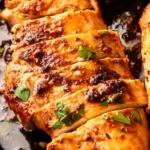
Cast Iron Skillet Chicken Breast with Garlic Herb Butter
- Total Time: 30 minutes
- Yield: 4 servings 1x
- Diet: Keto
Description
This cast iron skillet chicken is super easy to make, perfectly seasoned, tender, and juicy, and goes perfectly with any side dish!
Ingredients
- 4 Boneless chicken breast
- 3 tbsp Canola oil
- 1 tbsp Paprika
- 1 tsp Garlic powder
- 1 tsp Onion powder
- Kosher salt to taste
- Black pepper to taste
- 1/4 tsp Cayenne pepper
- 1/2 tsp Dried oregano
- 1/2 tsp Dried thyme
- 4 tbsp softened Butter
- 1/2 tsp Kosher salt
- 1 tsp Lemon zest
- 1 tbsp Parsley
- 4 cloves Garlic
Instructions
- Prepare Herb Butter: Make the garlic herb butter by adding the softened butter, chopped herbs, minced garlic, kosher salt, and lemon zest into a small bowl and mix well until well combined. Set aside while you make the chicken.
- Mix Seasoning: Into a small mixing bowl, add the paprika, salt, black pepper, garlic powder, onion powder, dried oregano, and dried thyme, and mix well.
- Prep Chicken: Pat dry the chicken breasts with paper towels. Season them on both sides with kosher salt and black pepper.
- Season Chicken: Season both sides of the chicken breasts with the spice mixture we made.
- Sear Chicken: Heat a cast iron skillet over medium-high heat with 3 tbsp of oil. Place the chicken onto the hot oiled pan, and cook for 10-12 minutes.
- Monitor Cooking: Check the chicken after 7-8 minutes to make sure it’s not burning. If it is getting too brown, lower the heat.
- Flip and Finish: Carefully flip the chicken and cook it for another 10-12 minutes or until the internal temperature reaches 165f.
- Final Touch: Top each chicken breast with about 1 tbsp of garlic herb butter. Serve and enjoy!
Notes
Use a well-seasoned cast iron skillet to ensure the chicken doesn’t stick. Allow the cooked chicken to rest for a few minutes before slicing to retain juices. Use a meat thermometer to ensure an internal temperature of 165f.
- Prep Time: 10 minutes
- Cook Time: 20 minutes
- Category: Main Course
- Method: Searing
- Cuisine: American
Nutrition
- Serving Size: 1 chicken breast
- Calories: 334 kcal
- Sugar: 0.2 g
- Sodium: 514 mg
- Fat: 25 g
- Saturated Fat: 9 g
- Unsaturated Fat: 14 g
- Trans Fat: 1 g
- Carbohydrates: 3 g
- Fiber: 1 g
- Protein: 25 g
- Cholesterol: 102 mg
Keywords: Cast Iron Chicken Breast, Cast Iron Skillet Chicken Breast