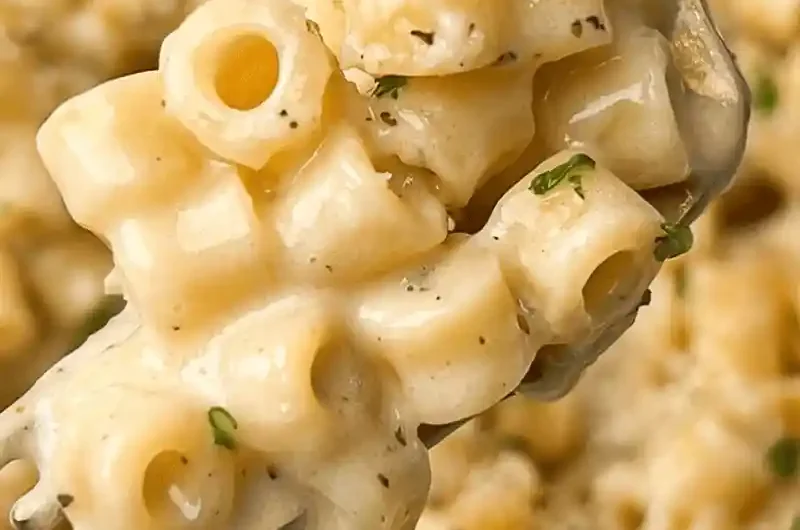
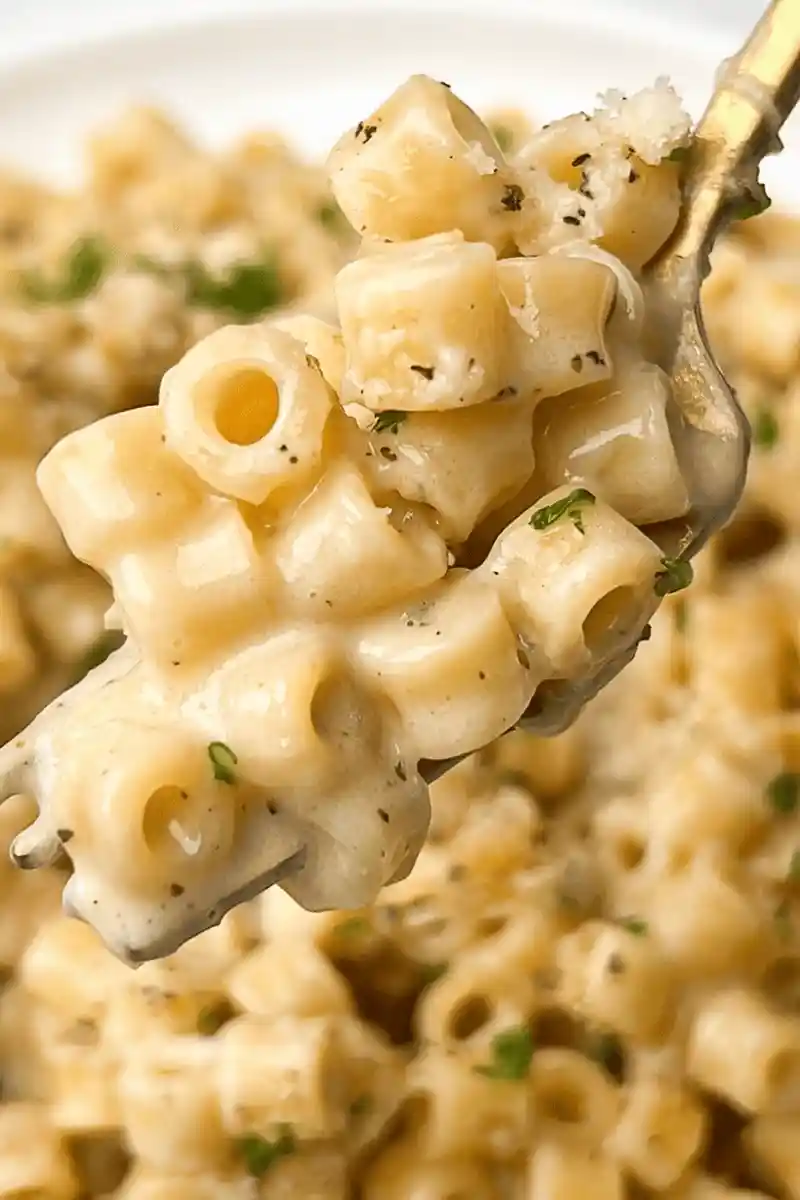
This rich and creamy one-pan pasta simplifies your dinner routine by cooking the noodles directly in a flavorful sauce. It is a quick, 20-minute meal that minimizes cleanup while delivering a decadent taste.
List of ingredients
- 1 1/2 cups dry ditalini pasta – small tubes that absorb sauce efficiently.
- 2 1/2 – 3 cups chicken broth – low sodium is recommended for better salt control.
- 3 cloves garlic, minced – fresh cloves provide the most pungent aroma.
- 1/3 cup heavy cream – adds a velvety, thick consistency.
- 3-4 tablespoons salted butter – creates a rich, salty base.
- 1/2 cup parmesan cheese – freshly grated melts more smoothly than pre-shredded.
- 1/2 tsp salt – adjust based on the saltiness of your broth.
- 1/2 tsp pepper – provides a mild, earthy spice.
- 2 tablespoons olive oil – used for sautéing the garlic.
- Fresh parsley and red pepper flakes – optional toppings for color and heat.
step-by-step instructions
- Sauté Garlic: Heat two tablespoons of olive oil in a large skillet over medium-low heat. Add the minced garlic and sauté for about 30 seconds until fragrant, ensuring it does not brown.
- Toast Pasta: Sprinkle in 1 1/2 cups of dry ditalini pasta. Stir the pasta with the garlic for a few moments to evenly coat the noodles in oil.
- Simmer Pasta: Pour in the chicken broth, salt, and pepper, stirring to combine. Bring the liquid to a boil, then cover the skillet with a lid and reduce the heat to a simmer for 9-10 minutes.
- Verify Texture: Remove the lid and stir the pasta to check for doneness. Some liquid may remain at the bottom, which will be absorbed in the final steps.
- Incorporate Cream: While the pan is still over a simmering heat, drizzle in the 1/3 cup of heavy cream. Stir continuously for about 1 minute to emulsify the sauce.
- Finish with Butter and Cheese: Remove the skillet from the heat. Stir in the salted butter and parmesan cheese until completely melted and smooth.
- Final Seasoning: Taste the pasta and add more salt or pepper if needed. Garnish with red pepper flakes for extra heat if desired.
Optimal Pasta Shape Selection
Using Ditalini for Sauce Retention
Ditalini is an ideal choice because its small, tubular shape traps the butter and cream sauce inside. This ensures every bite is evenly coated and rich.
Orzo for a Risotto-Like Texture
Substituting orzo creates a creamier, porridge-like consistency due to the high starch release. It is a great option for those who prefer a thicker, heartier meal.
Small Shells for Maximum Coating
Small shells act as tiny bowls that hold a larger volume of sauce. This shape is excellent for capturing the parmesan and butter emulsion.
Pastina for Quick Cooking
Pastina is extremely small and cooks very quickly. It is an excellent choice for a comfort-style dish that feels like a warm porridge.
Orecchiette for a Chewy Bite
Orecchiette provides a slightly firmer texture and a wider surface area. This allows the cheese to cling to the outside of the pasta while the center remains chewy.
Protein Pairing Recommendations
Adding Pan-Seared Chicken Breast
Sauté diced chicken breast in a separate pan until golden brown. Stir the cooked chicken into the pasta at the very end to maintain moisture.
Integrating Sautéed Shrimp
Cook shrimp in garlic and butter for 2 minutes per side. Fold them into the finished pasta just before serving to prevent them from becoming rubbery.
Topping with Pan-Seared Salmon
Sear a salmon fillet until the skin is crispy and the center is flaky. Place the fillet on top of a plated portion of pasta for a sophisticated presentation.
Using Sliced Steak Tips
Sear steak tips over high heat to create a caramelized crust. Slice them thinly and arrange them over the creamy pasta for a hearty meal.
Using Bone Broth for Extra Protein
Replace the standard chicken broth with bone broth to increase the protein content of the sauce. This adds depth and nutritional value without changing the flavor profile.
Vegetable Integration Methods
Folding in Frozen Peas
Stir in frozen peas during the final minute of simmering. The residual heat will cook them through while keeping their bright green color.
Adding Steamed Broccoli Florets
Steam broccoli separately and dice it into small pieces. Fold the florets into the pasta after the cheese has melted to avoid overcooking them.
Wilting Fresh Baby Spinach
Add a handful of fresh spinach immediately after removing the pan from the heat. Stir until the leaves wilt into the creamy sauce.
Incorporating Sautéed Diced Carrots
Sauté finely diced carrots with the garlic at the start of the recipe. This adds a subtle sweetness and extra nutrients to the dish.
Using Sautéed Mushrooms for Earthiness
Brown sliced mushrooms in olive oil before adding the pasta. This introduces an umami flavor that complements the parmesan cheese.
Customizing the Sauce Flavor
Increasing the Cheese Intensity
Add a pinch of Pecorino Romano along with the parmesan for a saltier, sharper flavor. Ensure the pan is off the heat to prevent the cheese from separating.
Controlling Sodium with Low-Sodium Broth
Always start with low-sodium chicken broth to prevent the dish from becoming too salty. You can always add salt at the end, but you cannot remove it.
Adding Red Pepper Flakes for Heat
Stir in red pepper flakes during the final step for a spicy kick. This cuts through the richness of the butter and cream.
Using Garlic Powder for Milder Aroma
If fresh garlic is too pungent, use a half-teaspoon of garlic powder. Stir it into the broth before bringing the mixture to a boil.
Substituting Cream for Half-and-Half
Use half-and-half if you prefer a lighter sauce. Note that the final consistency will be slightly thinner than when using heavy cream.
Precision Cooking Techniques
Preventing Garlic from Burning
Keep the heat at medium-low when sautéing garlic. If the garlic turns dark brown, it becomes bitter and will ruin the delicate flavor of the butter sauce.
Achieving the Perfect Simmer
Once the broth boils, reduce the heat immediately to a low simmer. A violent boil can cause the pasta to overcook on the outside while remaining raw in the middle.
Emulsifying the Butter and Cheese
Always remove the pan from the burner before stirring in the butter and parmesan. Excessive heat can cause the fats to separate, resulting in an oily sauce.
Managing Pasta Starch Release
Do not rinse the pasta if you are using a different method. The starch released during the one-pan cooking process is what thickens the sauce naturally.
Adjusting Liquid Ratios
If the pasta is still firm but the liquid is gone, add another 1/4 cup of broth. Stir gently and cover for another 2 minutes.
Storage and Reheating Guide
Refrigerating Leftovers Safely
Store leftover pasta in an airtight container in the refrigerator for up to 3 days. Ensure the pasta is cooled slightly before sealing the lid to prevent condensation.
Avoiding the Freezer
Avoid freezing this pasta, as the cream and butter sauce can split during the freezing and thawing process. This results in a grainy texture.
Reheating on the Stovetop
Place the pasta in a small pan over low heat. Add a splash of milk or chicken broth to loosen the sauce as it warms.
Reheating in the Microwave
Heat in short 30-second intervals, stirring in between. Adding a teaspoon of water helps restore the creamy consistency.
Restoring Sauce Creaminess
If the sauce has thickened too much in the fridge, stir in a small knob of butter during reheating. This re-emulsifies the fats and smooths out the texture.
Meal Prep Efficiency
Pre-Mincing Aromatics
Mince your garlic and chop your parsley a day in advance. Store them in small containers to reduce active prep time on busy weeknights.
Measuring Dry Ingredients
Pre-measure the pasta and parmesan cheese into bowls. This allows you to add them to the pan quickly without interrupting the cooking flow.
Planning Protein Toppings
Cook your chicken or shrimp in a large batch at the start of the week. Simply reheat the protein and place it atop the fresh pasta.
Troubleshooting Common Issues
What to do if the pasta is too soft?
Reduce the simmering time by one minute next time. If it happens, serve the pasta immediately, as it will continue to soften in the sauce.
How to fix a sauce that is too thin?
Simmer the pasta for an extra minute without the lid before adding the cream. This allows more liquid to evaporate and thicken the base.
What to do if the sauce is too thick?
Stir in a tablespoon of warm chicken broth or milk. This will thin the sauce to your preferred consistency without affecting the flavor.
How to handle clumping cheese?
Use finely grated parmesan rather than pre-shredded bags. If clumps form, stir vigorously over very low heat for a few seconds.
What if the pasta sticks to the pan?
Ensure you use enough olive oil during the initial sauté phase. Stirring frequently during the first few minutes of simmering also prevents sticking.
Frequently Asked Questions
Can I use vegetable broth instead of chicken broth?
Yes, vegetable broth works perfectly and maintains the creamy flavor profile. Ensure the broth is unsalted or low-sodium to control the taste.
What is a good substitute for heavy cream?
You can use whole milk mixed with a teaspoon of cornstarch. Alternatively, a dollop of mascarpone cheese provides a similar richness.
Can I make this recipe dairy-free?
Replace the butter with a plant-based butter alternative and use coconut cream instead of heavy cream. Use nutritional yeast instead of parmesan cheese.
How do I prevent the sauce from breaking?
The key is removing the pan from the heat before adding the cheese and butter. Stirring these in off-heat prevents the emulsion from breaking.
Which parmesan cheese is best for this recipe?
Parmigiano-Reggiano is the gold standard for flavor. However, any high-quality grated parmesan will work as long as it is not the powdered variety in a green can.
Print
Creamy One-Pan Butter Parmesan Pasta
- Total Time: 20 minutes
- Yield: 4 servings 1x
- Diet: Vegetarian
Description
This viral one-pan Butter Parmesan Pasta comes together in just 20 minutes. It’s creamy and decadent with a simple butter sauce and loads of freshly grated parmesan cheese.
Ingredients
- 1 1/2 cups dry ditalini pasta
- 2 1/2 – 3 cups vegetable broth
- 3 cloves garlic, minced
- 1/3 cup heavy cream
- 3–4 tablespoons salted butter
- 1/2 cup parmesan cheese
- 1/2 tsp salt
- 1/2 tsp pepper
- 2 tablespoons olive oil
- Fresh parsley (optional)
- Red pepper flakes (optional)
Instructions
- Step: In a large skillet over medium low, add in two tablespoons olive oil and garlic and saute until fragrant, about 30 seconds.
- Step: Sprinkle in the pasta, enough to cover the bottom of the pan (about 1 1/2 cups). Stir it around with the garlic to evenly combine.
- Step: Pour in the vegetable broth (enough to cover the pasta) and 1/2 tsp each of pepper and salt, then bring to a boil. Once it begins boiling, cover the skillet with a lid and reduce heat to a simmer. Allow it to cook covered for about 9-10 minutes.
- Step: Remove the lid and stir the pasta, sampling for doneness. There will be some vegetable broth on the bottom of the pan but it will get absorbed as the pasta cools.
- Step: Drizzle in the 1/3 cup of heavy cream and incorporate it with the pasta (still over a simmering stove). Stir for about 1 minute.
- Step: Remove from the heat and add in 3-4 tablespoons of butter and 1/2 cup parmesan cheese. Stir until the butter and cheese melt.
- Step: Taste and adjust with more salt and pepper if needed. Add in red pepper flakes for a kick of heat if desired.
Notes
You can use other small pasta shapes such as: Orecchiette, Pastina, Orzo, Small Elbows, Small Shells, or Acini de Pepe.
- Prep Time: 5 minutes
- Cook Time: 15 minutes
- Category: Main Course
- Method: Stovetop
- Cuisine: American
Nutrition
- Serving Size: 1 serving
- Calories: 450 kcal
- Sugar: 5 g
- Sodium: 820 mg
- Fat: 26 g
- Saturated Fat: 14 g
- Unsaturated Fat: 12 g
- Trans Fat: 0 g
- Carbohydrates: 38 g
- Fiber: 3 g
- Protein: 16 g
- Cholesterol: 70 mg
Keywords: one-pan pasta, butter parmesan pasta, creamy pasta, 20 minute meal, easy dinner