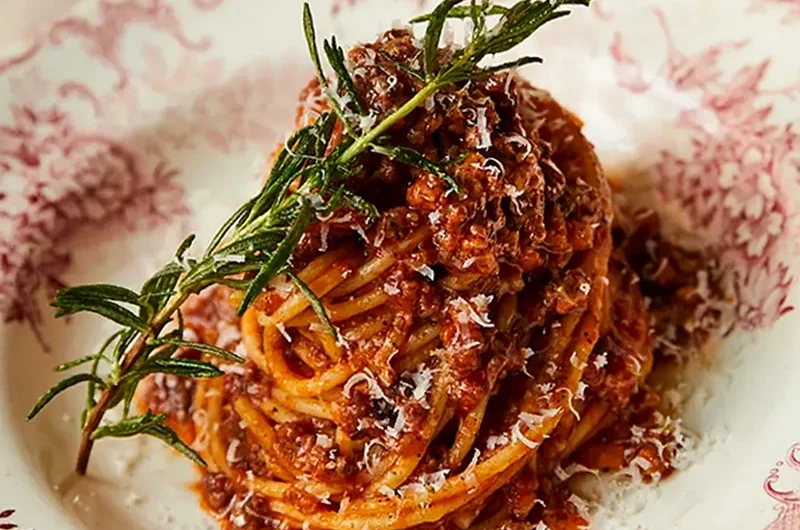
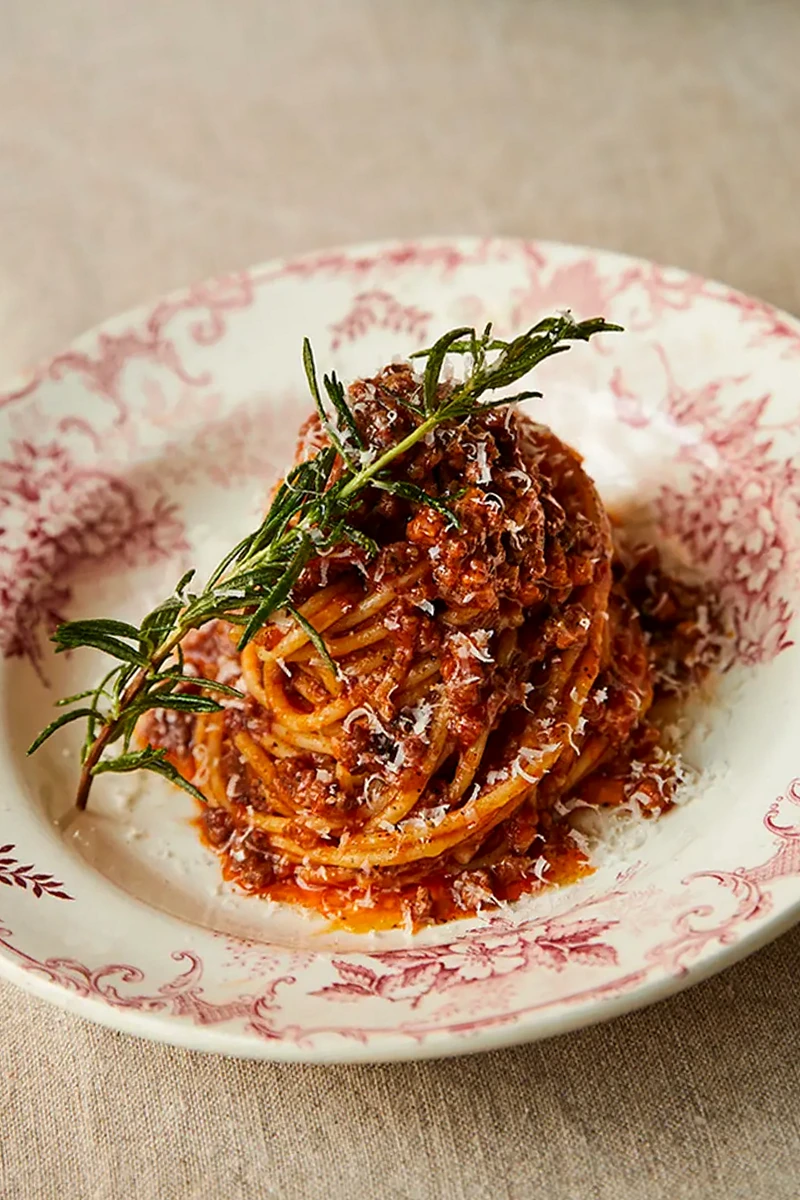
This oven-roasted Bolognese delivers a deep, rich flavor that traditional stovetop versions often lack. It is a hearty, satisfying meal perfect for feeding a large group or preparing for the week ahead.
List of ingredients
- 2 cloves of garlic – peeled and finely chopped for aromatic base.
- 1 onion – peeled and finely diced.
- 2 sprigs of fresh rosemary – leaves picked and finely chopped.
- 6 rashers of smoked beef bacon – finely sliced for a smoky depth.
- Olive oil – for sautéing.
- 500g minced beef – high-quality lean beef works best.
- 200ml beef broth – a rich, unsalted alternative to red wine.
- 1 x 280g jar of sun-dried tomatoes – drained and processed into a paste.
- 2 x 400g tins of plum tomatoes – high-quality canned tomatoes.
- 500g dried spaghetti – classic durum wheat pasta.
- Parmesan cheese – made with microbial rennet.
- Extra virgin olive oil – for the final toss and serving.
step-by-step instructions
- Prepare the oven: Preheat your oven to 180ºC/350ºF/gas 4.
- Prep the aromatics: Peel and finely chop the garlic and onions, pick and finely chop the rosemary, and finely slice the beef bacon.
- Sauté the base: Heat a splash of olive oil in a casserole pan on medium heat. Add the beef bacon, rosemary, garlic, and onion, cooking for 5 minutes until softened, stirring occasionally.
- Brown the meat: Add the minced beef to the pan, breaking it apart with the back of a spoon. Cook for 2 to 3 minutes until it starts to brown, then pour in the beef broth and let it bubble and reduce.
- Incorporate tomatoes: Drain the sun-dried tomatoes and blitz them into a paste using a food processor. Add this paste to the pan along with the plum tomatoes, stirring well and breaking the plum tomatoes apart slightly.
- Slow roast: Cover the pan with a lid and place it in the oven for 1 hour. Remove the lid after 30 minutes to stir; add a splash of water if the sauce appears too dry.
- Boil the pasta: About 10 minutes before the oven timer ends, cook the spaghetti in boiling salted water according to the packet instructions.
- Finish the pasta: Drain the spaghetti, reserving a mugful of the starchy cooking water. Return the pasta to the pan and mix in a few spoons of Bolognese, a generous grating of Parmesan, and a drizzle of extra virgin olive oil.
- Emulsify: Toss the spaghetti to coat thoroughly, adding splashes of the reserved cooking water to loosen the sauce and create a glossy finish.
- Serve: Divide the spaghetti between plates, top each portion with a generous spoonful of the oven-roasted Bolognese, and finish with a fine grating of Parmesan.
Advanced Cooking Techniques for Depth
Browning the Beef Thoroughly
To maximize flavor, ensure the pan is very hot before adding the minced beef. Allow the meat to sear without stirring for a few minutes to develop a dark brown crust. This process, known as the Maillard reaction, creates complex savory compounds that are essential for a professional-grade ragù.
Utilizing Oven Heat for Emulsion
Cooking the sauce in the oven provides a consistent, surrounding heat that is gentler than a stovetop burner. This allows the fats and liquids to emulsify more effectively over an hour. The result is a cohesive sauce that clings to the pasta rather than separating on the plate.
Concentrating Tomato Flavors
Using a combination of plum tomatoes and sun-dried tomato paste creates two layers of flavor. The plum tomatoes provide the necessary moisture and bright acidity. The sun-dried tomatoes offer a concentrated, sweet, and salty depth that mimics the flavor of a sauce simmered for many hours.
Ingredient Substitutions and Alternatives
Using Alternative Proteins
While minced beef is traditional, you can substitute it with minced turkey or chicken for a leaner version. If using poultry, add a teaspoon of tomato paste or a pinch of smoked paprika to compensate for the loss of the rich beef flavor. Venison mince also works well for a gamier, more rustic taste.
Plant-Based Protein Options
For a vegetarian version, replace the beef and beef bacon with a mixture of brown lentils and finely chopped mushrooms. Lentils provide the necessary texture, while mushrooms offer the umami depth. Use vegetable broth instead of beef broth to keep the dish plant-based.
Cheese Alternatives
If you prefer a sharper taste than Parmesan, try Pecorino Romano, provided it uses microbial rennet. For a creamier finish, stir in a tablespoon of ricotta cheese just before serving. This adds a velvet texture that balances the acidity of the tomatoes.
Herbal Variations
Rosemary provides a woody, pine-like aroma that pairs well with beef. If you prefer a more traditional Italian profile, swap the rosemary for a mix of fresh basil and oregano. Add the basil at the very end of the cooking process to preserve its bright, fresh flavor.
Selecting the Right Pasta Shape
Classic Spaghetti
Spaghetti is the traditional choice for this recipe, providing long strands that are satisfying to twirl. Because the oven-roasted sauce is thick, spaghetti offers a great surface area for the sauce to coat. Ensure you toss the pasta in the pan to avoid clumps.
Tagliatelle and Pappardelle
Wider noodles like tagliatelle or pappardelle are often preferred for heavy meat sauces. These ribbons are sturdier and can hold larger chunks of beef and vegetable. They provide a more luxurious mouthfeel and are ideal for a formal dinner setting.
Rigatoni and Penne
For those who prefer a chunky texture, rigatoni or penne are excellent choices. The hollow centers of these pasta shapes trap the sauce inside, ensuring every bite is packed with flavor. This is particularly useful if you have added extra diced vegetables to your Bolognese.
Gluten-Free Pasta Choices
Corn-based or brown rice pasta can be used as a gluten-free alternative. Be cautious with cooking times, as gluten-free pasta can go from al dente to mushy very quickly. Always rinse the pasta slightly if it releases too much starch, which can make the final sauce gummy.
Serving and Pairing Ideas
Fresh Green Side Salads
A simple arugula or spinach salad with a lemon vinaigrette is the perfect accompaniment. The bitterness of the greens and the acidity of the lemon cut through the richness of the beef and cheese. This balance prevents the meal from feeling too heavy.
Garlic Bread Accompaniments
Serve the pasta with toasted sourdough topped with garlic butter and parsley. The crunchy texture of the bread provides a contrast to the soft pasta. It is also practical for scooping up any remaining sauce left on the plate.
Vegetable Side Dishes
Roasted broccoli or sautéed zucchini can add nutritional value and color to the meal. Lightly charring the vegetables in a pan with olive oil and salt complements the roasted notes of the Bolognese sauce. Avoid overly creamy sides to keep the focus on the ragù.
Storage and Food Safety
Refrigeration Guidelines
Store leftover Bolognese and cooked pasta in separate airtight containers in the refrigerator. The sauce can be kept for up to four days. Keep the temperature at or below 4ºC to ensure food safety and maintain the quality of the ingredients.
Freezing the Sauce
This sauce freezes exceptionally well due to its high tomato and meat content. Portion the sauce into freezer-safe bags or containers, leaving a small gap for expansion. It can be stored in the freezer for up to three months without losing flavor.
Optimal Reheating Methods
To reheat the sauce, place it in a small pot over medium heat and add a splash of water or beef broth. Stir occasionally until heated through. Avoid microwaving the sauce on high heat for long periods, as this can cause the fats to separate and the meat to toughen.
Make-Ahead Strategies
Preparing the Sauce in Advance
You can cook the entire Bolognese sauce a day before you plan to serve it. In many cases, the flavor actually improves overnight as the ingredients continue to meld. Simply reheat the sauce on the stovetop while you boil the fresh pasta.
Pre-Chopping Aromatics
To save time on the day of cooking, chop the onion, garlic, and rosemary in advance. Store them in a small sealed container in the fridge. This reduces the active prep time to just a few minutes before you start sautéing.
Managing Pasta Timing
Never cook the pasta in advance if you are planning to store it. Pasta continues to absorb moisture and will become mushy if stored mixed with the sauce. Always boil the pasta fresh and combine it with the sauce just before serving for the best texture.
Troubleshooting Common Issues
Managing Excess Acidity
If the sauce tastes too acidic due to the canned tomatoes, add a small pinch of sugar or a finely grated carrot. The natural sugars neutralize the acid without making the sauce taste sweet. Stir it in during the last 30 minutes of oven roasting.
Fixing a Dry Sauce
If the sauce looks too thick or dry after coming out of the oven, use the reserved pasta water. The starch in the water helps emulsify the sauce, making it smooth and glossy. Add the water one tablespoon at a time until the desired consistency is reached.
Preventing Pasta Sticking
To stop spaghetti from sticking together, use a large pot of water and stir immediately after adding the noodles. Adding a drizzle of extra virgin olive oil to the pasta during the final tossing stage also creates a barrier that keeps the strands separate.
Frequently Asked Questions
Can I use ground turkey instead of beef?
Yes, ground turkey is a great substitute. However, since turkey is leaner than beef, you may need to add an extra tablespoon of olive oil to the pan to prevent the meat from drying out during the roasting process.
Is this sauce suitable for meal prep?
Absolutely. This recipe yields a large amount of sauce that is perfect for partitioning into weekly lunches. Just remember to store the pasta and sauce separately to maintain the pasta’s structure.
Why is the oven used instead of a stove?
The oven provides a slow, steady heat that penetrates the sauce from all sides. This prevents the bottom from burning while allowing the sauce to reduce slowly, resulting in a deeper, more integrated flavor profile.
How do I ensure the spaghetti stays al dente?
Cook the pasta for one minute less than the package instructions. Since the pasta is tossed in a hot pan with the sauce and then plated, it will continue to cook slightly. This ensures it retains a firm bite.
Print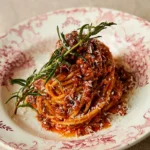
Oven-Roasted Spaghetti Bolognese
- Total Time: 90 minutes
- Yield: 6 servings 1x
- Diet: General
Description
A classic and delicious spaghetti Bolognese, cooked slowly in the oven with rosemary and beef bacon for a deep, rich flavour.
Ingredients
- 2 cloves of garlic
- 1 onion
- 2 sprigs of fresh rosemary
- 6 rashers of smoked beef bacon
- Olive oil
- 500g minced beef
- 200ml beef broth
- 1 x 280g jar of sun-dried tomatoes
- 2 x 400g tins of plum tomatoes
- 500g dried spaghetti
- Parmesan cheese
- Extra virgin olive oil
Instructions
- Step 1: Preheat the oven to 180ºC/350ºF/gas 4.
- Step 2: Peel and finely chop the garlic and onions, pick and finely chop the rosemary, then finely slice the beef bacon.
- Step 3: Heat a splash of oil in a casserole pan on a medium heat, add the beef bacon, rosemary, garlic and onion and cook for 5 minutes, or until softened, stirring occasionally.
- Step 4: Add the minced beef, breaking it apart with the back of a spoon, then cook for 2 to 3 minutes, or until starting to brown, then pour in the beef broth. Leave to bubble and cook away.
- Step 5: Meanwhile, drain and tip the sun-dried tomatoes into a food processor, blitz to a paste, then add to the pan with the tomatoes. Stir well, break the plum tomatoes apart a little.
- Step 6: Cover with a lid then place in the oven for 1 hour, removing the lid and giving it a stir after 30 minutes – if it looks a little dry at this stage, add a splash of water to help it along.
- Step 7: About 10 minutes before the time is up, cook the spaghetti in boiling salted water according to the packet instructions.
- Step 8: Once the spaghetti is cooked, drain, reserving a mugful of cooking water, then return to the pan with a few spoons of Bolognese, a good grating of Parmesan and a drizzle of extra virgin olive oil.
- Step 9: Toss to coat the spaghetti, loosening with a splash of cooking water, if needed.
- Step 10: Divide the spaghetti between plates or bowls, add a good spoonful of Bolognese to each, then serve with a fine grating of Parmesan.
Notes
Ensure the beef is well-browned before adding the broth to maximize the depth of flavour.
- Prep Time: 15 minutes
- Cook Time: 75 minutes
- Category: Pasta
- Method: Oven-baked
- Cuisine: Italian
Nutrition
- Serving Size: 1 serving
- Calories: 620 kcal
- Sugar: 12 g
- Sodium: 850 mg
- Fat: 28 g
- Saturated Fat: 11 g
- Unsaturated Fat: 17 g
- Trans Fat: 0 g
- Carbohydrates: 58 g
- Fiber: 6 g
- Protein: 34 g
- Cholesterol: 85 mg
Keywords: Spaghetti Bolognese, Italian Pasta, Beef Mince, Oven-baked Sauce