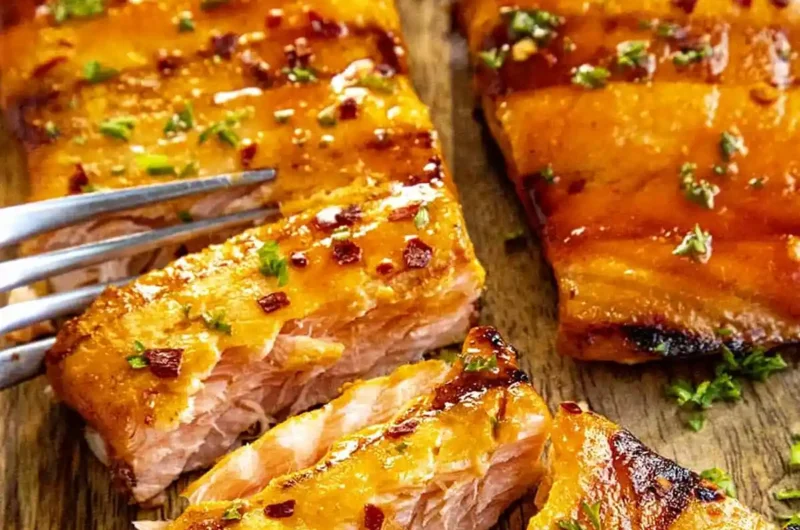
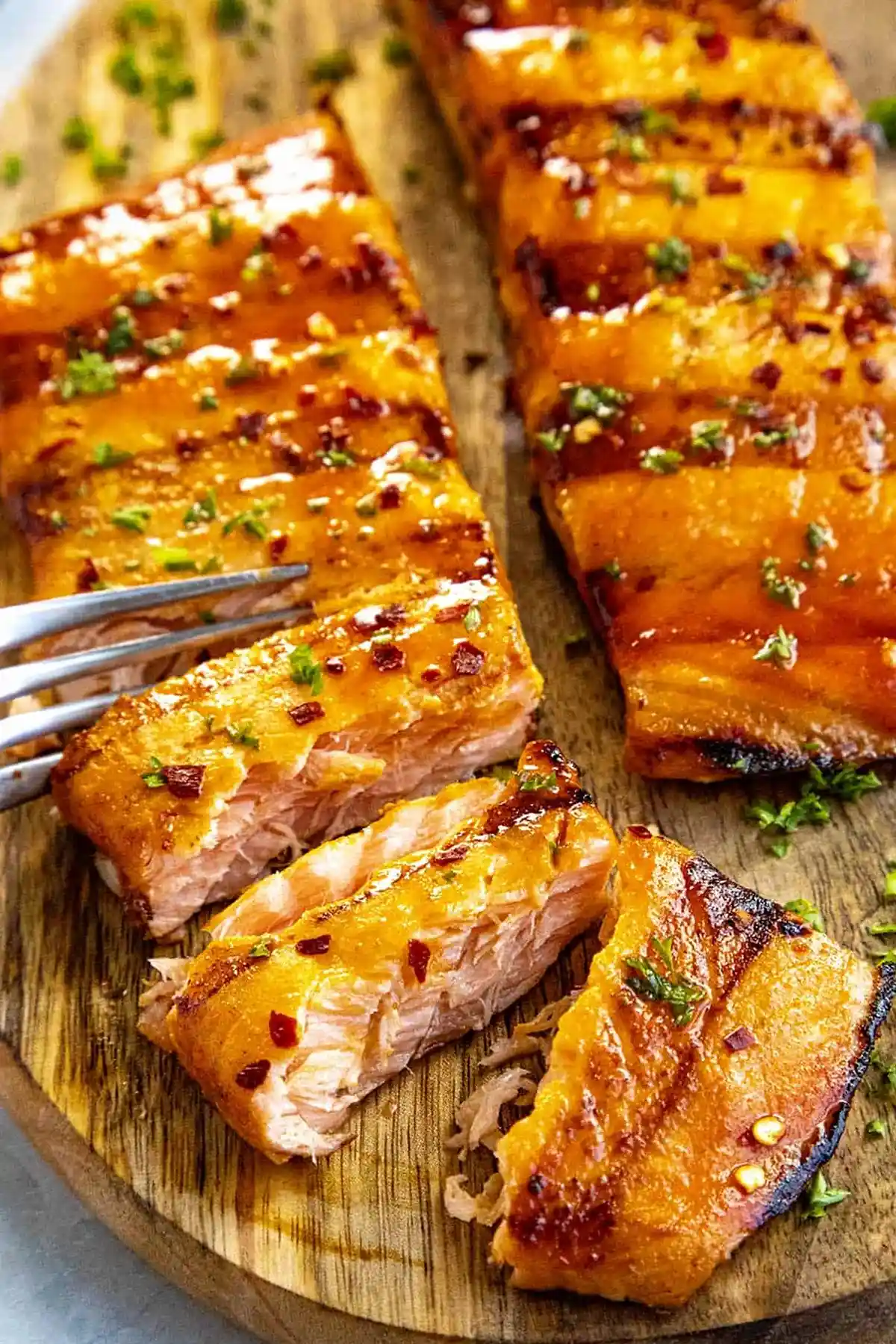
This quick and savory marinade infuses salmon fillets with a bold blend of soy, mustard, and heat. It is an ideal choice for healthy weeknight dinners that require minimal preparation time.
List of ingredients
- 1/4 cup soy sauce – provides a salty, umami base.
- 1/4 cup olive oil – adds moisture and helps with searing.
- 3 tablespoons brown mustard – use spicy brown mustard for a zesty kick.
- 2 tablespoons honey – or use brown sugar for sweetness.
- 2 tablespoons lemon juice – or the fresh juice from half a lemon.
- 1 serrano pepper – diced, optional for those who want extra heat.
- 4 cloves garlic – finely minced.
- 1 teaspoon dried oregano – adds an earthy herbal note.
- 1/2 teaspoon salt – adjust to taste, noting the soy sauce is already salty.
- Red pepper flakes – use 1/4 to 1 teaspoon based on heat preference.
- 2 6-ounce salmon fillets – the main protein.
step-by-step instructions
- Mix the marinade: Whisk together the soy sauce, olive oil, honey or brown sugar, mustard, lemon juice, serranos, garlic, oregano, salt and red pepper flakes in a mixing bowl until well combined.
- Marinate the fish: Place the salmon in a large zip-top bag and pour the marinade over it. Seal the bag, gently press out excess air, and refrigerate for 30 minutes to 1 hour. Alternatively, you can use a shallow dish or bowl – just pour the marinade over the salmon, then cover tightly with plastic wrap.
Cooking Methods for Marinated Salmon
Grilling for a Charred Finish
Preheat your grill to medium-high heat and lightly oil the grates to prevent sticking. Remove the salmon from the marinade and pat it dry with paper towels to ensure a better sear and prevent flare-ups. Grill for 4-5 minutes per side, depending on the thickness, until the fish flakes easily with a fork.
Baking for Even Cooking
Set your oven to 400°F and line a baking sheet with aluminum foil or parchment paper for easy cleanup. Pat the marinated salmon dry and place it skin-side down on the pan. Bake for 12-15 minutes, or roughly 4-6 minutes per inch of thickness, until the salmon is just cooked through.
Broiling for a Crisp Top
Place the salmon on a foil-lined pan and position it about 6 inches away from the oven’s heat source. Broil the fillets for 6-8 minutes, keeping a close eye on them to prevent the sugars in the honey from burning. This method creates a caramelized top while maintaining a moist interior.
Air Frying for Quick Results
Preheat the air fryer to 400°F for the most consistent heat. Pat the marinated fillets dry to remove excess moisture and cook for 7-10 minutes. This approach delivers crispy edges and a tender center in a very short amount of time.
Professional Tips for Best Results
Patting the Fillets Dry
Always use paper towels to pat the salmon dry after removing it from the marinade. This step is crucial because excess moisture creates steam, which prevents the fish from developing a golden-brown crust. Proper drying leads to better caramelization and a superior texture.
Removing Pin Bones with Tweezers
Before cooking, carefully inspect the fillets for any remaining pin bones. Use a pair of clean tweezers to pull them out in the direction they are pointing. This ensures a smooth eating experience and prevents surprises during the meal.
Boiling Leftover Marinade for Safety
Never use marinade that has touched raw fish as a finishing sauce without heating it first. To make it safe, pour the leftover marinade into a small saucepan and bring it to a rolling boil. Simmer it for several minutes to kill any bacteria before drizzling it over the cooked fish.
Measuring the Core Temperature
Use an instant-read meat thermometer to ensure the salmon is cooked to your preference. The USDA recommends 145°F for full doneness, but many prefer 125°F to 130°F for a silkier texture. Always insert the probe into the thickest part of the fillet.
Customizing Your Marinade
Swapping Citrus Flavors
While lemon juice provides a classic tang, orange juice is a fantastic alternative for a sweeter, citrusy profile. You can also use lime juice for a more tropical taste that pairs well with the serrano pepper. Adjust the amount based on the acidity of the fruit.
Adding Savory Depth
For a deeper, more complex flavor, consider adding a teaspoon of Worcestershire sauce to the mix. This adds a savory, fermented note that complements the soy sauce. You can also add a pinch of cracked black pepper for a subtle woody heat.
Adjusting the Heat Level
To increase the spice, add more diced serrano peppers or increase the amount of red pepper flakes. If you prefer a mild flavor, omit the fresh peppers entirely and use only a small pinch of flakes. This makes the recipe adaptable for children or spice-sensitive guests.
Sweetness Alternatives
If you do not have honey, brown sugar is an excellent 1:1 substitute that helps with browning. For a vegan-friendly version, maple syrup works well to provide the necessary sweetness. These substitutes maintain the balance between the salty soy and the tangy mustard.
Storage and Meal Prep Advice
Refrigerating the Marinade
You can prepare the marinade up to 5 days in advance of using it. Store the mixture in an airtight container or a glass jar in the refrigerator. Give the marinade a quick whisk before pouring it over the salmon to redistribute the oil and spices.
Freezing for Long Term Use
This marinade can be frozen for up to 3 months in a freezer-safe bag or container. When you are ready to use it, thaw the marinade in the refrigerator overnight. This is a great way to keep a supply of flavor-boosters on hand for quick meals.
Make-Ahead Scheduling
For the best workflow, prep your garlic and serrano peppers at the start of the week. Store the chopped aromatics in oil in the fridge to save time during the actual cooking process. This reduces the 5-minute prep time even further on busy nights.
Ingredient Deep Dive
Choosing the Right Soy Sauce
Regular soy sauce provides a strong, salty punch that defines the marinade. If you are watching your salt intake, low-sodium soy sauce is a suitable replacement. Coconut aminos can also be used for a soy-free, lower-sodium alternative.
Selecting Extra Virgin Olive Oil
Extra virgin olive oil is preferred for its flavor and health benefits. However, if you are grilling at very high temperatures, a neutral oil with a higher smoke point like avocado oil can be used. This prevents the oil from smoking or tasting bitter.
The Role of Spicy Brown Mustard
Spicy brown mustard adds both acidity and a pungent heat that cuts through the richness of the salmon. Dijon mustard is another option, though it is slightly smoother and more refined in taste. The mustard also acts as an emulsifier, helping the oil and soy sauce stay blended.
Using Honey for Caramelization
Honey contains natural sugars that caramelize quickly when exposed to high heat. This creates the dark, glossy exterior typical of professional restaurant salmon. It also balances the saltiness of the soy sauce and the acidity of the lemon.
The Acidity of Fresh Lemon Juice
Freshly squeezed lemon juice is superior to bottled concentrate because it contains bright, volatile oils. The acid in the juice helps tenderize the fish and balances the richness of the olive oil. It also enhances the natural flavor of the salmon.
Adding Heat with Serrano Peppers
Serrano peppers are generally hotter than jalapeños and provide a clean, sharp heat. Dicing them finely ensures that the spice is distributed evenly throughout the marinade. Removing the seeds can lower the heat level if desired.
Pairing Ideas for Marinated Salmon
Serving with Steamed Asparagus
The earthy flavor of steamed asparagus complements the zesty notes of the mustard and lemon. Simply steam the spears for 3-5 minutes until bright green and tender. A squeeze of fresh lemon over the asparagus ties the whole plate together.
Pairing with Quinoa or Brown Rice
Grains like quinoa or brown rice provide a hearty base that absorbs any extra marinade from the fish. Cook the grains in vegetable broth instead of water for added flavor. This turns the meal into a balanced, nutrient-dense dinner.
Adding a Fresh Side Salad
A crisp garden salad with a light vinaigrette provides a refreshing contrast to the spicy salmon. Use mixed greens, cucumber, and cherry tomatoes for a colorful presentation. The acidity of the salad cleanses the palate between bites of savory fish.
Complementing with Roasted Brussels Sprouts
Roasting Brussels sprouts at 400°F until they are charred and crispy adds a smoky element to the meal. Toss them in a bit of olive oil and salt before roasting. Their natural nuttiness pairs perfectly with the honey and soy flavors.
Troubleshooting Common Issues
Preventing the Salmon from Sticking
If your salmon sticks to the grill or pan, it is often because the surface wasn’t hot enough or wasn’t properly oiled. Ensure the cooking surface is preheated and use a fish spatula to gently lift the fillets. Avoid moving the fish too early; it will naturally release once a crust has formed.
Avoiding Overcooked Dry Salmon
Overcooking salmon leads to a chalky texture and the appearance of white albumin proteins on the surface. Use a meat thermometer to pull the fish off the heat a few degrees before it reaches your target temperature. The fish will continue to cook slightly while resting.
Handling Flare-ups on the Grill
Flare-ups occur when the oil or honey from the marinade drips onto the coals. To minimize this, pat the salmon dry before grilling and keep a clean area on the grill to move the fish to if flames become too intense. Using a grill basket can also help manage the heat.
Fixing a Too-Salty Marinade
If the marinade tastes too salty, you can balance it by adding a teaspoon more of honey or a squeeze of extra lemon juice. Adding a small amount of water or unsalted vegetable broth can also dilute the concentration. Always taste a small drop of the sauce before applying it to the fish.
Salmon Preparation FAQs
How long should I marinate the fish?
The ideal marinating time is between 30 minutes and 1 hour in the refrigerator. This allows the flavors to penetrate the fish without damaging the protein structure.
Why shouldn’t I marinate salmon for too long?
Salmon is a delicate fish, and the acids from the lemon juice can begin to ‘cure’ the meat if left too long. This can result in a mushy or chalky texture rather than a flaky, tender finish.
Can I use this on other fish?
Yes, this marinade works well with other meaty fish like swordfish or tuna. It is also excellent for shrimp skewers or scallops, though these should be marinated for a shorter time (15-30 minutes).
What is the best way to check doneness?
A digital meat thermometer is the most accurate method. Insert it into the center of the fillet to ensure it has reached your desired internal temperature for the perfect texture.
Print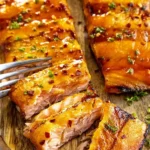
Zesty and Spicy Salmon Marinade
- Total Time: 10 minutes
- Yield: 2 servings 1x
- Diet: General
Description
This spicy salmon marinade recipe makes the most flavorful salmon, made with soy sauce, spicy brown mustard, chili flakes and more.
Ingredients
- 1/4 cup soy sauce
- 1/4 cup olive oil
- 3 tablespoons brown mustard
- 2 tablespoons honey
- 2 tablespoons lemon juice
- 1 serrano pepper, diced
- 4 cloves garlic, minced
- 1 teaspoon dried oregano
- 1/2 teaspoon salt
- 1/4 to 1 teaspoon red pepper flakes
- 2 6-ounce salmon fillets
Instructions
- Whisk: Whisk together the soy sauce, olive oil, honey or brown sugar, mustard, lemon juice, serranos, garlic, oregano, salt and red pepper flakes in a mixing bowl until well combined.
- Marinate: Place the salmon in a large zip-top bag and pour the marinade over it. Seal the bag, gently press out excess air, and refrigerate for 30 minutes to 1 hour. Alternatively, you can use a shallow dish or bowl – just pour the marinade over the salmon, then cover tightly with plastic wrap.
Notes
Marinate salmon for 30 minutes to 1 hour to prevent the acids from curing the fish and changing the texture. Always pat the fish dry after marinating for the best searing and caramelization.
- Prep Time: 5 minutes
- Cook Time: 5 minutes
- Category: Main Course
- Method: Marinating
- Cuisine: American
Nutrition
- Serving Size: 1 fillet
- Calories: 368 kcal
- Sugar: 19 g
- Sodium: 3243 mg
- Fat: 28 g
- Saturated Fat: 4 g
- Unsaturated Fat: 24 g
- Trans Fat: 0 g
- Carbohydrates: 25 g
- Fiber: 1 g
- Protein: 8 g
- Cholesterol: 70 mg
Keywords: marinade, salmon, soy sauce, spicy