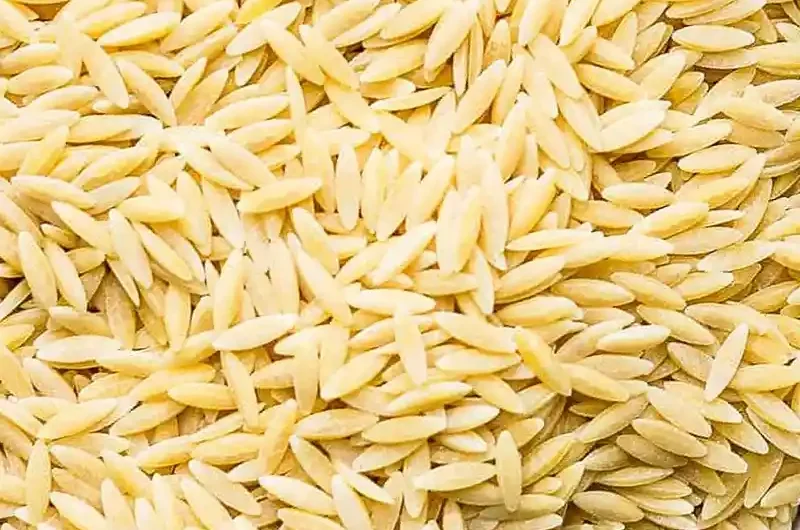
Learn how to prepare perfectly cooked orzo using a simple stove-top method. This versatile rice-shaped pasta is an excellent addition to soups, salads, and side dishes.
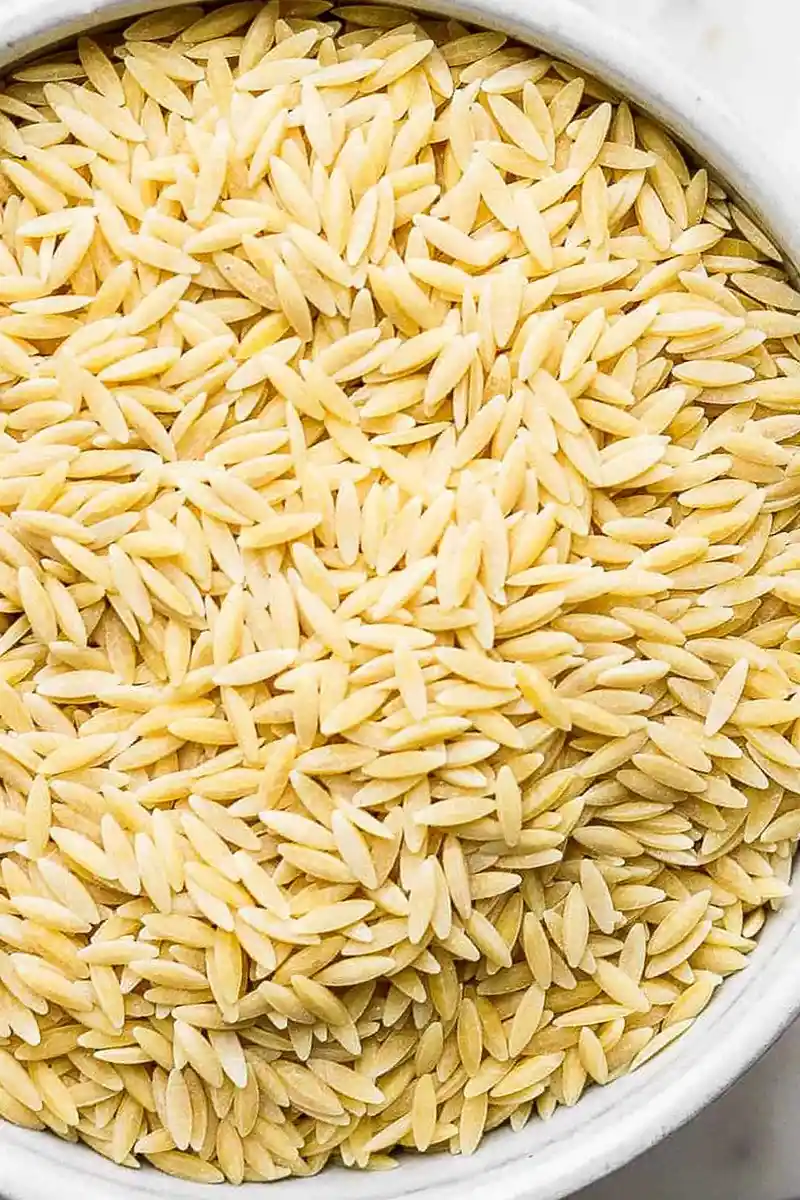
List of ingredients
- 2 cups water or broth – use broth for added depth of flavor.
- 1 cup uncooked orzo – a small, rice-shaped pasta.
- 1 tablespoon butter or ghee – adds richness and prevents sticking.
- 1 teaspoon kosher salt – enhances the overall taste of the pasta.
step-by-step instructions
- Boil: Add 2 cups of water or broth to a medium saucepan. Cover the pot and bring the liquid to a rolling boil over medium-high heat. Once boiling, stir in 1 cup of uncooked orzo.
- Simmer: Remove the cover and let the pasta gently simmer for 8 to 12 minutes. Use 8 minutes for an al dente texture and longer for a softer consistency. Check the pasta periodically to ensure it reaches your preferred doneness.
- Serve: Carefully drain any remaining excess water from the saucepan. Use the cooked orzo immediately in your favorite recipe or serve it as a side dish.
Enhancing the Flavor Profile
Using Vegetable Broth
Replacing plain water with vegetable broth introduces a savory, earthy base to the pasta. This method infuses the orzo with flavor from the inside out during the simmering process.
Incorporating Ghee for Richness
Using ghee instead of butter provides a nuttier flavor and a higher smoke point. It adds a velvety texture to the grains and helps prevent them from clumping together.
Adding Dried Garlic Powder
Adding a half teaspoon of garlic powder to the boiling water provides a subtle aromatic quality. This is a practical way to add depth without needing to sauté fresh garlic first.
Infusing Dried Herbs
Adding a pinch of dried oregano or thyme to the pot while the orzo simmers creates a Mediterranean profile. These herbs release their oils into the water and coat the pasta evenly.
Using a Squeeze of Fresh Lemon
Stirring in fresh lemon juice immediately after draining the pasta brightens the flavor. The acidity cuts through the richness of the butter and refreshes the palate.
Adding Onion Powder
A small amount of onion powder added to the liquid provides a sweet, savory undertone. It complements both water and broth bases without altering the texture of the pasta.
Adding a Pinch of Nutmeg
A tiny pinch of nutmeg can be added to orzo when serving it with creamy sauces. This spice adds a warm complexity that pairs well with cheese or cream.
Achieving the Perfect Texture
Cooking for Al Dente Results
To achieve an al dente texture, stop the cooking process at exactly 8 minutes. This leaves the pasta with a slight firmness in the center, which is ideal for salads.
Simmering for a Softer Consistency
Allow the orzo to simmer for 12 minutes if you prefer a softer, more tender grain. This is the best approach when using the pasta as a thickener for creamy soups.
Preventing Pasta Sticking
Stirring the orzo occasionally during the simmering phase prevents the grains from sticking to the bottom of the pan. The addition of butter also creates a barrier that keeps the grains separate.
Managing Heat Levels
Keep the heat on a gentle simmer rather than a rolling boil after adding the pasta. High heat can cause the liquid to evaporate too quickly, leading to unevenly cooked grains.
The Role of Constant Stirring
Frequent stirring releases starches from the pasta, which can create a naturally creamier consistency. However, over-stirring can break the small grains, so moderate movement is best.
Checking for Precise Doneness
Taste a few grains every two minutes after the 8-minute mark. This ensures you catch the exact moment the pasta reaches your desired level of softness.
Handling Excess Liquid
If there is too much water left after the orzo is cooked, drain it through a fine-mesh strainer. This prevents the final dish from becoming watery or soup-like.
Versatile Serving Ideas
Creating Cold Pasta Salads
Toss cooked and cooled orzo with cherry tomatoes, cucumbers, olives, and feta cheese. Add a lemon-olive oil vinaigrette for a refreshing Greek-style side dish.
Preparing a Warm Side Dish
Mix the hot orzo with grated parmesan cheese and fresh parsley. This creates a simple, buttery accompaniment for grilled chicken or roasted fish.
Incorporating Orzo into Soups
Add cooked orzo to lemon chicken soup or vegetable broth just before serving. Adding it at the end prevents the pasta from absorbing all the broth in the pot.
Developing a Creamy Pasta Base
Stir in a splash of heavy cream or a dollop of cream cheese to the drained orzo. This transforms the pasta into a rich, risotto-like dish without the constant stirring.
Using Orzo as a Stuffing
Mix cooked orzo with sautéed onions, carrots, and celery to create a filling for bell peppers or zucchini. Bake the stuffed vegetables until the shells are tender.
Breakfast Orzo Bowls
Treat cooked orzo like a grain bowl by adding a poached egg and sliced avocado on top. Season with salt, pepper, and a drizzle of sriracha for a savory breakfast.
Baking an Orzo Casserole
Combine cooked orzo with marinara sauce and mozzarella cheese in a baking dish. Bake at 350 degrees Fahrenheit until the cheese is bubbly and golden brown.
Storage and Preservation
Cooling Before Storage
Allow the cooked orzo to cool to room temperature before placing it in a container. This prevents steam from building up, which can make the pasta mushy.
Using Airtight Containers
Store the pasta in a glass or plastic airtight container to keep out moisture and odors. This helps maintain the quality and flavor of the pasta for several days.
Refrigeration Lifespan
Cooked orzo can be safely stored in the refrigerator for up to 5 days. Ensure the container is sealed tightly to prevent the grains from drying out.
Freezing Techniques
Freeze orzo in small portions using freezer-safe bags or containers. Spread the pasta in a thin layer to avoid it freezing into one solid block.
Preventing Clumping in the Fridge
Toss the cooked orzo with a teaspoon of olive oil before refrigerating. The oil creates a thin coating that prevents the grains from sticking together during storage.
Labeling Your Containers
Mark your storage containers with the date of preparation. This ensures you use the pasta while it is still at peak freshness and safety.
Reheating Methods
Stovetop Reheating
Place the refrigerated orzo in a saucepan over low heat. Add a tablespoon of water or broth to loosen the grains as they warm through.
Microwave Reheating
Place a portion of orzo in a microwave-safe bowl and cover it with a damp paper towel. Heat in 30-second intervals, stirring in between to ensure even warming.
Oven Reheating
Place the orzo in an oven-safe dish and add a small amount of butter or cream. Cover with foil and heat at 300 degrees Fahrenheit until warmed through.
Adding Fresh Liquid for Texture
Always add a splash of liquid when reheating to restore the original moisture. This prevents the pasta from tasting dry or becoming rubbery.
Avoiding Overcooking During Reheating
Heat the pasta only until it is warm, rather than bringing it back to a boil. Overheating can cause the starch to break down and make the orzo overly soft.
Troubleshooting Common Issues
Fixing a Mushy Texture
If the orzo becomes too soft, reduce the simmering time by one or two minutes next time. To fix already mushy orzo, avoid adding more liquid or stirring it excessively.
Dealing with Hard Centers
Hard centers indicate the pasta was undercooked or the heat was too low. Add a small amount of water and simmer for an additional two minutes to finish cooking.
Solving Clumping After Cooling
If the pasta clumps together after refrigeration, rinse it briefly under warm water. This gently separates the grains without overcooking them.
Managing Too Much Liquid
If the liquid has not absorbed after 12 minutes, simply drain the excess through a strainer. Do not keep boiling the pasta to remove the water, as this will overcook it.
Improving a Bland Taste
If the cooked orzo tastes bland, stir in a small amount of salt or a squeeze of lemon juice. You can also toss it with a bit of melted butter or olive oil.
Frequently Asked Questions
What is the ideal orzo to water ratio?
The standard ratio is 1 cup of uncooked orzo to 2 cups of water or broth. This provides enough liquid to cook the pasta while leaving a small amount to drain.
Is orzo a type of rice?
No, orzo is actually a type of pasta made from durum wheat. It is shaped like a large grain of rice, which is why it is often mistaken for a grain.
Can I toast orzo before boiling?
Yes, sautéing the dry orzo in butter for 2-3 minutes until golden brown adds a nutty flavor. After toasting, proceed with adding the water or broth as usual.
How long does cooked orzo last in the fridge?
When stored in an airtight container, cooked orzo lasts for up to 5 days. Keep it chilled and add a bit of oil to prevent clumping.
Can I use a slow cooker for orzo?
Orzo cooks very quickly and is likely to become mushy in a slow cooker. It is better to cook it on the stove and stir it into slow cooker meals at the end.
Does orzo contain gluten?
Since traditional orzo is made from wheat flour, it does contain gluten. Those with gluten sensitivities should look for certified gluten-free alternatives.
How do I prevent orzo from sticking to the pan?
Add a tablespoon of butter or ghee to the liquid and stir the pasta occasionally. Using a non-stick saucepan also helps reduce the chance of sticking.
Can I use milk instead of water?
Using milk or a mixture of milk and water creates a creamier result. Keep the heat low to prevent the milk from scorching on the bottom of the pan.
Should I rinse orzo after cooking?
Rinsing is generally not necessary unless you are making a cold salad. Rinsing removes the surface starch, which helps the grains stay separate in cold dishes.
Can I use a different pot size?
A medium saucepan is ideal because it keeps the liquid depth consistent. Using a pot that is too wide may cause the water to evaporate too quickly.
} Print
How to Cook Orzo
- Total Time: 15 minutes
- Yield: 6 servings 1x
- Diet: Vegetarian
Description
Learn How to Cook Orzo at home with this simple tutorial – perfect for enjoying in a variety of different ways!
Ingredients
- 2 cups water (or broth)
- 1 cup uncooked orzo
- 1 tablespoon butter (or ghee)
- 1 teaspoon kosher salt
Instructions
- Boil: Add 2 cups water to a medium saucepan. Cover and bring to a boil. Add 1 cup uncooked orzo.
- Simmer: Leave uncovered and let gently simmer 8-12 minutes or until cooked to your liking (8 minutes is closer to al dente). Always check your orzo along the way to see if has reached your desired doneness.
- Serve: Drain excess water and use in your favorite recipe (we love this Greek orzo salad!).
Notes
Optional: you can add a teaspoon salt and a tablespoon of butter to the water for additional flavor. Storage: store cooked orzo in an airtight container in the refrigerator for up to 5 days.
- Prep Time: 5 minutes
- Cook Time: 10 minutes
- Category: How-To
- Method: Stove Top
- Cuisine: American
Nutrition
- Serving Size: 1 serving
- Calories: 93 kcal
- Sugar: 1 g
- Sodium: 5 mg
- Fat: 0.4 g
- Saturated Fat: 0.1 g
- Unsaturated Fat: 0.14 g
- Trans Fat: 0 g
- Carbohydrates: 19 g
- Fiber: 1 g
- Protein: 3 g
- Cholesterol: 0 mg
Keywords: orzo, pasta, cooking tutorial, side dish, stove top