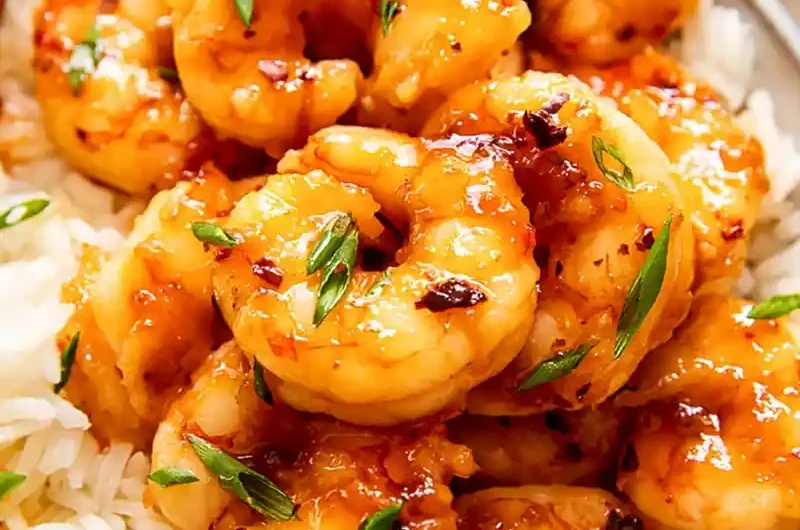
This quick honey garlic shrimp recipe delivers a restaurant-quality meal in just ten minutes. It is an efficient solution for busy weeknights when you need a flavorful, high-protein dish.
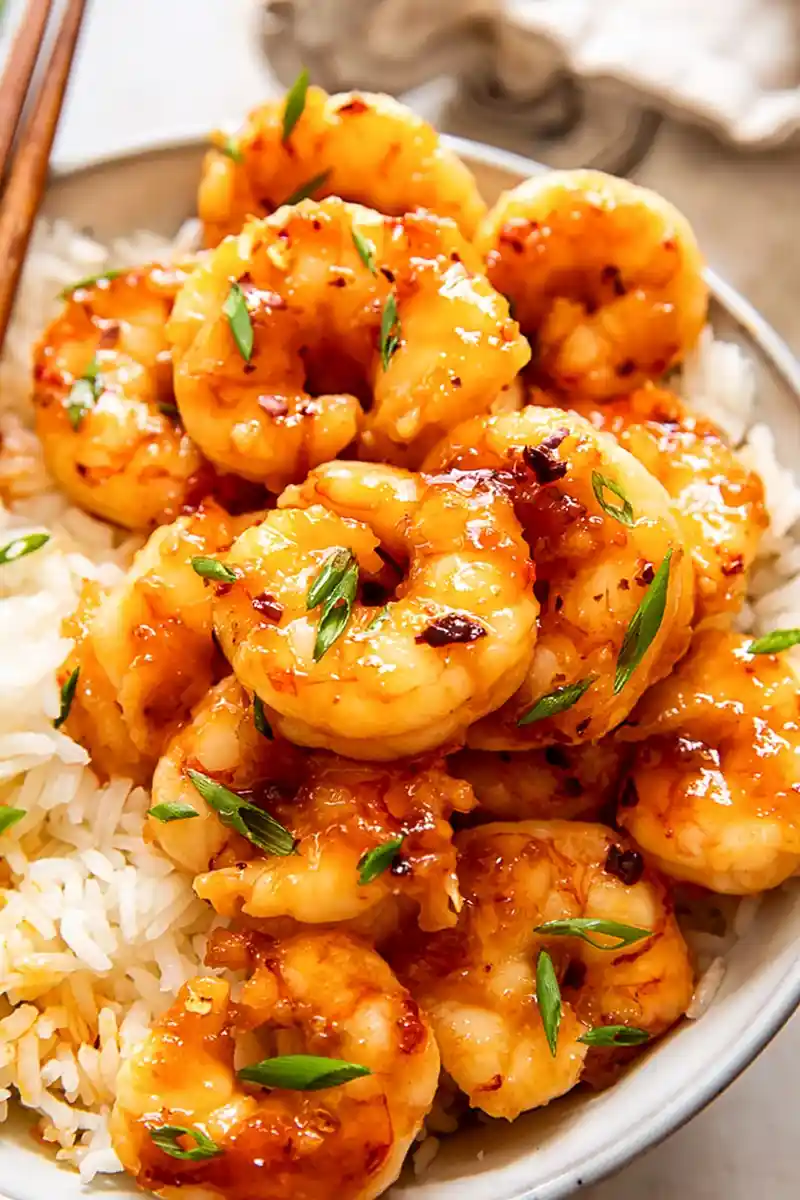
List of ingredients
- 450g / 1lb shrimp, peeled and deveined – ensure they are patted dry for a better sear.
- 1 tbsp light soy sauce – adds saltiness and depth to the coating.
- 1 tbsp cornstarch – essential for the velveting process and sauce thickening.
- 2 tbsp vegetable oil – used for high-heat frying.
- 3-4 cloves garlic, minced – provides a pungent, aromatic base.
- 1 tbsp ginger paste or grated ginger – adds a zesty, warm flavor profile.
- 4 tbsp honey – creates the signature sticky, sweet glaze.
- 1/4 tsp chilli flakes (optional) – adds a subtle heat to balance the honey.
- 2 green onions, sliced – used for a fresh, colorful garnish.
step-by-step instructions
- Prepare the velveting coating: In a medium bowl, whisk together the light soy sauce and cornstarch until smooth. Add the peeled and deveined shrimp to the bowl and toss thoroughly to ensure every piece is coated. Set this mixture aside to let the flavors penetrate the shrimp.
- Sauté the aromatics: Heat the vegetable oil in a non-stick frying pan over medium heat. Add the minced garlic and ginger paste, sautéing them for no more than 30 seconds to avoid burning.
- Sear the shrimp: Add the coated shrimp to the pan in a single layer. Cook for 1-2 minutes per side, depending on the size of the shrimp, until they turn opaque and pink.
- Apply the glaze: Pour the honey and optional chilli flakes directly over the shrimp. Toss quickly to coat the seafood in the bubbling glaze and immediately remove the pan from the heat to prevent the honey from scorching.
- Final touch: Sprinkle the sliced green onions over the dish for garnish. Serve immediately over rice or as a standalone appetizer.
Mastering the Cooking Process
The Science of Velveting Shrimp
Velveting is a Chinese cooking technique that uses a cornstarch and liquid marinade to create a protective barrier. This coating prevents the delicate proteins in the shrimp from tightening too quickly under high heat. The result is a succulent, tender texture that resists drying out during the searing process.
Selecting the Right Shrimp Variety
Large Argentine red shrimp are ideal for this recipe because they are firmer and meatier than smaller cold-water varieties. Their robust texture allows them to hold up well against the sticky honey glaze. If using smaller shrimp, reduce the cooking time significantly to avoid a rubbery consistency.
Maintaining Optimal Pan Temperature
The pan should be shimmering but not smoking before you add the aromatics. Medium heat is critical because honey and garlic can burn rapidly, turning bitter. If the oil is too hot, the garlic will brown instantly, ruining the delicate flavor balance.
Controlling Garlic Sauté Times
Garlic should only be sautéed for 30 seconds to release its essential oils without scorching. Once the fragrance becomes apparent, immediately add the shrimp. The moisture from the shrimp helps lower the pan temperature, protecting the garlic from burning.
Ingredient Substitutions and Modifications
Using Maple Syrup as a Honey Alternative
Pure maple syrup can be substituted for honey in a 1:1 ratio for a different flavor profile. Maple syrup provides a deeper, woody sweetness compared to the floral notes of honey. The sauce will still thicken, though it may be slightly less viscous than the honey version.
Gluten-Free Soy Sauce Substitutes
For a gluten-free version, replace light soy sauce with tamari or coconut aminos. Tamari offers a similar salty depth, while coconut aminos are slightly sweeter and lower in sodium. If using coconut aminos, you may want to reduce the amount of honey slightly.
Adjusting Heat with Chilli Flakes
The amount of chilli flakes can be adjusted based on your preference for spice. For a mild heat, stick to 1/4 teaspoon or omit them entirely. To create a spicy kick, increase the amount to a full teaspoon or add a squeeze of Sriracha at the very end.
Substituting Fresh Ginger
While fresh grated ginger is preferred for its bright zing, ginger paste is a convenient time-saver. If only ground ginger powder is available, use 1/4 teaspoon to replace one tablespoon of paste. Be careful not to over-use the powder, as it can become overpowering.
Serving Suggestions and Pairings
Serving with Steamed Jasmine Rice
Fluffy jasmine rice is the traditional pairing for this dish as it absorbs the excess honey garlic sauce. The neutral flavor of the rice balances the intense sweetness and saltiness of the glaze. For a cleaner presentation, mold the rice into a bowl before inverting it onto the plate.
Complementing with Stir-Fried Vegetables
Adding a side of steamed broccoli, snap peas, or bok choy increases the nutritional value of the meal. Sauté these vegetables in the same pan before cooking the shrimp to pick up the remaining oil flavors. The crunch of the vegetables contrasts well with the tender shrimp.
Incorporating Coconut Rice
Replacing water with coconut milk when cooking your rice adds a creamy, tropical dimension to the meal. The richness of the coconut milk complements the ginger and soy sauce perfectly. This variation transforms the dish into a more decadent dinner option.
Plating for Appetizer Service
To serve this as a starter, place the shrimp on a platter with toothpicks for easy grabbing. Garnish with extra sliced green onions and a few lemon wedges on the side. The acidity of the lemon juice cuts through the sweetness of the honey glaze.
Storage and Food Safety
Refrigeration Guidelines for Seafood
Leftover honey garlic shrimp should be stored in an airtight glass container in the refrigerator. They will remain safe to eat for 3 to 4 days. Ensure the shrimp are completely cooled before sealing the lid to prevent excess condensation.
Long-Term Freezer Storage
If you need to freeze the shrimp, place them on a baking sheet first to freeze individually. This prevents them from clumping together into one large mass. Once frozen, transfer them to a heavy-duty freezer bag and store for up to 3 months.
Safe Thawing Procedures
Thaw frozen shrimp slowly in the refrigerator overnight to maintain the best texture. Avoid thawing them on the counter at room temperature to prevent bacterial growth. If you are in a rush, place the sealed bag in a bowl of cold water, changing the water every 30 minutes.
Identifying High-Quality Fresh Shrimp
Fresh shrimp should have a mild, salty scent reminiscent of the ocean, with no ammonia smell. The flesh should be translucent and firm to the touch, not mushy. Avoid shrimp that have developed black spots on the shell or head, as this indicates oxidation.
Reheating Methods for Best Texture
Pan-Searing for Reheating
The best way to reheat these shrimp is in a non-stick skillet over medium heat. Add a teaspoon of water or vegetable broth to the pan to loosen the glaze. Toss the shrimp quickly for 1-2 minutes just until warmed through to avoid overcooking.
Microwave Reheating Techniques
When using a microwave, use a medium power setting rather than high heat. Heat the shrimp in short 30-second intervals, stirring in between. This prevents the shrimp from reaching high temperatures too quickly, which causes them to become rubbery.
Preventing Rubbery Texture During Reheating
The key to reheating seafood is to avoid boiling the proteins again. Stop heating the moment the shrimp are warm to the touch. Overheating during the second cook cycle will cause the shrimp to shrink and lose their tenderness.
Troubleshooting Common Issues
Thickening a Runny Sauce
If the glaze appears too thin, continue to simmer it for an additional 30 to 60 seconds. The honey must reach a specific temperature to caramelize and cling to the shrimp. If it remains watery, a tiny pinch of additional cornstarch mixed with water can be stirred in.
Preventing Garlic Oxidation and Burning
If your garlic frequently burns, try adding it to the oil a few seconds later than usual. You can also lower the heat to medium-low just before adding the garlic. Once the shrimp are added, the temperature will stabilize.
Identifying Overcooked Shrimp
Watch the shape of the shrimp as they cook; they should form a loose ‘C’ shape when done. If they curl tightly into an ‘O’ shape, they are overcooked. Overcooked shrimp will be tough and lose their juicy interior.
Balancing Excess Sweetness
If the sauce tastes too sweet, balance the flavor with an acidic component. A squeeze of fresh lime juice or a teaspoon of rice vinegar will cut through the honey. A small pinch of extra salt or soy sauce can also neutralize the sugar.
Frequently Asked Questions
Can I use frozen shrimp?
Yes, frozen shrimp work perfectly as long as they are completely thawed and patted dry with paper towels. Removing excess moisture is essential to ensure the cornstarch coating adheres properly and the shrimp sear rather than steam.
Do I need to peel the shrimp?
Yes, the shrimp must be peeled and deveined for this recipe. Removing the shell allows the honey garlic glaze to coat the meat directly and ensures a better eating experience.
Is cornstarch essential for this recipe?
Cornstarch is highly recommended because it enables the velveting technique and helps the sauce thicken. Without it, the shrimp may dry out more easily, and the sauce will be thinner and less sticky.
How long does this dish last in the fridge?
This dish can be stored in the refrigerator for 3 to 4 days in an airtight container. Beyond this time, the texture of the shrimp may degrade and the flavor of the aromatics may fade.
Print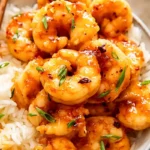
10 Minute Honey Garlic Shrimp
- Total Time: 10 minutes
- Yield: 4 servings 1x
- Diet: General
Description
This delicious honey garlic shrimp takes less than 10 minutes to make!
Ingredients
- 450g / 1lb shrimp (peeled and deveined)
- 1 tbsp light soy sauce
- 1 tbsp cornstarch
- 2 tbsp vegetable oil
- 3–4 cloves garlic
- 1 tbsp ginger paste (or grated ginger)
- 4 tbsp honey
- 1/4 tsp chilli flakes (optional)
- 2 green onions (for garnish)
Instructions
- Step 1: In a medium bowl combine the soy sauce and cornstarch, then add the shrimp and toss to combine. Set aside till needed.
- Step 2: Heat the oil in a non-stick frying pan and cook minced garlic with ginger for no longer than 30 seconds over medium heat, then add the shrimp and cook for 1-2 minutes on each side depending on the size of the shrimp.
- Step 3: Pour in honey and chilli flakes if using, toss to coat the shrimp and take off the heat. Sprinkle with sliced green onions for garnish. Serve over rice or as a starter.
Notes
Use the velveting method to keep shrimp juicy. Pat shrimp dry before marinating. Do not overcook the shrimp to avoid a rubbery texture.
- Prep Time: 5 minutes
- Cook Time: 5 minutes
- Category: Main Course
- Method: Stir Fry
- Cuisine: Chinese
Nutrition
- Serving Size: 1 serving
- Calories: 256 kcal
- Sugar: 17 g
- Sodium: 1138 mg
- Fat: 9 g
- Saturated Fat: 6 g
- Unsaturated Fat: 3 g
- Trans Fat: 0 g
- Carbohydrates: 21 g
- Fiber: 1 g
- Protein: 24 g
- Cholesterol: 286 mg
Keywords: honey garlic shrimp, Chinese shrimp, stir fry, quick dinner, velveting