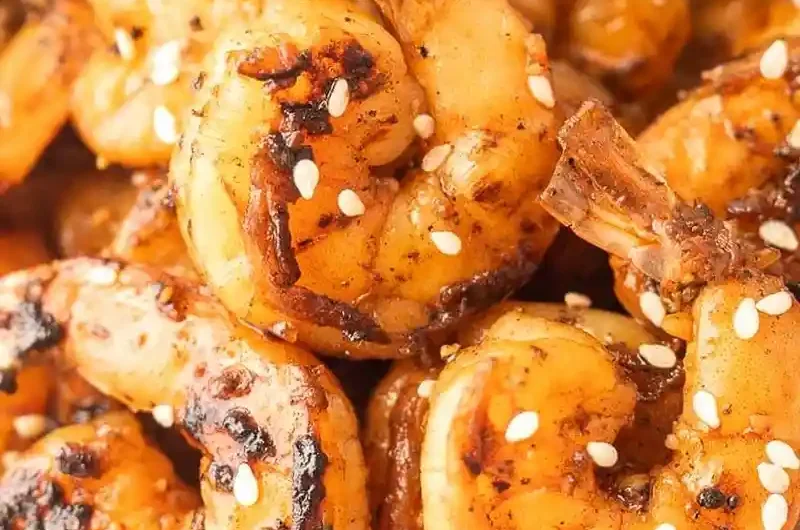
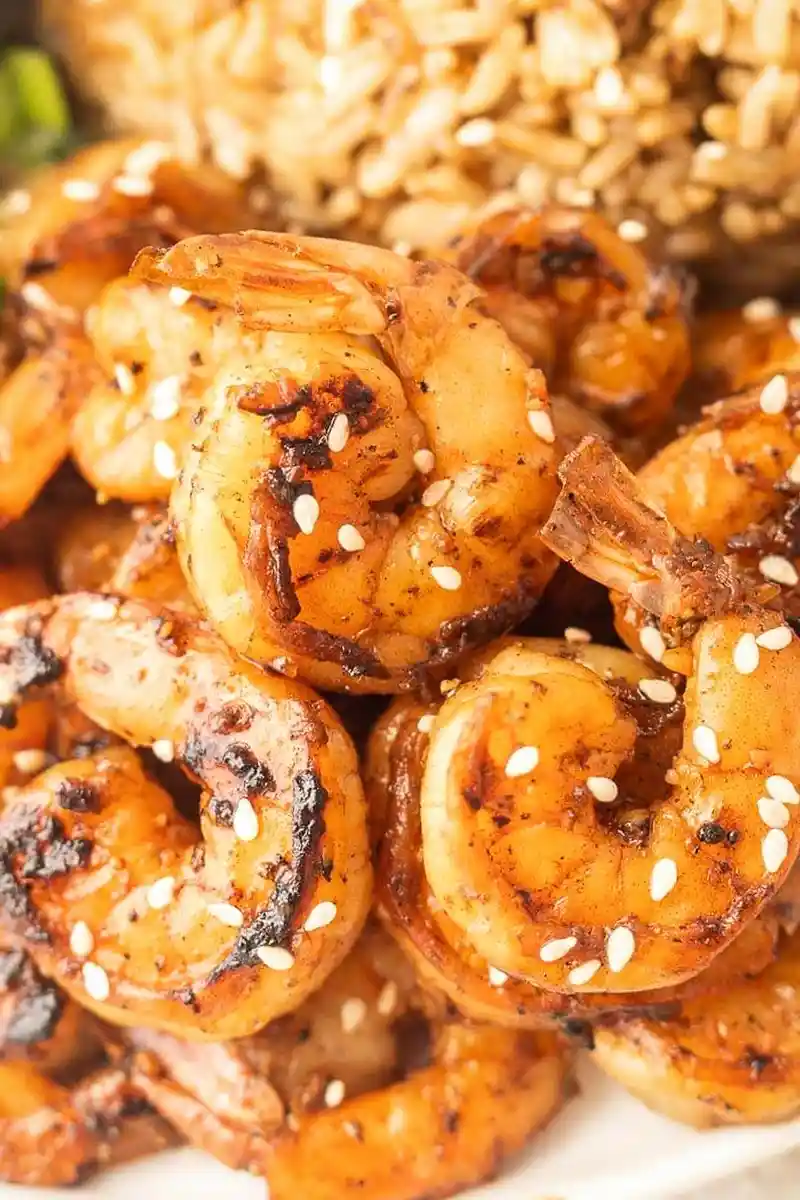
Bring the taste of a Japanese steakhouse into your own kitchen with this fast and flavorful shrimp recipe. This dish focuses on high-heat searing to achieve a professional restaurant finish in under 20 minutes.
List of ingredients
- 1 pound Raw Shrimp (peeled and deveined) – Use jumbo size for a more substantial bite.
- 1 Tablespoon Butter – Unsalted butter allows you to control the sodium levels.
- 2 teaspoon Minced Garlic – Freshly minced cloves provide the most punchy aroma.
- 1 teaspoon Sesame Oil – This adds a toasted, nutty depth to the sauce.
- 2 Tablespoons Soy Sauce – Use low-sodium soy sauce to prevent the dish from becoming too salty.
- 2 Tablespoons Rice Vinegar with a pinch of sugar – A clean, non-alcoholic substitute for mirin.
- 1/4 teaspoon Black Pepper – Adds a subtle heat to balance the sweetness.
step-by-step instructions
- Prep the Pan: Heat a wok, cast iron skillet, or large skillet over medium-high heat. A very hot surface is essential for the authentic hibachi sear.
- Mix the Sauce: In a small bowl, stir together 1 teaspoon sesame oil, 2 tablespoons soy sauce, 2 tablespoons rice vinegar (with sugar), and 1/4 teaspoon black pepper. Set this mixture aside for later.
- Sauté Aromatics: Melt 1 tablespoon butter in the hot skillet, then add 2 teaspoons minced garlic and sauté for about 30 seconds until fragrant. Be careful not to let the garlic brown too quickly.
- Sear the Shrimp: Add 1 pound raw shrimp that has been peeled and deveined to the skillet and stir to coat the shrimp in the butter mixture. Ensure they are in a single layer.
- Apply the Glaze: Pour the sauce mixture over the shrimp and toss to coat the shrimp evenly. Make sure every piece is well-coated in the liquid.
- Final Cook: Cook the shrimp for 4 to 5 minutes, stirring frequently, until the shrimp is pink, cooked through, and lightly seared. Avoid overcooking to maintain a tender texture.
- Serve: Remove from the heat and serve immediately while warm. Transfer to a plate quickly to stop the cooking process.
Professional Cooking Techniques
Selecting the Ideal Cookware
A cast iron skillet or a carbon steel wok is highly recommended for this recipe. These materials distribute heat evenly and maintain a high temperature, which is necessary for searing the shrimp quickly. Avoid thin non-stick pans that may lose heat when the cold shrimp are added.
Mastering Heat Management
Hibachi cooking relies on high temperatures to lock in juices and create charred edges. Ensure your pan is shimmering hot before adding the butter. If the pan is too cool, the shrimp will steam in their own juices rather than searing, resulting in a rubbery texture.
Preventing Pan Overcrowding
Cook the shrimp in batches if your skillet is too small to hold them in a single layer. Overcrowding the pan lowers the surface temperature and releases too much moisture. This prevents the shrimp from developing the golden-brown crust characteristic of steakhouse cooking.
Ingredient Substitutions
Gluten-Free Soy Alternatives
For those avoiding gluten, you can replace the soy sauce with tamari or coconut aminos. Tamari provides a flavor very similar to traditional soy sauce. Coconut aminos are slightly sweeter and lower in sodium, so you may need to add a pinch of extra salt.
Replacing Butter for Oil
If you prefer not to use butter, avocado oil or grapeseed oil are excellent alternatives. These oils have high smoke points, making them safe for high-heat cooking. You will lose some of the creamy richness, but the sear will be just as effective.
Using Garlic Powder
If fresh garlic is unavailable, you can use garlic powder as a substitute. Use about 1/2 teaspoon of garlic powder for every 2 teaspoons of fresh minced garlic. Stir the powder directly into the sauce mixture instead of sautéing it in butter.
Customizing the Sweetener
Since we are using rice vinegar instead of mirin, you can adjust the sweetness to your liking. Adding a teaspoon of honey or maple syrup to the vinegar creates a thicker, glossier glaze. This helps the sauce cling to the shrimp more effectively during the final toss.
Flavor Variations
Adding a Spicy Kick
To give the dish more heat, stir in a teaspoon of sriracha or red chili flakes into the sauce mixture. You can also garnish the finished shrimp with sliced fresh jalapeños. This spicy element cuts through the richness of the butter and sesame oil.
Integrating Fresh Ginger
Freshly grated ginger adds a bright, zingy note that complements the soy and garlic. Add 1 teaspoon of grated ginger to the pan at the same time as the minced garlic. Sauté for 30 seconds before adding the shrimp to infuse the butter with flavor.
Citrus Infused Glaze
Adding a squeeze of fresh lemon or lime juice at the very end of cooking brightens the entire dish. The acidity balances the saltiness of the soy sauce and the sweetness of the vinegar. This is a common technique used to make the flavors pop.
Serving Suggestions
The Classic Hibachi Pairing
Serve this shrimp alongside a heap of garlic fried rice and stir-fried vegetables. Zucchini, carrots, onions, and mushrooms are traditional choices. Use the same soy and sesame oil base for the vegetables to create a cohesive meal.
Low Carb Side Options
For a lower carbohydrate alternative, pair the shrimp with cauliflower rice or steamed broccoli. Sautéed spinach with a touch of garlic also works well. These options maintain the Japanese-inspired flavor profile without the heavy grains.
Dipping Sauce Ideas
A side of creamy Yum Yum sauce is the perfect accompaniment to hibachi shrimp. You can make a simple version using mayonnaise, ketchup, paprika, and a splash of water. The cool, creamy sauce contrasts perfectly with the seared, salty shrimp.
Storage and Reheating
Refrigeration Guidelines
Store leftover shrimp in an airtight container in the refrigerator for up to 3 days. Keep the shrimp separate from any rice or vegetables if you plan to reheat them differently. Ensure the container is fully sealed to prevent the shrimp from absorbing other fridge odors.
Best Reheating Methods
To avoid rubbery shrimp, reheat them quickly over medium heat in a skillet with a teaspoon of butter. Do not microwave them for long periods, as this overcooks the proteins. Heat them just until they are warmed through, which usually takes 1 to 2 minutes.
Freezing Tips
While fresh is best, you can freeze cooked hibachi shrimp for up to two months. Flash freeze them on a tray before transferring them to a freezer bag to prevent clumping. Thaw them in the fridge overnight before reheating in a pan.
Troubleshooting Common Issues
Solving Rubbery Shrimp Texture
If your shrimp feel tough or rubbery, they have likely been overcooked. Shrimp cook very quickly and only need to turn pink and opaque. Remove them from the pan immediately once they curl into a ‘C’ shape rather than a tight ‘O’ shape.
Preventing Burnt Garlic
Garlic burns quickly at high temperatures, becoming bitter. To prevent this, add the garlic to the butter only seconds before adding the shrimp. The moisture from the shrimp will drop the pan temperature slightly, protecting the garlic from burning.
Managing Excess Liquid
If the shrimp release too much water in the pan, your heat may be too low. Increase the temperature and allow the liquid to evaporate before adding the sauce. This ensures the sauce reduces into a glaze rather than becoming a thin soup.
Frequently Asked Questions
Can I use frozen shrimp?
Yes, you can use frozen shrimp as long as they are fully thawed and patted dry. If you add frozen shrimp directly to the pan, they will release excess water and prevent the searing process. Always pat them with a paper towel before cooking.
What is the best shrimp size to use?
Jumbo shrimp (16/20 or 21/25 count) are ideal for hibachi. They are large enough to withstand the high heat without overcooking instantly. Smaller shrimp cook too quickly and can become rubbery before you achieve a proper sear.
How long does it actually take to cook?
The actual cooking time for the shrimp is only 4 to 5 minutes. Most of the total time is spent prepping the sauce and heating the pan. This makes it one of the fastest high-protein meals you can prepare.
Can I make this on an outdoor grill?
Yes, you can use a flat-top grill or a piece of heavy-duty foil on a charcoal grill. Ensure the surface is well-greased with butter or oil to prevent sticking. Follow the same sequence of adding garlic, shrimp, and then the sauce.
Print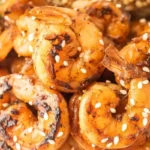
Easy Homemade Hibachi Shrimp
- Total Time: 20 minutes
- Yield: 4 servings 1x
- Diet: Pescatarian
Description
If you love ordering Hibachi Shrimp at the Japanese Steakhouse, enjoy it at home in minutes. Pair with fried rice and hibachi vegetables to complete the meal.
Ingredients
- 1 pound Raw Shrimp (peeled and deveined)
- 1 Tablespoon Butter
- 2 teaspoon Minced Garlic
- 1 teaspoon Sesame Oil
- 2 Tablespoons Soy Sauce
- 2 Tablespoons Rice vinegar
- ¼ teaspoon Black Pepper
Instructions
- Step 1: Heat a wok, cast iron skillet, or large skillet over medium-high heat.
- Step 2: In a small bowl, stir together 1 teaspoon sesame oil, 2 tablespoons soy sauce, 2 tablespoons rice vinegar, and ¼ teaspoon black pepper. Set aside.
- Step 3: Melt 1 tablespoon butter in the hot skillet, then add 2 teaspoons minced garlic and sauté for about 30 seconds until fragrant.
- Step 4: Add 1 pound raw shrimp that has been peeled and deveined to the skillet and stir to coat the shrimp in the butter mixture.
- Step 5: Pour the sauce mixture over the shrimp and toss to coat the shrimp evenly.
- Step 6: Cook the shrimp for 4 to 5 minutes, stirring frequently, until the shrimp is pink, cooked through, and lightly seared.
- Step 7: Remove from the heat and serve immediately while warm.
Notes
Refrigerate the leftovers in an airtight container for up to 3 days.
- Prep Time: 15 minutes
- Cook Time: 5 minutes
- Category: Main Course
- Method: Stir-fry
- Cuisine: Japanese
Nutrition
- Serving Size: 1 serving
- Calories: 135 kcal
- Sugar: 2 g
- Sodium: 1232 mg
- Fat: 5 g
- Saturated Fat: 2 g
- Unsaturated Fat: 2 g
- Trans Fat: 0.1 g
- Carbohydrates: 6 g
- Fiber: 0.1 g
- Protein: 17 g
- Cholesterol: 150 mg
Keywords: hibachi shrimp, Japanese steakhouse, stir fry, quick dinner