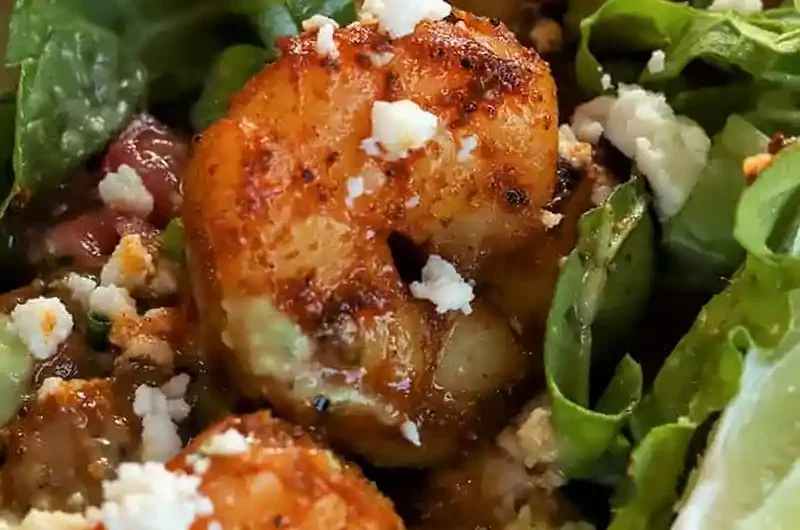
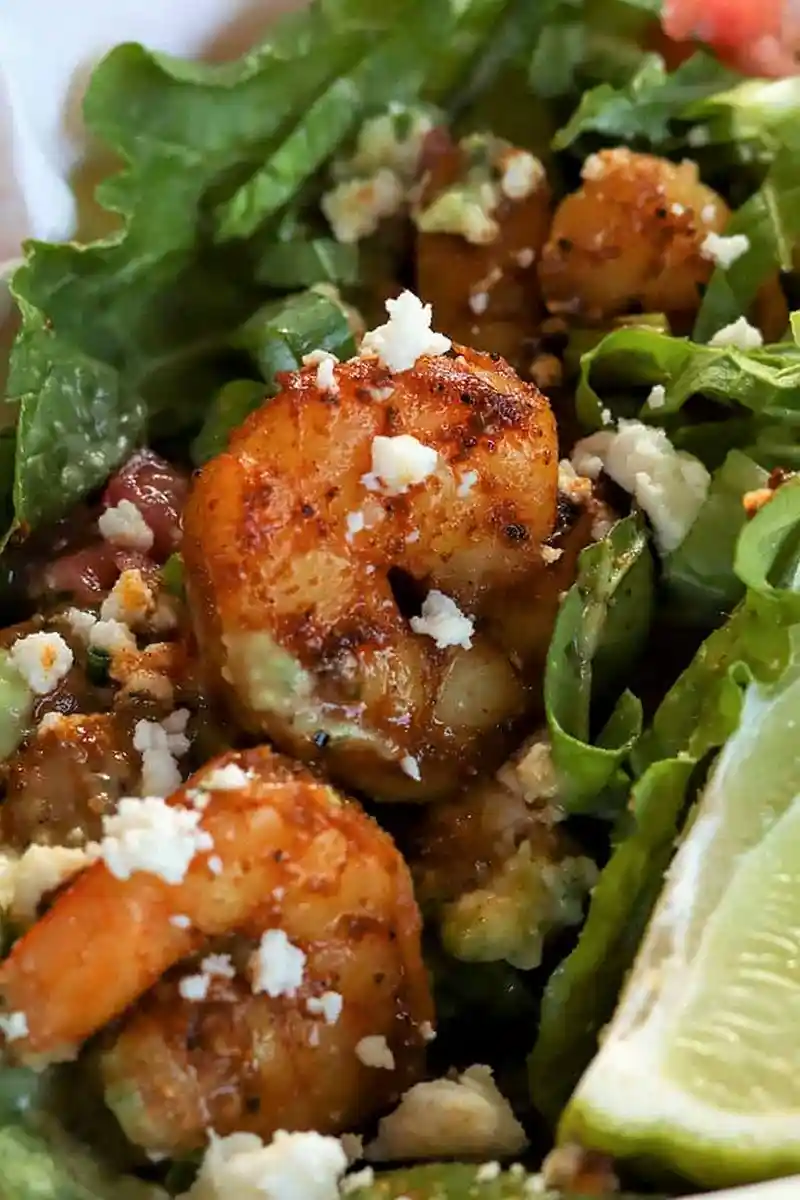
These quick keto shrimp tacos use fresh cabbage leaves instead of tortillas for a low-carb meal. A creamy avocado cilantro dressing provides a rich finish to the seasoned shrimp.
List of ingredients
- 12 ounces large to jumbo shrimp (peeled, deveined, and tail removed) – ensures quick and even cooking.
- 3 tablespoons taco seasoning mix – provides the primary flavor profile.
- 2 tablespoons olive oil – used for sautéing the shrimp.
- 2 tablespoons water – helps the seasoning coat the shrimp evenly.
- 2 cups thinly sliced napa cabbage – used as a crunchy filling.
- 4 large napa cabbage leaves – serve as the low-carb taco shells.
- 1/4 cup queso fresco cheese, crumbled – adds a salty, mild finish (grated cheddar is a suitable alternative).
- Optional taco toppings: diced tomato, green onion, and cilantro – adds freshness and color.
- 1 ripe avocado – the base for the creamy dressing.
- 1/2 cup heavy cream – provides thickness (unsweetened almond milk works for a lighter version).
- 2 tablespoons olive oil – emulsifies the dressing.
- 1/2 cup cilantro – adds herbaceous notes to the sauce.
- 2 tablespoons onion, diced – provides a sharp aromatic base.
- 1 clove garlic, minced – adds depth to the dressing.
- 2 tablespoons lime juice – provides acidity and prevents avocado oxidation.
- 1/2 jalapeno pepper, diced and seeds removed – adds mild heat.
- 1/2 tsp kosher salt – enhances all flavors.
step-by-step instructions
- Prepare Ingredients: Wash and chop all vegetables and ensure shrimp are thawed and patted dry.
- Blend the Dressing: Combine avocado, cream, olive oil, cilantro, onion, garlic, lime juice, jalapeno, and salt in a blender or food processor. Blend until the mixture is creamy and smooth. Taste and add more salt if needed, or dilute with water or extra cream if the consistency is too thick.
- Cook the Shrimp: Heat olive oil in a large skillet over medium-high heat. Sauté the shrimp for 2 minutes. Sprinkle the taco seasoning over the shrimp, pour in the water, and continue to sauté until the shrimp turn pink and all liquid has been absorbed.
- Assemble the Tacos: Place a large cabbage leaf on a plate. Layer the sliced napa cabbage at the bottom, followed by the seasoned shrimp and crumbled cheese. Add optional toppings like diced tomato and green onion. Drizzle the avocado cilantro dressing over the top and serve immediately.
Optimizing the Taco Shell Base
Benefits of Using Napa Cabbage
Napa cabbage is an ideal choice for keto wraps because its leaves are more flexible and less bitter than traditional green cabbage. The structural integrity of the large leaves allows them to hold heavy fillings without tearing easily during assembly.
Switching to Romaine or Butter Lettuce
If napa cabbage is unavailable, Romaine hearts provide a sturdier, crunchier vessel. Butter lettuce is another alternative that offers a softer texture and a milder flavor, though the leaves are more delicate and may tear if overfilled.
Integrating Low Carb Tortillas
For those who prefer a traditional taco experience, almond flour or coconut flour tortillas can be used. Lightly toast these in a dry skillet for 30 seconds per side to improve their texture and prevent them from being too gummy.
Creating Taco Chaffles
A chaffle, made from cheese and egg, serves as a high-fat, low-carb alternative to a shell. Cook the chaffle in a mini waffle maker and fold it while warm to create a rigid U-shape that supports the shrimp and toppings.
Refining the Avocado Cilantro Sauce
Adjusting Sauce Consistency
Depending on the size and ripeness of the avocado, the dressing may vary in thickness. If it is too thick to drizzle, stir in one tablespoon of water or lime juice at a time until the desired flow is achieved.
Controlling the Heat Level
The jalapeno provides a mild kick, but you can adjust the intensity based on preference. For a spicier sauce, leave the seeds in the jalapeno or add a pinch of cayenne pepper to the blender.
Dairy-Free Sauce Alternatives
To make this recipe dairy-free, replace the heavy cream with an equal amount of unsweetened almond milk or cashew cream. This maintains the creamy texture while removing the lactose and animal fats.
Preventing Sauce Discoloration
Avocado-based sauces can brown due to oxidation when exposed to air. The lime juice in this recipe helps slow this process, but storing the sauce in an airtight container with a piece of plastic wrap pressed directly onto the surface will keep it green longer.
Mastering Shrimp Sautéing Techniques
Avoiding Rubbery Texture
Shrimp cook very quickly and become rubbery if overexposed to heat. Only sauté them until they transition from translucent to an opaque pink color, which typically takes 4 to 6 minutes total.
Handling Frozen Shrimp Properly
Always thaw frozen shrimp completely in the refrigerator or under cold running water before cooking. Cooking frozen shrimp directly in the pan releases excess water, which steams the shrimp instead of searing them, resulting in a loss of flavor.
Applying Seasoning for Maximum Flavor
Adding the taco seasoning and water after the initial sear helps create a glaze that clings to the shrimp. This method prevents the spices from burning in the hot oil and ensures every piece of shrimp is evenly coated.
Choosing the Right Shrimp Size
Large or jumbo shrimp are recommended for tacos because they provide a substantial bite and are less likely to overcook instantly. Small shrimp can disappear into the cabbage and may cook too fast to develop a good sear.
Expanding Topping and Cheese Options
Selecting the Best Mexican Cheeses
Queso fresco is preferred for its crumbly texture and salty profile. If unavailable, Cotija is a great substitute, while shredded Monterey Jack or Sharp Cheddar provide a creamier, meltier experience.
Adding Texture with Fresh Vegetables
Diced red onions or radishes add a sharp crunch that cuts through the richness of the avocado dressing. Finely shredded purple cabbage can also be added to the base for extra color and nutrients.
Incorporating Acidic Toppings
Adding pickled red onions or a scoop of fresh pico de gallo introduces a bright acidity. This contrast is essential for balancing the heavy fats found in the cream and avocado.
Adding Creamy Elements
For those wanting additional healthy fats, a dollop of full-fat sour cream or Greek yogurt can be added to the top. These options complement the lime juice and cilantro in the dressing.
Strategic Meal Prep and Storage
Preparing the Dressing in Advance
The avocado cilantro dressing can be made up to 24 hours before serving. Keep it refrigerated in a sealed jar and shake well before using to re-incorporate any separated oils.
Pre-Cooking Shrimp for Fast Assembly
Shrimp can be sautéed and stored in the refrigerator for up to 3 days. When ready to eat, warm them gently in a skillet or microwave to avoid the rubbery texture associated with overheating.
Organizing Components for Lunch
If packing these for lunch, store the cabbage leaves, shrimp, and cheese in separate containers. Keep the dressing in a small condiment cup and assemble the tacos just before eating to prevent the leaves from wilting.
Storing Leftover Cabbage
Thinly sliced napa cabbage stays crisp for several days if stored in a container with a damp paper towel. Ensure the cabbage is completely dry before slicing to extend its shelf life in the fridge.
Effective Reheating Guidelines
Microwave Reheating Method
To reheat pre-cooked shrimp, use a low-power setting and heat in 30-second intervals. This prevents the shrimp from reaching temperatures that would make them tough or chewy.
Stovetop Refresh Technique
Place pre-cooked shrimp in a pan with a teaspoon of olive oil over medium heat for 1 to 2 minutes. This refreshes the exterior sear and warms the shrimp through without overcooking the centers.
Avoiding Heat in the Base
Never reheat the cabbage leaves or the avocado dressing. The cabbage will lose its crunch and become translucent, and the dressing may separate or lose its fresh flavor if heated.
Troubleshooting Common Cooking Issues
Preventing Soggy Cabbage Wraps
Excess moisture from the shrimp or toppings can make the cabbage leaves soggy. Pat the shrimp dry after cooking and add the dressing only at the moment of serving.
Fixing a Separated Dressing
If the dressing separates in the fridge, it is usually due to the olive oil and cream reacting to the cold. Give the jar a vigorous shake or pulse it in the blender for five seconds to re-emulsify.
Dealing with Overcooked Shrimp
If the shrimp have become too firm, avoid further heating. Serving them with extra dressing or a bit of melted butter can help mask the dryness and improve the mouthfeel.
Solving Leaf Breakage
If the cabbage leaves are cracking, try soaking them in ice water for 10 minutes before assembly. This increases the turgor pressure in the plant cells, making the leaves more crisp and flexible.
Frequently Asked Questions
Can I use fish instead of shrimp?
Yes, white fish like cod or tilapia work well. Cut the fish into bite-sized chunks and sear them in the skillet using the same taco seasoning and olive oil ratios until the fish flakes with a fork.
How can I increase the healthy fat in this recipe?
Increase the fat content by adding extra diced avocado on top of the tacos or using a higher ratio of heavy cream in the dressing. You can also add extra crumbled cheese or a side of guacamole.
How can I reduce the fat in this recipe?
Swap the heavy cream for unsweetened almond milk or a splash of water in the dressing. You can also reduce the amount of olive oil used for sautéing or omit the cheese entirely.
Can I use precooked shrimp?
Yes, but avoid cooking them a second time. Toss precooked shrimp with the seasoning and warm them in a skillet over medium-high heat with a little olive oil for only 2 minutes until just warmed through.
Print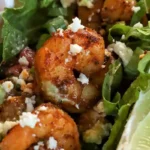
Easy Low Carb Keto Shrimp Tacos with Avocado Cilantro Dressing
- Total Time: 20 minutes
- Yield: 4 servings 1x
- Diet: Keto
Description
Quick and easy keto shrimp taco lettuce wraps featuring a creamy avocado cilantro dressing, ready in less than 20 minutes.
Ingredients
- 12 ounces large to jumbo shrimp (peeled, deveined, and tail removed)
- 3 tablespoons taco seasoning mix
- 2 tablespoons olive oil
- 2 tablespoons water
- 2 cups thinly sliced napa cabbage + 4 large leaves for serving
- ¼ cup crumbled queso fresco cheese
- Diced tomato, green onion, and cilantro (optional)
- 1 ripe avocado
- ½ cup heavy cream or unsweetened almond milk
- 2 tablespoons olive oil (for dressing)
- ½ cup cilantro
- 2 tablespoons diced onion
- 1 minced garlic clove
- 2 tablespoons lime juice
- ½ diced jalapeno pepper (seeds removed)
- ½ tsp kosher salt
Instructions
- Step: Prep and assemble all of your ingredients.
- Step: Blend avocado, cream, olive oil, cilantro, onion, garlic, lime juice, jalapeno pepper, and salt until smooth; adjust salt and consistency as needed.
- Step: Saute shrimp in olive oil over medium-high heat for 2 minutes, then stir in taco seasoning and water until shrimp turn pink and liquid is absorbed.
- Step: Assemble tacos by layering sliced cabbage, shrimp, and cheese on large cabbage leaves, add optional toppings, and drizzle with dressing.
Notes
You can substitute napa cabbage with any large-leaf lettuce. For a dairy-free version, use unsweetened almond milk and omit the cheese.
- Prep Time: 14 minutes
- Cook Time: 6 minutes
- Category: Seafood
- Method: Sautéing
- Cuisine: Mexican
Nutrition
- Serving Size: 1 serving
- Calories: 374 kcal
- Sugar: 1.2 g
- Sodium: 375 mg
- Fat: 30.6 g
- Saturated Fat: 10 g
- Unsaturated Fat: 20.6 g
- Trans Fat: 0 g
- Carbohydrates: 8.2 g
- Fiber: 4.1 g
- Protein: 20.8 g
- Cholesterol: 159 mg
Keywords: keto shrimp tacos, low carb, Mexican, seafood, avocado cilantro dressing