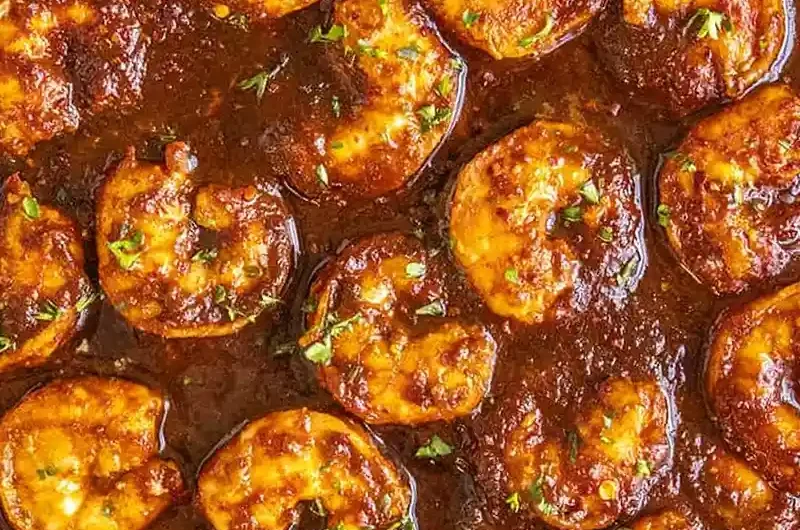
This recipe for Camarones a la Diabla delivers a bold, spicy experience with succulent shrimp simmered in a traditional Mexican chili sauce. It is a versatile dish that functions perfectly as a high-impact appetizer or a satisfying main course.
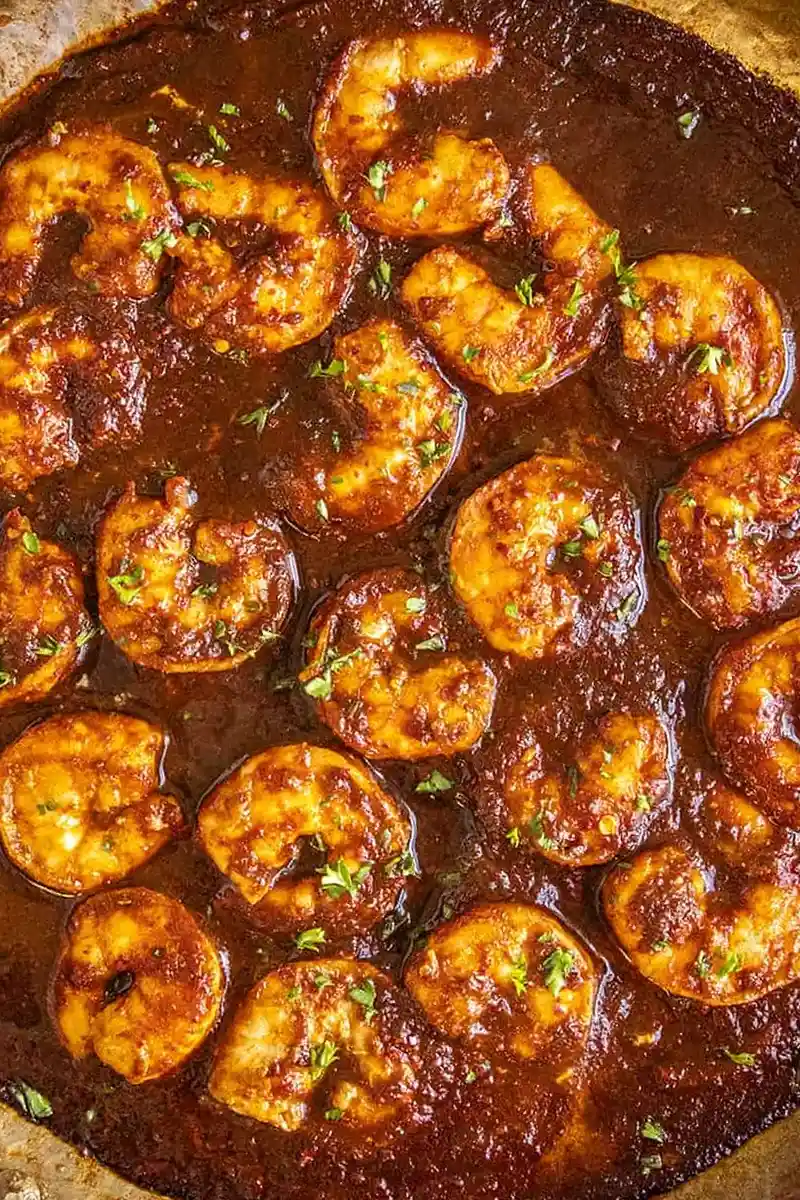
List of ingredients
- 3 ancho peppers – provides a mild, sweet, and fruity base.
- 3 guajillo peppers – adds a tangy flavor and moderate heat.
- 4 chile de arbol peppers – provides the primary sharp spicy kick.
- 2 medium tomatoes, chopped – adds acidity and body to the sauce.
- 1 small onion, chopped – provides a savory aromatic foundation.
- 1 serrano pepper, chopped (optional) – use for additional fresh heat or swap for habanero.
- 4 cloves garlic, chopped – adds pungent depth to the blend.
- 2 tablespoons apple cider vinegar – balances the heat with a sharp tang.
- 1 tablespoon vegetable oil – used for searing the shrimp.
- 1 pound shrimp, peeled and deveined, patted dry – the main protein.
- Salt and pepper to taste – used for seasoning both the sauce and shrimp.
step-by-step instructions
- Prepare the chilies: Rinse the dried ancho, guajillo, and chiles de arbol. Remove the stems and seeds from each pepper. Place them in a large bowl and cover with very hot water, letting them steep for 20 minutes until softened.
- Blend the sauce: Drain the softened peppers and transfer them to a food processor. Add the chopped tomatoes, onion, serrano pepper, garlic, apple cider vinegar, and 1/2 teaspoon of salt. Process until the mixture is smooth. Taste for salt and adjust as needed. If you prefer a finer texture, strain the sauce through a mesh sieve; if it is too thick, thin it with a small amount of water.
- Sear the shrimp: Heat vegetable oil in a pan over medium-high heat. Season the shrimp with salt and pepper. Sear the shrimp for exactly 30 seconds per side to brown the edges without overcooking. Remove the shrimp from the pan and set them aside on a plate.
- Simmer the sauce: Pour the diablo sauce into the same pan and reduce the heat to medium. Simmer for approximately 10 minutes to allow the flavors to meld and the sauce to reduce slightly.
- Combine and finish: Return the seared shrimp to the pan and toss them in the sauce. Simmer for an additional 1-2 minutes until the shrimp are fully cooked through and heated. Serve immediately.
Optimizing Your Chili Selection
The Role of Ancho Peppers
Ancho peppers are dried poblano peppers and are essential for providing a deep, raisin-like sweetness. They offer a mild heat level that prevents the sauce from becoming one-dimensional. Using high-quality ancho pods ensures a rich, dark red color in the final sauce.
Guajillo Peppers for Depth
Guajillo peppers bring a distinct tanginess and a smooth, leather-like flavor profile. They sit in the middle of the heat spectrum, bridging the gap between the sweet ancho and the hot arbol. These peppers contribute to the overall thickness and viscosity of the simmered sauce.
Chile de Arbol for Intensity
The chile de arbol is responsible for the signature “diablo” heat of this dish. These small, potent peppers provide a sharp, clean spice that lingers on the palate. If you prefer a milder dish, you can reduce the number of arbol peppers or omit them entirely.
Heat Management and Customization
Using Serrano for Fresh Heat
Adding a fresh serrano pepper introduces a bright, grassy heat that differs from the smokiness of the dried chilies. This provides a layer of complexity to the sauce. Ensure the pepper is finely chopped to distribute the heat evenly throughout the blend.
Switching to Jalapeno for Mildness
For those who find serranos too intense, a jalapeno is an excellent substitute. Jalapenos offer a similar fresh pepper flavor but with significantly less heat. This modification makes the dish more accessible for guests who are sensitive to spice.
Habaneros for Maximum Spice
To increase the heat to a professional level, replace the serrano with a habanero pepper. Habaneros are significantly hotter and carry a tropical, fruity aroma. Use only half a habanero if you want to avoid overwhelming the other flavors in the sauce.
Omitting Fresh Peppers
You can skip the fresh pepper entirely if you want the flavor of the dried pods to be the sole focus. The dried ancho, guajillo, and arbol peppers provide sufficient heat and flavor on their own. This results in a more concentrated, earthy taste.
Essential Shrimp Preparation Tips
Patting Shrimp Dry for Better Searing
Always pat the shrimp thoroughly dry with paper towels before seasoning. Excess moisture creates steam in the pan, which prevents the shrimp from developing a golden-brown crust. Dry shrimp sear quickly and develop a better flavor through the Maillard reaction.
Preventing Rubberiness by Monitoring Cook Time
Shrimp cook very quickly and can become rubbery if overexposed to heat. The initial 30-second sear is intended only to color the outside. The final simmer in the sauce completes the cooking process, so avoid leaving them in the pan for too long.
Choosing the Right Shrimp Size
Large shrimp or prawns are ideal because they hold up better during the two-stage cooking process. Smaller shrimp may shrink significantly or overcook during the final simmer. If using smaller shrimp, reduce the final simmering time to 60 seconds.
Ingredient Substitutions and Variations
Alternative Vinegars for Tang
While apple cider vinegar is recommended, white distilled vinegar or a splash of fresh lime juice can be used. Lime juice adds a citrusy brightness that complements the seafood perfectly. White vinegar provides a cleaner, sharper acidity.
Cooking Oil Options
Vegetable oil is used for its high smoke point, but avocado oil is an excellent healthy alternative. Olive oil can be used for a lower-heat sear, although it may smoke if the pan is too hot. Avoid using butter for the initial sear as it can burn quickly.
Adding Cumin for Earthiness
A half teaspoon of ground cumin can be added during the blending process to introduce a warm, earthy undertone. This is a common addition in many Mexican shrimp recipes. It complements the dried chilies without overshadowing the primary spice.
Using Mexican Chili Powders
If you lack access to whole dried pods, a high-quality Mexican chili powder blend can be used as a partial substitute. However, rehydrating whole peppers provides a superior texture and authentic flavor. Mix the powder with a bit of warm water to create a paste before adding to the blender.
Serving and Pairing Ideas
Serving Over Mexican Rice
Pairing this dish with red Mexican rice or Arroz Verde creates a complete and filling meal. The rice absorbs the excess diablo sauce, ensuring none of the flavor is wasted. This combination balances the intense heat with the neutrality of the grain.
Pairing with Warm Tortillas
Serve the shrimp in corn or flour tortillas for a taco-style presentation. Top the shrimp with chopped white onion, fresh cilantro, and a squeeze of lime. The warmth of the tortilla and the freshness of the toppings contrast well with the spicy sauce.
Using as a Party Appetizer
For a gathering, serve the shrimp in small bowls or on skewers as an appetizer. Pair them with cool dipping sauces, such as a lime-infused sour cream or a garlic aioli. This helps guests manage the heat while enjoying the bold flavors.
Adding Grilled Vegetables
Turn the dish into a fajita-style meal by serving the shrimp alongside grilled bell peppers and onions. The sweetness of caramelized peppers cuts through the sharpness of the chile de arbol. Serve with warm tortillas and sliced avocado on the side.
Storage and Preservation
Refrigerating Leftovers
Store any remaining shrimp and sauce in an airtight glass container in the refrigerator. They will remain fresh for up to five days. Keep the lid tightly sealed to prevent the strong aroma of the chilies from affecting other foods in the fridge.
Freezing the Prepared Shrimp
If you must freeze the dish, use a vacuum-sealed bag to remove as much air as possible. This prevents freezer burn and preserves the texture of the shrimp for up to three months. Thaw slowly in the refrigerator before reheating.
Storing the Diablo Sauce Separately
The red chili sauce can be made in large batches and stored separately from the shrimp. In a sealed jar, the sauce lasts for about a week in the refrigerator. You can also freeze the sauce in ice cube trays for easy portioning later.
Reheating Instructions
Stovetop Reheating for Best Texture
The best way to reheat this dish is over gentle heat in a skillet. Add a tablespoon of water or broth to loosen the sauce. Heat only until the shrimp are warmed through to avoid overcooking them into a rubbery texture.
Microwave Precautions
If using a microwave, use a low power setting and heat in short 30-second intervals. Stir the shrimp between intervals to ensure even heating. Avoid high heat, as this often causes the shrimp to shrink and toughen quickly.
Make-Ahead Strategies
Preparing Sauce in Advance
The diablo sauce can be fully prepared and blended several days before you plan to serve the meal. This reduces the active cooking time to just a few minutes for searing and simmering. Store the sauce in the fridge and simply pour it into the pan when ready.
Pre-cleaning the Shrimp
Peel, devein, and pat dry the shrimp a few hours before cooking. Store them in a sealed container with a paper towel to absorb any remaining moisture. This ensures they are ready for an immediate, high-heat sear.
Common Troubleshooting Solutions
Fixing a Sauce That Is Too Thick
If the sauce reduces too much during the 10-minute simmer, it may become overly thick or pasty. Gradually stir in small amounts of warm water or unsalted vegetable broth until the desired consistency is reached. Stir constantly to ensure the sauce remains smooth.
Adjusting Overly Salty Sauce
If the sauce tastes too salty, add another chopped tomato or a teaspoon of sugar. The acidity and sweetness of the tomato neutralize excess salt. Alternatively, adding a small amount of unsweetened yogurt or cream can mellow the saltiness.
Managing Bitter Pepper Tastes
A bitter taste usually comes from the seeds and stems of the dried peppers. Ensure you remove these completely before steeping. If bitterness persists, a small pinch of brown sugar can balance the flavor profile without making the sauce sweet.
Frequently Asked Questions
Can I use frozen shrimp?
Yes, you can use frozen shrimp. Ensure they are completely thawed and patted very dry with paper towels before seasoning. If they are still icy, they will steam in the pan instead of searing, which ruins the texture.
How do I make the sauce smoother?
For a professional, silky texture, pass the blended sauce through a fine-mesh strainer using the back of a spoon. This removes any remaining bits of pepper skin or seeds. This step is optional but recommended for a more refined presentation.
Can I use a blender instead of a food processor?
A blender is a perfect substitute for a food processor. In some cases, a high-speed blender actually produces a smoother sauce more quickly. Just be careful not to over-process the sauce into a foam.
What is the best way to remove pepper seeds?
Use a pair of kitchen shears to slit the side of each dried pepper from the stem to the tip. Use your finger or a small spoon to scrape out the seeds and ribs. This ensures the heat is controllable and the sauce is smooth.
Print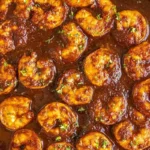
Spicy Diablo Shrimp (Camarones a la Diabla)
- Total Time: 35 minutes
- Yield: 4 servings 1x
- Diet: Pescatarian
Description
This Mexican style diablo shrimp recipe, “camarones a la diabla”, is a dish of spicy shrimp simmered in homemade chili sauce, a perfect appetizer or meal.
Ingredients
- 3 ancho peppers
- 3 guajillo peppers
- 4 chile de arbol peppers
- 2 medium tomatoes, chopped
- 1 small onion, chopped
- 1 serrano pepper, chopped
- 4 cloves garlic, chopped
- 2 tablespoons apple cider vinegar
- 1 tablespoon vegetable oil
- 1 pound shrimp, peeled and deveined, patted dry
- Salt and pepper to taste
Instructions
- Step: Rinse the dried peppers (ancho, guajillo and chiles de arbol), then remove the stems and seeds. Set them into a large bowl and cover them with very hot water. Steep for 20 minutes to soften.
- Step: Drain then transfer the softened peppers to a food processor. Add the tomatoes, onion, serrano pepper, garlic, apple cider vinegar and 1/2 teaspoon salt. Process until smooth. Taste and adjust for salt. Strain, if desired, for a smoother sauce. Thin with a bit of water, if desired.
- Step: Heat the vegetable oil in a pan to medium-high heat. Season the shrimp with salt and pepper, then sear the shrimp for 30 seconds per side. Remove the shrimp and set it aside.
- Step: Add the diablo sauce and reduce the heat to medium. Simmer for 10 minutes to let the flavors develop.
- Step: Return the shrimp to the pan and toss. Simmer for 1-2 minutes to warm the shrimp and cook it through. Serve.
Notes
The red chile sauce can be made several days before and stored in the refrigerator for up to a week or frozen. For a milder version, skip the chile de arbol peppers.
- Prep Time: 20 minutes
- Cook Time: 15 minutes
- Category: Appetizer, Main Course
- Method: Sautéing
- Cuisine: Mexican
Nutrition
- Serving Size: 1 serving
- Calories: 191 kcal
- Sugar: 5 g
- Sodium: 892 mg
- Fat: 6 g
- Saturated Fat: 3 g
- Unsaturated Fat: 3 g
- Trans Fat: 0 g
- Carbohydrates: 10 g
- Fiber: 3 g
- Protein: 25 g
- Cholesterol: 286 mg
Keywords: ancho, chile de arbol, guajillo, shrimp, spicy