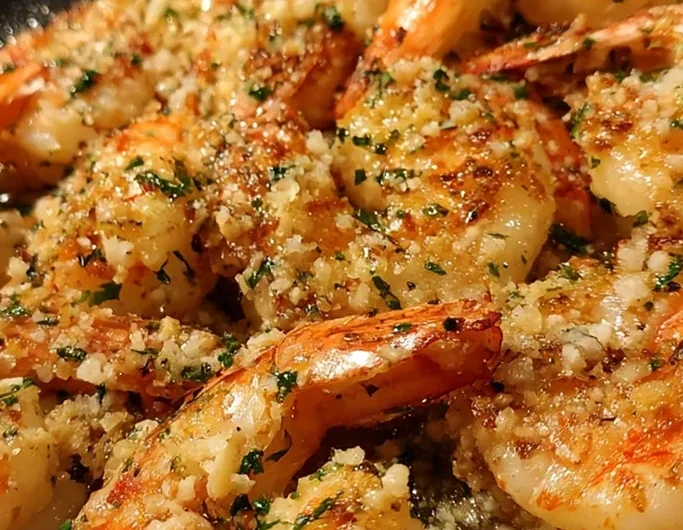
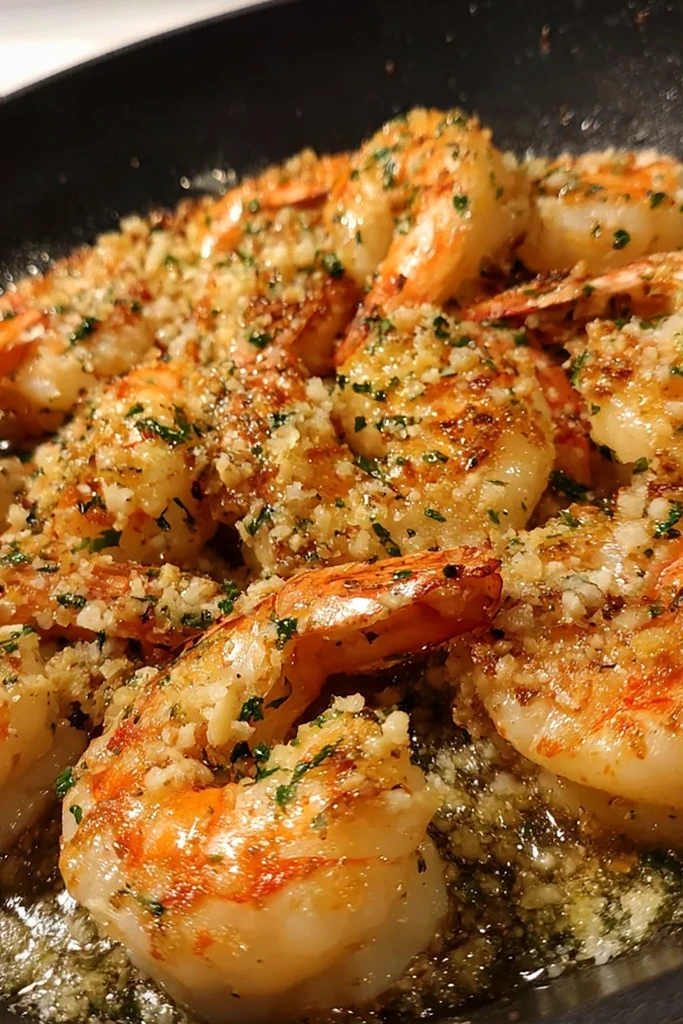
This garlic parmesan shrimp skillet is a fast, rich dinner that mimics a high-end steakhouse experience. It combines butter, garlic, and cheese for a savory coating on tender shrimp.
List of ingredients
- 1 lb large shrimp, peeled and deveined – use jumbo for a more substantial bite.
- 3 tbsp unsalted butter – creates the rich, velvety base of the sauce.
- 2 tbsp olive oil – raises the smoke point to prevent the butter from burning.
- 4 cloves garlic, minced – provides the essential aromatic flavor.
- 1/2 cup grated Parmesan cheese – adds a salty and nutty depth to the dish.
- 1/4 cup dry white grape juice or chicken broth – provides acidity and liquid for deglazing.
- 1 tbsp lemon juice – brightens the heavy butter and cheese flavors.
- 1/2 tsp paprika – adds a hint of smokiness and a golden hue.
- 1/2 tsp crushed red pepper flakes (optional) – introduces a subtle heat.
- Salt to taste – enhances the natural sweetness of the seafood.
- Black pepper to taste – adds a mild, peppery spice.
- 2 tbsp fresh parsley, chopped – brings a fresh, green finish.
- Lemon wedges for serving – allows for a final burst of acidity.
step-by-step instructions
- Prepare the shrimp: Pat the shrimp dry with paper towels and season lightly with salt, pepper, and paprika. Removing surface moisture ensures the shrimp sear properly rather than steaming.
- Heat the pan: Heat olive oil and 2 tablespoons of butter in a large skillet over medium heat. Wait until the butter is melted and bubbling before adding the shrimp.
- Sear the seafood: Add the shrimp and cook for about 1–2 minutes per side until they begin turning pink. Avoid overcrowding the pan so the shrimp brown instead of boiling.
- Sauté the garlic: Add minced garlic and cook for about 30 seconds until fragrant. Stir constantly to prevent the garlic from browning too quickly or becoming bitter.
- Deglaze the skillet: Pour in the white grape juice or chicken broth and lemon juice, stirring to combine. This process lifts the flavorful brown bits from the bottom of the pan.
- Finish the butter: Add the remaining butter and allow it to melt into the sauce. This creates a glossy, emulsified texture that coats the shrimp.
- Add the cheese: Sprinkle Parmesan cheese evenly over the shrimp and gently stir until the sauce thickens slightly. Maintain a gentle heat to ensure the cheese melts smoothly.
- Final cook: Cook another 1–2 minutes until shrimp are fully cooked and opaque. Remove them from the heat as soon as they form a ‘C’ shape to avoid toughness.
- Garnish: Remove from heat and garnish with chopped parsley and red pepper flakes if desired. Adding fresh herbs at the end preserves their color and flavor.
- Serve: Serve immediately with lemon wedges and crusty bread for dipping. The bread is ideal for capturing every drop of the garlic butter sauce.
Pro Cooking Techniques
Pat Shrimp Thoroughly Dry
Using paper towels to remove all excess moisture from the shrimp is critical for a successful sear. When shrimp are wet, they release steam in the pan, which prevents them from developing a golden-brown crust. A dry surface allows the proteins to caramelize quickly at higher temperatures.
Control the Skillet Temperature
Medium heat is the ideal setting for this recipe to ensure the butter doesn’t burn before the shrimp are cooked. If the pan is too hot, the butter solids will brown too quickly, creating a bitter taste. If it is too low, the shrimp will leak juices and steam rather than sear.
Avoid Overcooking the Seafood
Shrimp cook incredibly fast and can transition from tender to rubbery in under a minute. Watch for the shrimp to curl into a ‘C’ shape, which indicates they are perfectly done. If they curl tightly into an ‘O’ shape, they have been overcooked and will lose their juiciness.
Use Freshly Grated Cheese
Freshly grated Parmesan melts much more smoothly into the butter sauce than pre-shredded varieties. Pre-shredded cheeses are often coated in cellulose or cornstarch to prevent clumping in the bag. These additives can make the final sauce grainy or prevent it from emulsifying correctly.
Utilize a Cast Iron Skillet
A cast iron skillet is highly recommended because of its superior heat retention and distribution. It provides a more consistent sear across the entire surface of the shrimp. This results in a more professional, steakhouse-style caramelization that adds depth to the overall flavor profile.
Ingredient Substitutions
Substitute for Parmesan Cheese
If Parmesan is unavailable, Pecorino Romano is an excellent alternative as it offers a sharper and saltier flavor. Asiago cheese also works well for those who prefer a slightly nuttier and milder taste. Ensure the substitute is a hard, aged cheese to maintain the sauce’s consistency.
Alternatives to White Grape Juice
Chicken broth is the best savory substitute for white grape juice to maintain the depth of the sauce. For a sweeter profile, a small amount of apple juice can be used, though it may change the balance of the dish. Vegetable broth is also a suitable option for a lighter flavor.
Using Different Shrimp Sizes
While large or jumbo shrimp are preferred for their texture, medium shrimp can be used if necessary. Be aware that smaller shrimp cook much faster than jumbo ones, so reduce the searing time significantly. Always ensure the shrimp are peeled and deveined for the best dining experience.
Butter Alternatives
Ghee is a great substitute for unsalted butter because it has a higher smoke point and a rich, concentrated buttery flavor. For a non-dairy option, a high-quality plant-based butter can be used, provided it can withstand medium heat. Avoid using oil as a total replacement, as the butter is essential for the sauce’s emulsion.
Garlic Powder vs Fresh Garlic
Fresh minced garlic is strongly preferred for its pungent and aromatic qualities in this dish. However, if fresh garlic is unavailable, you can use garlic powder in a ratio of 1/8 teaspoon per clove. Note that the flavor will be more muted and less dimensional than fresh cloves.
Flavor Variations
Adding Sautéed Mushrooms
Adding sliced cremini or button mushrooms to the skillet adds a savory, earthy dimension to the meal. Sauté the mushrooms in the olive oil and butter before adding the shrimp. They absorb the garlic butter sauce and complement the richness of the Parmesan cheese.
Incorporating Fresh Spinach
Tossing in a few handfuls of fresh baby spinach at the very end of the cooking process adds color and nutrients. The residual heat of the pan is enough to wilt the spinach without overcooking it. This creates a more balanced meal and adds a slight bitterness that cuts through the butter.
Adding Sun-Dried Tomatoes
Chopped sun-dried tomatoes introduce a concentrated sweetness and umami flavor to the garlic sauce. Add them at the same time as the minced garlic to allow their oils to release. This variation gives the dish a more Mediterranean feel and a vibrant red contrast.
Increasing the Heat Level
For those who prefer a spicier dish, increase the red pepper flakes from 1/2 teaspoon to a full teaspoon. You can also add a small amount of cayenne pepper or a dash of hot sauce for a deeper, more lingering heat. This spicy element balances the richness of the butter and cheese.
Adding Lemon Zest for Fragrance
In addition to lemon juice, adding the zest of one lemon provides a more intense citrus aroma. Stir the zest in with the parsley during the final garnish step. The oils in the zest provide a fresh, floral brightness that enhances the natural flavor of the shrimp.
Serving Suggestions
Pair with Al Dente Pasta
Tossing the finished shrimp and sauce with linguine, fettuccine, or angel hair pasta transforms the dish into a full entree. The pasta absorbs the garlic parmesan sauce, ensuring none of the flavor is wasted. A sprinkle of extra parsley over the pasta completes the presentation.
Serve Over Steamed Jasmine Rice
Steamed jasmine or basmati rice provides a neutral base that allows the bold flavors of the sauce to shine. The rice grains soak up the buttery liquid, creating a comforting and filling meal. This is an excellent option for those who prefer a gluten-free base.
Pair with Crusty Garlic Bread
A toasted baguette or sourdough loaf is the classic accompaniment for this steakhouse-style dish. Slice the bread diagonally and toast it with a bit of butter and garlic. Use the bread to scoop up the remaining sauce from the skillet.
Serve Alongside Roasted Asparagus
Roasted asparagus or broccolini provides a crisp, green contrast to the richness of the shrimp. Roast the vegetables with olive oil, salt, and pepper at 400 degrees Fahrenheit for about 10-12 minutes. The snap of the vegetables balances the tender texture of the seafood.
Pair with a Fresh Garden Salad
A light salad with mixed greens, cucumbers, and a simple lemon vinaigrette cleanses the palate between bites. The acidity of the vinaigrette complements the lemon in the shrimp sauce. This prevents the meal from feeling too heavy or overly rich.
Storage and Reheating
Refrigeration Guidelines
Store leftover shrimp in an airtight glass container in the refrigerator for no more than two days. Shrimp are delicate and can lose their texture quickly when stored. Ensure the dish is cooled slightly before sealing to prevent excess condensation from making the sauce watery.
Reheating in a Skillet
The best way to reheat this dish is in a skillet over low to medium-low heat. Add a small knob of butter or a splash of chicken broth to the pan to loosen the sauce. Gently warm the shrimp for 2-3 minutes just until they are heated through.
Reheating in a Microwave
If using a microwave, heat the shrimp in short 30-second intervals on medium power. Stir the shrimp between intervals to ensure even heating and prevent the edges from becoming rubbery. Avoid high power settings, as they will overcook the seafood almost instantly.
Avoiding Rubbery Texture
The key to successful reheating is avoiding high temperatures. Overheating causes the proteins in the shrimp to contract tightly, resulting in a rubbery and tough texture. Always aim for a gentle warm-up rather than a boil.
Troubleshooting the Sauce
Fixing a Broken Sauce
If the butter sauce separates and looks oily, you can fix it by adding a teaspoon of water or chicken broth. Whisk the sauce rapidly over low heat to re-emulsify the fats and liquids. This restores the creamy, cohesive texture of the garlic butter.
Managing a Sauce that is Too Thick
If the Parmesan cheese makes the sauce too thick or sticky, stir in a tablespoon of lemon juice or broth. This thins the consistency while adding a bit of brightness to the flavor. Add the liquid gradually until the desired consistency is achieved.
Balancing Excess Saltiness
Because Parmesan cheese is naturally salty, the sauce can occasionally become over-salted. To balance this, add an extra squeeze of fresh lemon juice or a pinch of sugar. The acidity and sweetness help neutralize the salt without altering the flavor profile.
Preventing Burnt Garlic
If the garlic begins to brown too quickly, immediately add the liquid (grape juice or broth) to lower the pan temperature. The liquid stops the frying process and prevents the garlic from burning. Always keep the garlic moving in the pan with a spatula.
Common Questions
Can I use frozen shrimp?
Yes, but they must be completely thawed and patted dry before they hit the pan. If you add frozen shrimp directly to the butter, they will release a large amount of water, which will boil the shrimp and prevent them from searing.
Can I make this without Parmesan cheese?
You can omit the cheese, but you will lose the creamy thickness and salty depth of the sauce. To compensate, you can add a small amount of heavy cream or increase the amount of garlic and herbs to maintain a bold flavor.
What is the best size of shrimp to use?
Large or jumbo shrimp are the best choice because they have more surface area for the sauce and maintain a juicy center. Small shrimp cook too quickly and are more prone to becoming rubbery during the cheese-thickening step.
How long do the leftovers last?
Leftovers are best consumed within 48 hours. After two days, the quality of the seafood declines, and the sauce may separate or lose its freshness. Always store them in a tightly sealed container in the coldest part of the fridge.
Can I add vegetables to the skillet?
Absolutely. Vegetables like zucchini, spinach, and mushrooms pair exceptionally well with garlic butter. Sauté firmer vegetables first, and add leafy greens at the very end to prevent them from overcooking.
Is this recipe suitable for meal prep?
This dish is best served fresh, but it can be prepped by cleaning and seasoning the shrimp in advance. However, it is not recommended for long-term meal prep as the reheated texture of the shrimp is never as good as the original.
Print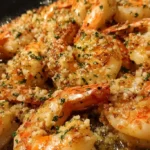
Ruth’s Chris Garlic Parmesan Shrimp Skillet
- Total Time: 18 minutes
- Yield: 4 servings 1x
- Diet: Seafood
Description
A rich and flavorful shrimp skillet inspired by the famous steakhouse dish, featuring tender shrimp sautéed in a buttery garlic sauce with Parmesan cheese and herbs.
Ingredients
- 1 lb large shrimp, peeled and deveined
- 3 tbsp unsalted butter
- 2 tbsp olive oil
- 4 cloves garlic, minced
- 1/2 cup grated Parmesan cheese
- 1/4 cup dry white grape juice or chicken broth
- 1 tbsp lemon juice
- 1/2 tsp paprika
- 1/2 tsp crushed red pepper flakes (optional)
- Salt to taste
- Black pepper to taste
- 2 tbsp fresh parsley, chopped
- Lemon wedges for serving
Instructions
- Season: Pat the shrimp dry with paper towels and season lightly with salt, pepper, and paprika.
- Sear: Heat olive oil and 2 tablespoons of butter in a large skillet over medium heat.
- Cook Shrimp: Add the shrimp and cook for about 1–2 minutes per side until they begin turning pink.
- Aromatics: Add minced garlic and cook for about 30 seconds until fragrant.
- Deglaze: Pour in the white grape juice or chicken broth and lemon juice, stirring to combine.
- Emulsify: Add the remaining butter and allow it to melt into the sauce.
- Cheese: Sprinkle Parmesan cheese evenly over the shrimp and gently stir until the sauce thickens slightly.
- Finish: Cook another 1–2 minutes until shrimp are fully cooked and coated in the sauce.
- Garnish: Remove from heat and garnish with chopped parsley and red pepper flakes if desired.
- Serve: Serve immediately with lemon wedges and crusty bread for dipping.
Notes
Use large or jumbo shrimp for the best texture. A cast iron skillet helps achieve the best flavor and slight caramelization. Serve with toasted bread, pasta, or rice to soak up the garlic Parmesan sauce. Do not overcook shrimp as they can become rubbery.
- Prep Time: 10 minutes
- Cook Time: 8 minutes
- Category: Main Course
- Method: Stovetop
- Cuisine: American
Nutrition
- Serving Size: 1 serving
- Calories: 320 kcal
- Sugar: 0 g
- Sodium: 620 mg
- Fat: 22 g
- Saturated Fat: 11 g
- Unsaturated Fat: 11 g
- Trans Fat: 0 g
- Carbohydrates: 3 g
- Fiber: 0 g
- Protein: 28 g
- Cholesterol: 180 mg
Keywords: garlic parmesan shrimp, steakhouse shrimp, buttery shrimp skillet, seafood dinner