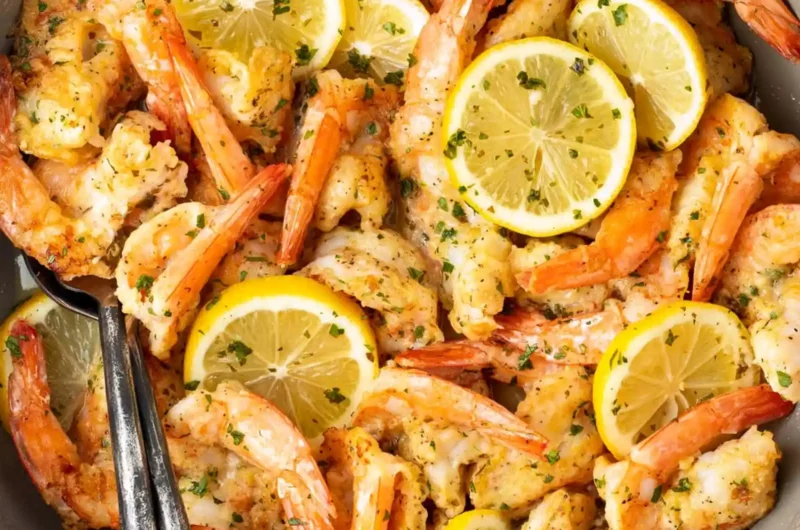
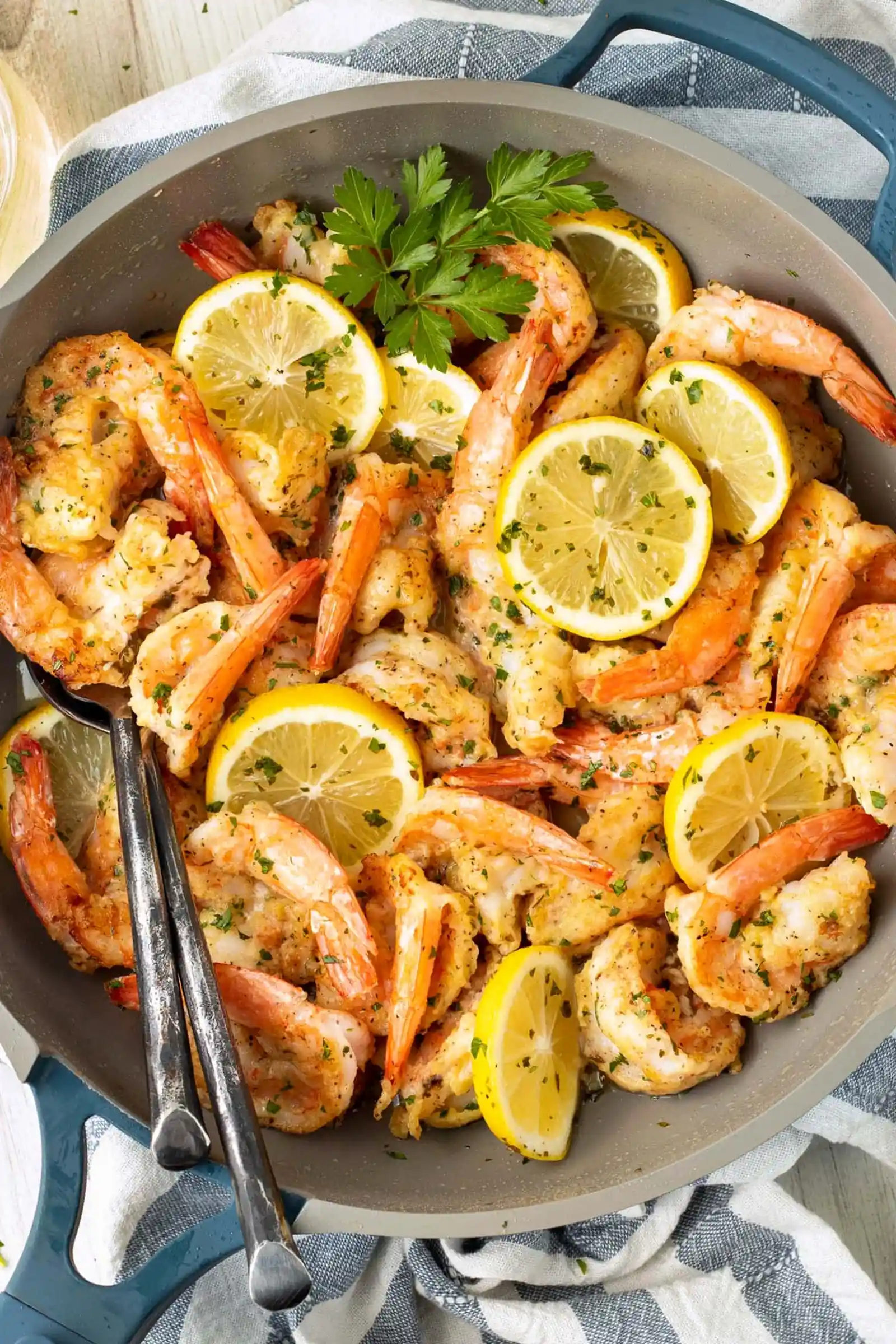
This restaurant-style shrimp dish features tender butterflied shrimp coated in a light egg batter and finished with a zesty lemon butter sauce. It is an elegant yet fast meal that comes together in under 40 minutes.
List of ingredients
- 1 ½ pounds extra-large or jumbo shrimp (peeled, deveined, tails on) – provide a hearty bite and a professional look.
- salt (to taste) – for basic seasoning.
- freshly ground black pepper (to taste) – adds a subtle heat.
- 3 tablespoons avocado oil – high smoke point for searing.
- ½ cup all-purpose flour – creates a light coating for the batter.
- 3 large eggs – used for the Francese egg wash.
- ¼ teaspoon salt (more or less to taste) – for seasoning the batter.
- ¼ teaspoon freshly ground black pepper (more or less to taste) – for seasoning the batter.
- ¼ teaspoon garlic powder – adds depth to the egg wash.
- 2 tablespoons finely chopped fresh parsley (divided) – adds freshness and color.
- 3 tablespoons butter – for a rich, velvety sauce.
- 2-3 cloves garlic (minced) – provides an aromatic base for the sauce.
- ½ cup chicken broth (split into two 1/3 cup portions) – serves as the flavorful liquid base, replacing the wine.
- 2 tablespoons fresh lemon juice (juice from approximately 1 lemon) – provides the signature acidity.
- 1 medium lemon (thinly sliced) – used for garnish and infusing flavor.
step-by-step instructions
- Prepare the shrimp: Use a paring knife to butterfly the shrimp by cutting along the back almost completely through to flatten them. Place the butterflied shrimp on a large plate or cutting board.
- Dry and season: Pat the shrimp dry with paper towels to ensure the coating sticks. Season them with salt and black pepper to taste.
- Set up dredging station: Place the all-purpose flour in one shallow bowl. In a separate shallow bowl, whisk together the eggs, ¼ teaspoon salt, ¼ teaspoon black pepper, ¼ teaspoon garlic powder, and 1 tablespoon of the chopped parsley.
- Coat the shrimp: Holding each shrimp by the tail, dip it into the flour and shake off any excess. Immediately dip it into the egg mixture and place it on a plate. Repeat for all shrimp.
- Sear the shrimp: Heat avocado oil in a skillet over medium-high heat until it is hot and shimmery. Swirl the skillet to coat the bottom evenly.
- Cook in batches: Place shrimp in the skillet in a single layer without overcrowding. Cook for 2 minutes, then flip with tongs and cook for another 1 to 2 minutes until the shrimp are opaque and slightly curled.
- Rest the shrimp: Transfer the cooked shrimp to a wire cooling rack placed over paper towels to keep them from becoming soggy. Repeat the process for any remaining shrimp.
- Prepare the aromatics: Drain any excess oil from the skillet and wipe it clean with paper towels. Melt butter over medium-high heat, add the minced garlic, and cook for 1 minute until fragrant.
- Reduce the sauce: Add the chicken broth and lemon juice to the skillet. Bring to a low boil and cook until the liquid is reduced by half, which takes about 8 to 9 minutes. Stir in the remaining 1 tablespoon of parsley.
- Final combination: Add the lemon slices to the sauce and return the cooked shrimp to the skillet. Spoon the sauce over the shrimp and simmer for 1 minute until they are warmed through.
- Serve: Transfer the shrimp and sauce to a serving plate and serve immediately with your chosen sides.
Professional Searing Tips
Maintain High Heat for Browning
Ensure the avocado oil is shimmering before adding the shrimp to the pan. If the oil is too cool, the shrimp will absorb the fat and steam rather than sear, resulting in a pale color and soft texture.
Prevent Overcrowding the Pan
Cook the shrimp in two or three small batches rather than all at once. Crowding the skillet drops the temperature of the oil and releases too much moisture, which prevents the golden-brown crust from forming.
The Importance of Drying the Shrimp
Use paper towels to remove every bit of surface moisture before dredging in flour. Moisture creates a barrier that prevents the flour and egg from adhering, leading to a batter that peels off during cooking.
Achieve the Perfect Butterfly Cut
Cut about 80% of the way through the back of the shrimp. This increases the surface area for the batter and allows the shrimp to lay flat, ensuring that each piece cooks evenly and quickly.
Ingredient Substitutions and Alternatives
Using Gluten-Free Flour
You can substitute all-purpose flour with a high-quality gluten-free all-purpose blend. Ensure the blend contains xanthan gum to help the coating adhere to the shrimp during the searing process.
Alternative Cooking Oils
If avocado oil is unavailable, use grapeseed oil or refined olive oil. Avoid using extra-virgin olive oil for the initial sear, as its lower smoke point may lead to the oil burning at medium-high temperatures.
Swapping Chicken Broth
For a different flavor profile, use vegetable broth or a light seafood stock. If you want a lighter sauce, you can use a mixture of water and a small amount of lemon concentrate, though you will lose the richness of the broth.
Choosing Different Shrimp Sizes
While jumbo or extra-large shrimp are preferred for their presentation, medium shrimp work well too. Just reduce the cooking time per side by 30 to 60 seconds to avoid overcooking them into a rubbery texture.
Serving Suggestions and Side Pairings
Classic Pasta Bases
Serve this dish over linguine, angel hair, or fettuccine tossed in a small amount of butter or olive oil. The pasta absorbs the lemon butter sauce, making the entire meal more cohesive.
Low-Carb and Grain-Free Options
For a low-carb alternative, place the shrimp over sautéed zucchini noodles or steamed cauliflower rice. These options maintain the lightness of the meal while reducing the overall calorie count.
Crispy Bread Accompaniments
A toasted baguette or garlic bread is ideal for soaking up the remaining sauce on the plate. Brush the bread with melted butter and garlic, then toast until golden brown.
Fresh Vegetable Pairings
Balance the richness of the butter sauce with steamed broccoli, sautéed spinach, or roasted asparagus. The natural bitterness of green vegetables complements the acidity of the lemon sauce.
Storage and Reheating Guidelines
Storing Leftovers Safely
Place leftover shrimp and sauce in an airtight container and refrigerate for up to two days. Keep the shrimp and sauce together so the shrimp stay moist during storage.
Best Reheating Methods
Reheat the shrimp gently in a skillet over medium-low heat with a splash of water or chicken broth. Avoid the microwave, as it can easily overcook the shrimp, making them tough and rubbery.
Make-Ahead Preparation
You can prepare the egg wash and mince the garlic several hours in advance. However, do not dredge the shrimp in flour and egg until you are ready to fry them, or the batter will become soggy.
Freezing Considerations
It is not recommended to freeze cooked shrimp francese. The emulsion of the butter sauce can break during freezing and thawing, and the texture of the breaded shrimp will degrade significantly.
Troubleshooting Common Issues
Preventing Rubbery Shrimp
Shrimp cook extremely fast; as soon as they turn opaque and form a ‘C’ shape, they are done. If they curl into a tight ‘O’ shape, they are overcooked and will have a rubbery consistency.
Fixing a Thin Sauce
If the sauce hasn’t thickened enough after 8 minutes, continue simmering on low heat for another 2 to 3 minutes. The reduction process is key to achieving a sauce that clings to the shrimp rather than pooling at the bottom.
Managing Burnt Garlic
Garlic burns quickly at high temperatures, which creates a bitter taste. Add the garlic only after the butter has melted and keep the heat at a steady medium-high to ensure it softens without browning too deeply.
Addressing Excess Saltiness
If the sauce tastes too salty due to the broth, stir in a teaspoon of fresh lemon juice or a small amount of unsalted butter. The acid and fat will help balance the sodium levels.
Frequently Asked Questions
Can I use frozen shrimp for this recipe?
Yes, provided they are fully thawed. Thaw them overnight in the refrigerator or submerge the sealed bag in cold water for 20 minutes before patting them dry.
Do I have to keep the tails on?
Tails are primarily for presentation and provide a convenient handle for eating. You can remove them before butterflying if you prefer a more streamlined eating experience.
What if I don’t have avocado oil?
Any oil with a high smoke point will work. Canola or vegetable oil are suitable alternatives that will not alter the flavor of the dish.
Can I use a different citrus fruit?
Lemon is traditional for Francese, but lime can be used for a zestier, more tropical twist. If using lime, adjust the amount of salt slightly as lime acidity is different from lemon.
Print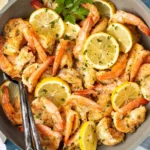
Classic Shrimp Francese with Lemon Butter Sauce
- Total Time: 40 minutes
- Yield: 4 servings 1x
- Diet: General
Description
Butterflied, lightly breaded shrimp cooked with a succulent lemon and buttery sauce, served as a classic Italian-American main course.
Ingredients
- 1 ½ pounds extra-large shrimp (peeled, deveined, tails on)
- salt to taste
- freshly ground black pepper to taste
- 3 tablespoons avocado oil
- ½ cup all-purpose flour
- 3 large eggs
- ¼ teaspoon salt
- ¼ teaspoon freshly ground black pepper
- ¼ teaspoon garlic powder
- 2 tablespoons finely chopped fresh parsley (divided)
- 3 tablespoons butter
- 2–3 cloves garlic (minced)
- ⅔ cup chicken broth
- 2 tablespoons fresh lemon juice
- 1 medium lemon (thinly sliced)
Instructions
- Step 1: With paring knife, butterfly shrimp by cutting back of shrimp almost completely through to flatten shrimp and place on a large plate or cutting board.
- Step 2: Pat shrimp dry with paper towels, then season with salt and black pepper.
- Step 3: Place all-purpose flour in a shallow bowl.
- Step 4: In a separate shallow bowl, whisk eggs with salt, black pepper, garlic powder, and 1 tablespoon chopped parsley.
- Step 5: Holding them by tail, dip shrimp one at a time into flour, shaking off excess flour, then coat with egg mixture and place on plate.
- Step 6: Heat avocado oil in skillet over medium high heat until hot and shimmery, then swirl to coat evenly.
- Step 7: Working in batches, place shrimp in skillet in one single layer; cook for 2 minutes, flip with tongs, and cook for another 1 to 2 minutes until opaque and slightly curled.
- Step 8: Transfer shrimp to a wire cooling rack placed over paper towels.
- Step 9: Drain excess oil from skillet and carefully wipe clean with paper towels.
- Step 10: Melt butter over medium high heat, then add minced garlic and cook for 1 minute until fragrant.
- Step 11: Add chicken broth and lemon juice to skillet; bring to low boil and cook until reduced by 50% (approximately 8 to 9 minutes), then stir in 1 tablespoon parsley.
- Step 12: Add lemon slices and return cooked shrimp to skillet; spoon sauce over shrimp and simmer 1 minute until warmed through.
- Step 13: Transfer shrimp to serving plate and serve immediately.
Notes
To make this recipe gluten-free, use gluten-free all-purpose flour and ensure the chicken broth is certified gluten-free.
- Prep Time: 20 minutes
- Cook Time: 20 minutes
- Category: Main Course
- Method: Pan-frying
- Cuisine: American
Nutrition
- Serving Size: 1 serving
- Calories: 405 kcal
- Sugar: 1 g
- Sodium: 1298 mg
- Fat: 24 g
- Saturated Fat: 8 g
- Unsaturated Fat: 15.6 g
- Trans Fat: 0.4 g
- Carbohydrates: 14 g
- Fiber: 1 g
- Protein: 29 g
- Cholesterol: 360 mg
Keywords: shrimp francese, seafood, lemon butter sauce, dinner, Italian-American